






 Portuguese
  Spanish
  5 min of reading
  1 comment


Tax Incentives And Climate Financing Explain Why Biomethane Is Gaining Strength In Espírito Santo And Is Starting To Transform The Brazilian Energy Landscape.
In recent years, the world has faced urgent challenges related to the climate crisis, energy security, and the need for a transition to renewable sources.
Therefore, biomethane is gaining strength as a clean and strategic alternative to replace fossil fuels, especially in the transport sector and energy generation.
In Brazil, this trend has become more visible thanks to public policies, tax incentives, and investments in infrastructure.
-
Brazilian scientists are simultaneously advancing two research projects on clean hydrogen and driving solutions that could transform the energy matrix, enhance industrial competitiveness, and accelerate large-scale emission reduction targets.

-
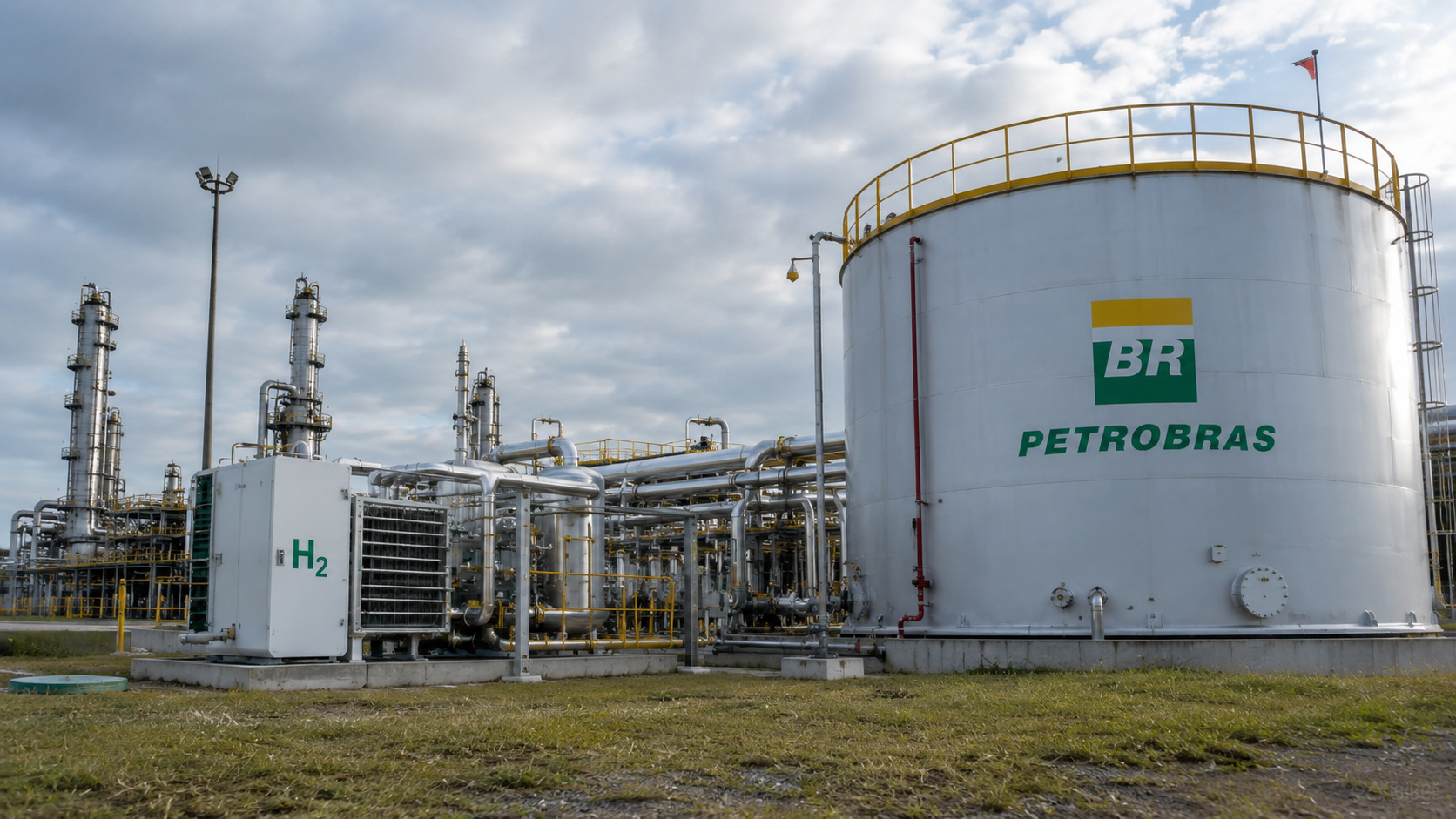
Advancement in renewable energy: A R$ 150 million project launched by Petrobras and Finep aims to create state-of-the-art electrolyzers for green hydrogen, strengthening national research and preparing Brazil to compete in a billion-dollar energy market.
-
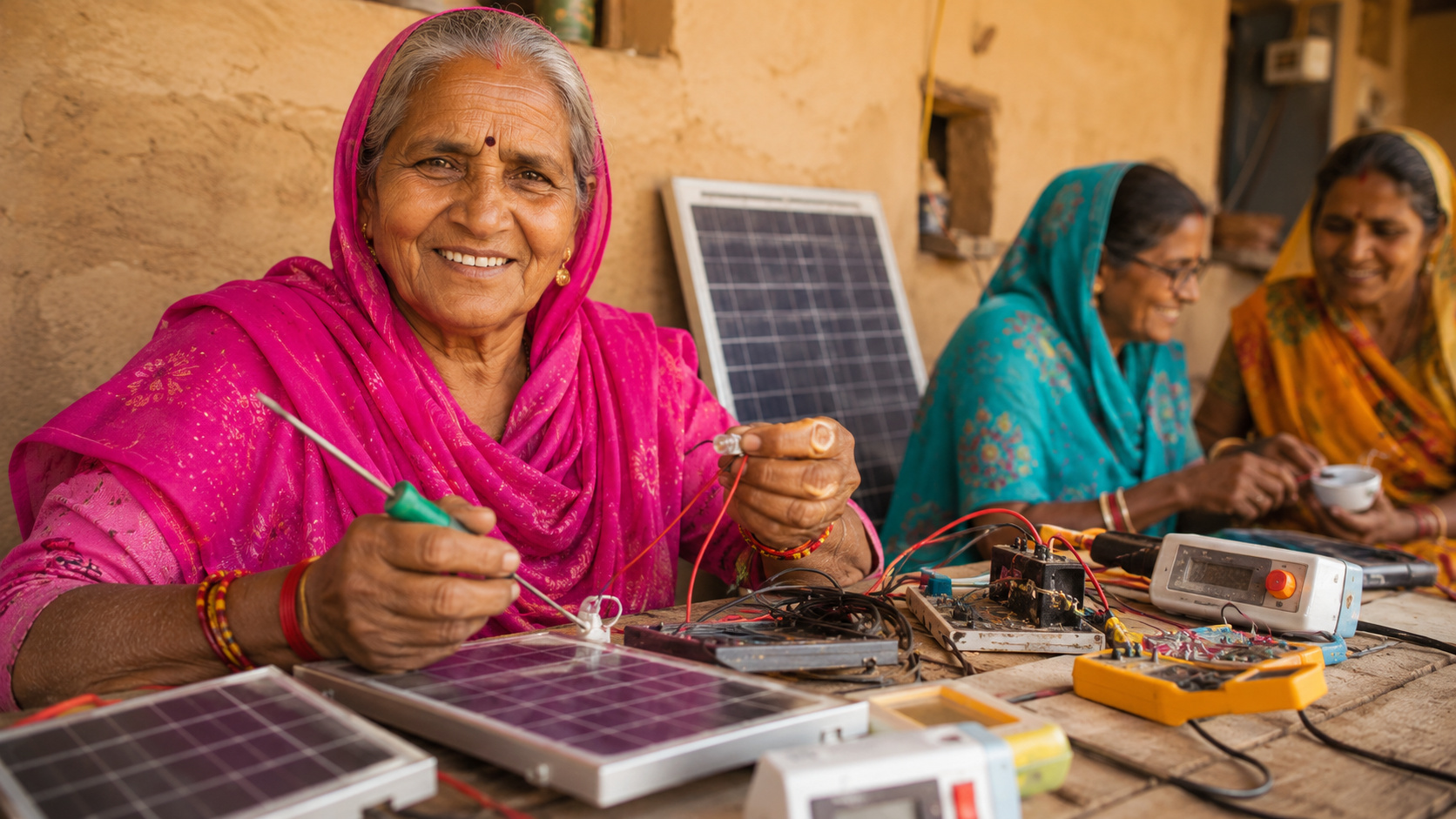
Illiterate or semi-literate grandmothers were trained to repair solar systems, open rural workshops, and light up homes that still depended on kerosene.
-
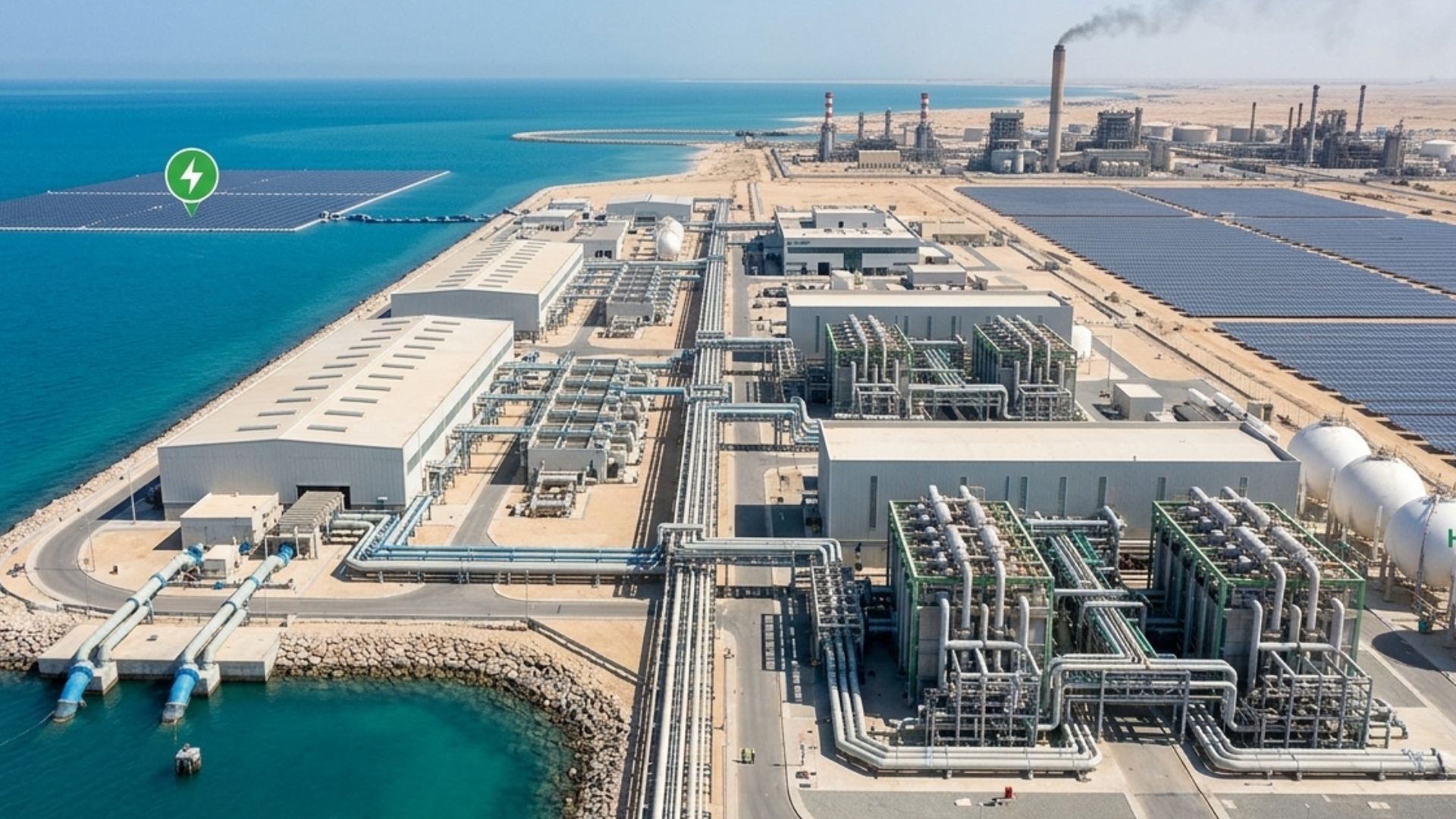
The world has bet on green hydrogen as the fuel of the future, but now faces the side effect: producing 1 kilogram requires about 9 liters of ultrapure water, and the largest projects on the planet are precisely in the driest regions of the Earth, where water is already scarce for people.


Thus, Espírito Santo stands out among the states that have created the most favorable conditions for the advancement of biomethane.
Biomethane is a gas obtained by treating and purifying biogas, which is produced from the decomposition of organic waste, such as agricultural residues, urban garbage, and industrial effluents.
Therefore, this renewable energy source drastically reduces greenhouse gas emissions, especially methane, which is far more harmful to the climate than carbon dioxide.
Moreover, biomethane has characteristics similar to those of natural gas. Hence, it can be applied in various areas, such as public transport, industry, and even residential use.
In this way, this versatility makes it a valuable ally to diversify the energy matrix with a lower environmental impact.
Brazilian Potential And Historical Context
For decades, the use of biogas and biomethane in Brazil remained limited to rural experiments and small-scale local initiatives.
Despite this, the country, which has one of the largest production potentials in the world, has faced economic, legal, and infrastructure barriers to scale biomethane industrially.
In recent years, however, this scenario has begun to change. As the debate on energy transition intensified, the focus on reducing emissions has driven sustainable solutions.
Thus, biomethane has gradually found its place in the country’s energy and environmental policies, attracting the interest of the private sector and state governments.
According to estimates from the Brazilian Biogas Association (ABiogás), Brazil can replace up to 70% of the diesel used in heavy transport with biomethane, if it utilizes its entire production potential.
This reveals that the issue lies not in the raw material, but in creating an environment that encourages the generation, distribution, and consumption of this biofuel.
The country produces about 40 billion cubic meters of biogas per year, but only a fraction is purified to become biomethane.
Therefore, there is a concrete opportunity to expand this production chain and consolidate a new energy sector of national base.
In Espírito Santo, this process accelerated with the approval by the Legislative Assembly of a law that reduces the ICMS on biogas and biomethane production by up to 85%.
The state government drafted and sent the project, which now awaits the governor Renato Casagrande’s approval. Therefore, this measure enhances the economic attractiveness for new ventures.
State Incentives And Investments In Production
Casagrande had already demonstrated commitment to the energy agenda by proposing, in December of the previous year, the reduction of the ICMS on the consumption of vehicular natural gas (GNV) and biomethane from 17% to 12%.
In doing so, he aimed to balance the rates with those of other states, such as Rio de Janeiro, Bahia, and Pernambuco.
In addition to encouraging consumption, Espírito Santo is also working to expand distribution infrastructure. ES Gás, a utility controlled by Energisa, signed a contract with Marca Ambiental to receive biomethane into its network.
Thus, the plant responsible for supplying is under construction, with R$ 70 million in investments.
This model creates a direct integration between production and distribution, guaranteeing security, scale, and predictability in the supply.
Additionally, agricultural cooperatives and local municipalities are showing interest in developing their own projects, utilizing previously ignored waste.
In the long term, this strategy can create a virtuous cycle: biomethane reduces emissions, decreases dependency on fossil fuels, and also boosts the regional economy, generating jobs and strengthening production chains linked to agribusiness and waste management.
Federal Support And Insertion In The Climate Fund
The incentive for biomethane has also advanced at the federal level. The government included the fuel in the Annual Resource Application Plan (PAAR) of the National Fund on Climate Change (Climate Fund), coordinated by the Ministry of the Environment and operated by BNDES.
Thus, the fund has R$ 11.2 billion approved for 2025.
This inclusion allows financing for projects related to sustainable urban mobility and energy transition.
Thus, it benefits buses and trucks powered by GNV/biomethane, as well as initiatives that build or expand transportation and distribution networks.
By releasing funds with subsidized interest rates and extended deadlines, the Climate Fund attracts more private investments and increases production scale.
Therefore, trust is growing among industry entrepreneurs, who start to see biomethane as a long-term and highly profitable business.
Furthermore, the inclusion of biomethane in BNDES financing lines represents an official recognition of its strategic role.
This stimulates private banks, green funds, and international investors to bet on the sector with greater confidence.
National Expansion And Environmental Benefits
Another important advancement came with the National Congress’s decision to include natural gas in the scope of the Climate Fund.
Lawmakers overturned the veto that excluded this energy source, allowing financing for GNC and GNL supply structures. In this way, it directly contributes to a more robust and accessible network for biomethane.
The environmental benefits of biomethane are numerous. By transforming waste into clean energy, this biofuel reduces the emission of harmful gases, prevents soil and water contamination, and also strengthens a circular economy. Thus, this logic enhances reuse and reduces waste.
Moreover, as biomethane gains strength, it connects to Brazil’s commitments under the Paris Agreement.
National legislation stipulates that from 2026 onwards, blending biomethane into piped natural gas will be mandatory, which can further accelerate its expansion and everyday use in various regions.
In parallel, this legal requirement is expected to drive the modernization of the gas network and the emergence of new technologies for purifying, compressing, and storing biomethane throughout the country.
Biomethane Gains Strength: Path To The Future Of Energy In Brazil
With all these advances, Espírito Santo emerges as a benchmark in promoting biomethane. Well-defined policies, tax reduction, and infrastructure investments place the state at the forefront of renewable energy in the country.
The combination of public support and private sector participation shows that it is possible to build a cleaner, more efficient, and decentralized energy model.
As more states and municipalities adopt similar strategies, biomethane will continue to gain strength throughout the national territory.
This transformation requires continuity, strategic vision, and collective commitment. By betting on biomethane, Brazil moves towards a fairer, more resilient energy matrix aligned with the climate challenges of the 21st century.









Gostaria de trabalhar nessa empresa, mas eu moro longe, palmas tocantins. Eu tenho curso em panificação, curso de atendimento, experiência em saladeira em atendimento, experiência em salgadeira.