Portuguese
  Spanish


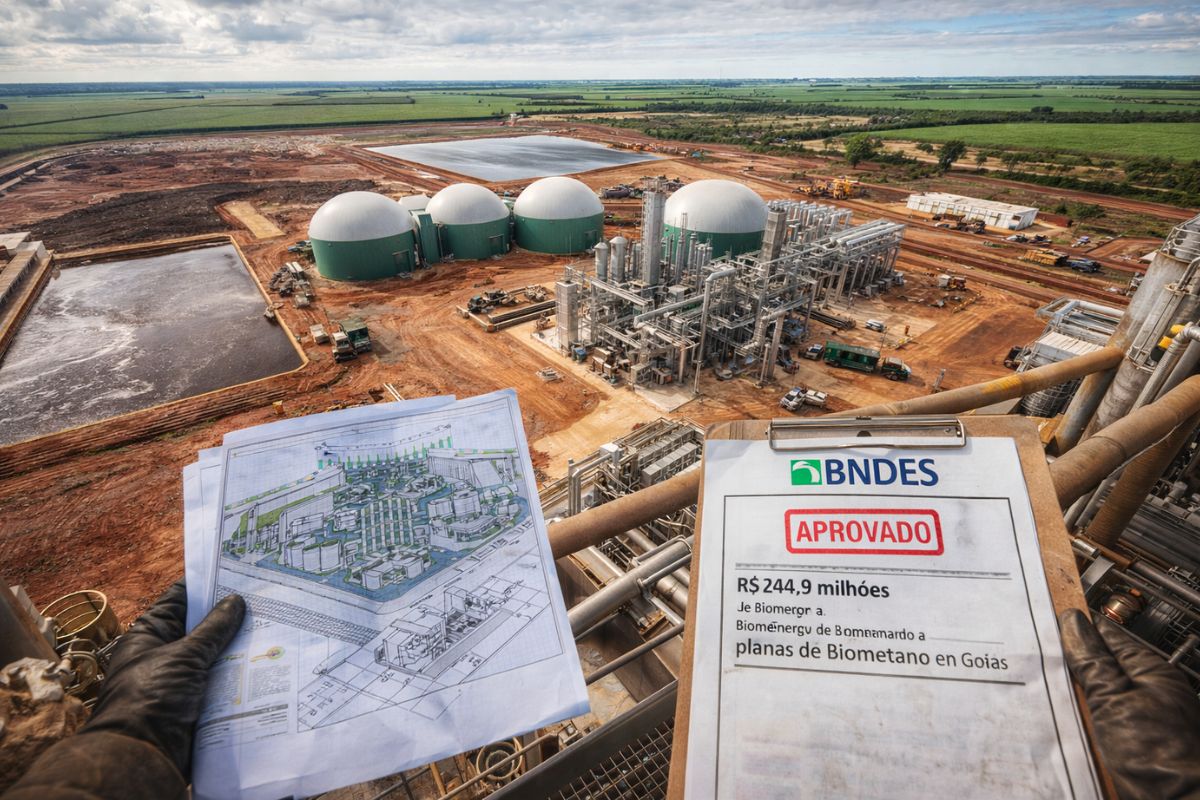

The National Bank of Economic and Social Development (BNDES) approved in April 2026 a financing of R$ 244.9 million for Tropical Biogas, a subsidiary of bp bioenergy, to build its first biomethane plant in Brazil. The unit will be installed in Edéia, in the interior of Goiás, with expected completion in 2027 and total investment of R$ 275.8 million.
The financing combines R$ 193.4 million from the Climate Fund and R$ 51.4 million from the Finem line. The plant will have the capacity to produce 67 thousand cubic meters of biomethane per day from vinasse, a liquid waste generated in the production of sugarcane ethanol that is currently applied directly to the soil. With the new unit, vinasse will undergo biodigestion to generate biomethane, and the solid residue will continue to be used as fertilizer in the crop.
Distribution will be handled by Ultragaz, which will be responsible for the sale and logistics of the fuel for industrial and transportation customers in the region.
According to BNDES, the biomethane produced can reduce greenhouse gas emissions by up to 90% compared to diesel.
-
A city with 8,000 inhabitants will receive R$ 25 billion to host the largest single-stage pulp mill in the world, with a production of 3.5 million tons per year and a cost of R$ 45 million.

-
He left India for Oman in 1976, entered through the door of luxury finishes, and took Sobha to the premium real estate market in the Middle East.

-
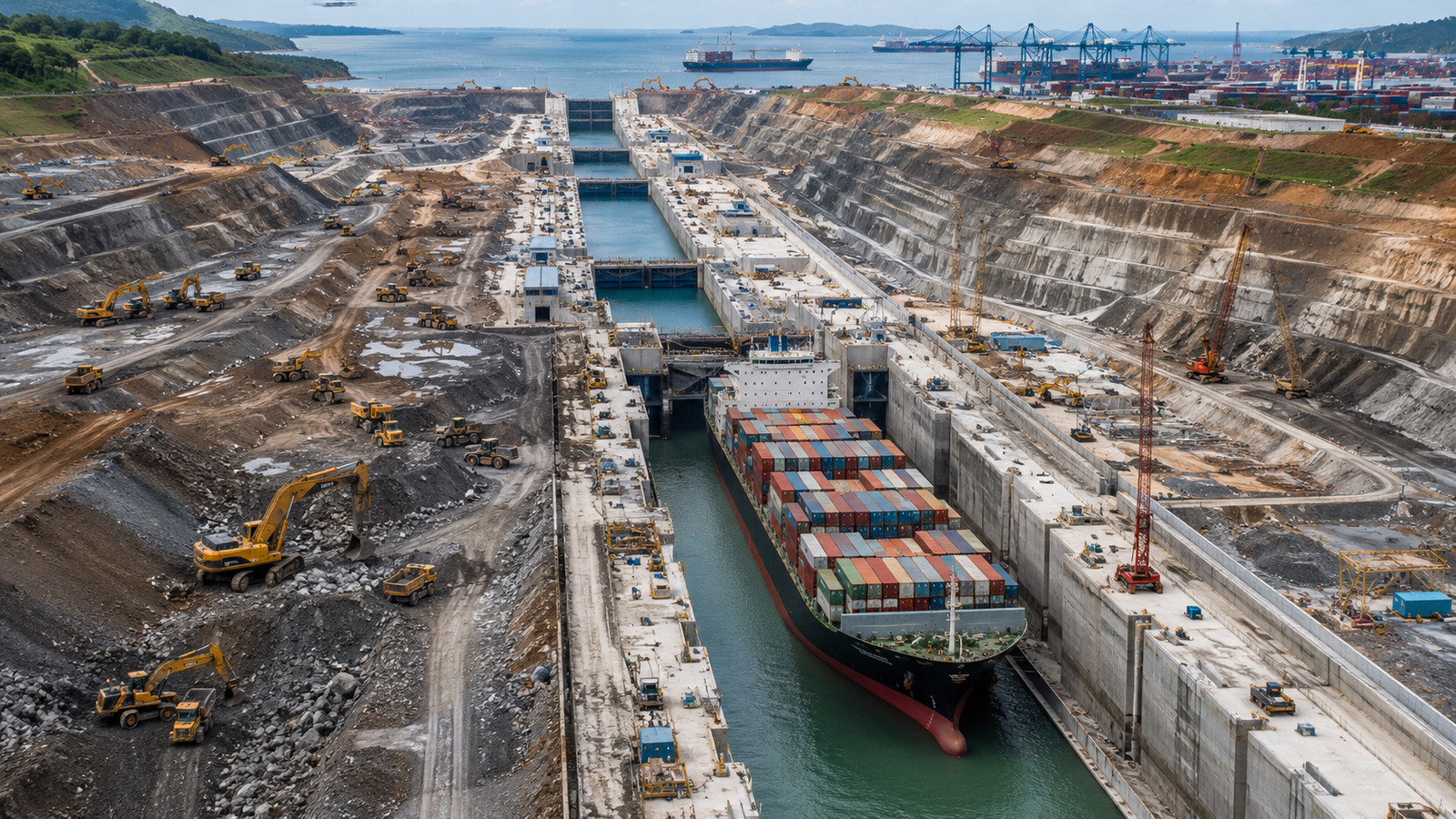
China wants to impress the world once again with a mega canal featuring giant locks, deep waters, and space for the largest ships, in a project aimed at shortening journeys, reducing queues, and rivaling the Panama Canal in global trade.

-
Brazil saved US$ 32.4 billion in 2025 by switching from fossil to renewable energy and only ranked behind China and the United States on the IRENA global podium.



The construction is expected to generate 300 direct and indirect jobs.
Why does this operation matter now?
The financing comes weeks after the National Energy Policy Council (CNPE) approved, on April 1st, the mandatory target of a 0.5% reduction in greenhouse gas emissions for natural gas producers in 2026, which must be met by purchasing biomethane or its certificates.
bp bioenergy operates 11 units in five states and is one of the largest producers of ethanol in Brazil, with 1.7 million cubic meters per year, which ensures a volume of vinasse to scale biomethane production.
Since 2023, BNDES has already approved more than R$ 13 billion for biofuels.
Biomethane is considered a direct substitute for fossil natural gas.
Comment below: Is Brazil taking advantage of this potential or is it still slow?