Portuguese
  Spanish


With Support From BNDES, Gluten Factory Will Be Built in Passo Fundo (RS). Be8 Unit Should Reduce Dependence on Imports and Begins Operating in 2026.
The National Bank for Economic and Social Development (BNDES) approved financing of R$ 290.2 million for the construction of Brazil’s first vital gluten factory. The investment will be allocated to the Be8 unit, which is being built in Passo Fundo, in the interior of Rio Grande do Sul.
The project, which is part of an industrial complex valued at R$ 1.2 billion, is already underway and is expected to be completed by the second half of 2026.
The project arises to meet a growing demand and reduce Brazil’s total dependence on imported vital gluten, used in food, pharmaceuticals, and hygiene products.
-
They exchanged the idea of a large house for a 35 m² warehouse, spent US$ 12,000 on the structure, and created a tiny house in Colorado with space to live and work.

-
While modern cities rely on pumps and electricity, in Iran, ancient tunnels carried water through the desert using only slope and gravity.
-
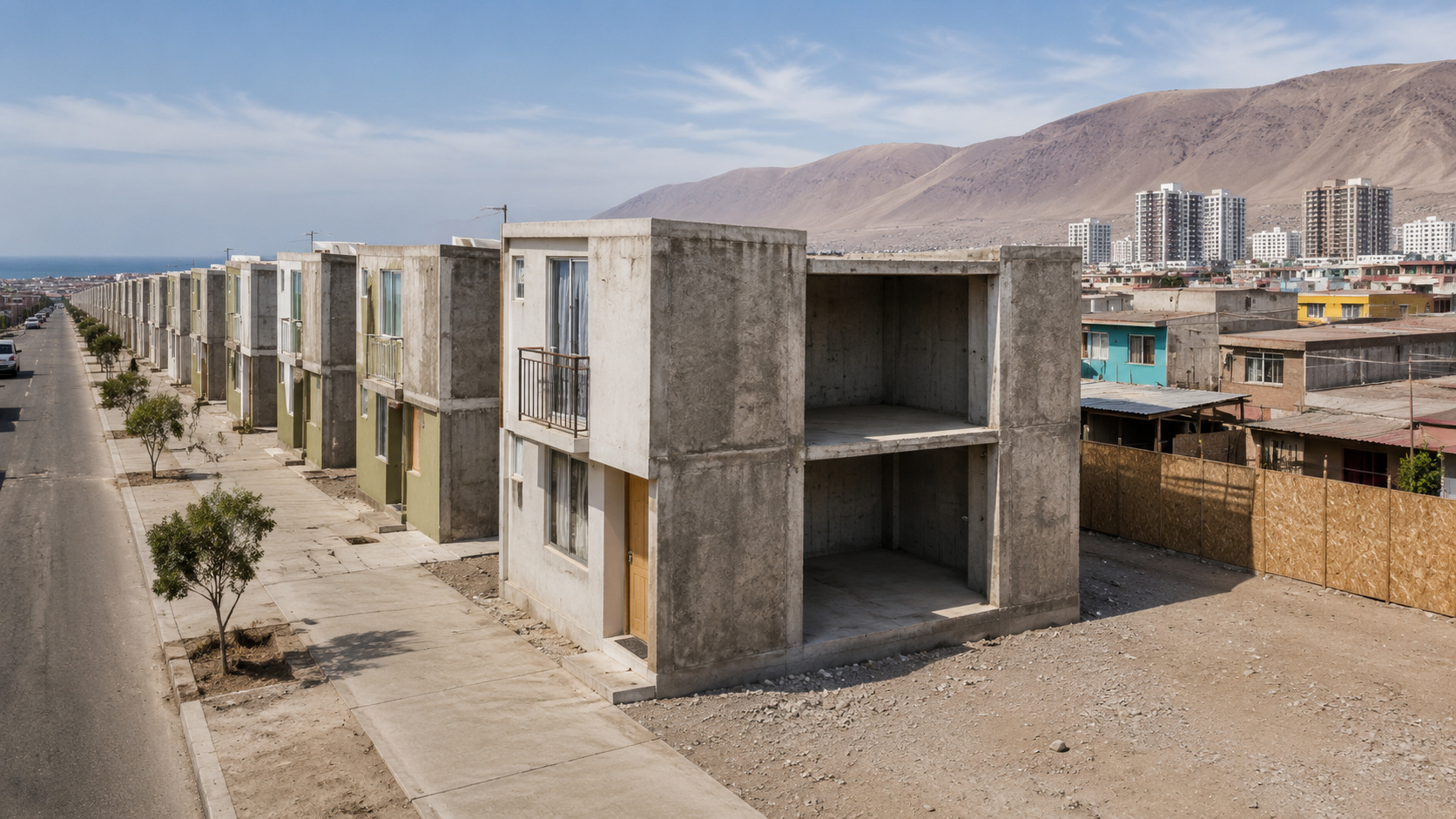
Instead of sending families far from the city, a project in Chile intentionally created incomplete houses on expensive urban land and left technical space for each to grow.
-
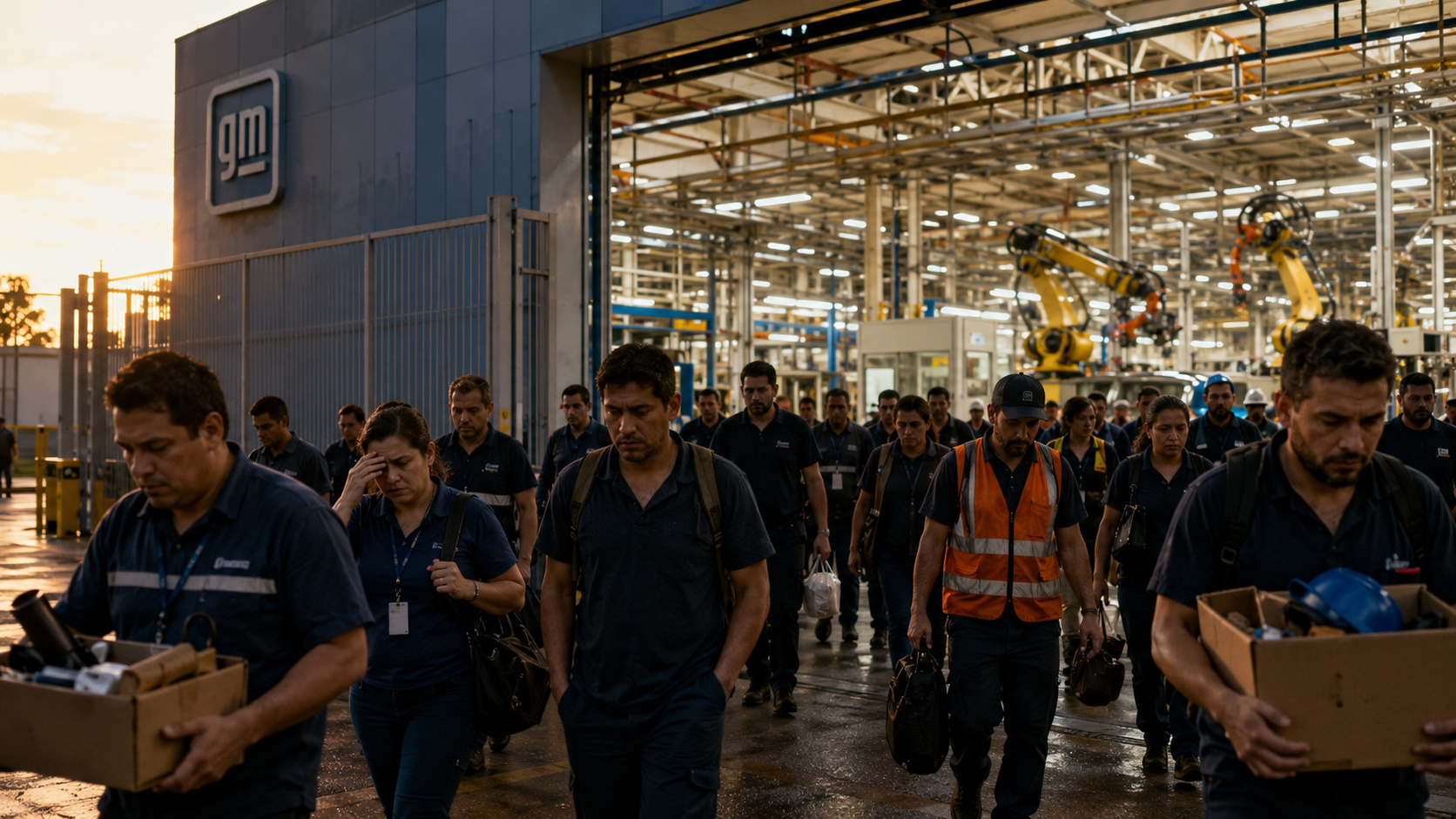
General Motors Replaces Over a Thousand Workers with 50 Cobots at Electric Vehicle Plant, UAW Union Criticizes Move Amid Industry’s Automation Push

In 2024, the country consumed about 22,100 tons of the ingredient, all sourced from abroad, according to the Brazilian Wheat Industry Association (Abitrigo).
Gluten Factory Will Be Strategic for the Agro-Industrial Sector
The new gluten factory will be located in a region considered strategic.
Passo Fundo is close to more than 170 municipalities in Rio Grande do Sul, which together account for more than half of the wheat crop in the state — the largest producer of the grain in the country, with an expected 3.8 million tons in the winter harvest, according to Conab.
The location of the unit allows for better utilization of local resources and reduces logistical costs.
In addition, the initiative aims to strengthen the national wheat chain, creating an industrial link that did not previously exist in the country.
National Production Should Exceed Current Demand
According to Be8, the new plant will have the capacity to produce 25,600 tons of vital gluten per year, exceeding the demand recorded in 2024.
The ingredient is obtained from wheat processing, and its main use is in baking, to enhance the elasticity and consistency of flour. It is also widely used in pharmaceuticals and cosmetics.
By nationalizing production, the factory is expected to reduce the foreign exchange exposure of the Brazilian industry and increase the competitiveness of food products in the domestic market.
Renewable Energy and Sustainability Are Part of the Project
The Be8 manufacturing complex goes beyond gluten production. It also plans to produce ethanol from wheat and triticale, as well as DDGS (Dried Distillers Grains with Solubles), used in animal feed.
The proposal integrates renewable energy and food production, reinforcing the company’s commitment to sustainable practices.
“This is a manufacturing park that integrates an important concept of renewable energy generation and food production, confirming that these two challenges can be overcome together,” emphasized Erasmo Carlos Battistella, president of Be8.
BNDES Reinforces Strategic Role of the Project
For the president of BNDES, Aloizio Mercadante, the financing of the factory marks an important advance in the food industry.
“With this pioneering plant financed by the Bank, Brazil will no longer be 100% dependent on the import of gluten and will take on a new strategic role in the wheat chain,” he stated.
The initiative represents a significant step toward making the country self-sufficient in the production of vital gluten, with economic, logistical, and environmental benefits.
The expectation is that the project will create jobs and further enhance the Brazilian agribusiness.
With information from Agro Estadão.