





 Portuguese
  English
  Spanish
  4 min of reading
  0 comments


Able to Pump Up to 3,300 m³/h, with 25 Bar and 160 m of Lift, the KSB MegaCPK Supports Irrigation on an Industrial Scale and Transforms Water Management in Agriculture.
Modern irrigation has ceased to be an accessory to farming and has become critical infrastructure. On properties that operate dozens of center pivots, large-volume reservoirs, and internal water conduits, the bottleneck is no longer field equipment, but the ability to move water consistently, under pressure, and reliably. This is where the KSB MegaCPK comes in, a process centrifugal pump designed for continuous and severe applications, now present in agricultural pumping stations that operate like true water plants.
When Water Becomes Logistics
In large-scale irrigation projects, water is logistics. Every meter of elevation, every kilometer of piping, and every curve add losses that need to be overcome. The MegaCPK was designed for this scenario: flow rates reaching 3,300 m³ per hour, pressures up to 25 bar and head greater than 160 m. These numbers are not marketing — they define what can be irrigated, where, and for how long, without interruptions.
Translating to the field: millions of liters can be continuously moved from rivers, dams, or wells to elevated reservoirs and internal networks, keeping pivots and pressurized systems operational even during critical demand periods.
-
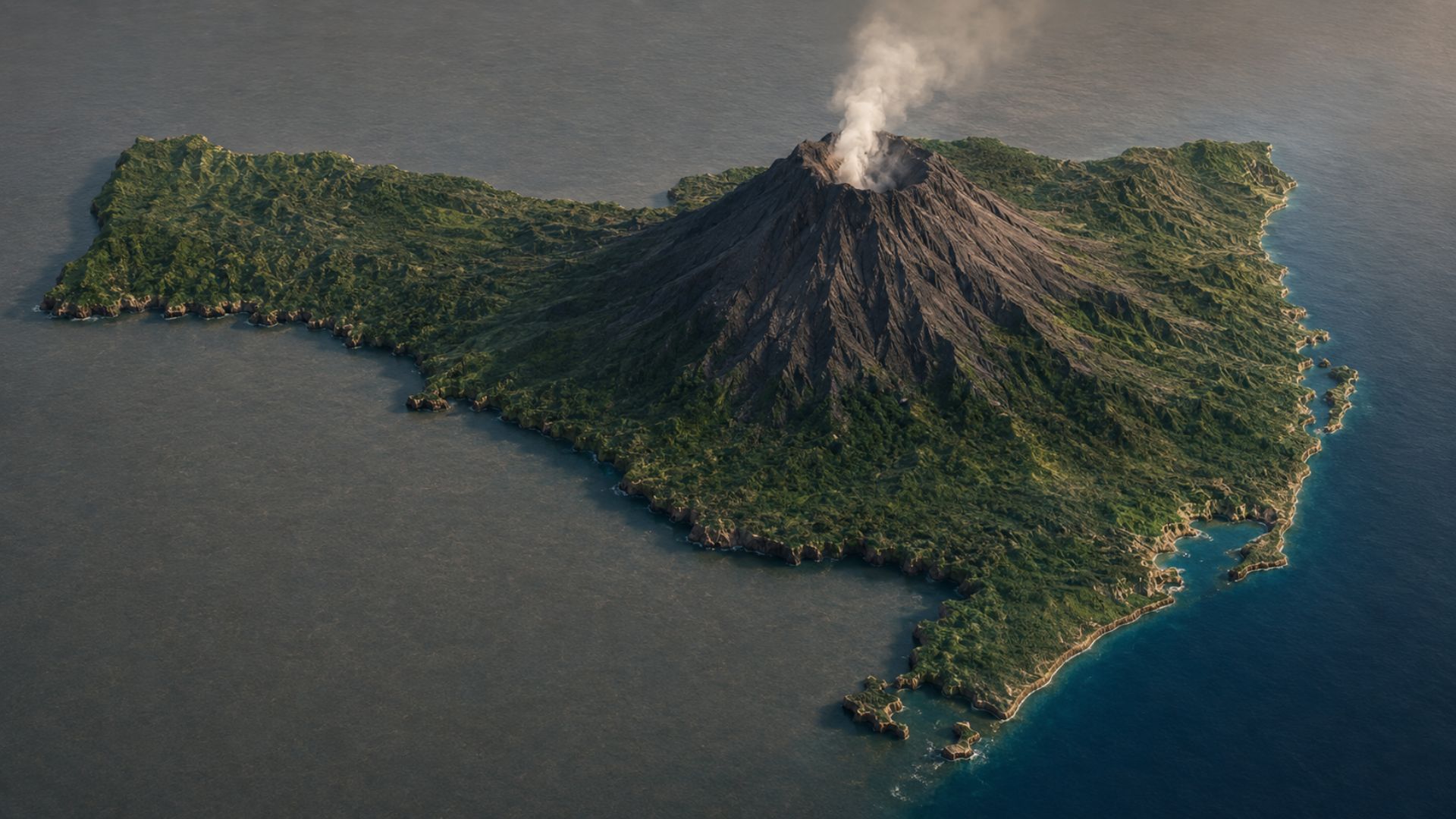
A 600-meter hill in the interior of Santa Catarina hides a volcanic past of almost 600 million years. The Morro do Garrafão in Corupá may have been an ancient extinct volcano, and science now confirms what the residents have always suspected.

-
Family has lived for over 50 years without electricity and running water at home in the South of Minas, 10 minutes from the city, improvising light, bath, and water while facing a lack of basic resources and awaiting property regularization.

-
Children from the 1980s and 1990s who spent hours playing in the street until dark naturally developed spatial intelligence, which today has become the subject of expensive courses, cognitive training, and modern methods of child and adult learning.

-
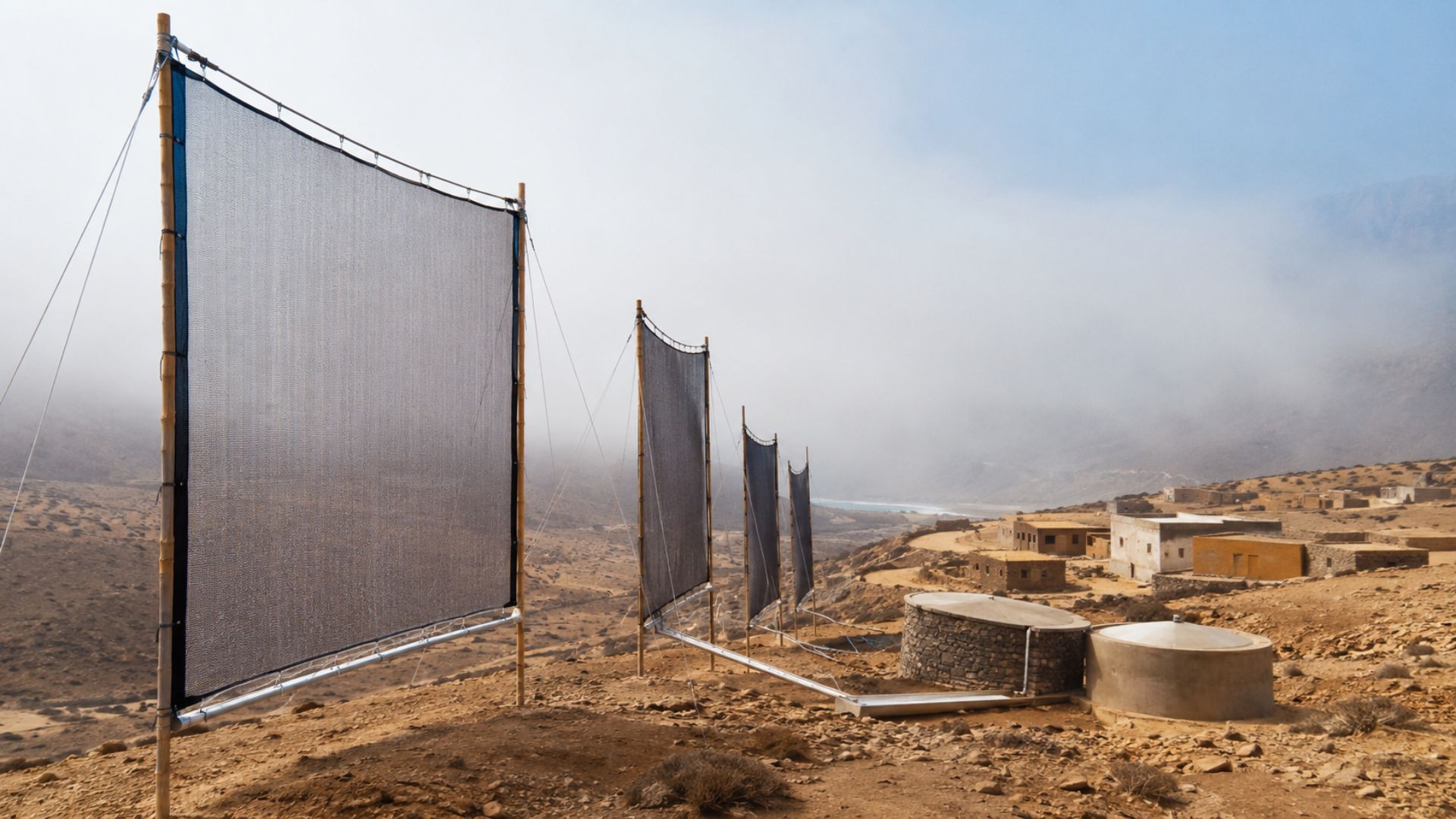
Without bombs, without electricity, and without drilling the ground, villages in southwestern Morocco have discovered how to extract water directly from the air using only polymer nets, wind, and the humidity of the Atlantic amidst the advancing desert.


The Heart of Pumping Stations
The MegaCPK does not work alone. In large-scale farms, it integrates pump houses with high-power electric motors, control panels, check valves, and pressure and flow instrumentation. The set is designed to run 24 hours a day, with safety margins that tolerate load variations and consumption peaks.
The hydraulic design of the pump — with optimized impellers and casing — enables high efficiency even in demanding regimes. This reduces heating, vibration, and wear, crucial factors to maintain availability when irrigation cannot stop.
Energy: The Invisible Cost That Decides the Project
Moving millions of liters per hour requires energy. Therefore, projects with the MegaCPK begin with electrical calculations. The power of the motor is defined by the desired flow rate, the height to overcome, and the system losses. In many properties, the solution involves dedicated substations, medium-voltage lines, and increasingly, in-house generation to stabilize costs.
Here, efficiency matters. Each percentage point gained on the pump curve translates into savings over entire harvests. In continuous operations, the difference between a well-dimensioned set and another at the limit appears quickly on the bill.
Pipes, Pressure, and Control
Pressures of up to 25 bar allow water to be pushed over long distances and supply extensive networks with stability. But pressure without control is a risk. Therefore, systems with MegaCPK use fine instrumentation, frequency inverters, and valves that adjust operation according to demand.
The result is uniform application at the end points, fewer ruptures, and greater pipe lifespan. In precision irrigation, this means the correct blade, less waste, and a quick response to climate changes.
Robustness to Operate When the Weather Gets Tough
Demand peaks often coincide with short windows of favorable weather. When rain fails and heat rises, the pumping station needs to deliver everything. The MegaCPK was designed for harsh environments, with materials and seals suitable for continuous operation, reducing unplanned downtime.
Practically speaking, this gives predictability to the producer: the water arrives when it needs to. And predictability, in agriculture, is a competitive advantage.
Maintenance: Prevent to Avoid Stopping
In systems of this scale, maintenance is strategy. The MegaCPK facilitates inspections, component replacements, and alignment, allowing preventive plans that avoid failures during critical periods. Vibration and temperature sensors help anticipate interventions, keeping availability high.
The logic is simple: stopping one pivot costs money; stopping several due to lack of pumping costs the harvest.
Environmental Impact and Responsibility
Pumping millions of liters per hour imposes responsibility. Well-executed projects consider permits, level monitoring, and application efficiency. By concentrating capacity in efficient pumps, pumping time and losses throughout the system are reduced, which helps balance productivity and sustainability.
The regulatory pressure increases with scale, and operational transparency — data on flow rates, operating hours, and energy consumption — becomes part of the business.
Why the MegaCPK Became a Reference
By combining extreme flow, high pressure and reliability, the KSB MegaCPK has become a cornerstone of modern agricultural pumping stations. It doesn’t “make it rain,” but ensures that the available water is delivered with industrial precision — exactly what makes the difference between depending on the weather and controlling climate risk.
The Picture of Agriculture That is Consolidating
The presence of pumps of this size shows how the field has evolved. The modern farm operates with heavy engineering, electrical planning, hydraulic design, and data management. Irrigation has stopped being reactive; it has become strategy.
In the end, the MegaCPK symbolizes this transition: when water begins to be treated as infrastructure, productivity ceases to be a gamble and becomes a project.





-

1 person reacted to this.