Portuguese
  Spanish


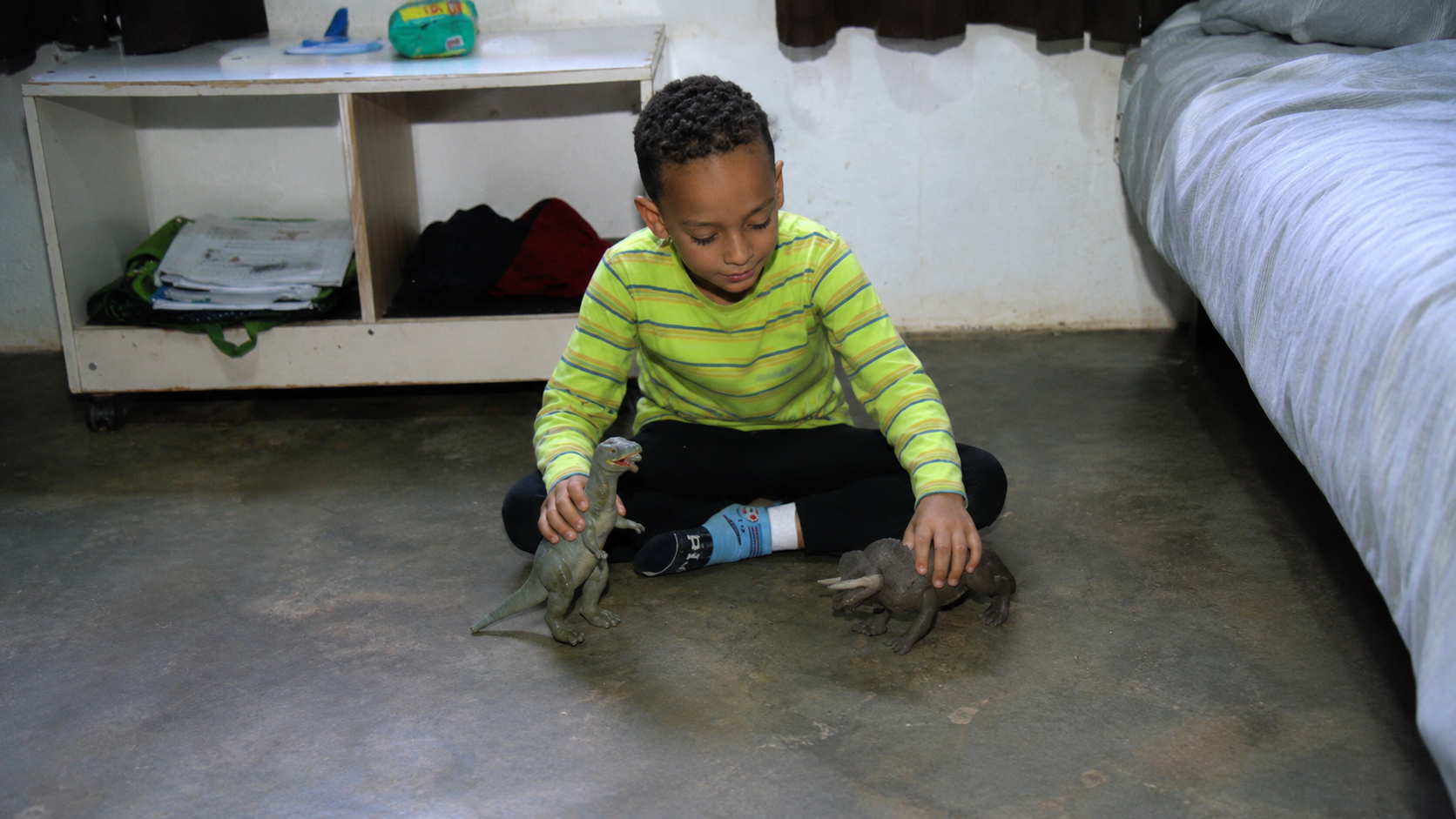

Aquagenic urticaria changed Miguel’s life, who feels burning when in contact with water, sweat, and tears
A rare condition began to reorganize the routine of a family in Mateus Leme, in Minas Gerais, after Miguel was diagnosed with aquagenic urticaria. The boy develops intense reactions when he comes into contact with water, sweat, or tears. The situation made simple childhood activities, such as playing, running, crying, and bathing, become moments of constant care. The mother, Isabella Ferreira, reported that her son feels a strong burning sensation when water touches his skin, which forced the family to adapt habits, school, hygiene, and home routine.
Rare diagnosis explains reactions to contact with water
The discovery of the condition occurred after the family realized that the reactions were not only linked to soaps, creams, or chlorine. Isabella even removed hygiene products from her son’s routine, but the symptoms continued to appear. The suspicion grew stronger when the mother tested pure water on Miguel’s skin and observed an intense reaction on the child’s body. From this episode, the family sought medical attention until reaching a diagnosis at a hospital in Belo Horizonte. The result confirmed aquagenic urticaria, a condition considered rare and marked by reactions triggered by contact with water.
Miguel’s routine requires vigilance against sweat and tears
The boy’s daily life now requires constant care to avoid situations that could trigger crises. Miguel needs to reduce activities that cause sweating, avoid intense physical exertion, and have any tears dried quickly when he cries. The mother reported that her son needs to stay very still to avoid sweating, almost as if he has to control every movement. This care directly interferes with playtime, school interaction, and the child’s freedom. Consequently, common childhood situations are now closely monitored by the family.
-
From Advertising Student to Havaianas Partner: João Boto Turns Açaí, Jambu, and Amazon River Dolphins into Sportswear with $200 Startup

-
São Paulo to Host Brazil’s Largest Military Aviation Museum, Aiming for Global Top Five by 2027 with 100 Aircraft Displayed
-
Entrepreneur Leaves Job After 20 Years, Invests Under $200 to Launch Sustainable Craft Store Inspired by Beeswax Wraps, Now Earning $7,000 Monthly

-
Long Island Home Found with Over 155 Animals, Including Sick Cats and Dogs Without Clean Water, Amid Strong Ammonia Odor Leading to Police Investigation


Regular bathing was replaced by adapted care
The traditional bath is also no longer part of the child’s routine. The family started using a sort of dry bath, with foam, sponge, and towel, to reduce direct contact of the skin with water. Even so, small amounts can cause discomfort and trigger a new reaction. Contact with water also causes difficulty at other times of the day. According to Isabella Ferreira, Miguel feels discomfort, headache, nausea, and burning in the throat when drinking water. This scenario shows how the condition affects both hygiene and the child’s basic needs.


Treatment brought improvement, but cost worries the family
The treatment has become the main hope for controlling the symptoms. After attempts with high doses of antihistamines, Miguel received a dose of the drug omalizumab, which brought improvement according to his mother’s report. After the first application, the boy managed to take a quick bath, about 30 seconds, with water. The moment was seen by the family as a great achievement after months of suffering. However, the cost of the medicine has become an obstacle. According to Isabella, each dose costs approximately R$ 4,500, and Miguel needs at least two applications per month.
Family tries to obtain medication through SUS
The family seeks to obtain the treatment through SUS because the monthly cost of the medication is beyond the financial reality of the parents. Isabella left her job as a cashier to take care of her son full-time. Miguel’s father works as a baker and supports the household on a minimum wage. Given this scenario, medical expenses have become even more burdensome on the family budget, leading the parents to rely on help and donations. The situation shows that a rare disease can affect not only the child’s health but also the financial and emotional structure of the entire family.
School also needed to adapt to the condition
With the symptoms more controlled, Miguel was able to return to school, but the return required special monitoring. The boy now has a monitor to avoid situations that could cause sweating or new crises. Participation in some activities also had to be limited, as physical exertion can pose a risk. This adaptation highlights how aquagenic urticaria directly interferes with school life, learning, and socialization. Even with restrictions, returning to school represents an important advancement in the child’s routine.
Chronic condition requires control and monitoring
Aquagenic urticaria is described as a chronic condition in the UOL VivaBem report, which means Miguel needs to maintain continuous care to reduce symptoms and avoid crises. The treatment does not represent a definitive cure, but it can help stabilize the condition and allow for small improvements in daily life. Access to the medication, therefore, has become a priority for the family. The boy’s story highlights the challenges faced by people with rare diseases and shows how diagnosis, medical monitoring, and family support are essential to preserving quality of life.
The future of Miguel’s routine
The family continues to seek alternatives to ensure more safety and comfort for the child. Controlling the symptoms can allow for simple achievements, such as taking a bath with less pain, attending school with greater peace of mind, and participating in activities with less risk. Even so, the routine remains marked by constant care and the need for continuous treatment.
What do you believe should be a priority: expanding access to high-cost medications for rare diseases or creating specific policies to support families living this type of routine?