






 Portuguese
  Spanish


Report made by the resident’s daughter led Glen Cove authorities to an unsanitary residence where animals lived in extreme risk.
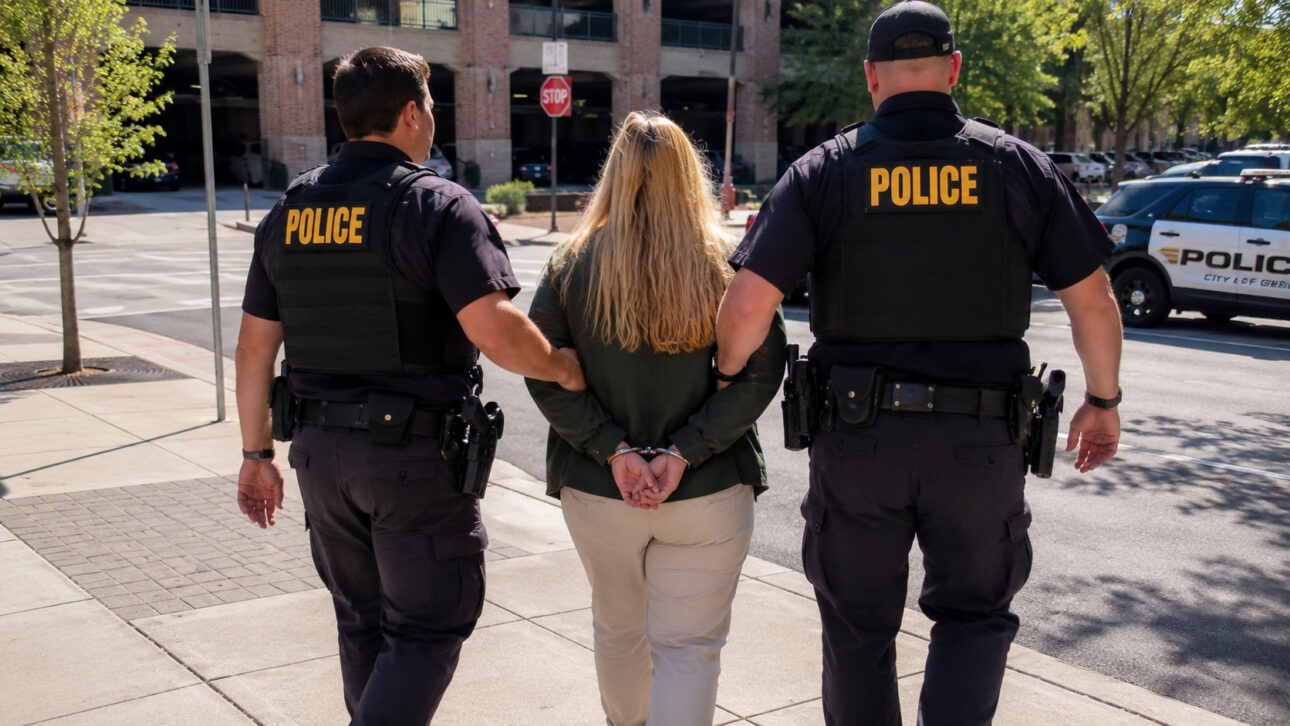
A large-scale operation in Long Island, United States, revealed a severe case of animal neglect inside a house in Glen Cove, in the Nassau County area.
More than 155 animals were rescued from a residence located on St. Andrews Lane, following a report made by the resident’s daughter.
According to the Glen Cove Police, the young woman expressed concern for her younger sister, who lived in the property amidst dozens of animals kept in unsanitary conditions.
-
Brazilian Army’s Survival Kit Sustains Soldier for 12 Hours Without Cooking, Includes Stove, Fuel Gel, and Matches for Remote Missions

-
Meet Coraline: A 17-Year-Olds’ Animatronic Robot with 20 Servomotors and a Camera, Showcasing Brazilian Artistic Robotics
-
769 BMWs Arrive in Brazilian Port, Boosting Vehicle Imports to 16,200 in 2026 Amid Cargo Operations Resumption
-
Track&Field: From a School Project in São Paulo to a Leading Premium Sportswear Brand with Over 360 Stores and $270 Million in Revenue





The operation took place on June 9, 2026 and mobilized local agents, animal protection teams, and veterinary services.
House had cats, dogs, and strong ammonia smell
Inside the property, authorities found a dangerous environment for humans and animals.
There was feces, accumulated urine, dirt, and a strong concentration of ammonia in the air.
According to reports cited by the New York Post, police said there were cats all over the house.
Many animals were debilitated, without basic care, and exposed to a toxic environment.
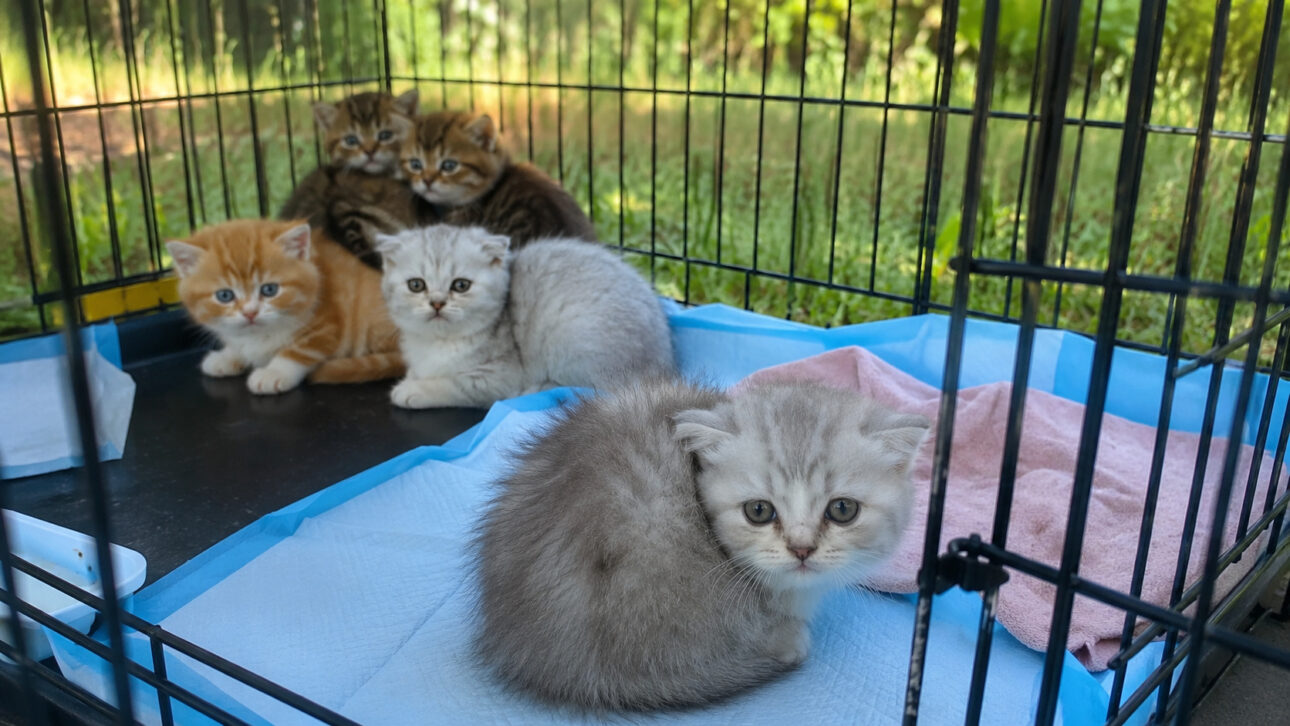
Among those rescued were more than 150 cats and two dogs.
Additionally, 43 felines were found in critical health condition, requiring immediate veterinary care.
Animals were without adequate food and clean water
The situation also indicated a lack of safe feeding and adequate hydration.
According to the criminal complaint cited by the New York Post, the available food was unsuitable for the animals’ nutrition.
The food was contaminated with dirt, feces, and other debris.
The two dogs found in the house also did not have adequate access to food or clean water.
According to authorities, there was only a kiddie pool with green and dirty water, used as a possible source of hydration.
The water was deemed unfit for human and animal consumption.
An animal was found dead inside the residence.
Another died during transport for veterinary care.

Authorities continue trying to locate other cats
Even after the rescue of 155 animals, the operation may still continue.
According to Patch, the Nassau County Society for the Prevention of Cruelty to Animals, known as NCSPCA, believes that some cats may still be loose on the property.
These animals would have access to the outdoor area and could be hiding around the house.
Detective Brian Wasserman of the NCSPCA stated that teams will continue using traps.
According to him, the work will continue until all remaining animals are located.
Legal proceedings against resident advance
The resident was identified as Alena Horbatko, 54 years old.
According to Patch and the Nassau County District Attorney’s Office, she faces 67 counts of animal cruelty.
There are also charges related to reckless endangerment and child neglect.
At the hearing held on June 9, 2026, at the Glen Cove City Court, Horbatko pleaded not guilty.
The court ruled that she cannot possess animals while the case is ongoing.
The next hearing is scheduled for August 10, 2026.
Glen Cove Community Helps Rescued Animals
The case mobilized residents and public officials of Glen Cove.
Some survivors have begun receiving temporary homes and local support.
Municipal employee Sue Tripp was one of the first people to adopt a rescued puppy.
She told Patch that it was impossible not to want to help in the face of the situation.
Meanwhile, some of the animals remain under veterinary care and in the process of recovery.
The case reinforces the importance of quick reporting in situations of animal cruelty, especially when children may also be at risk.
Do you believe that cases of animal neglect should have stricter oversight before reaching extreme situations? Leave your opinion!


