Portuguese
  Spanish


Bradesco Reports Billion-Dollar Profit and Expansion of Customer Base in 2024, but Implements Significant Staff Cuts and Closes Hundreds of Branches, Raising Criticism About Impacts on In-Person Service and Overload on Workers.
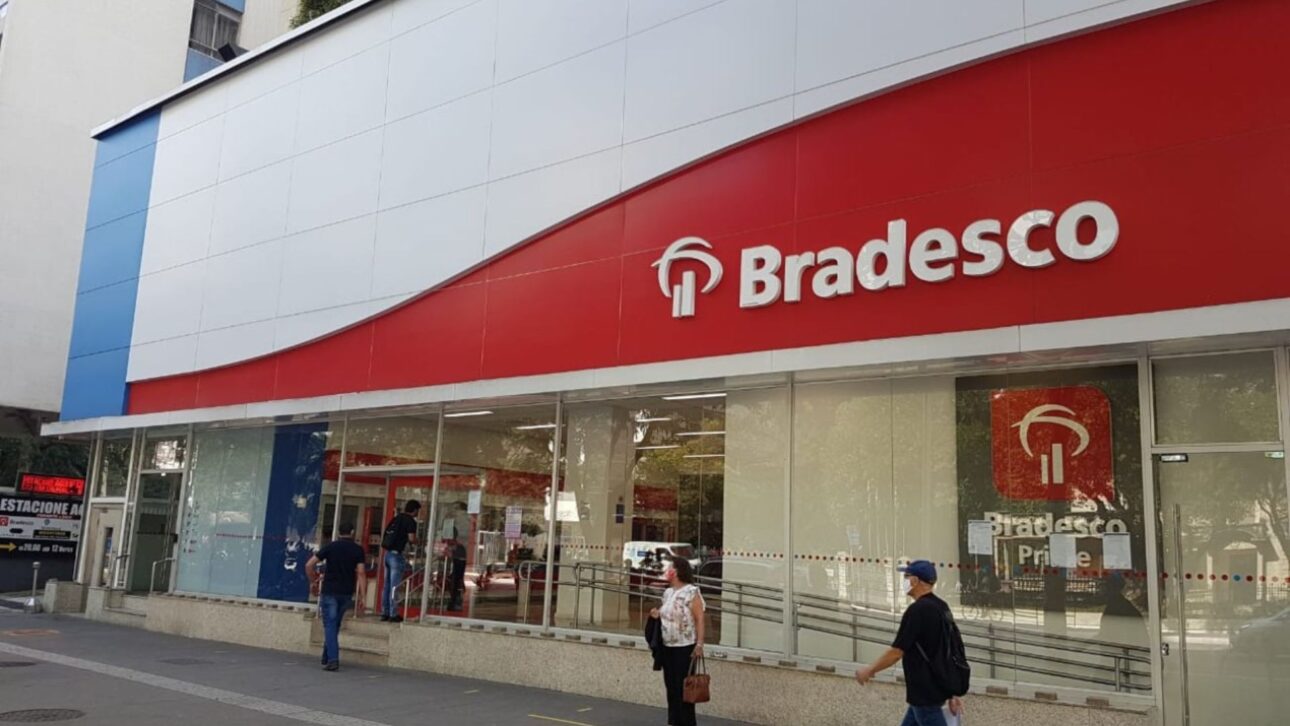
Bradesco ended 2024 with 2,200 fewer job positions and 390 fewer branches, despite a net recurring profit of R$ 19.6 billion for the year, a rise of 20% compared to 2023, and an increase in the customer base per employee.
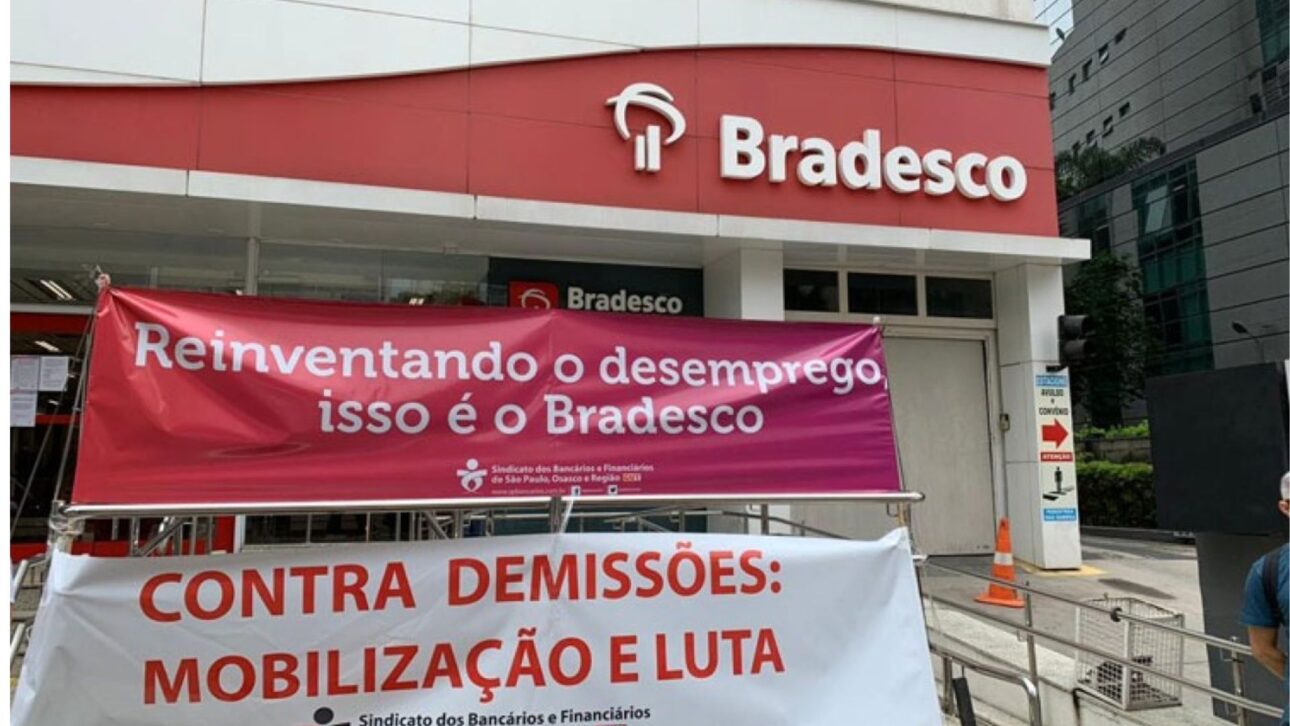
The Banking Union of São Paulo revealed last Wednesday (06) that it held a protest in Parelheiros, in the southernmost part of the capital, following reports of long lines and a reduction in ATMs at the local branch.
During the same period, the institution expanded its customer base by 3.2 million people, totaling 109.1 million customers.
-
Internship vacancies in 2026: New selection process by ArcelorMittal Tubarão offers scholarships of up to R$ 1,100 for interns and reinforces investments in talent development for the industry, connecting education, technology, and professional development on a large scale.

-
2,653 job vacancies through Sine-RO, with 419 new opportunities this week, 81 openings for apprentices, and Ji-Paraná leading the list of hires in Rondônia
-
46 job openings are available with salaries up to R$ 2,500, benefits such as meal vouchers, medical assistance, and opportunities with no experience required in Cajamar.
-
642 job openings this Wednesday: candidates need to bring original documents, resume, vaccination certificate, and pay attention to the entry rules at the posts in Manaus.


Cuts and Physical Restructuring
According to the bank’s financial report, the closure of Bradesco branches was accompanied by the termination of 903 service points and 92 business units.
The reduction in workforce occurred amid an operational reorganization cycle that prioritizes digital channels and revises the physical network.
There was no specific statement from the bank regarding the impacts of the restructuring on in-person service in the material submitted.
Profit and Expansion of the Customer Base
The net recurring profit — an indicator that excludes extraordinary effects to portray business performance — totaled R$ 19.6 billion in 2024, an increase of 20% year-over-year.
The active customer base grew by 3.2 million customers between December 2023 and December 2024, reaching 109.1 million registrations.
This growth occurred while the closure of Bradesco branches intensified, which increases the pressure for operational efficiency in the remaining units.
More Customers per Employee
The ratio of customers per worker rose from 1,227.6 in 2023 to 1,298.6 in 2024, an increase of 5.7% (an addition of 71 customers per employee).
This indicator shows that with fewer people and fewer physical locations, each employee has to handle a larger portfolio.
This is a central piece of data to understand why complaints multiply when there are layoffs at Bradesco alongside simultaneous expansion of the customer base.
Protest and Reports of Service
During a demonstration held this Wednesday (6) in Parelheiros, the Banking Union of São Paulo denounced the combination of layoffs at Bradesco and the reduction of self-service terminals.
“It is evident that the number of employees in this branch is insufficient for good service. The unit experienced lines and customer complaints throughout the event. We had already received numerous complaints due to the decrease in the number of ATMs in this branch, resulting in long lines and delays in service, which particularly affects the elderly who need assistance to use the BDNS,” reports Matheus Pinho, union leader and banker at Bradesco.
According to the union, the situation in Parelheiros is a reflection of problems that are repeating in other locations after the closure of Bradesco branches.
Overload and Effects on Workers
The entity claims that the reduction in workforce leads to overcrowding and increases the risk of illness associated with stress and overload.
“The concrete result of layoffs and branch closures is overcrowding and work overload, which generates illnesses among bankers and poor service to the public. We will continue to denounce this misguided management that only benefits shareholders and bank controllers, to the detriment of the suffering of workers and customers, who are precisely the main contributors to the bank’s billion-dollar profit that grew by 20% just in 2024,” states Matheus.
The reports collected indicate a decline in service quality for elderly people and those less familiar with digital channels, especially where there were layoffs at Bradesco and cuts in ATMs.
What Is Behind the Reconfiguration
The restructuring of banking retail has been marked by prioritizing digital channels, automating processes, and concentrating services in regional hubs.
In this context, institutions opt to redesign branches, reduce fixed costs, and accelerate the migration of operations to apps and internet banking.
Though this movement is sectoral, the intensity of the closure of Bradesco branches in 2024 drew attention because it coincided with rising profits and a strong customer base, generating reactions from unions and parts of the clientele.
Impacts on In-Person Service
When the physical network shrinks, services such as assisted withdrawals, in-person guidance, and addressing complex demands tend to concentrate in fewer locations.

This typically elongates waiting times in peripheral regions and in cities with lower agency density.
The increase in the number of customers per employee, combined with layoffs at Bradesco, puts pressure on targets, increases lines, and may affect the quality of user experience — especially on high-traffic days, such as payment dates for benefits and due dates.
In the protests, the union cites incidents of long lines and terminal reductions, which would have intensified complaints.
With rising profits and a growing customer base, are the closures of Bradesco branches and layoffs at Bradesco a sustainable path to ensure efficiency without worsening in-person service, or do you think this model already compromises access to banking services, especially for the elderly and residents of peripheral areas?