Portuguese
  Spanish


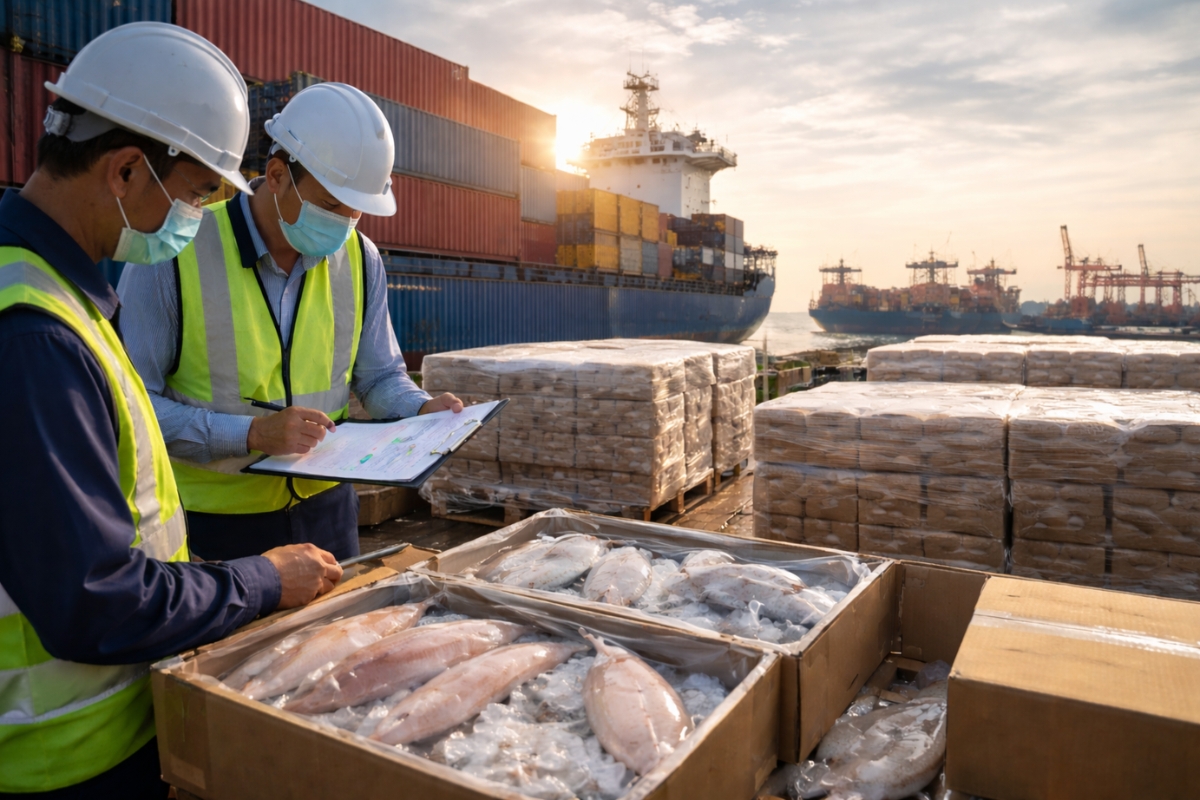

Vietnam Virus Alert Shakes Agribusiness in Brazil in 2026, Sector Calls for Import Suspension and Pushes for Action to Preserve Production and Consumer Prices
A meeting in early February 2026 put the topic on the table: blocking the entry of processed products from Vietnam. The goal is to reduce sanitary risk and halt a commercial advance that pressures the local industry.
On the state board, the decision impacts taxes, jobs, and production pace. The most immediate consequence is the impact on prices and the predictability of the internal market.
Meeting in Early February 2026 Lit the Signal in São Paulo
Representatives of the sector met with the São Paulo Agricultural Secretariat at the beginning of February 2026. The agenda was to address the import of processed products from Vietnam as a sensitive point for the production chain.
-
Lenovo Unveils Legion Y700 Tablet with RGB Backlighting, 5G, and SIM Card Support
-
Lenovo Unveils Legion Y700 Tablet with RGB Backlighting, 5G, and SIM Card Support
-
Northern Brazilian City Prepares Task Force to Mitigate El Niño Impacts with Stockpiled Fish, Drone Monitoring, Firefighting, and Water Supply Reinforcement in Remote Areas

-
Brazil to Issue “Panda Bonds” in China, Aiming to Raise Up to 5 Billion Yuan at Lower Interest Rates Than Dollar Debt

The reading is strategic: when control fails, the cost appears quickly. The risk spreads across the industry, contracts, and supplies that reach the consumer.
Biosafety Enters as Priority and Changes the Pressure Level
The central argument is biosafety, with warnings about highly contagious pathogens in foreign chains. The concern is to prevent a sanitary event from crossing borders and disrupting the local production system.
The potential impact is described as broad, with risks of disruptions, economic losses, and instability in supply. In a large-scale market, any rupture turns into political and economic pressure.
According to PEIXE BR, Brazilian Association Representing Aquaculture Producers, Sanitary Risk Demands Immediate Blockage
The entity advocated for blocking imports as a preventive measure, citing the need to protect an area considered free from the problem. The focus is to maintain the sanitary barrier before an incident turns into a crisis.
The logic is simple: when the risk enters, the cost remains. And the response tends to be more expensive than prevention, with a direct impact on production and the processing chain.
Santa Catarina Has Already Restricted and Sets a Precedent for São Paulo
The topic gained strength because Santa Catarina has already prohibited the trade of Vietnamese products, creating an internal precedent. For São Paulo, the gesture amplifies the political weight of the decision and reinforces the sense of regional coordination.
In regulatory chess, each state that moves alters the market’s perception. The trend is to elevate the dispute over rules and control over the flow of imports.
Total ICMS Exemption on Imported Goods Widens Economic Distortion
In addition to sanity, there are complaints about fiscal asymmetry: producers in São Paulo face an ICMS burden in production and circulation, while imports arrive with total exemption. The effect is competition with artificially reduced costs.
The consequence shows up at the industrial end, putting pressure on processing plants and on jobs in the interior. In the short term, the local sector loses momentum to invest and sustain production capacity.
Measures May Be Announced in the First Quarter of 2026 and Reposition the Market
The expectation is for the announcement of actions in the first quarter of 2026, with a review of incentives and reinforcement of sanitary criteria. The discourse is about economic defense and supply security, not a free barrier.
If the change comes, the state repositions its influence in the internal market and raises the level of control over imports. The movement pressures the region and changes the strategic reading.