Portuguese
  Spanish


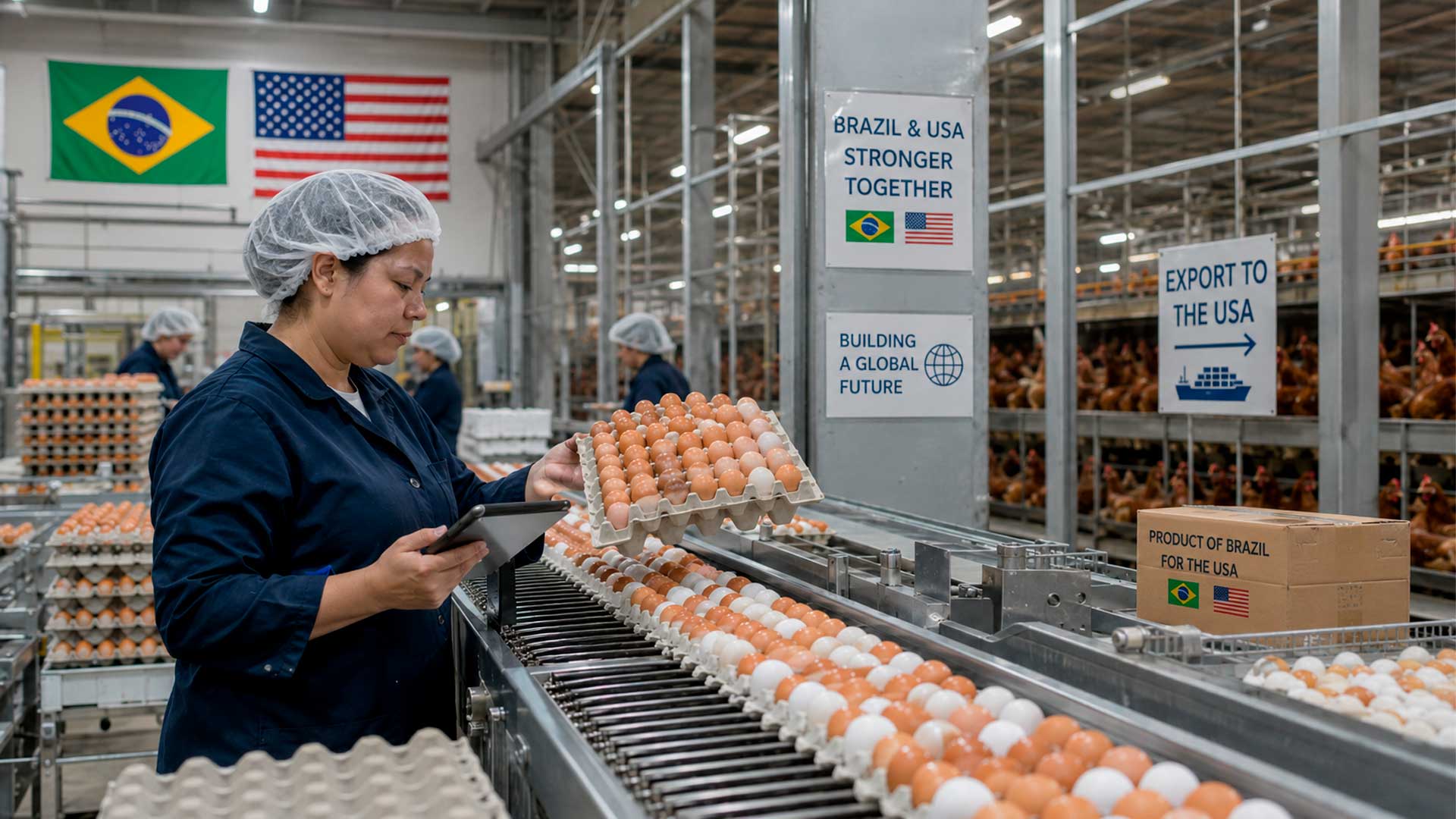

Brazilian company accelerates international expansion after acquiring Hickman’s Egg Ranch, strengthens presence in the North American market and bets on scale, dollar, and cage-free eggs
Mantiqueira advances in one of the most strategic moves in the global egg sector. With JBS as a partner, the Brazilian company aims to reach 10 million hens in the United States by the first quarter of 2027, while reorganizing assets acquired after losses caused by avian flu.
The expansion occurs in a sensitive market for consumers, the food industry, and retail. In recent years, the United States has faced pressure on egg supply, impacting prices and flock replenishment.
According to Agrimídia, the company already maintains about 6 million birds on American soil and is working to complete the repopulation of farms. The plan positions Mantiqueira in a more aggressive competition for space among the largest egg-producing groups in the world.
-
From a 12-square-meter room to leading a $4.8 billion fuel empire with over a thousand stations

-
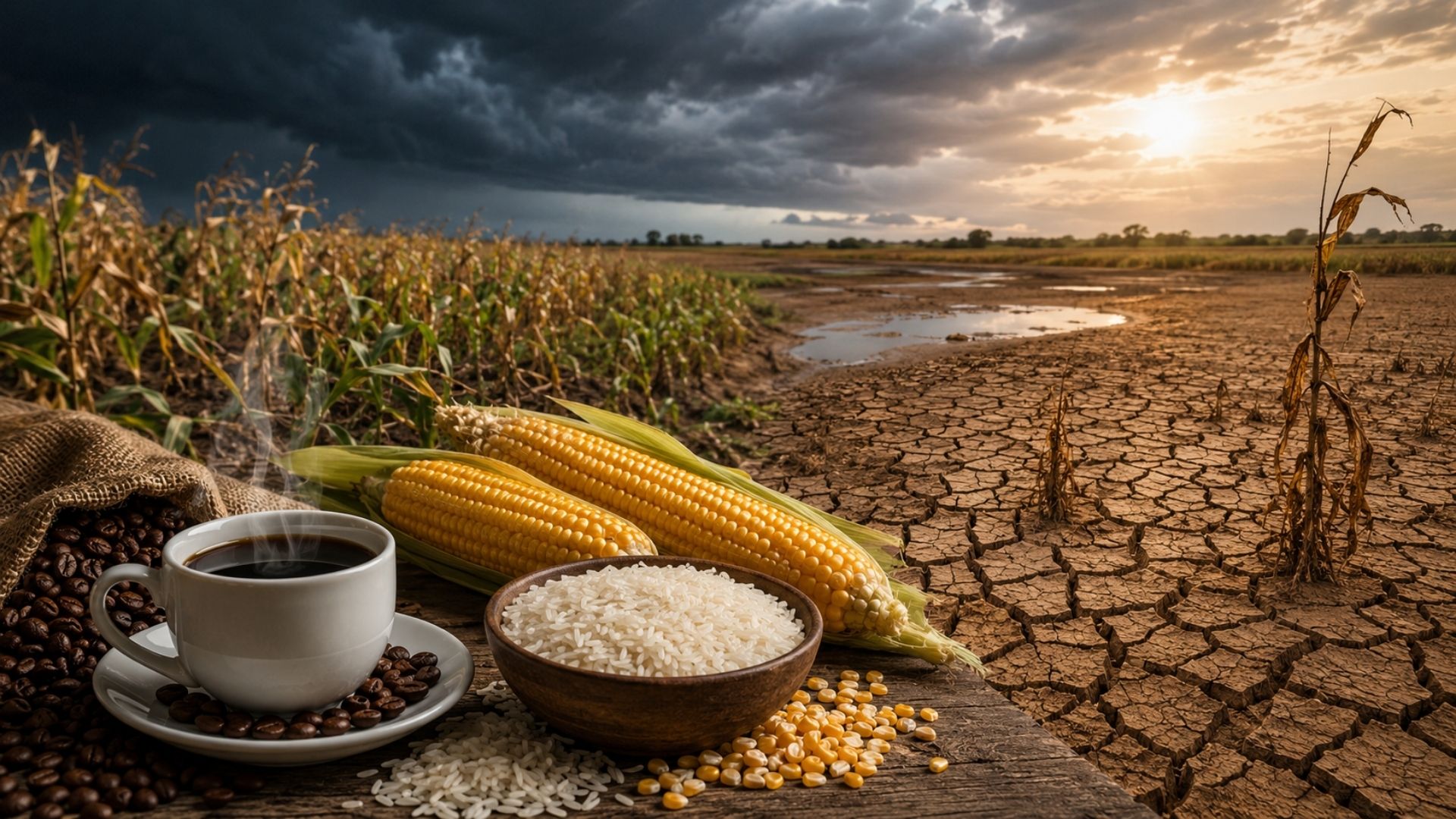
El Niño Threatens Brazilian Food Production, Economists Predict Rising Prices for Coffee, Corn, and Rice
-
Brazil’s First Freight Railway Built from Scratch, EF-118 Connecting Espírito Santo to Rio de Janeiro, Goes to Auction in October Attracting Chinese Giant in Multi-Billion Dollar Bid for Southeast Rail Network

-
Audit in Rio de Janeiro’s State Government Uncovers Ghost Employees Across All 77 Departments, Leading to Over 4,000 Dismissals and Significant Cost Savings




The move also shows an important change in Brazilian agribusiness. Instead of relying solely on exports, Mantiqueira begins to produce within one of the largest consumer markets on the planet, reducing commercial risks and earning revenue in dollars.
Partnership with JBS changes Mantiqueira’s scale in the egg sector
The entry of JBS into the business was the turning point to accelerate Mantiqueira’s internationalization. According to Reuters, JBS announced in January 2025 the purchase of a stake in Mantiqueira Alimentos, in a transaction that valued the company at R$ 1.9 billion and marked the food giant’s entry into the egg sector.
Through the transaction’s structure, JBS began to share control of Mantiqueira with founder Leandro Pinto. In practice, the egg producer gained access to capital, financial structure, global supply network, governance, and support in areas such as research, development, and management.
This type of support is relevant because egg production requires scale, efficient management, sanitary control, and logistical predictability. In a market pressured by costs, sanitary outbreaks, and consumption changes, larger companies tend to have more capacity to weather periods of instability.
The partnership also expands JBS’s own diversification. The company, known for its operations in beef, chicken, pork, and other protein segments, begins to compete in a category of recurring consumption that is highly present in family routines.
Acquisition of Hickman’s paved the way for strong entry into the United States
The expansion in the United States gained momentum with the acquisition of Hickman’s Egg Ranch, a traditional American egg producer. In a statement released in 2025, JBS announced that Mantiqueira USA had reached an agreement to acquire the company, described as one of the leading producers in the Mountain and West Coast regions of the US and part of the group of the 20 largest egg companies in the country.
Hickman’s had regional relevance and a consolidated structure but was severely affected by an avian influenza outbreak. The loss of a large part of the flock opened the way for an operational reconstruction under new management, focusing on repopulation, efficiency, and reorganization of the farms.
According to Bloomberg Línea, Leandro Pinto stated that the recovery of the acquired operation in the US is about 60% complete. The executive also said that upon completing this stage, Mantiqueira could enter the group of the four or five largest egg producers in the world.
The strategy is not simply to buy assets and increase volume. The plan involves recovering production, adjusting processes, replenishing birds, expanding capacity, and strengthening the commercial presence in an already established market.
In addition to Hickman’s, Mantiqueira also advanced in controlling assets in the US, including a stake related to Colorado Eggs. This type of movement reinforces the intention to grow both through acquisitions and organic expansion, depending on cost and market opportunity.
American egg market undergoes transition after sanitary pressure and consumption change
The United States market is attractive but also complex. According to data from the United Egg Producers, American table egg production totaled 90.1 billion units in 2025, a decrease of 3.2% compared to 2024, in a scenario affected by sanitary challenges and supply disruptions.
Highly pathogenic avian influenza was one of the factors that most pressured the chain. When farms are affected, replenishment does not happen immediately, as it is necessary to repopulate facilities, resume production, and reestablish laying cycles.
This environment creates both risk and opportunity. For consumers, the consequence usually appears in shelf prices. For capitalized companies with execution capacity, periods of disorganization can open space for asset purchases, entry into new markets, and market share gains.
Another important point is the advancement of eggs produced in cage-free systems. According to the USDA, this segment is monitored in specific reports that track prices, flock size, weekly production, and retail data, indicating that the category has gained relevance in the American market.
In Brazil, this model is also growing, but still at a different pace. For Mantiqueira, operating in the United States means dealing with consumers, retailers, and industrial buyers who are already more accustomed to animal welfare and traceability requirements.
Production in dollars reduces dependence on exports and strengthens global strategy
The physical presence in the United States changes Mantiqueira’s financial logic. Instead of selling only from Brazil to other markets, the company starts to have local revenue in dollars, which helps reduce exposure to trade barriers, exchange rates, and sudden changes in import rules.
This point is central for a company that wants to consolidate globally. Exporting is important, but operating within the consumer country allows for greater proximity to customers, adaptation to local standards, and quicker response to retail and industry demands.
Today, most of Mantiqueira’s business is still in Brazil. The company has about 17 million birds in the country and is working to reach up to 20 million by the end of the year, keeping the Brazilian base as the main axis of production.
In the United States, annual production is already estimated at 1.3 billion eggs, while in Brazil it is around 4 billion eggs per year. These numbers show that the American operation is still smaller but has significant growth potential within the long-term strategy.
The expansion also aligns with the moment of Brazilian agribusiness, which seeks to go beyond the export of commodities. In the case of Mantiqueira, the move represents the entry of a national company into a sophisticated, competitive chain strongly linked to daily consumption.
Mantiqueira aims for leadership, but sanitary challenge will remain at the center of the business
Despite the global ambition, Mantiqueira’s advancement in the US will depend on factors beyond capital and scale. Animal health, biosecurity, feed cost, labor, energy, transportation, and consumer acceptance will be crucial to sustain the operation.
Avian influenza remains a structural risk for global poultry farming. Therefore, modern farms need to invest in access control, bird monitoring, strict cleaning protocols, and operational separation to reduce the risk of spread.
There is also an image challenge. Consumers want affordable prices, but part of the market demands more transparency about animal welfare and food origin. This pressure favors companies capable of producing on a large scale without losing sanitary control and quality.
For Mantiqueira, the goal of 10 million birds in the US is more than a number. It represents an attempt to transform a Brazilian producer into an international egg platform, supported by one of the largest global food companies.
If the plan is executed on time, the company may strengthen its position among the big names in the industry. The question is whether accelerated growth will be accompanied by sanitary stability, cost competitiveness, and the ability to deliver eggs in an increasingly demanding market.