





 Portuguese
  English
  Spanish
  2 min of reading
  0 comments


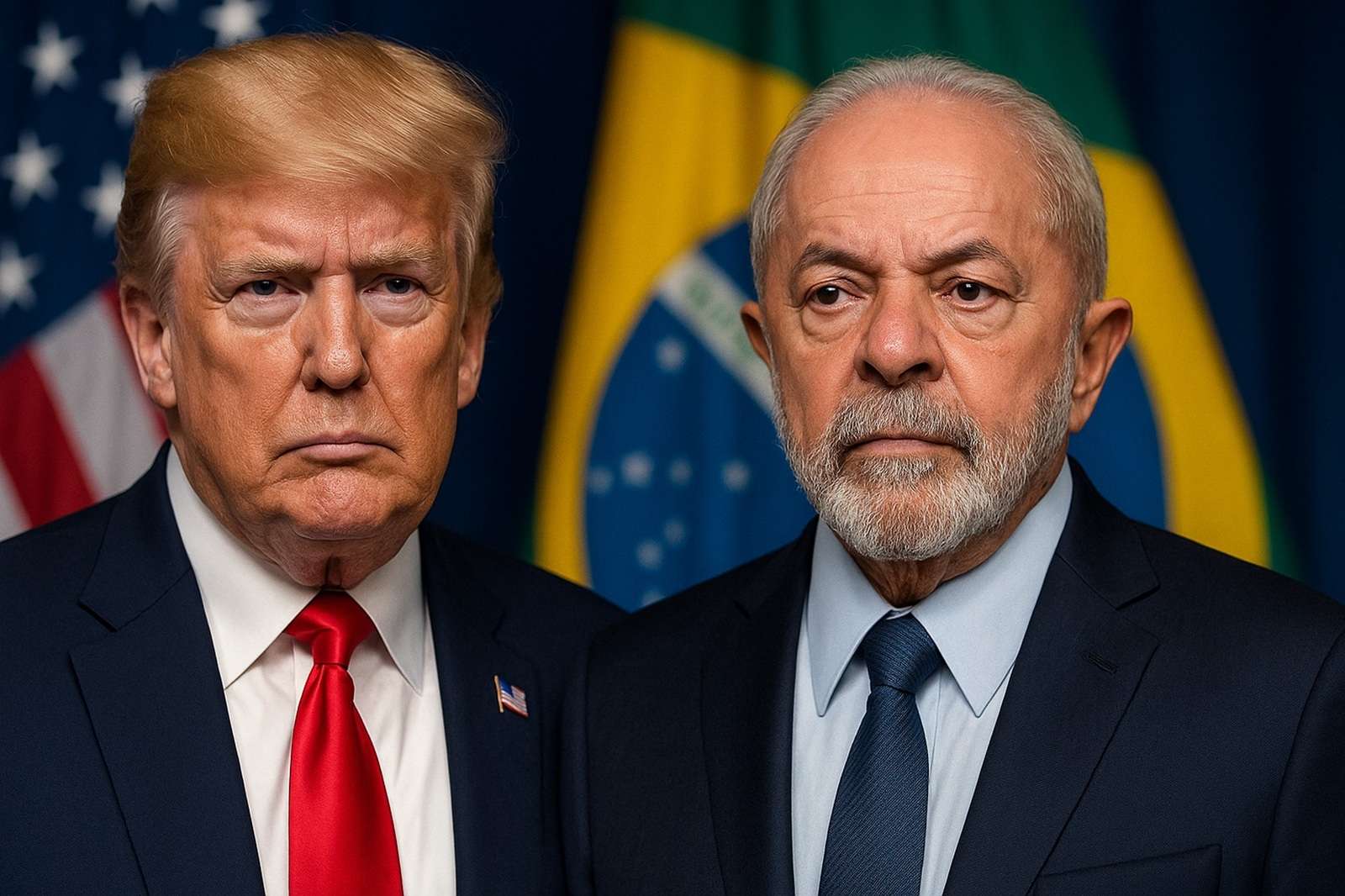
The Decision of the Brazilian Government Seeks to Preserve Diplomatic Dialogue With the United States, While Camex Extends Deadline to Assess Possible Trade Retaliation
The federal government decided to postpone the application of the Economic Reciprocity Law against the United States, amid signs of diplomatic rapprochement between the two countries.
The measure came after statements from Donald Trump about a possible direct dialogue with President Luiz Inácio Lula da Silva (PT), which led Brazilian authorities to act cautiously to avoid compromising the reopening of bilateral talks.
Meetings and Diplomatic Caution
The Executive Committee of the Foreign Trade Chamber (Gecex) had up to 30 days to prepare a report and define Brazil’s retaliation strategy.
-
PCC and Comando Vermelho enter the U.S. terrorism list and the Brazilian market is already trying to understand where this might hit first.

-
The military’s preschool assistance receives an 8.6% adjustment and now has a new value throughout Brazil, expanding financial support to Armed Forces families at a time of rising educational costs.
-
Celso Portiolli flies over a beach in SC by helicopter, calls the destination the ‘diamond of Brazil’ and buys an apartment for up to R$ 2.4 million in a city of 27,000 inhabitants that moved R$ 4 billion in real estate.

-
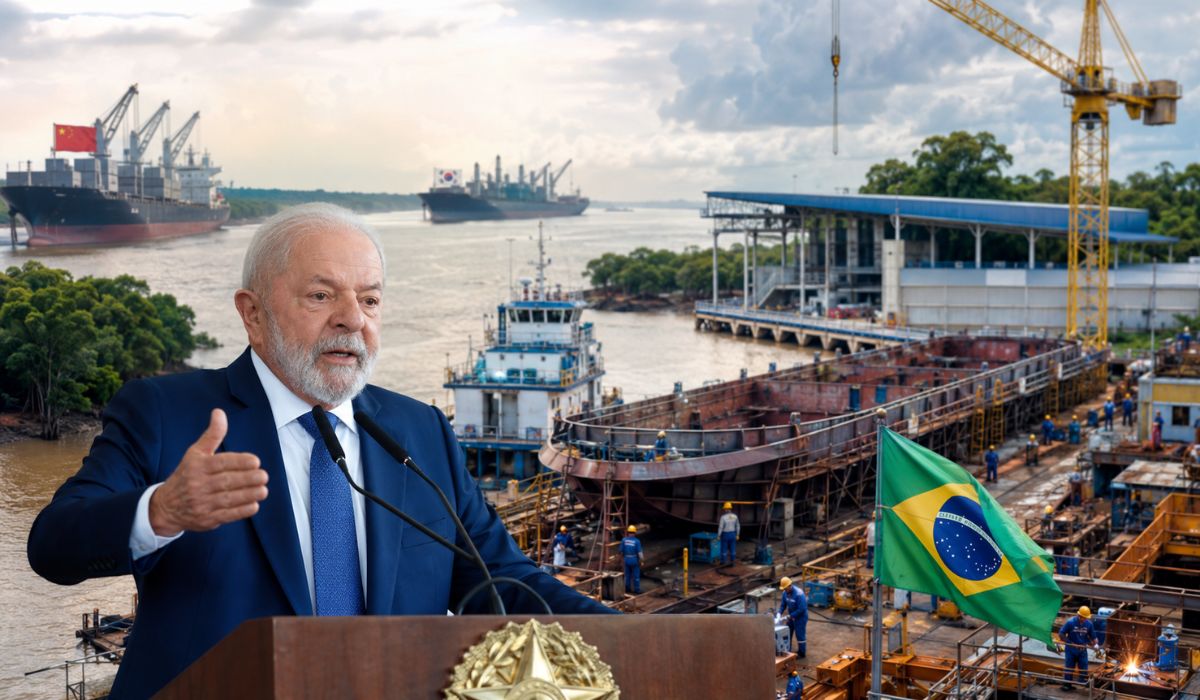
Lula says that the Brazilian naval industry will “thrash” China and Korea, while the government announces billions for barges, pushers, and a new hydro terminal in the Amazon.


The main decision was to extend the deadline for the submission of the report assessing the application of the Reciprocity Law against the United States for another 30 days, in response to the 50% tariff imposed by the Trump administration on Brazilian products.
Last week, the committee met to discuss the issue, but the vote on the application of the law against the U.S. did not progress. A new Camex meeting may occur later this week.
Government and diplomatic sources state that the postponement was due to behind-the-scenes negotiations, aimed at not creating obstacles to the rapprochement between Lula and Trump.
Furthermore, Gecex members believe that any reciprocity could lead to new U.S. sanctions, increasing risks to trade between the countries.
Impact of Trump’s Statements
The postponement gained traction after Trump’s remarks at the U.N. General Assembly.
The U.S. president reported having a brief interaction with Lula and noted that both agreed to talk this week.
Diplomats emphasize that, given the possibility of a meeting, Brazil should exercise heightened caution in any measures that could jeopardize this dialogue channel.
In this context, the application of the Reciprocity Law, which would imply trade retaliation, became an even more sensitive topic.
The Brazilian government prefers to wait for the developments of the rapprochement before proceeding with decisions that could compromise relations with Washington.




-

-

2 people reacted to this.