






 Portuguese
  Spanish
  2 min of reading
  0 comments


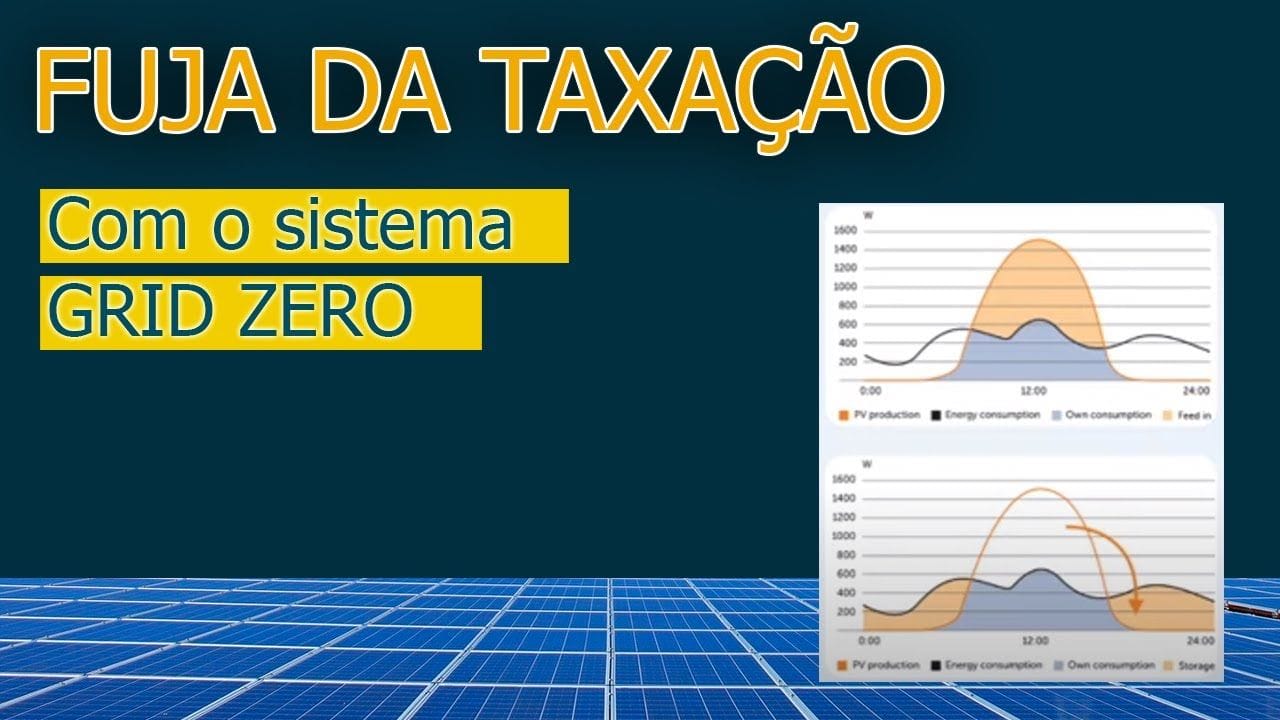
In Response To The New Law 14.300 That Introduces Solar Taxation, Brazil Witnesses The Growth Of The Popularity Of The Grid Zero Photovoltaic System. This Emerging Technology Promises To Be An Efficient Solution For Solar Energy Users, Avoiding The Injection Of Excess Energy Into The Electric Grid And Consequently The Taxation.
In An Innovative Turn In The Solar Energy Market, Brazil Embraces The Grid Zero Photovoltaic System, Especially After The Implementation Of Law 14.300, Which Introduces Solar Taxation. This System, Which Avoids The Injection Of Excess Solar Energy Into The Electric Grid, Emerges As A Viable And Economic Alternative To The New Legislation.
The Grid Zero, Unlike Traditional On-Grid Systems, Is Designed Not To Return Excess Energy Generated To The Electric Grid. This Can Be Achieved In Both Existing Systems And New Projects That Include Energy Storage Capacity. This Model Offers Significant Benefits, Such As Avoiding Additional Costs Related To Solar Taxation And Improving Efficiency In Self-Consumption Of Energy.
Technology Behind The Grid Zero
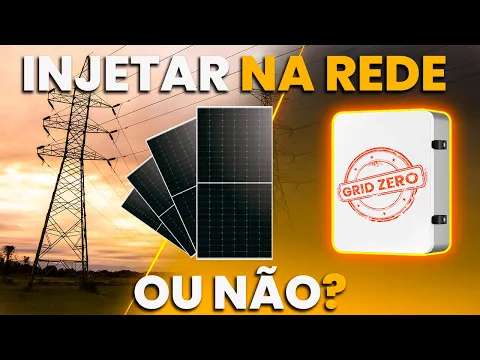

The Technology Behind The Grid Zero Includes The Use Of A Integrated On-Grid Inverter With A Smart Energy Meter. This Combination Allows For Precise Control Of Energy Generation Based On Instantaneous Consumption. Thus, The System Dynamically Adjusts Solar Energy Generation, Avoiding The Injection Of Surpluses Into The Grid And Promoting More Efficient Resource Management.
-
Brazilian scientists are simultaneously advancing two research projects on clean hydrogen and driving solutions that could transform the energy matrix, enhance industrial competitiveness, and accelerate large-scale emission reduction targets.

-
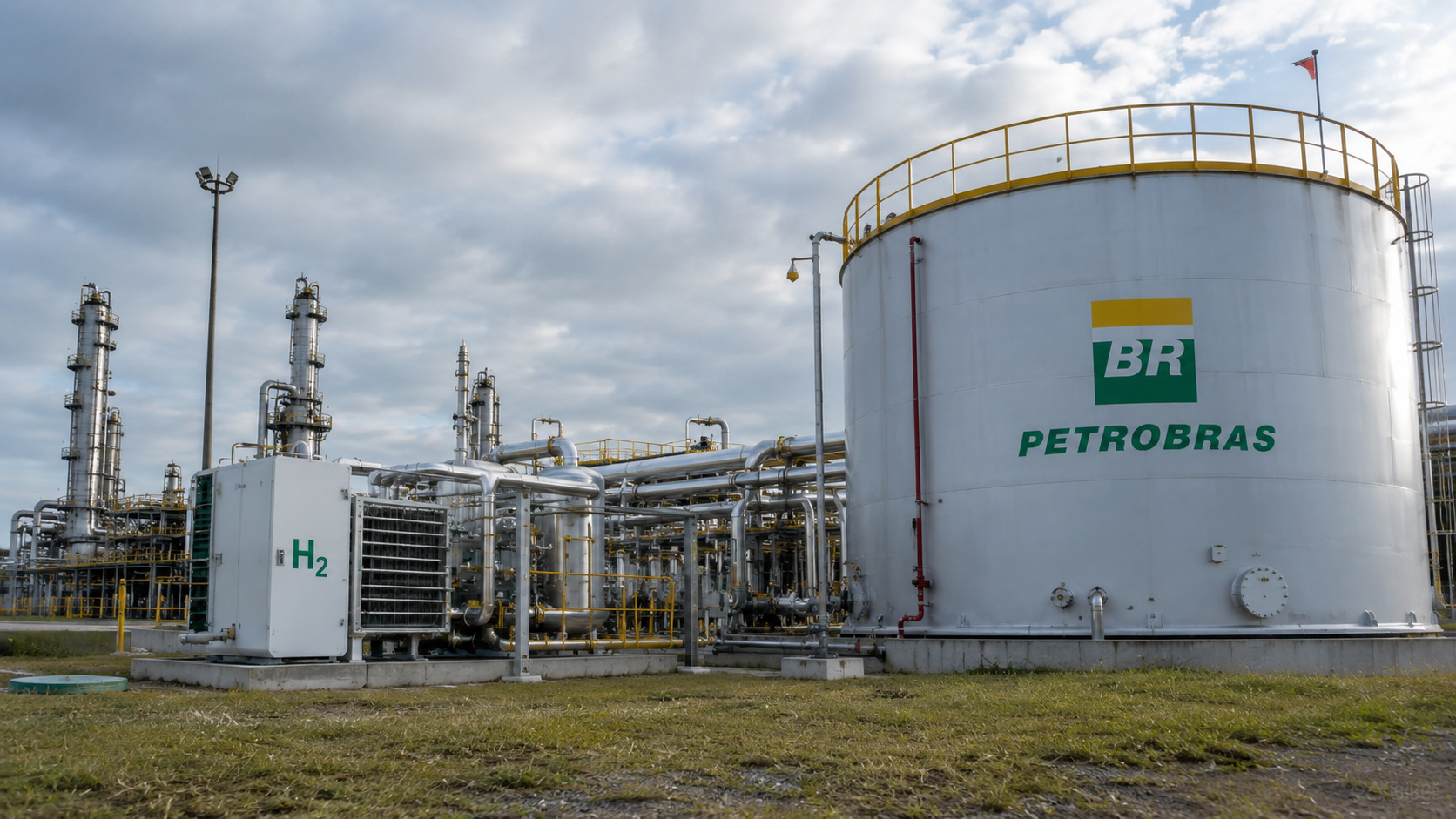
Advancement in renewable energy: A R$ 150 million project launched by Petrobras and Finep aims to create state-of-the-art electrolyzers for green hydrogen, strengthening national research and preparing Brazil to compete in a billion-dollar energy market.
-
Solar energy can increase property value by up to 10% and become a selling point.
-
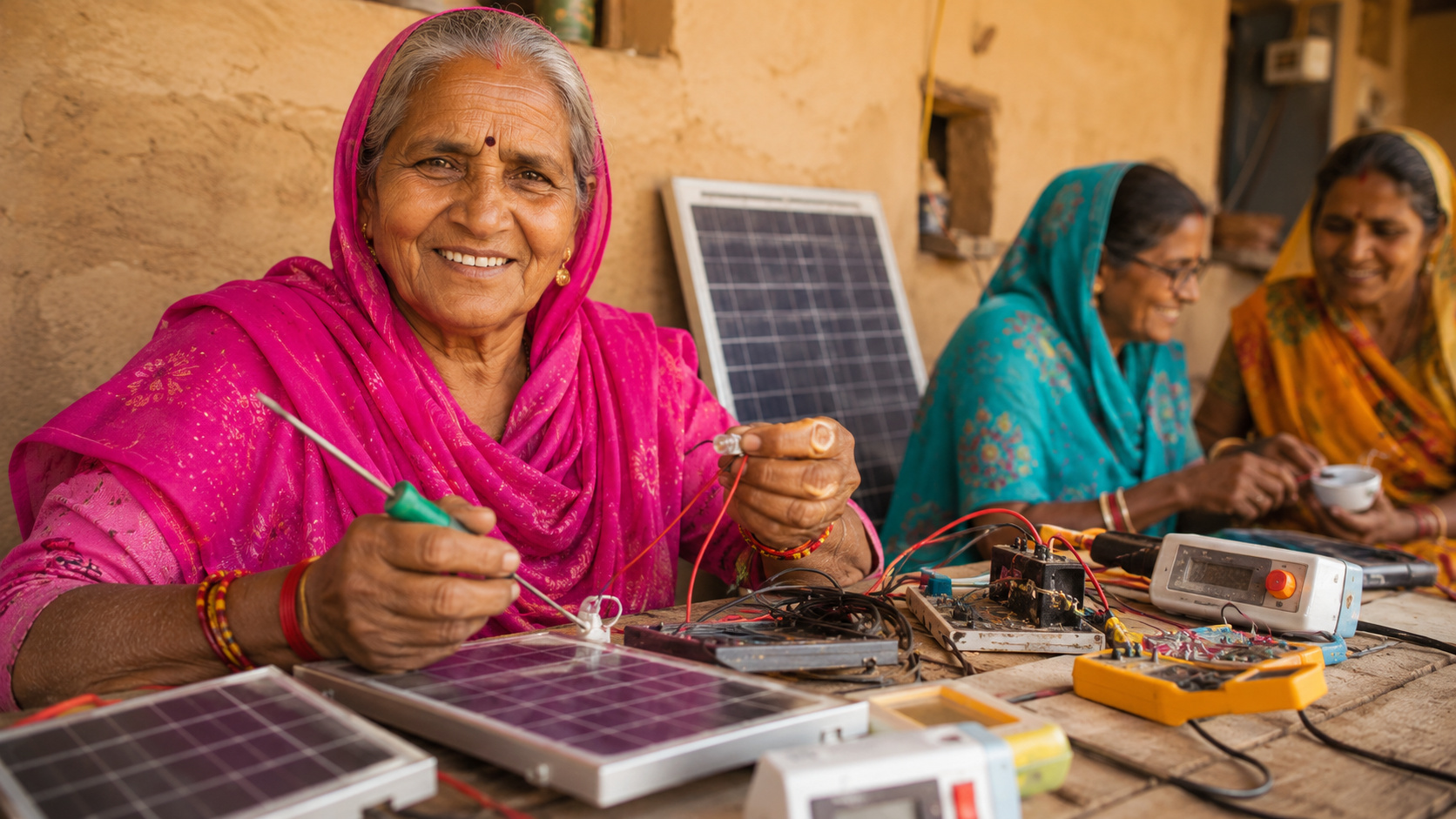
Illiterate or semi-literate grandmothers were trained to repair solar systems, open rural workshops, and light up homes that still depended on kerosene.

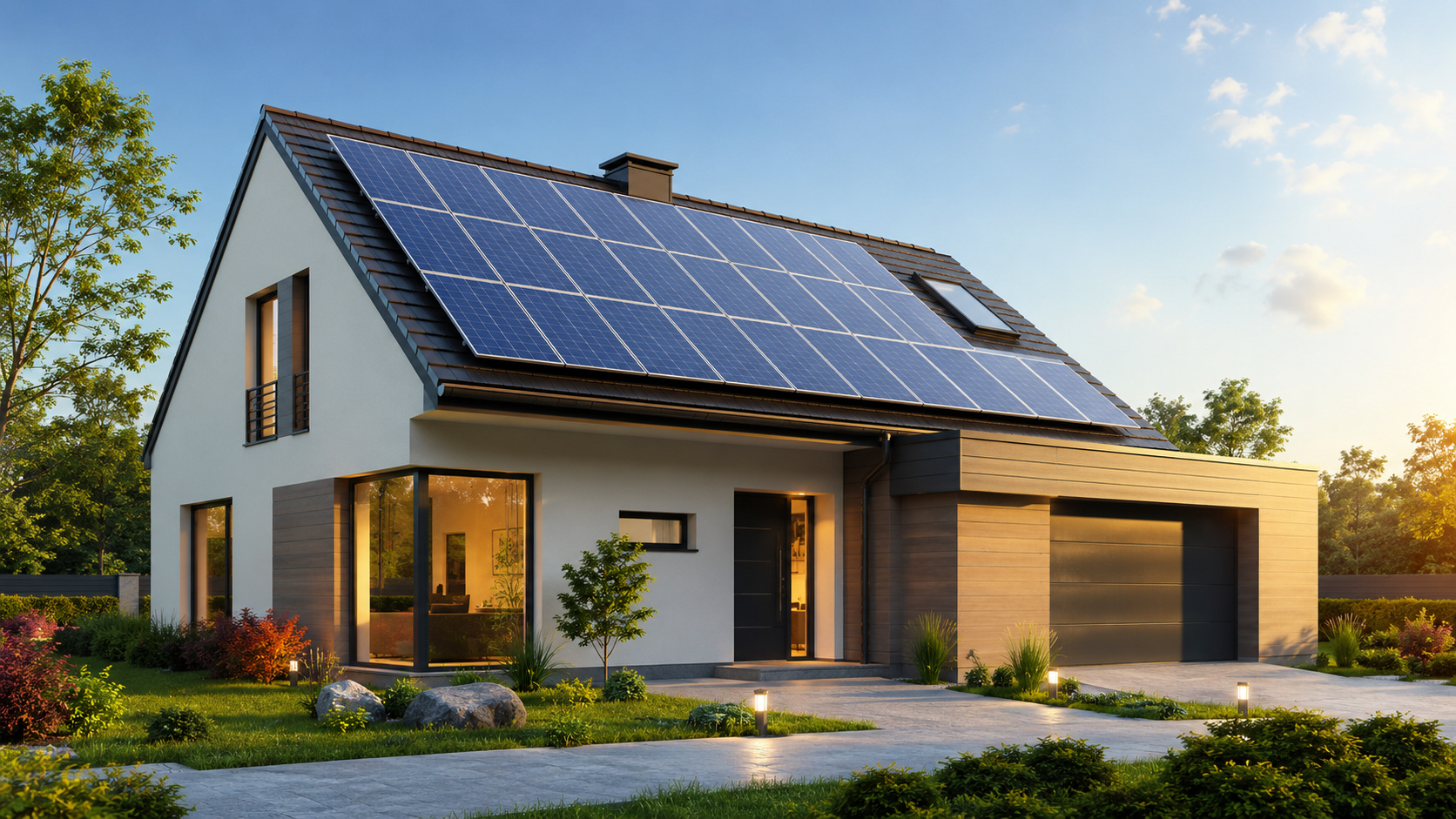
Although The System Presents Clear Advantages, Its Application In Residences Can Be Challenging. In Many Homes, Energy Consumption Is More Intense At Night, Which Makes The Grid Zero Less Effective Without An Energy Storage System. The Installation Of Batteries, Therefore, Can Be A Solution To Store Energy Generated During The Day For Nighttime Use.
Grid Zero
A Critical Aspect Of The Grid Zero Is The Need For System Approval. Even If Excess Energy Is Not Injected Into The Grid, Approval With The Local Utility Is Mandatory, Ensuring The Legality And Safety Of The Installation.
And Of Course, The Grid Zero Presents Significant Potential For Consumers In The Group A, Who Can Manage Their Energy Consumption Without The Need To Change Demand Contracts. With The Approach Of 2024, When Consumers In The Free Market Will No Longer Be Able To Migrate To The Electricity Market, The Grid Zero Stands Out As A Promising Solution.
Thus, The Grid Zero System Establishes Itself As An Innovative Solution In Brazil’s Solar Energy Sector, Responding To New Regulatory Demands And Bringing More Autonomy And Efficiency To Users. With Its Multiple Benefits, The Grid Zero Is Expected To Play A Significant Role In Reshaping The Country’s Energy Landscape.





Be the first to react!