






 Portuguese
  Spanish
  3 min of reading
  0 comments


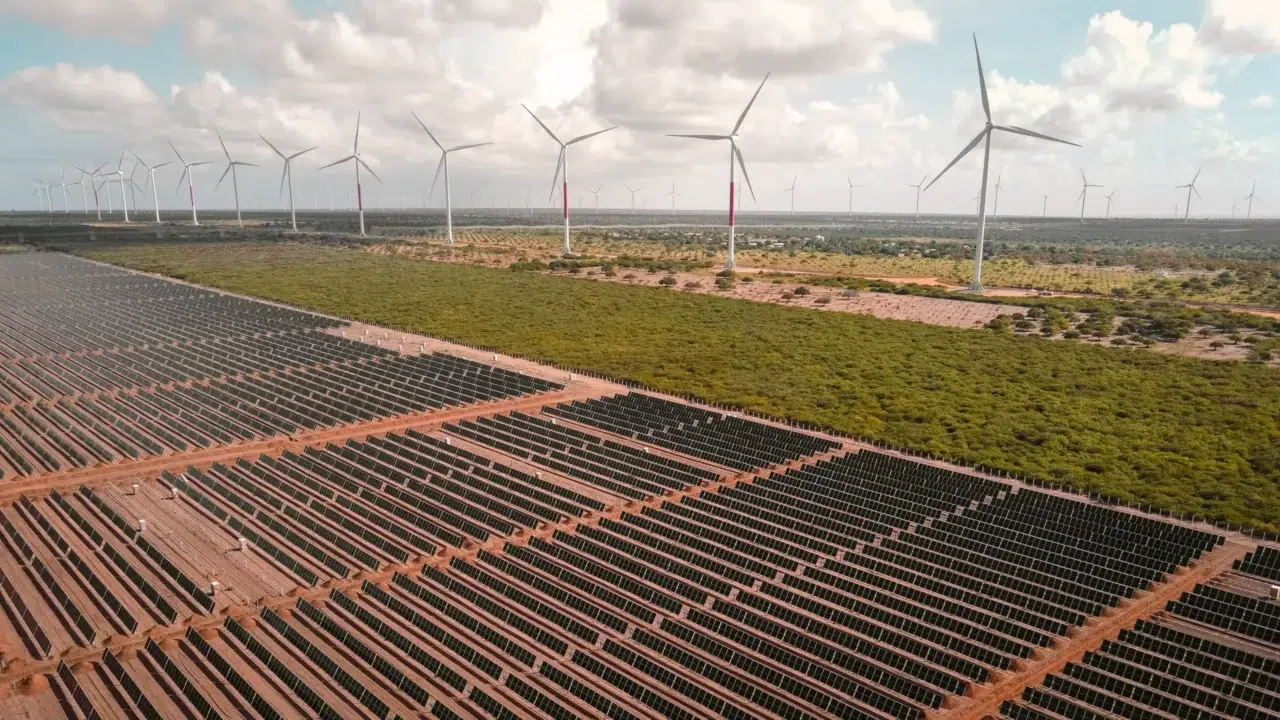
The electricity sector in Brazil is constantly growing, with records of electric generation expansion being broken every year. In 2023, Brazil installed 291 plants, with 10.3 GW of electric generation capacity, a historic milestone for the country. This growth reflects the commitment to seeking cleaner and more sustainable energy sources, driving the renewable energy market and strengthening the national energy matrix.
Electric generation is one of the fundamental pillars for the sustainable development of the country, and initiatives aimed at improving and expanding electric generation capacity continue to gain prominence. In addition to the expansion of plants, initiatives such as changes in the rules of the free natural gas market in São Paulo and the joint action of companies like Comerc and Itaú in the electricity retail market demonstrate the diversification and innovation in Brazil’s energy sector, promoting efficiency and sustainability in the supply of electricity to the population.
New Trends in Electric Generation
– As the demand for electricity grows, the generation capacity also expands to meet this need. In the past year, wind power accounted for almost half of the installed capacity, closely followed by solar power. There were 140 new parks, with 4.9 GW of capacity, equivalent to 47.65% of the total expansion.
-
Brazilian scientists are simultaneously advancing two research projects on clean hydrogen and driving solutions that could transform the energy matrix, enhance industrial competitiveness, and accelerate large-scale emission reduction targets.

-
Advancement in renewable energy: A R$ 150 million project launched by Petrobras and Finep aims to create state-of-the-art electrolyzers for green hydrogen, strengthening national research and preparing Brazil to compete in a billion-dollar energy market.
-
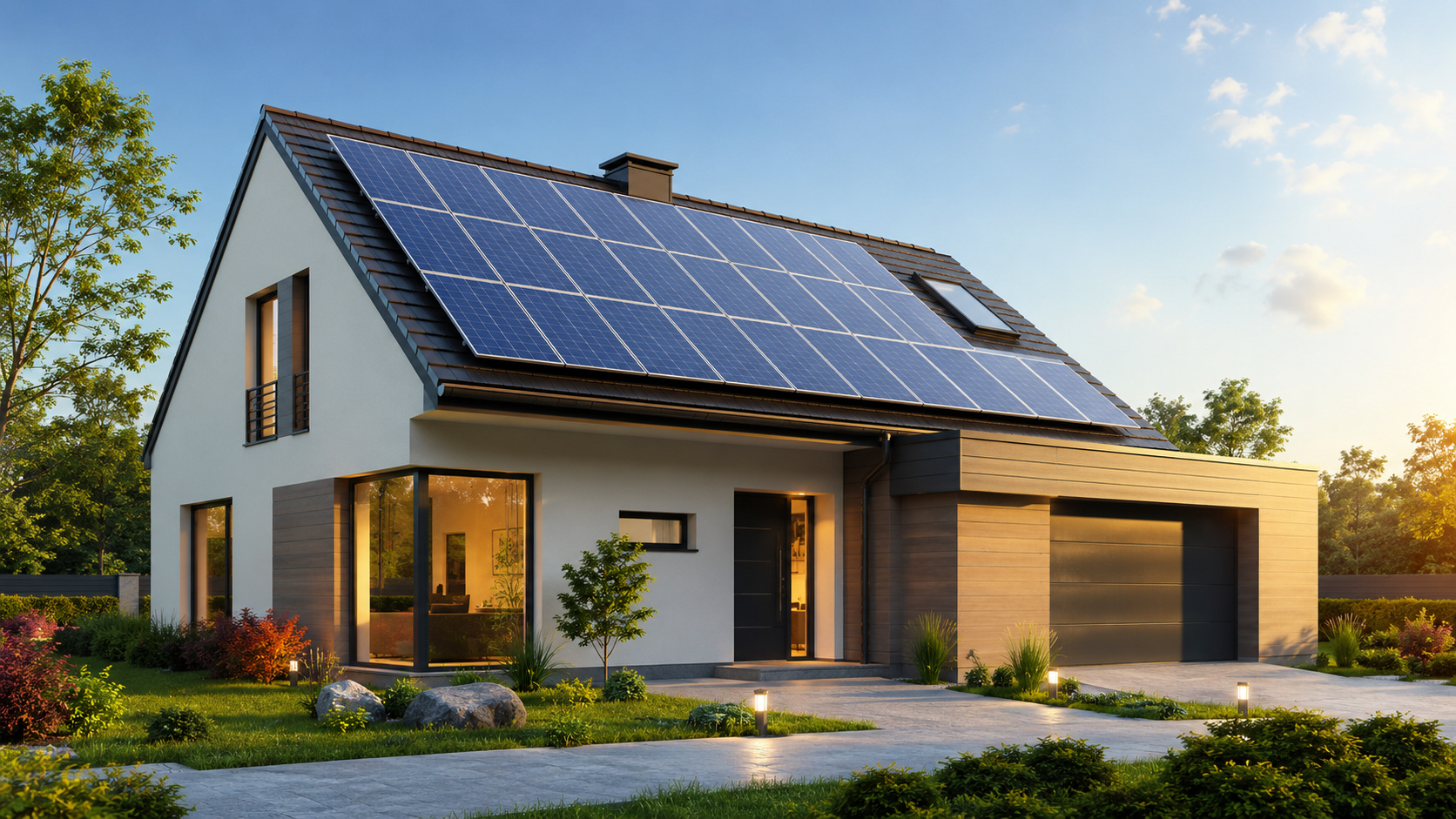
Solar energy can increase property value by up to 10% and become a selling point.
-
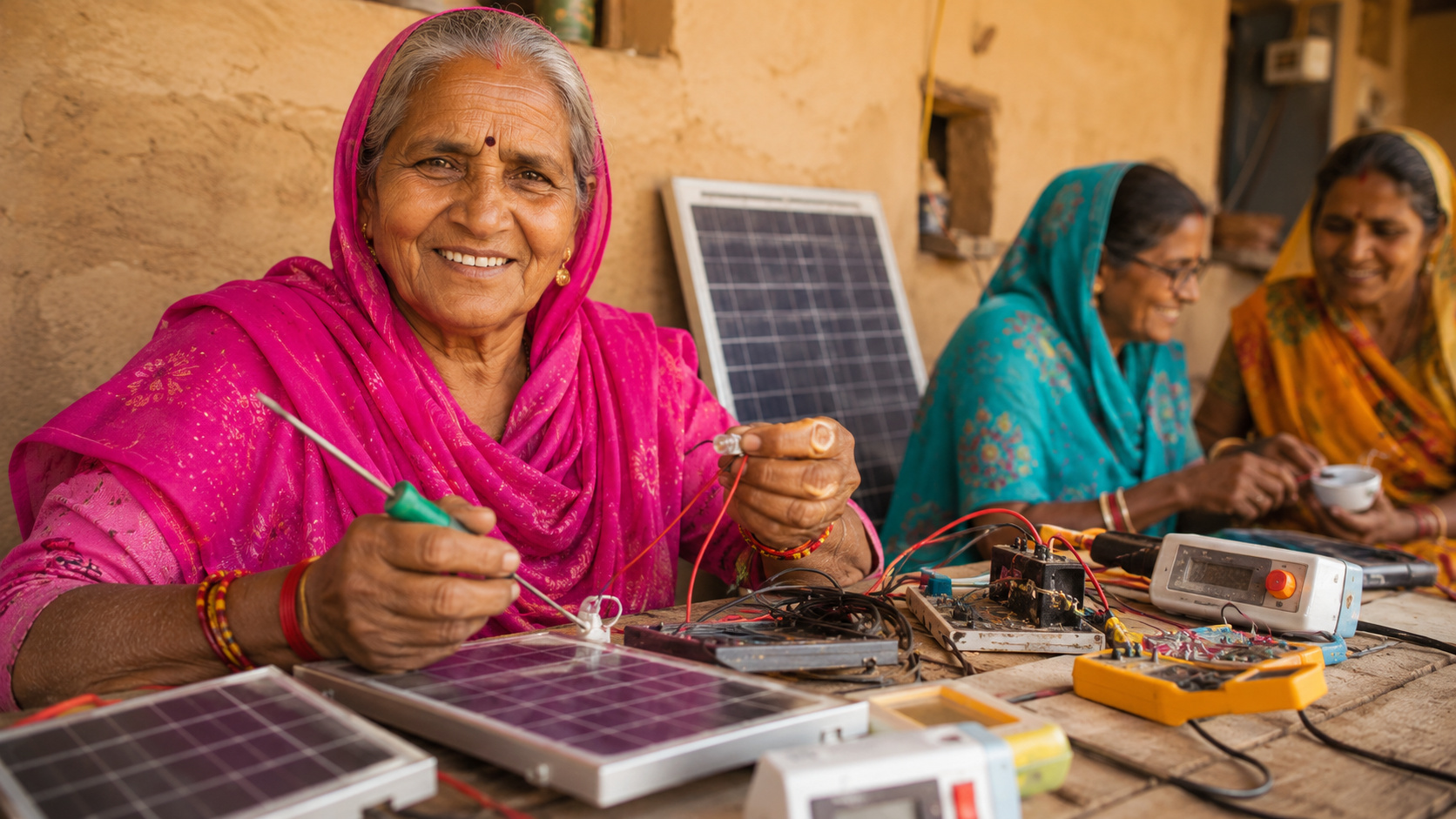
Illiterate or semi-literate grandmothers were trained to repair solar systems, open rural workshops, and light up homes that still depended on kerosene.


The Evolution of Solar Energy
– Solar energy came in second place, with 104 photovoltaic plants (4.0 GW), followed by 33 thermoelectric plants (1.2 GW), 11 small hydropower plants (158 MW), and three micro hydropower plants (11.4 MW). This diversification in electric generation is essential to ensure the sustainable supply of electricity.
Expansion of Generation Capacity in Different Regions
– The new plants went into operation in 19 states across the five Brazilian regions, with notable locations such as Bahia (2,614 MW), Rio Grande do Norte (2,278.5 MW), and Minas Gerais (2,025.7 MW). The country reached a total of 199,324.5 MW of installed capacity, boosting electric generation throughout the national territory.
Impacts on Fossil Fuels
Oil Falls. Futures contracts for oil fell, indicating a transforming scenario in the energy matrix, with direct impacts on electric generation and photovoltaic solar energy. Furthermore, the international parity between gasoline and diesel prices signals significant changes in the electricity sector, particularly regarding technological neutrality.
Regulation and Auctions
ANP Approves Auction. The National Electric Energy Agency (Aneel) approved the results of the 2nd Cycle of the Permanent Production Sharing Offer, highlighting the importance of leaders like BP Energy in the electric generation sector. This approval directly impacts the capacity for electric generation in the country, enhancing the search for more sustainable sources.
Future of Renewable Energy
Accelerated Decarbonization. The decarbonization agenda is expected to accelerate in the coming years, with growth expectations for renewable energy. The vision of neutrality for the Fuel of the Future and the pursuit of alternatives to combat carbon emissions reflect an evolution in the electric generation sector, with positive impacts on solar energy and other clean sources.
Transformations in the Energy Market
São Paulo Changes Gas Rules. The update of rules for the free natural gas market in the concession areas of the state of São Paulo highlights the ongoing transformations in the electricity market, including the possibility of returning to the captive market and changes in supply methods, in a scenario of transition to more sustainable sources.
Strategic Partnerships in the Energy Sector
Comerc and Itaú Together. The partnership between Comerc, from Vibra Energia, and Itaú to operate in the free electricity market highlights the potential for growth and innovation in the sector. This partnership can boost the transition to renewable sources and the expansion of generation capacity, especially in clean energies such as photovoltaic solar energy.
Leadership in the Automotive Industry
BYD Surpasses Tesla. BYD’s rise as the largest electric vehicle manufacturer in the world compared to Tesla reflects a scenario of expansion and growing acceptance of electric mobility, driving solar energy and other clean sources in the pursuit of a more sustainable energy matrix.
Source: EPBR





Be the first to react!