





 Portuguese
  English
  Spanish
  4 min of reading
  0 comments


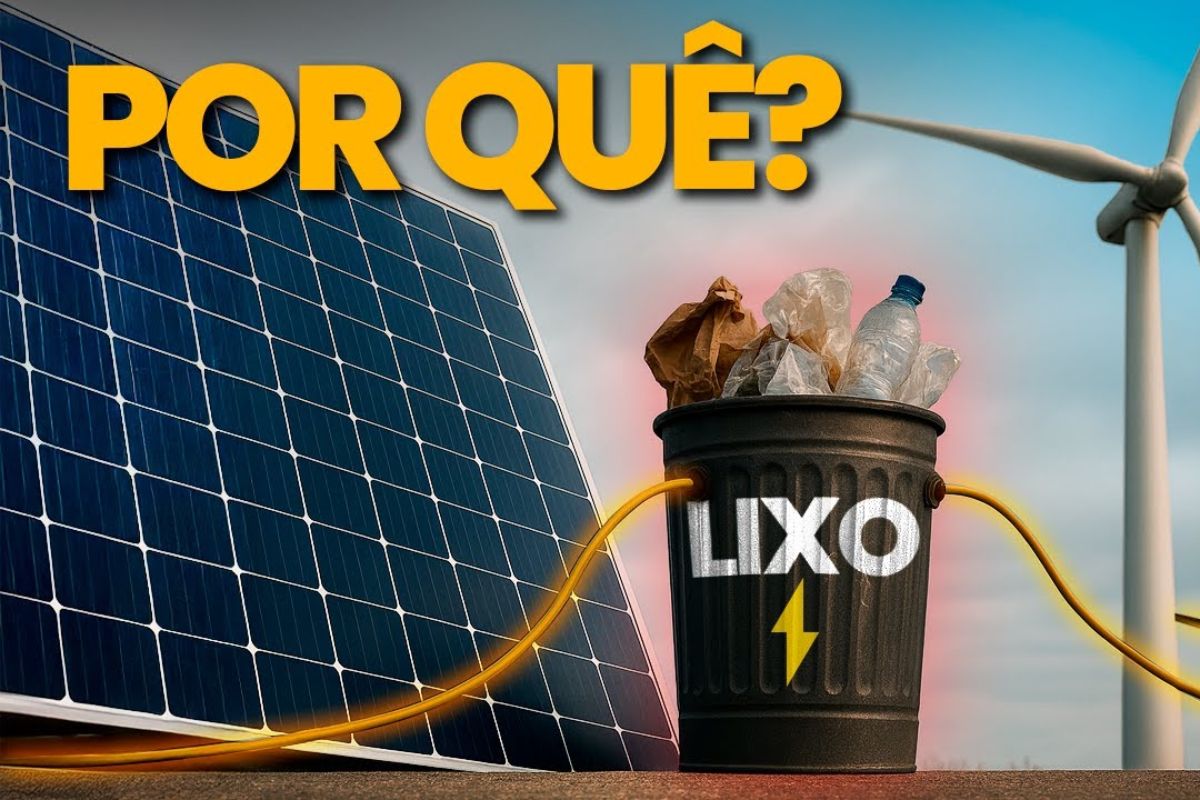
Brazil Loses Value with Solar and Wind Energy Due to Transmission Limitations, Lack of Storage, and Technical Safety Cuts While the System Faces Oversupply During Critical Hours, Centralized Plants Interruption, and an Urgent Debate About Grid Expansion, Batteries, and Productive Use of Surplus
Solar and wind energy have advanced rapidly and tested the country’s electrical infrastructure. When the wind and sun deliver too much at the same time, the grid cannot handle it all, and part of the generation is curtailed by technical decision to preserve system safety. In practice, clean energy is literally wasted, not reaching consumption.
According to a report by E4, generation cuts, known as curtailment, have grown with the entry of new parks and increased variability in operation. By 2025, the sector reports billion-dollar losses and investment decisions being reassessed. The immediate effect is to undermine the confidence of those financing plants and pressuring for coordinated responses in transmission, storage, and demand management.
What Is Curtailment and Why Does It Happen
Curtailment is the mandatory cut of generation decided by system operation. It occurs for three main reasons. The first is external unavailability: lack of lines, transformers, or substation equipment prevents flow. The second is reliability: even with apparent capacity, the operation reduces injection to avoid overloading critical assets. The third is energy-related: there is oversupply at the moment, with more energy entering the grid than the load can consume at that time.
-
Africa has about 500,000 cell towers and most still burn diesel to operate, while companies rush to cover antennas with solar energy and avoid signal blackouts.

-
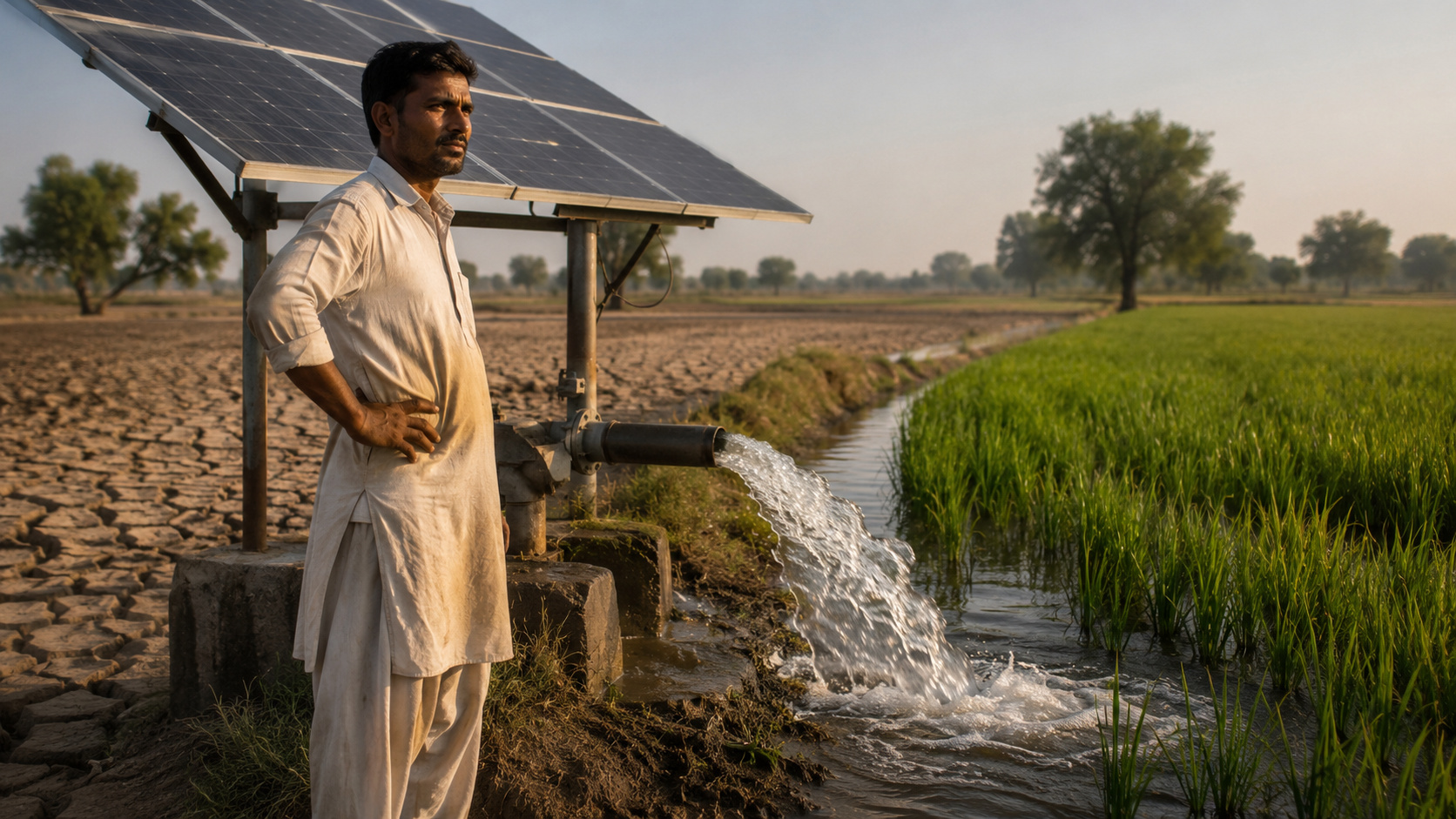
Farmers swapped diesel for solar panels in Pakistan, powered irrigation pumps almost cost-free, expanded rice fields, and now groundwater has become a red alert in the countryside.
-
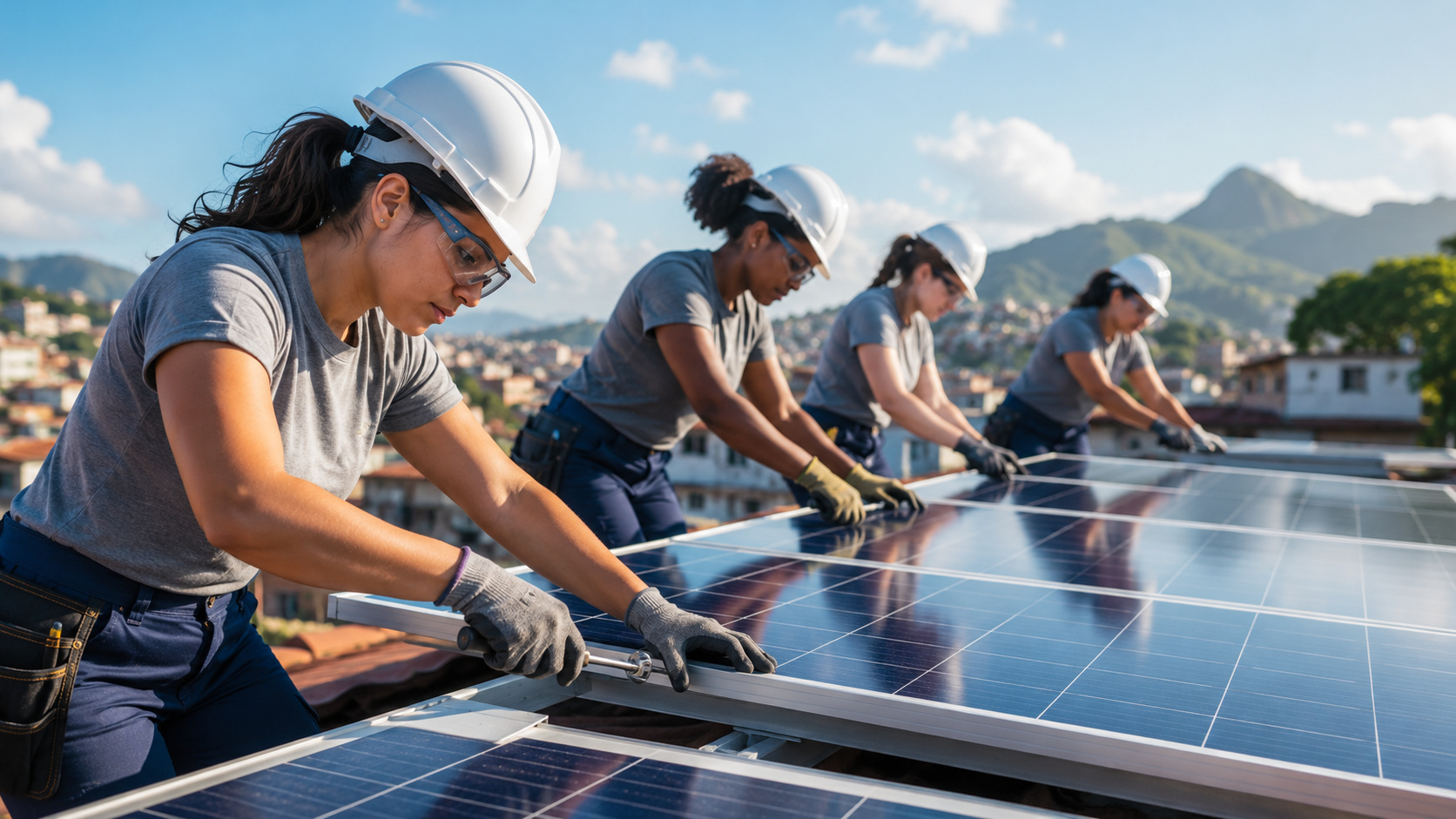
NGO opens slots for free solar energy course exclusively for women in São Gonçalo
-
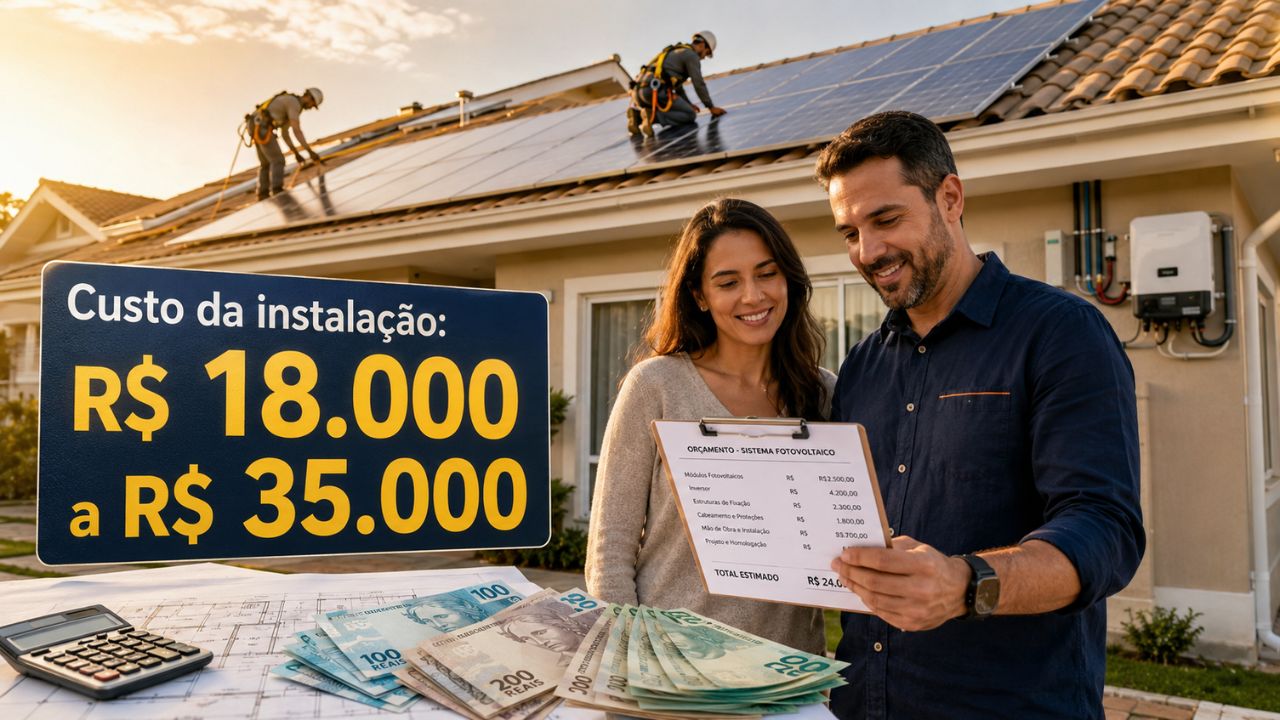
How much does it cost to install solar energy at home in 2026? This method of generating energy attracts attention for allowing a reduction in electricity expenses and an estimated financial return between four and seven years, with residential systems costing between R$ 15,000 and R$ 28,000.


In summary, it is not a problem of isolated plants, but of the network as a whole plus demand. The more geographically concentrated the variable generation, the higher the risk of simultaneous excess. And when the infrastructure does not keep pace with connection rates, cutting off becomes the only escape valve.
The cuts mainly affect large centralized plants, dispatched and monitored by the system operator. Wind and solar projects see their revenue drop precisely during the hours when they should capture better prices, which alters projections and extends payback periods.
The impact is not just financial. Each cut delays decarbonization goals, reduces predictability, and can halt new auctions and expansions. On the other hand, consumers lose the opportunity for lower prices when there would be an abundance of clean generation.
Why Doesn’t the Grid Carry What Is Generated
The transmission grid was designed for historical generation profiles. The new frontier of wind and solar has expanded faster than the reinforcement of lines, creating bottlenecks between generation poles and load centers. In addition, variability requires operational margins that, at certain moments, force the operator to limit injections to maintain safety margins.
Without storage at scale and with less flexible load, the system becomes rigid. When the wind blows strong and the sun is high, but demand is low, the consequence is the technical cut of renewable plants.
There is no silver bullet. The path combines complementary fronts. First, accelerate and modernize transmission, connecting generation poles to consumption regions with adequate operational margins. Second, unlock storage with large-scale batteries, capable of storing surpluses and sending back energy during peak hours.
Third, activate demand response: industries and large consumers can shift processes to windows of solar and wind abundance. Fourth, stimulate productive uses of surplus, such as data centers and other intensive loads in high generation regions. Each point reduces the frequency and severity of cuts.
And Distributed Generation on the Roof
Under the current design, micro and mini distributed generation do not suffer curtailment. The focus of reductions falls on centralized plants and larger assets connected to distribution outside the compensation system. For those with rooftop panels, the risk is currently considered unlikely, but the technical debate on flexibility and storage also concerns this audience in the medium term.
The pertinent discussion is how to transform abundance into local benefit. Residential and commercial batteries, combined with well-designed hourly tariffs, can increase self-consumption during excess hours and alleviate the system.
The more frequent the cuts, the greater the risk of projects stalling, especially in the final stages of financing. At the same time, there is a window to reposition sector policy: lines delivered on time, economic signals for storage, and clear demand response rules. Solar and wind energy have already demonstrated scale and competitive cost. What is missing is to capture that value every day, at all hours.
If coordination works, the country reduces losses, stabilizes revenues, and accelerates climate goals. If not, it will continue to waste clean energy and increase the Brazil risk in the renewable segment.
What to Monitor Moving Forward
It is worth monitoring three vectors. Transmission works in critical corridors and deadlines for entry into operation. Compensation models for batteries, allowing revenue from network services and energy arbitrage. Demand response programs for large consumers, with price signals by hour that encourage load shifting.
Solar and wind energy will continue to grow. The difference between waste and value lies in the system’s ability to absorb variability with grid, storage and flexibility on the consumption side.
Brazil needs to convert peaks of generation into value. With strengthened transmission, batteries, and flexible demand, solar and wind energy will stop being curtailed and will lower bills, reduce emissions, and support new investments.
Do you work in the electric sector, in a plant, industry, or distributor? In your region, when do cuts occur and what has been the real impact on revenue or operation? Share in the comments your city, load or generation profile, and what practical measure would have the most immediate effect in your case.







-

-

-

12 people reacted to this.