






 Portuguese
  Spanish
  5 min of reading


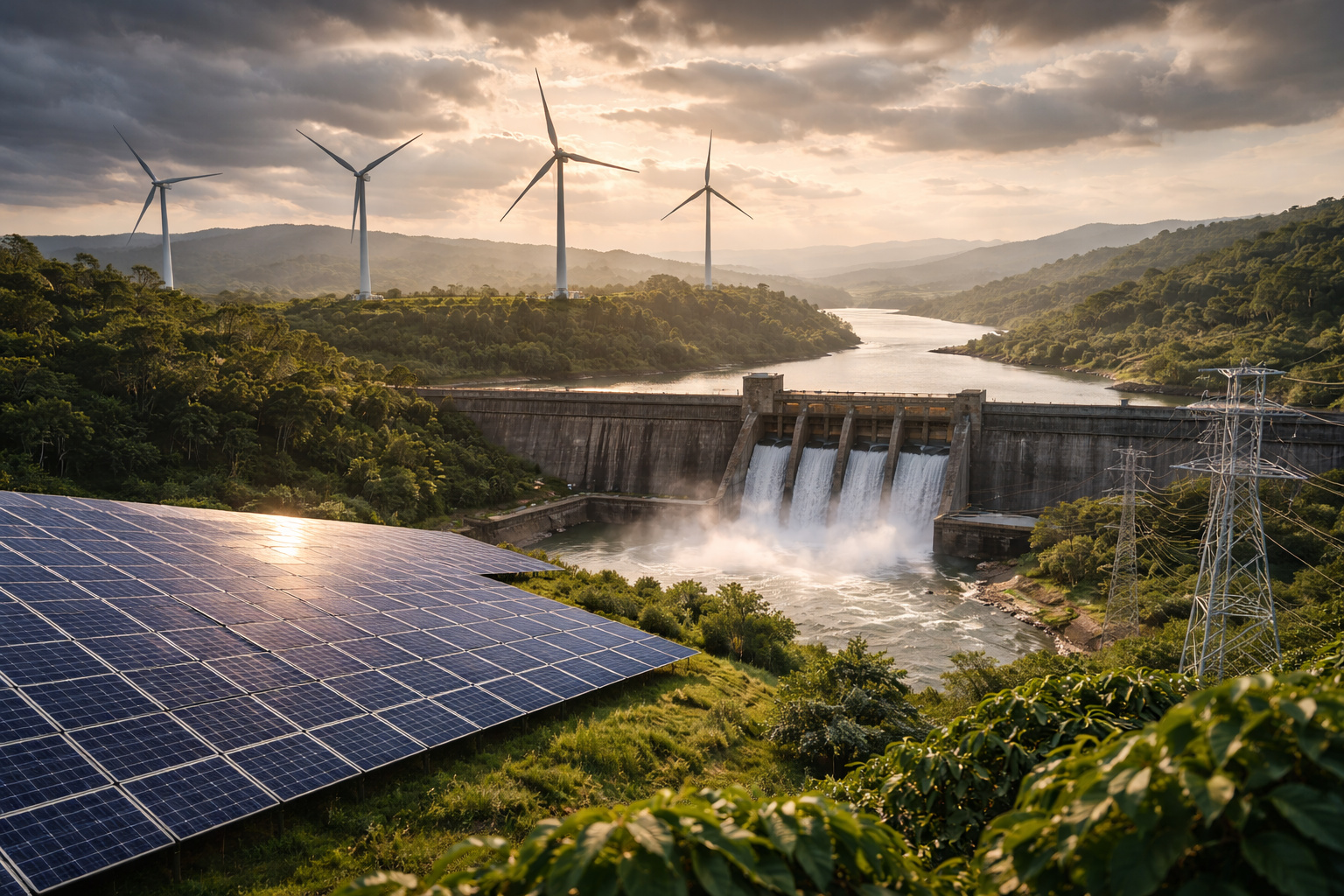
The expansion of renewable energy in Brazil has always played a central role in the country’s development strategy. From the construction of large hydropower plants in the 20th century to the recent advances in solar and wind energy, Brazil has built an electricity matrix recognized internationally for its clean profile. However, in 2025, a worrying data caught the attention of the energy sector: about 20% of the renewable energy generated was wasted, resulting in estimated economic losses of R$ 6 billion between January and December.
This scenario did not arise suddenly. On the contrary, it reflects a set of historical, technical, and regulatory challenges that have accumulated over the last few decades. The intermittency of renewable sources, combined with limitations in transmission and storage infrastructure, exposed a structural risk in the Brazilian electrical system.
The Historical Trajectory of Renewable Energy in Brazil
The history of renewable energy in Brazil begins in the early 20th century, with the utilization of hydropower for electricity generation. According to records from the federal government, the focus on hydropower consolidated in the 1950s, when the country sought to accelerate industrialization and reduce dependence on fossil fuels.
-
Brazilian scientists are simultaneously advancing two research projects on clean hydrogen and driving solutions that could transform the energy matrix, enhance industrial competitiveness, and accelerate large-scale emission reduction targets.

-
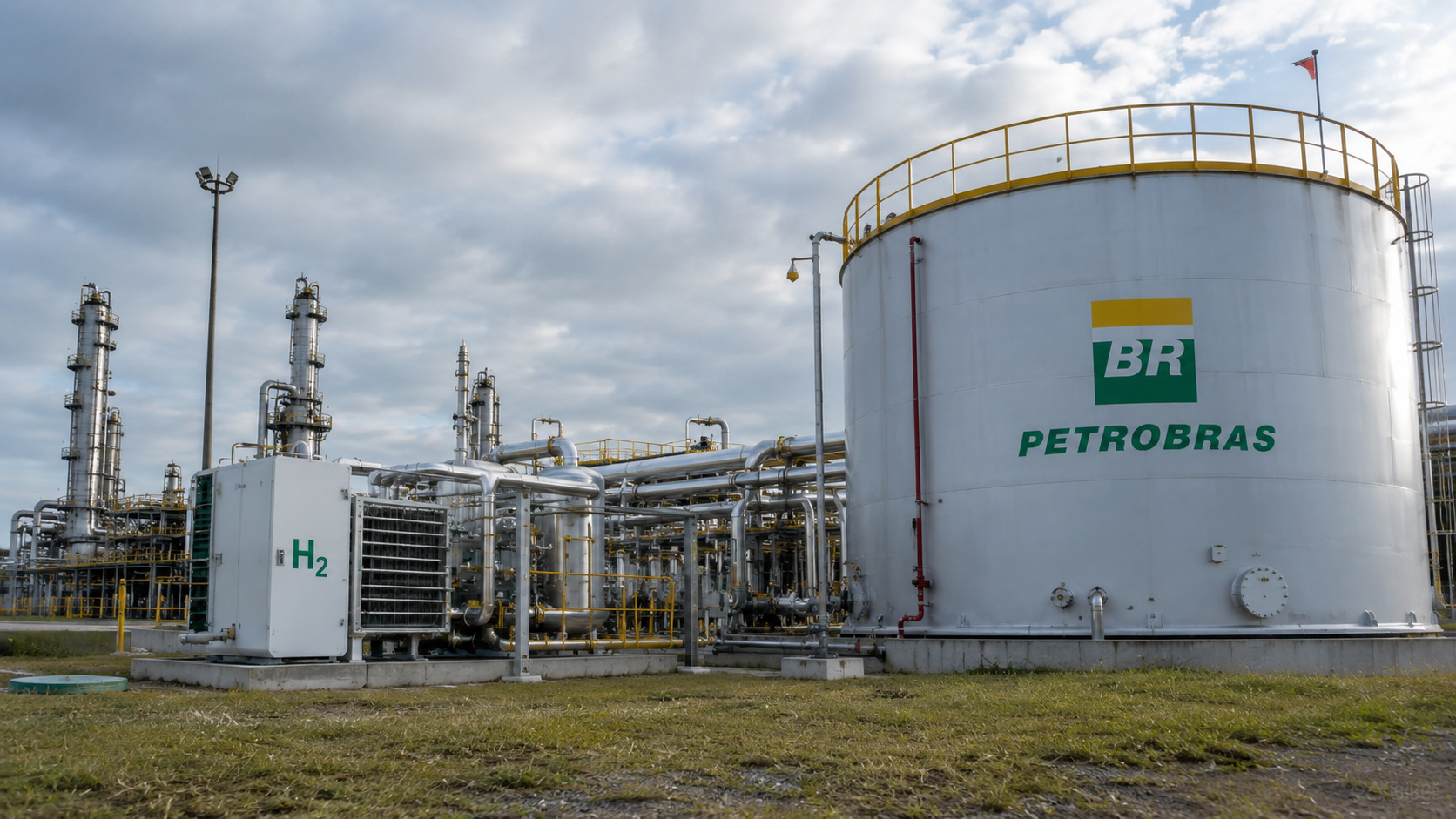
Advancement in renewable energy: A R$ 150 million project launched by Petrobras and Finep aims to create state-of-the-art electrolyzers for green hydrogen, strengthening national research and preparing Brazil to compete in a billion-dollar energy market.
-
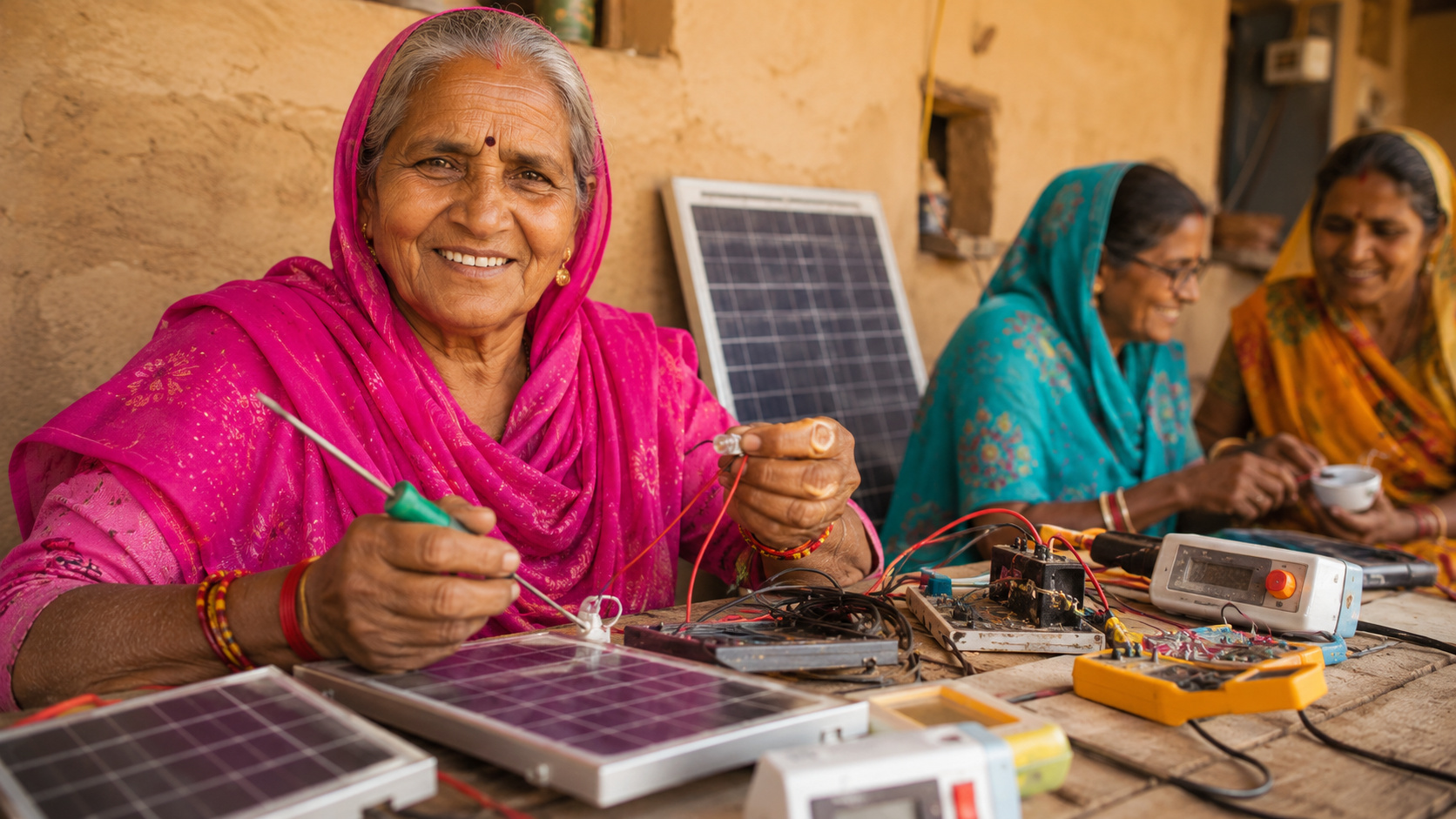
Illiterate or semi-literate grandmothers were trained to repair solar systems, open rural workshops, and light up homes that still depended on kerosene.
-
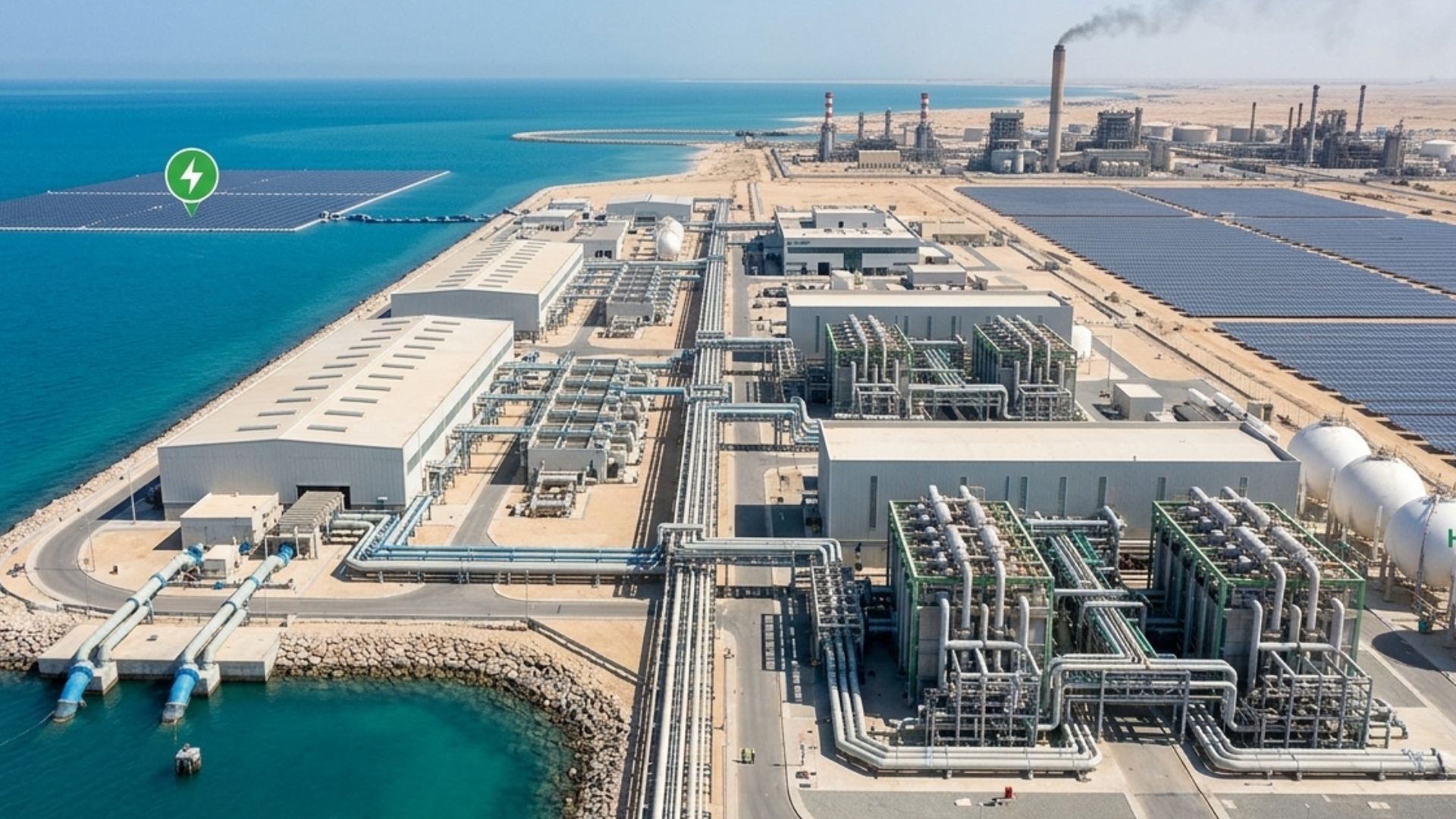
The world has bet on green hydrogen as the fuel of the future, but now faces the side effect: producing 1 kilogram requires about 9 liters of ultrapure water, and the largest projects on the planet are precisely in the driest regions of the Earth, where water is already scarce for people.


For decades, this strategy ensured energy security and relatively low costs. However, starting in the 2000s, climate changes, water crises, and rising demand made the need for diversification evident. Thus, Brazil began to invest more intensively in sources like wind and solar energy, further increasing the weight of renewable energy in the matrix.
According to the Energy Research Company, between 2010 and 2024, the installed capacity of non-hydropower renewable sources grew exponentially. This advancement, although positive, occurred more rapidly than the adaptation of the electrical system as a whole.
The Waste of Renewable Energy and Its Structural Causes
In 2025, the waste of renewable energy became one of the main topics in the electricity sector. A significant part of the energy generated did not reach the final consumer. This occurred mainly due to transmission limitations and the difficulty of balancing supply and demand in real-time.
Sources like solar and wind depend on weather conditions. When there are strong winds or high solar incidence, generation increases rapidly. However, the system does not always manage to absorb this additional production. As a result, power plants are forced to reduce or even stop generation, even when energy is available.
According to the National Electric System Operator, this phenomenon intensified in recent years. In 2025, renewable generation cuts mainly occurred in regions with a high concentration of wind and solar parks, such as the Northeast.
Economic Impacts and Risks to Sustainability
The waste of renewable energy generates impacts that go beyond direct financial loss. The R$ 6 billion wasted in 2025 represents investments that failed to return to the system. Furthermore, the issue affects investor confidence and compromises sector predictability.
From a sustainability standpoint, the scenario is also concerning. Producing clean energy and failing to use it efficiently contradicts the very principles of the energy transition. Decarbonization depends not only on renewable generation but also on the ability to integrate these sources into the system safely and continuously.
According to the National Electric Energy Agency, the waste highlights the need for modernization of the electrical grid. Transmission lines, substations, and control systems need to keep pace with the expansion of renewable energy.
Intermittency, Storage, and Technology
The intermittency of renewable sources represents one of the greatest technical challenges in the sector. Unlike thermal power plants, which can be activated according to demand, solar and wind generation depends on natural factors. Thus, the absence of robust storage systems exacerbates the problem.
Historically, Brazil relied on hydropower reservoirs as a natural form of energy storage. However, with the reduction of the rivers’ regulatory capacity and the growth of intermittent sources, this solution has become insufficient.
According to studies released by national universities and research centers, discussions on batteries, green hydrogen, and other storage technologies grew starting in 2020. These solutions are essential to reduce the waste of renewable energy and ensure system stability.
Public Policies and Long-Term Planning
Public policies play a decisive role in this context. The expansion of renewable energy in Brazil occurred largely due to government incentives, energy auctions, and favorable regulatory frameworks. However, planning has not always considered generation, transmission, and consumption in an integrated manner.
According to the federal government, in official documents published since 2022, the need for more coordinated planning has become evident. The waste observed in 2025 reinforced the urgency to align expansion policies with infrastructure investments.
Moreover, experts advocate for greater integration between the electricity sector and other segments of the economy. Electrification of industry, transportation, and green hydrogen production can absorb some of the renewable energy currently wasted, strengthening the energy transition.
Renewable Energy and the Future of the Brazilian Electric System
The scenario in 2025 does not negate the advances achieved by Brazil. On the contrary, it reveals the stage of maturity of a system that needs to evolve. Renewable energy continues to be a strategic pillar for the sustainable development of the country.
According to the Ministry of Mines and Energy, Brazil maintains one of the cleanest electricity matrices in the world. However, the challenge now is not just to generate renewable energy, but to use it intelligently and efficiently.
The waste observed in 2025 serves as a warning. It demonstrates that energy sustainability depends on structural decisions, consistent investments, and long-term vision. By addressing these limitations, Brazil has the opportunity to transform a problem into a catalyst for innovation.
Throughout history, the Brazilian electricity sector has shown adaptability. In light of the advancement of renewable energy, this capacity will be tested again. The response to this challenge will define not only the future of the energy matrix but also Brazil’s role in the global energy transition.







Be the first to react!