Portuguese
  Spanish


With 90% of the Electric Matrix Made Up of Renewable Energy Sources, Brazil Stands Out in the International Scenario and Can Lead the Global Energy Transition with Green Hydrogen.
Brazil has one of the largest potentials in the world to lead the production of green hydrogen, a fuel obtained from renewable energy.
This technology is considered essential for the decarbonization of the global economy and the fight against climate change, but it still faces challenges related to economic viability on a large scale.
However, the country’s unique energy structure, characterized by a predominantly clean and interconnected electric matrix, may place Brazil at the forefront of this energy revolution.
-
Brazilian scientists are simultaneously advancing two research projects on clean hydrogen and driving solutions that could transform the energy matrix, enhance industrial competitiveness, and accelerate large-scale emission reduction targets.

-
Advancement in renewable energy: A R$ 150 million project launched by Petrobras and Finep aims to create state-of-the-art electrolyzers for green hydrogen, strengthening national research and preparing Brazil to compete in a billion-dollar energy market.
-
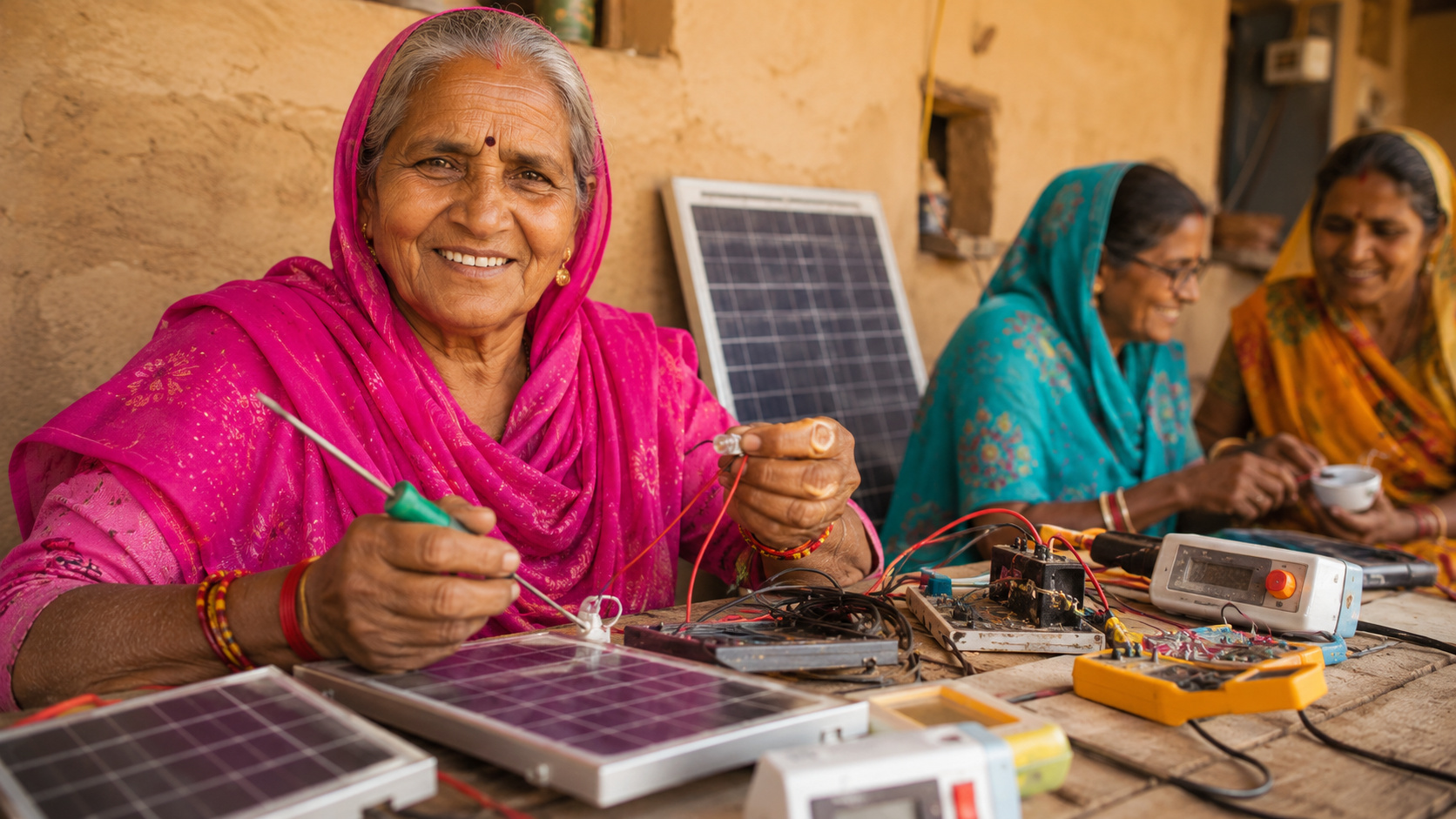
Illiterate or semi-literate grandmothers were trained to repair solar systems, open rural workshops, and light up homes that still depended on kerosene.
-
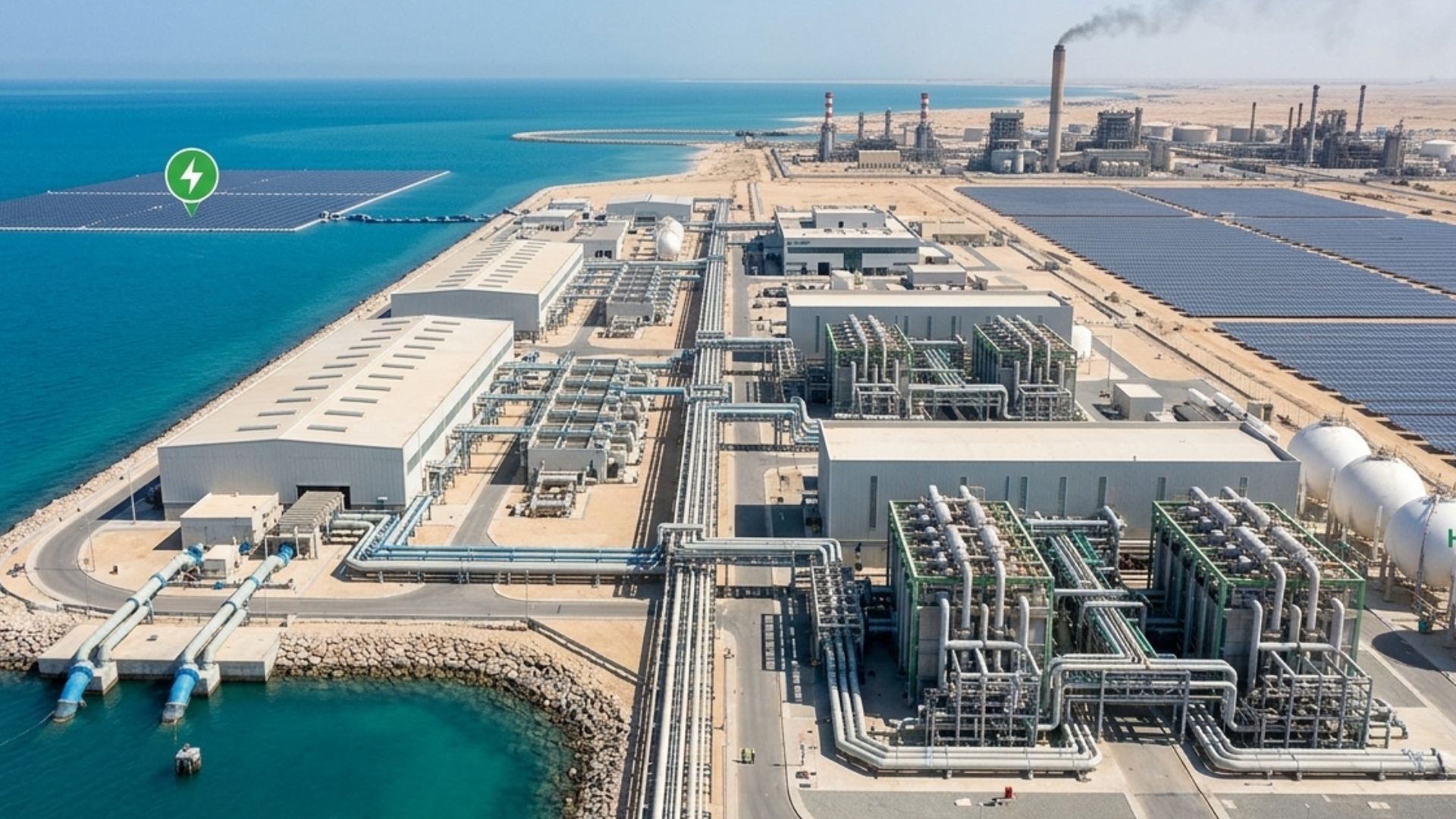
The world has bet on green hydrogen as the fuel of the future, but now faces the side effect: producing 1 kilogram requires about 9 liters of ultrapure water, and the largest projects on the planet are precisely in the driest regions of the Earth, where water is already scarce for people.



The Brazilian Electric System is a Global Benchmark
Brazil’s competitive advantage begins with the National Interconnected System (SIN), which covers almost the entire national territory.
With approximately 90% of the electricity coming from renewable sources, such as hydropower, solar, wind, and biomass, the system allows for energy exchange between regions, taking advantage of the complementarities between different sources.
Additionally, large hydropower reservoirs function as natural batteries, ensuring flexibility and energy storage.
This model is considered unique in the world in terms of territorial extension and efficiency in the use of clean energy.
According to researchers Carlos E. Driemeier, Edvaldo Rodrigo de Morais, and Giovana Chinaglia Tonon from the National Center for Research in Energy and Materials (CNPEM), “electric networks generate economic efficiencies by harnessing the complementarities between multiple generators and consumers and by sharing network infrastructure.”
One of the critical points in the debate about green hydrogen is the so-called carbon integrity—a concept aimed at ensuring that the electricity used in fuel production is, in fact, 100% renewable.
This is particularly important in power grids that also include thermoelectric plants powered by fossil fuels.
Even with the high rate of clean energy, Brazil still needs to formalize clear criteria regarding this integrity. As the authors of the article published on The Conversation portal state:
“If Brazil formalizes its carbon integrity vision, it will have the credentials to be a leader in this discussion. On the other hand, if it chooses to ignore the issue, it will depend on imported concepts, risking the waste of its differential.”
Green Hydrogen is a Promising Path for the Energy Future
With its abundance of renewable sources and cutting-edge infrastructure, Brazil has a historic opportunity to transform green hydrogen into one of the pillars of its energy and export policy.
To achieve this, it will be essential to invest in regulations that ensure the clean origin of the electricity used and attract investors interested in sustainable solutions.
The discussion on renewable energy and carbon integrity needs to gain more space on the national political and business landscape.
After all, the country is faced with the chance to establish itself as a global leader in green hydrogen production, significantly contributing to a cleaner and more resilient global economy.