Portuguese
  Spanish


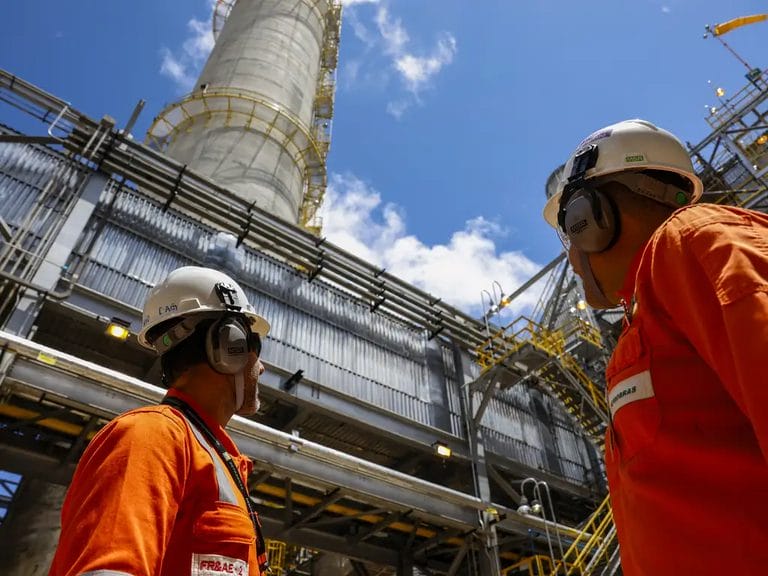

EPE Projection Points to Growth in Fuel Consumption in Brazil by 2025, Driven by Economic Recovery, Strong Harvest, and Social Programs
Fuel consumption in Brazil is expected to grow as early as next year. This projection comes from the Energy Research Company (EPE), affiliated with the Ministry of Mines and Energy (MME), released this Monday (04/14). The technical study estimates that, by 2025, the country will consume 3 billion liters more compared to the previous year.
Among the highlights, the report points to an increase in demand for diesel, ethanol, and liquefied petroleum gas LPG. The growth in diesel consumption is linked to economic recovery and increased use in cargo transportation.
Ethanol is also gaining ground, driven by a promising harvest and mandatory blending mandates. Meanwhile, LPG is growing due to the expansion of the Gas for All program, aimed at bringing cooking gas to over 20 million Brazilian families.
-
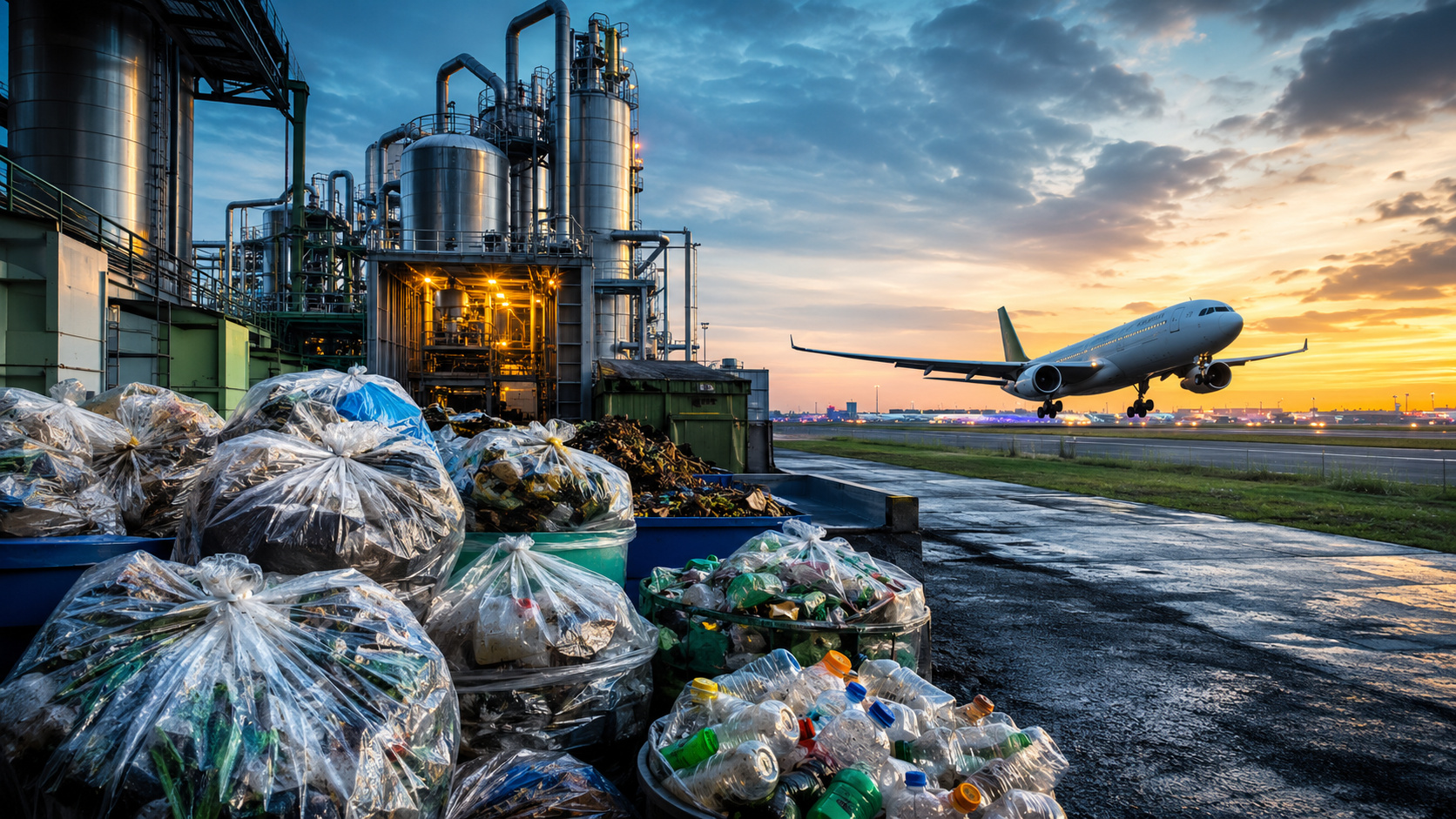
Qantas and Airbus Invest in Company Aiming to Convert Unsorted Household Trash into Jet Fuel

-
Brazil’s ANP Opens 86 New Oil Blocks in the Equatorial Margin, Expanding the Amazon River Mouth Frontier

-
OPEC+ Boosts Oil Supply by 188,000 Barrels per Day in July 2026, Leading to Price Drop from $112 to $89 per Barrel in Under Two Months

-
TotalEnergies Signs 20-Year Deal to Purchase 2 Million Tons of LNG from Alaska, Boosting Project Viability

The Minister of Mines and Energy, Alexandre Silveira, commented on the data, stating that the numbers reinforce the importance of public policies from the federal government.
“We will remain committed to ensuring energy supply in a safe, efficient, and inclusive manner. The growth in demand imposes on us the responsibility to continue investing in infrastructure, sustainability, and social policies, such as the Gas for All program,” he declared.
EPE also highlighted that the data helps guide the country’s energy transition, strengthen the biofuels sector, and expand energy access in all regions.
The projections reinforce the need for continued government actions to ensure security, stability, and sustainability in the supply of fuels.
The full technical study with all data and projections is available for consultation on the EPE portal.
With information from Agência GOV.