Portuguese
  Spanish


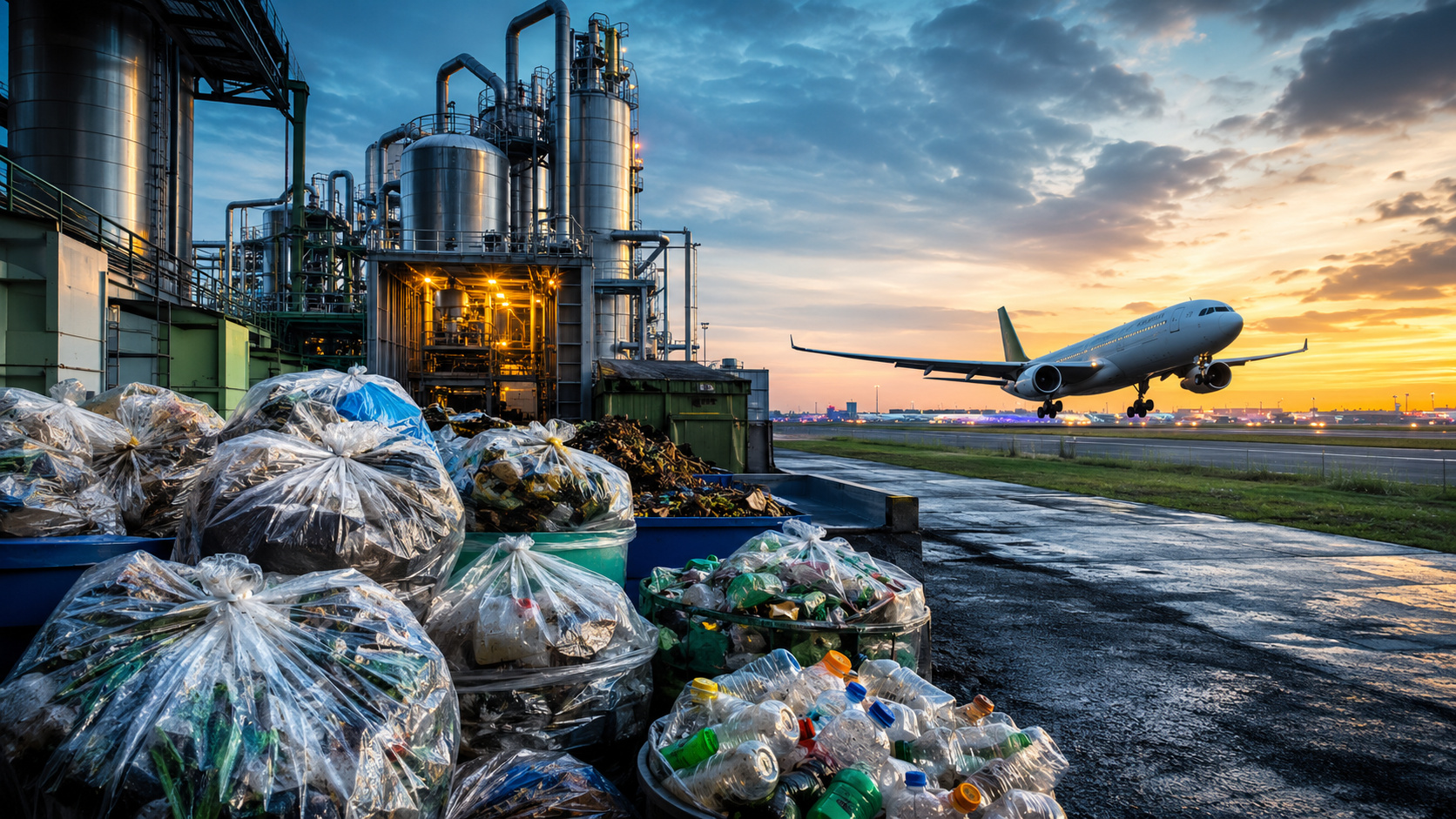

Qantas and Airbus support sustainable aviation fuel made from household waste, but the company still needs to prove production on a commercial scale.
Saying goodbye to petroleum fuel is not yet a reality for those who fly, but Qantas and Airbus have invested in a Brisbane company that wants to use unsorted household waste to produce gas and then sustainable aviation fuel. On July 6, 2026, the information was published by The Australian, an Australian business and technology newspaper.
The company is called Wildfire Energy. The trash bags do not go directly into the airplane tanks. The waste undergoes a process that transforms it into gas, which can then proceed to other stages until it becomes aviation fuel.
Wildfire Energy maintains a pilot unit in Brisbane and is developing the first commercial plant in the same city. This shows that the project is in the industrial development phase and is not yet producing fuel to supply regular flights.
-
Brazil’s ANP Opens 86 New Oil Blocks in the Equatorial Margin, Expanding the Amazon River Mouth Frontier

-
OPEC+ Boosts Oil Supply by 188,000 Barrels per Day in July 2026, Leading to Price Drop from $112 to $89 per Barrel in Under Two Months

-
TotalEnergies Signs 20-Year Deal to Purchase 2 Million Tons of LNG from Alaska, Boosting Project Viability
-
Turkey Deploys Çağrı Bey Drilling Ship to Explore New Oil Frontier Off Somalia’s Coast
Qantas and Airbus use climate fund to support Wildfire Energy
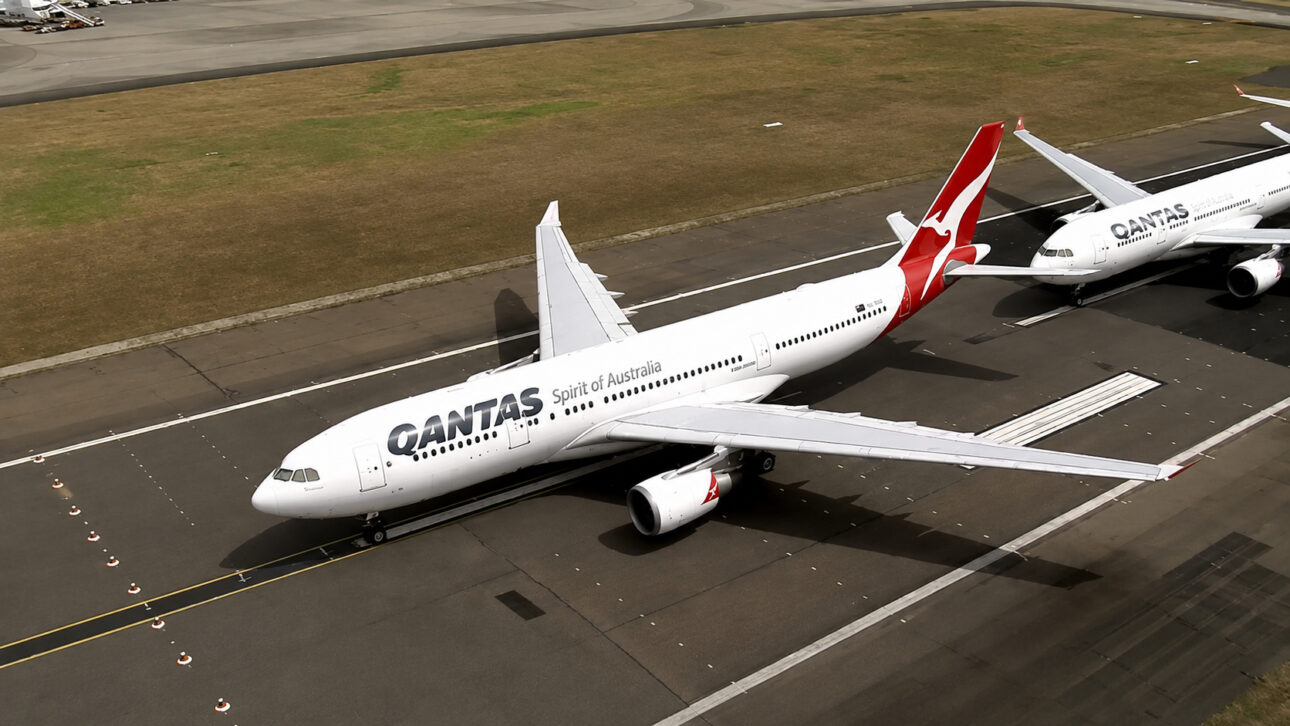
Qantas and Airbus are making the investment through Climate Tech Partners, a fund focused on new aviation technologies. Wildfire Energy received $2 million to advance the creation of the first commercial operation.
The amount adds to $3.15 million granted by the Australian Renewable Energy Agency, known as ARENA. The resources help the company develop the technology and take the project to a larger stage in Brisbane.
The investment does not mean that the fuel is ready for use at airports. The goal is to take the technology from the pilot unit and demonstrate that it can function in a commercial operation.
Household waste does not go directly into airplane tanks
Using unsorted waste does not mean that the residues will be used without treatment. Wildfire Energy receives mixed materials and does not require everything to be clean or prepared before the process. The first result is a gas, not ready fuel.
Then, this gas can go through new stages to generate products for energy and liquid fuels. To reach the sustainable aviation fuel, it needs to be refined and meet the necessary conditions for use in aircraft.
The difference lies precisely in the type of material accepted by the company. Instead of relying solely on already separated waste, the technology tries to utilize a part of common waste that would normally have another destination.
Commercial plant in Brisbane will be the test that separates project and market
The Australian, an Australian business and technology newspaper, detailed that Wildfire Energy maintains a pilot unit in Brisbane and is developing the first commercial plant in the same city.
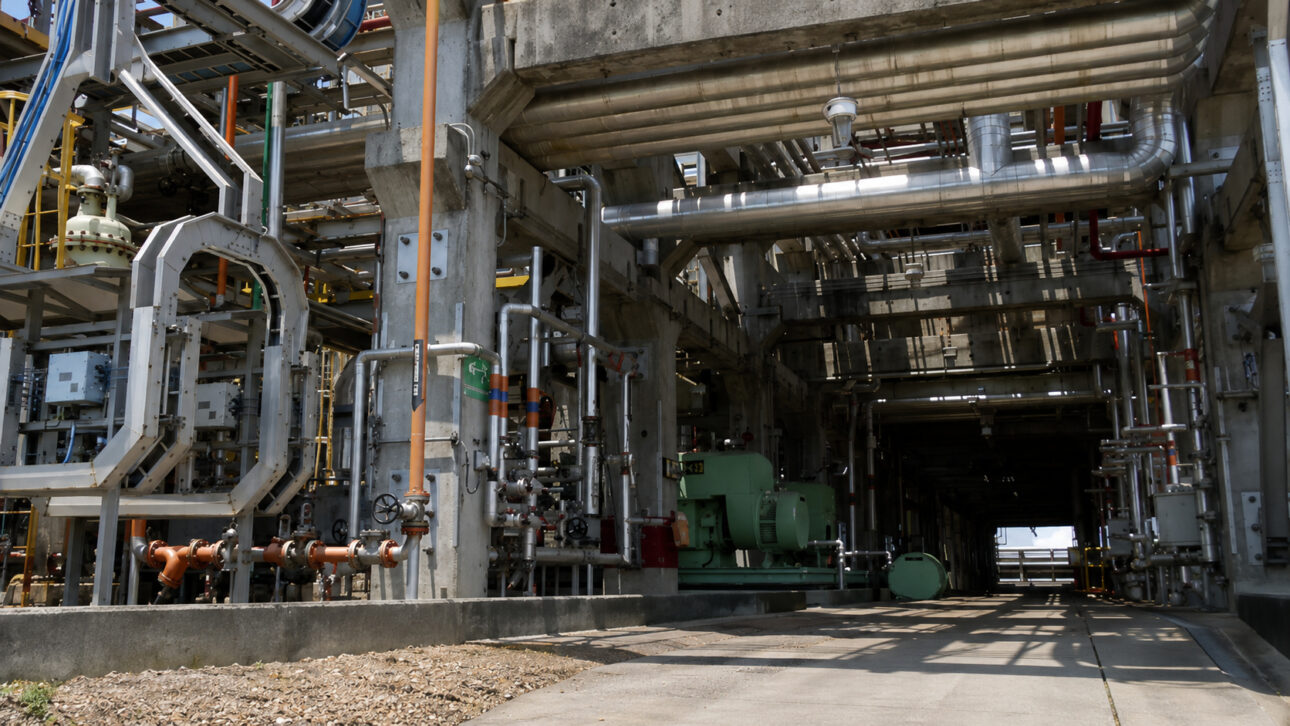
The pilot unit serves to show that the process works on a smaller scale. The commercial plant needs to prove that the company can replicate the result on a larger scale and turn the idea into continuous production.
Therefore, there is no announcement of fuel available in large quantities at airports nor a promise of an automatic drop in ticket prices. The technology still needs to reach commercial scale.
Airplanes still depend on liquid fuel from oil
Large airplanes continue to depend on liquid fuel for long trips. Electric and hydrogen-powered aircraft still cannot carry a full load of passengers on the same routes used by commercial aviation.
Sustainable aviation fuel appears as an alternative to reduce dependence on petroleum kerosene. In 2026, its production covers only 0.8% of the world’s aviation consumption and costs about three times more than regular fuel.
In Brazil, separating waste continues to make a difference
In Brazil, selective collection involves gathering materials that have already been separated, such as paper, plastic, glass, and metal. This step helps prevent items with a chance of reuse from being mixed with food scraps and other waste.
Landfills should primarily receive what cannot be reused. When everything arrives mixed, separation becomes more difficult, and part of the recyclable material may lose value.
Australian technology does not eliminate the importance of recycling. It opens another possibility for waste that arrives mixed and that, in many cases, would end up going to landfills.
Fuel security does not mean cheaper tickets
Australia imports more than 90% of the fuel used by its planes. Local production made with waste could reduce this dependency, but only if the technology achieves commercial results and produces sufficient volume.
For the passenger, there is no immediate change. The project still needs to prove that it can transform household waste into aviation fuel continuously, safely, and feasibly outside the pilot unit.
Qantas and Airbus support an attempt to use mixed household waste to produce gas and then sustainable aviation fuel. Wildfire Energy already operates a pilot unit, but the commercial plant in Brisbane will be the decisive point for the project’s future.
The case unites two problems affecting cities and companies, the destination of waste and the dependency on oil for airplanes. Even so, the fuel is not ready to supply flights and there is no promise of cheaper tickets.
Do you believe that unsorted household waste should become fuel only after all recyclable material is removed, or can this technology reduce landfill dependency? Tell us in the comments and share this post.