
The National Petroleum Agency approved on Monday the inclusion of 86 new exploratory blocks in the Equatorial Margin, the stretch of sea extending from Amapá to Rio Grande do Norte, which has become the country’s biggest bet to replenish the dwindling oil reserves.
The decision came from the ANP board and carries weight far beyond the technical paperwork. The 86 blocks are distributed across three basins on the northern and northeastern coast: 36 in the Foz do Amazonas Basin, off the coast of Amapá, 25 in the Pará-Maranhão Basin, and 25 in the Barreirinhas Basin, in Maranhão. Together, they form the heart of the Equatorial Margin, the stretch of continental shelf that geologists compare to the coast of Guyana, where ExxonMobil found one of the largest oil fields in recent decades.
I confess that, upon reading the announcement, what caught my attention was not the number itself, but the message behind it. Brazil is in a hurry to open new frontiers before production starts to decline, and this urgency has just been given an address on the map.
What the ANP actually decided
It is important to separate what has happened from what has not yet happened. The agency’s board did not put the 86 blocks up for sale. What it approved was the inclusion of these areas for study for a future offer within the Permanent Offer of Concession, the model in which the blocks are continuously available and auctioned in cycles. In practice, it’s the first stamp on a long path.
-
Warren Buffett’s Lesson: How Discipline, Extra Income, and Small Investments Can Transform Your Financial Future

-
Brazilian Startup Turns Coffee Grounds into Plant-Based Leather, Cutting Water Use by Over 50 Times for High-Impact Sustainable Fashion

-
Eco Invest Auction Aims to Unlock $10 Billion in Investments, Focusing on Green Fertilizers, Critical Minerals, Batteries, and AI for Clean Industry in Brazil

-
Half of Brazilians Prefer Lower Taxes with Private Health and Education, While 44% Opt for Higher Taxes for State-Provided Services, Datafolha Survey Reveals




These blocks do not enter the 6th Cycle of the Permanent Offer, scheduled for October 7 of this year. Before reaching an auction, the areas still need to undergo a public hearing, new technical evaluation, and final approval from the ANP itself, not to mention environmental licensing, which in the Equatorial Margin is often the most delicate bottleneck of all.

Why the Foz do Amazonas draws attention
Of the 86 blocks, 36 are in the Foz do Amazonas, and this is no coincidence. This is the basin that Petrobras treats as the top priority of the new frontier. In the June 2025 auction, the state company, in consortium with ExxonMobil, acquired 10 of the 47 blocks offered in the region, a clear sign that the oil companies see potential there similar to that of neighboring Guyana, on the other side of the maritime border.
The logic is geological. The same rock formation that made Guyana leap from a country without oil to a significant exporter in a few years extends to the Brazilian side. No one guarantees that the oil is there in the same quantity, but the similarity is large enough to justify the race for areas and to explain why the ANP wants to have as many blocks as possible ready on the shelf.
The race against the clock of reserves
Behind the rush is a warning that the ANP itself has been repeating: if Brazil does not open new exploratory frontiers and incorporate reserves, offshore oil production should begin to decline from 2027. The pre-salt, which currently sustains national records, has an expiration date, and the Equatorial Margin appears as the main candidate to hold the decline in the following decade.
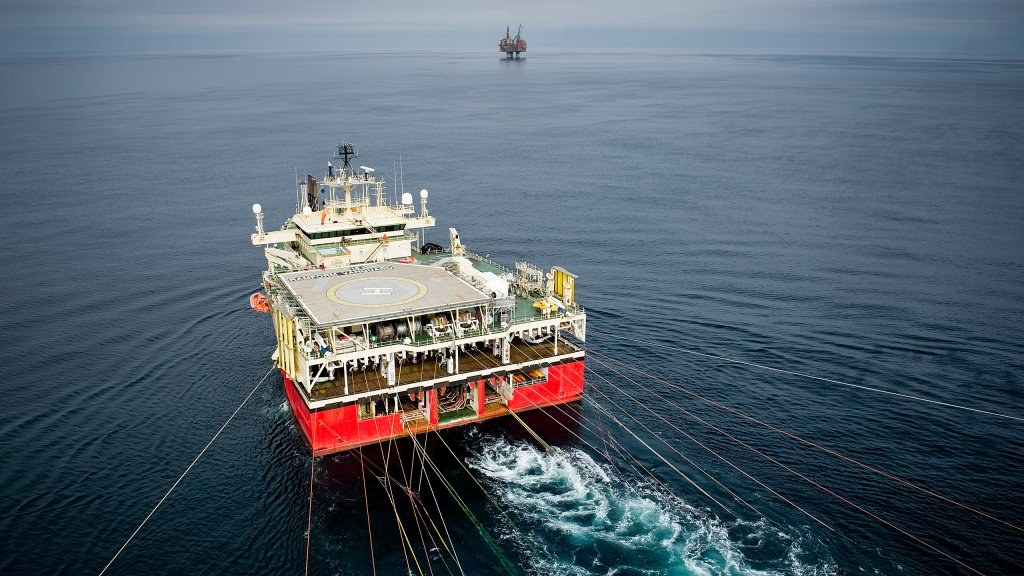
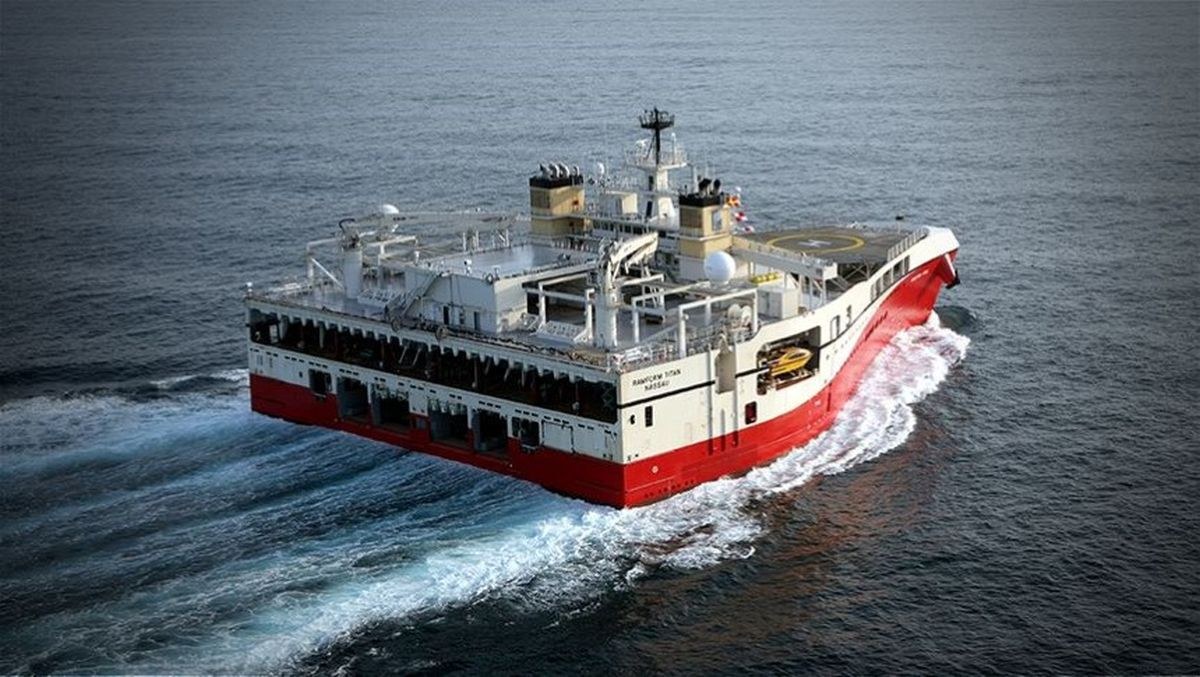
This is where the 86 blocks gain strategic meaning. It’s not about drilling tomorrow, but ensuring that, in five or ten years, there are mapped, licensed areas ready to receive rigs. The current phase is precisely the study of the seabed, conducted by ships that emit acoustic waves to outline what exists beneath the seabed before any well is opened.
What could still block the path
Even with the board’s approval, the path is far from guaranteed. The Equatorial Margin concentrates environmentally sensitive areas, close to the mouth of one of the largest rivers on the planet, and each block will have to pass the scrutiny of the environmental agency before any drilling. The agency’s expectation is that the expansion of the offer will give predictability to companies and keep the country attractive at a time when global oil companies are carefully choosing where to invest their money.
I imagine the size of the bet: 86 areas placed on the conveyor belt at once in a region that has not yet delivered a single commercial barrel, but which could redraw the map of Brazilian oil. If it works, the northern coast becomes the new star of national production. If not, the lesson, and the cost, of the studies remain.
Do you think Brazil should accelerate exploration of the Equatorial Margin or slow down due to environmental concerns?