






 Portuguese
  Spanish
  4 min of reading
  0 comments


With Vast Reserves Of Strategic Minerals And Growing International Attention, Brazil Positions Itself In A Silent Dispute That Could Redefine Its Economic, Environmental And Geopolitical Role In The Coming Decades, Amid The Global Race For Clean Energy.
Rich in strategic resources like lithium, niobium and graphite, Brazil positions itself as a key player in the new global energy geopolitics.
The transition to a low-carbon economy has increased the importance of so-called critical minerals, essential for clean technologies such as batteries, solar panels, electric vehicles and wind turbines.
In this context, Brazil has been gaining international prominence not only for its vast reserve of these minerals but also for its relative institutional stability, tradition as a reliable exporter, and growing integration into global supply chains.
-
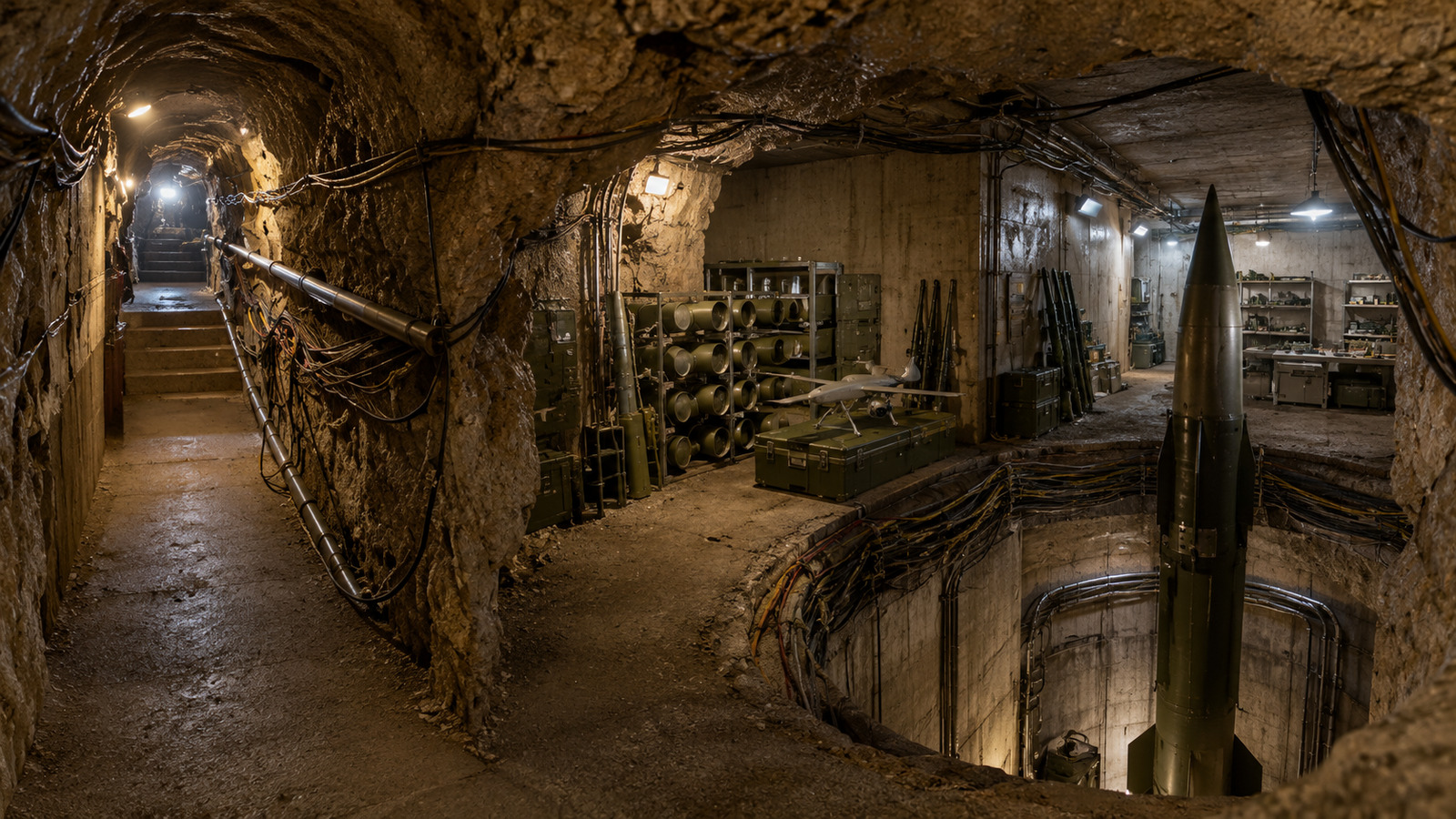
Israel finds Hezbollah militarized tunnel over 200 meters long under village, with 4 missile launch shafts, 12 chambers, anti-tank missiles, drones, and weapons depots at a depth of 25 meters.

-
Ukraine launches largest drone attack on Moscow since 2022, Russia claims to have intercepted nearly 200 aircraft near the capital, Kapotnya refinery targeted again, and offensive reignites alert about war reaching the Russian energy heart just a few kilometers from the Kremlin.

-
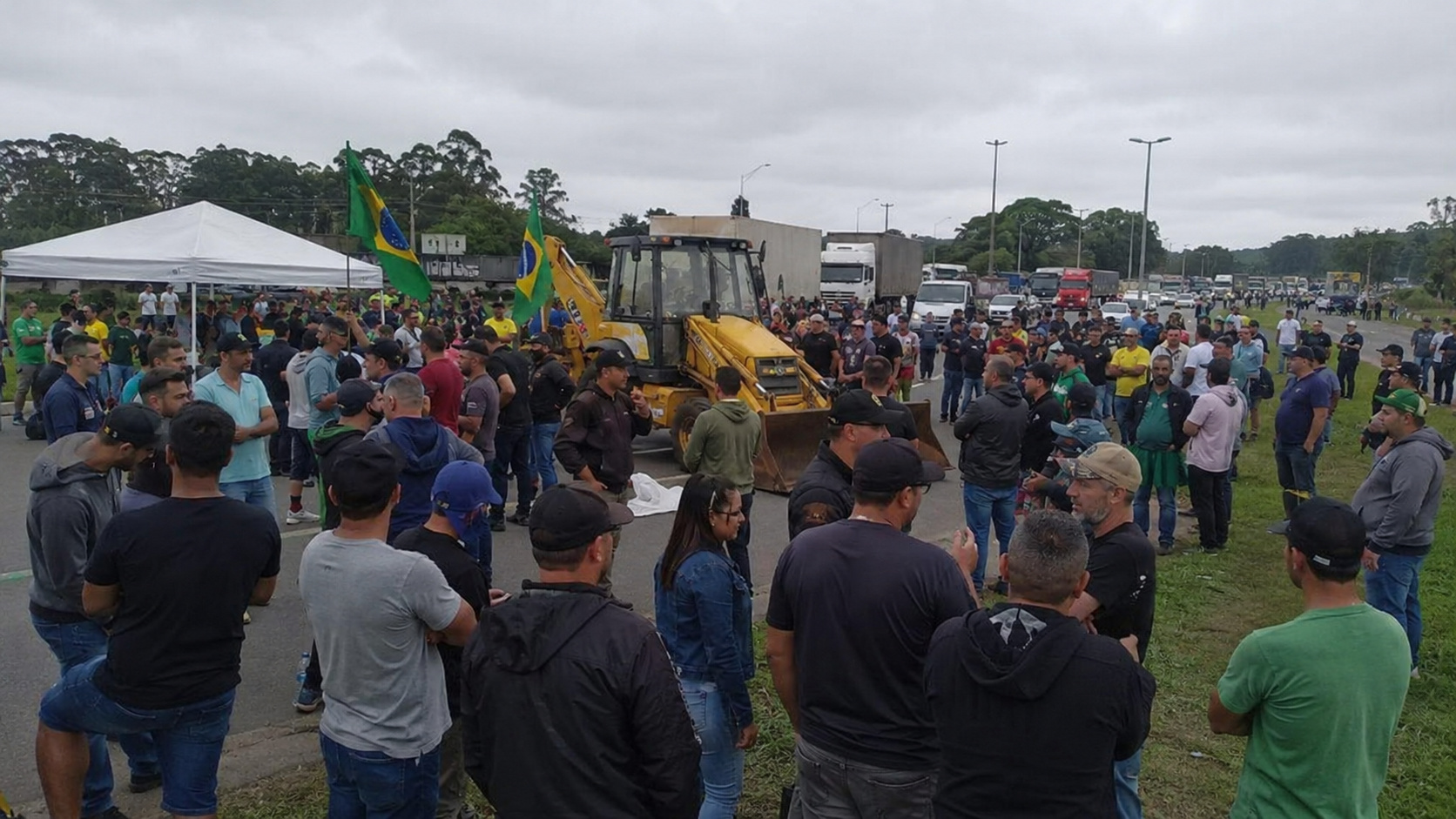
Truck drivers, freight, and fines from 2022 take center stage in politics: Chamber approves MP with amnesty, mandatory tracking by CIOT, million-dollar penalties, and new minimum wage for those who spend more than 24 hours on the road.

-
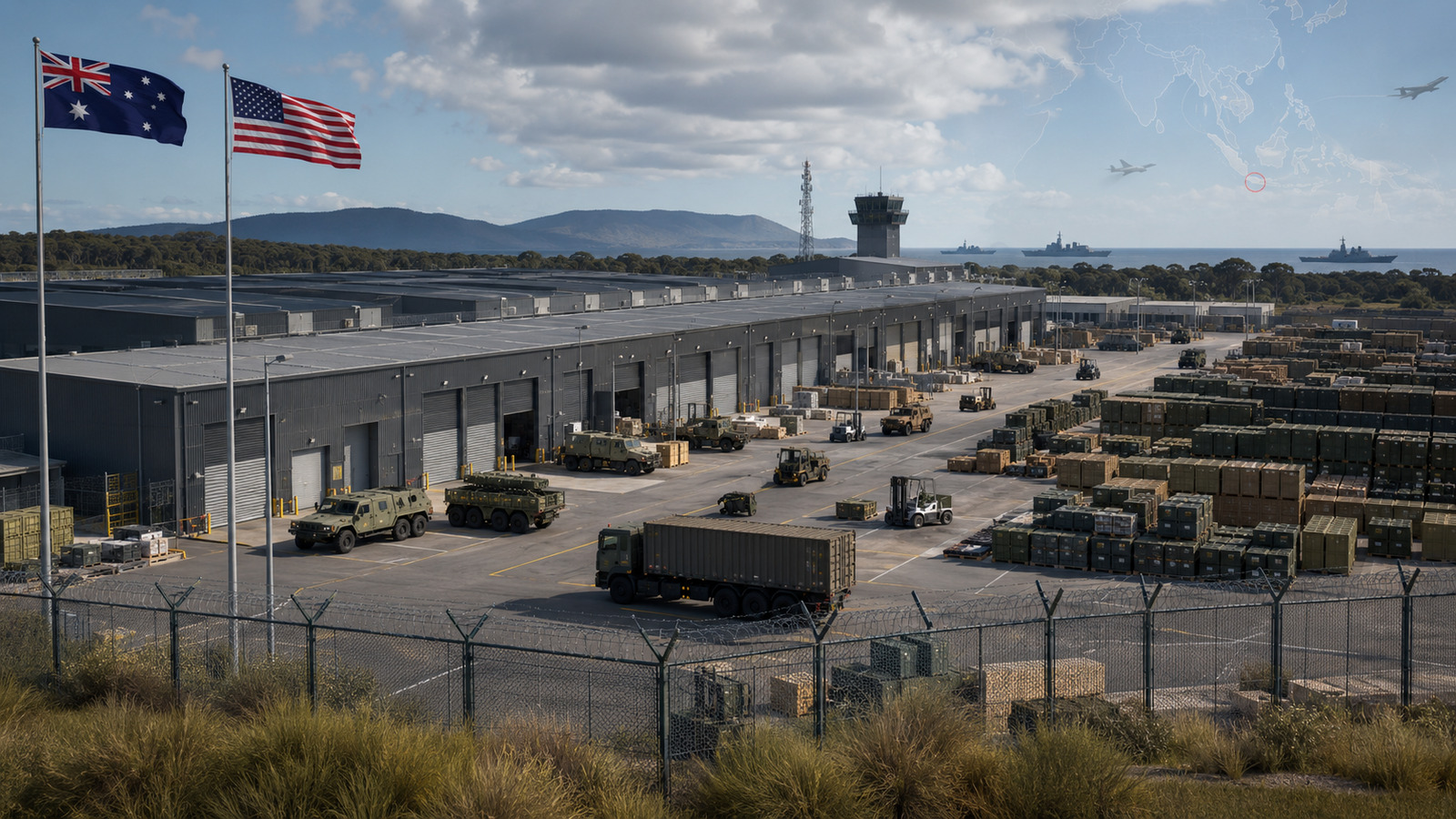
China off the radar: US plans mega $30 million weapons depot in Australia, out of reach of most Chinese missiles, with full capacity expected by 2028

In a global scenario marked by the geopolitical dispute among major powers, Brazil emerges as a strategic supplier of resources considered vital for the 21st century.
Strategic Resources On The Rise
Minerals such as lithium, niobium, copper, nickel, graphite, and rare earth elements are increasingly coveted by the global industry.
They are indispensable components for the manufacturing of lithium-ion batteries, used in cell phones, laptops, and especially electric vehicles.
They also have fundamental applications in the construction of wind turbines, energy storage systems, and solar generation infrastructure.
The International Energy Agency (IEA) projects that demand for lithium could grow up to 40 times by 2040, driven by energy transition policies and global decarbonization targets.
Valley Of Jequitinhonha And The New Lithium Rush
Brazil already holds a prominent position in niobium supply, accounting for about 90% of global production.
However, it is lithium — especially in the Valley of Jequitinhonha, in Minas Gerais — that has been attracting more attention recently.
The region has become known as the “lithium route” and has transformed into a hub of intense mining activity.
Companies from Brazil, China, the United States, Australia, and the European Union are competing for exploration areas and increasing investments in mineral infrastructure.
According to data from the National Mining Agency (ANM), lithium mining requests grew by more than 250% in 2024 compared to the previous year.
In addition, the Brazilian government has included lithium in the National Mining Plan as a priority resource, which increases incentives and accelerates licensing processes.
Geopolitical Dispute Favors Brazil
The growing tension between China and the United States, combined with the search for alternative sources of critical raw materials, places Brazil in a strategic position.
According to the Brazilian Institute of Geography and Statistics (IBGE), the country has large unexploited deposits with sustainable exploration potential.
Governments and companies are seeking partners outside of conflict centers, and Brazil offers lower geopolitical risk along with an abundance of resources.
This geographic and political advantage could be decisive in the reconfiguration of global production chains.
Moreover, the pressure for greater traceability, sustainability, and environmental justice in supply chains benefits countries that adopt good environmental and social practices — a requirement increasingly present in international trade agreements.
Economic Opportunity And Industrial Challenge
Despite its mineral potential, Brazil still exports most of these resources in raw form, without adding value, which limits the development of internal technological sectors.
Experts advocate that the country implement an industrial policy focused on verticalizing the production chain, with incentives for local mineral processing.
The establishment of research centers, refineries, component factories, and even recycling units could generate skilled jobs and increase the competitiveness of the national industry.
Countries such as China and the United States have adopted aggressive industrial policies to ensure autonomy over their strategic minerals.
If Brazil wants to compete in this new global order, it will need to do the same, aligning economic incentives with efficient and environmentally responsible governance.
Climate Diplomacy And Mineral Sovereignty
In addition to the economic impacts, control over critical minerals also has diplomatic implications.
Countries that hold these resources gain greater bargaining power in international forums, such as the Conference of the Parties on Climate (COP) and the G20.
By aligning its mineral policy with climate commitments and sustainable development goals, Brazil can strengthen its geopolitical position and attract international funding.
On the other hand, concerns about national sovereignty over these riches are growing.
The influence of large foreign corporations in sensitive areas — especially in indigenous territories and traditional communities — creates tensions and requires more transparent and inclusive regulation.
Civil society organizations and social movements advocate that any expansion of mining occurs with respect for human and environmental rights.
Governance Is Essential For The Future
The management of Brazilian critical minerals in the coming years will play a decisive role in redefining the country’s role in the global economy.
The challenge will be to find a balance between attracting investments, promoting economic development, and ensuring the protection of ecosystems and communities.
This includes reviewing regulatory frameworks, strengthening oversight bodies, and ensuring social participation in mining decisions.
According to a report from the Organisation for Economic Co-operation and Development (OECD), countries that manage to reconcile mineral exploration with good governance practices are more successful in transforming natural wealth into lasting prosperity.
A Historical Chance For Brazil
The global race for strategic minerals represents a unique opportunity for Brazil to reposition itself on the international stage.
By adopting an integrated strategy that combines sustainability, innovation, and sovereignty, the country can lead the new green economy.
In a world increasingly dependent on clean technologies, the way Brazil manages its mineral wealth could define not only its geopolitical role but also its economic and environmental future.





Be the first to react!