






 Portuguese
  Spanish
  3 min of reading
  5 comments


China Already Accounts for 75% of Soybeans Exported by Brazil in 2025, Strengthening Its Position in Global Trade and Increasing Pressure on U.S. Producers.
China has reinforced its leading role in the global soybean market by increasing its share of imports from Brazil in 2025. Between January and July, the Asian country purchased 75.2% of all soybeans exported by Brazilians — equivalent to three out of four ships loaded with the grain.
The increase compared to the same period in 2024, when the index was 73%, highlights China’s growing dependence on domestic production.
This movement occurs amid trade tensions between Beijing and Washington, which remain without a definitive agreement.
-
Low-Demand Brazilian Beef Offal Gains Popularity Abroad: Indonesia Purchases $19.5 Million, Boosting Revenue and Reducing Waste

-
Soy Expansion in Former Brazilian Savanna Sparks Water and Land Conflicts in Major Agricultural Frontier
-
Mexican Pest Threatens U.S. Cattle Herds at Historic Lows, Potentially Boosting Brazilian Beef Exports as Burger Prices Soar

-
Avocado Boom for European and U.S. Markets Fuels Water Crisis in Drought-Stricken Chilean Region


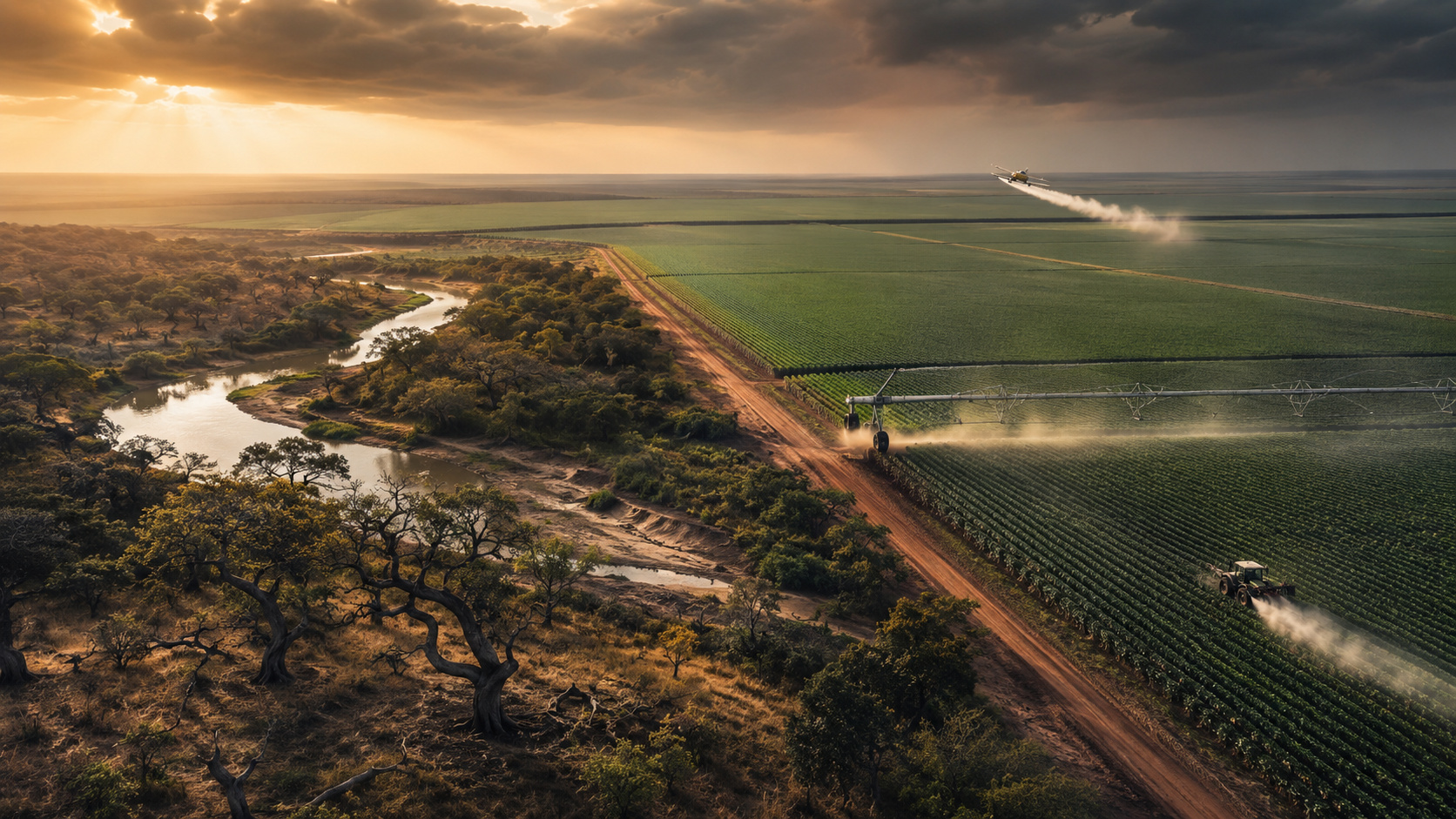


This dispute has favored Brazilian farmers, who are witnessing record Chinese demand.
China Prefers Brazilian Soybeans Over U.S. Grains
According to China’s General Administration of Customs, just in the first six months of 2025, 42.26 million tons of soybeans were imported from Brazil.
In contrast, the United States shipped 16.57 million tons during the same period.
The contrast became even more evident in July: purchases of Brazilian soybeans increased by 13.9% compared to 2024, while U.S. grains destined for China fell by 11.5%.
Impact on the Brazilian Domestic Market
This heightened demand directly reflects on soybean prices in Brazil. In Paranaguá (PR), the sack reached R$ 142.84, the highest value registered in 2025.
For analyst Vlamir Brandalizze of Brandalizze Consulting, the outlook is optimistic.
“We have a business rush; China has been buying a lot and has hit the historic record of purchases so far this year. We are already knocking on the door of 70 million tons of soybeans shipped to China. The premiums are among the best moments of the year,” he explained.
Pressure on U.S. Producers
While Brazil celebrates, American farmers express frustration.
In a letter sent to President Donald Trump, the association of U.S. soybean producers requested prompt negotiations for a trade agreement with China.
Producers warn of billion-dollar losses and the risk of permanently losing the Chinese market to Brazil.
Although Trump stated in early August that China could quadruple its soybean purchases from the U.S., experts see tariff reduction, still under discussion, as a more viable solution.
Data from the U.S. Department of Agriculture reinforces the concern: in the week ending August 8, cancellations of soybean shipments exceeded sales by 5,700 tons.
China, the main target for Americans, did not appear on the list of largest buyers during the period.
Opportunities and Risks for Brazil
According to Vlamir Brandalizze, Brazilian farmers will still have good business windows until September, with the possibility of high premiums.
However, he warns of a more stable scenario at the end of the year when Brazil and the U.S. will be in opposite phases of the agricultural calendar.
The coordinator of the Asia division at the Brazilian Center for International Relations (Cebri), Larissa Wachholz, emphasizes that China’s centrality brings gains but also risks.
“Brazil needs to evaluate its excessive dependence on China and prepare for possible geopolitical or trade changes,” she stated during the VII Seminar on Challenges of Brazilian Leadership in the Global Soybean Market.
For her, the long-term strategy should include diversification, with the opening of new consumer markets and strengthening Brazil’s position in international trade.
China and Soybeans: Strategic Partnership or Dangerous Dependence?
China’s strong presence in Brazilian soybean trade ensures immediate gains for agribusiness but raises alarms for future risks.
The lack of diversification may make Brazil vulnerable to political and economic changes in the Asian country.
For now, the reality is one of optimism in the field, with record exports and rising prices.





E a tendência é que esse país mequetrefe, ESTRAGOS Desunidos, se afogue em seu próprio veneno.
Todo produtor brasileiro é americano. O Brasil faz parte uai da América. Os doidos dos ESTRAGOS Desunidos são estadunidenses.
Esses **** faltaram às aulas de Geografia, História e Gramática.