






 Portuguese
  Spanish
  5 min of reading
  0 comments


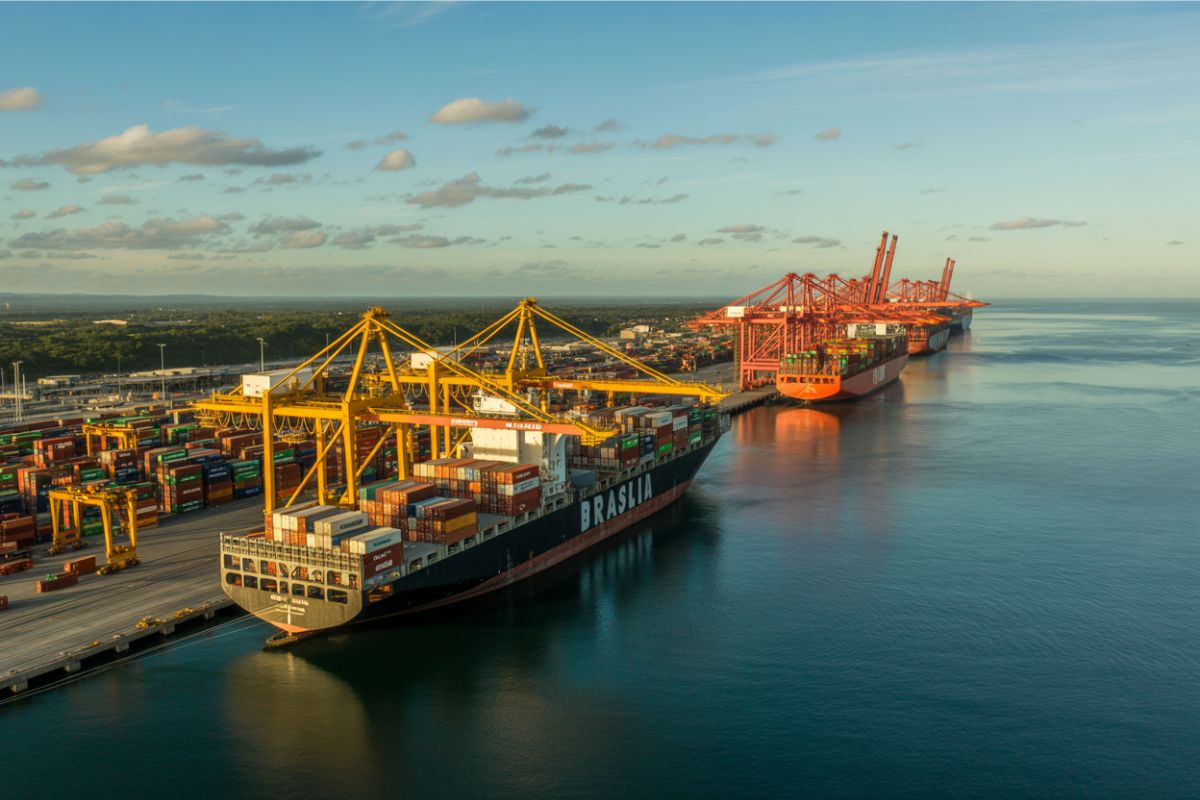
With Dredging Technology and Environmental Oversight in Real Time, New Port in Espírito Santo May Be a Global Reference in Sustainability
A new port with 25 meters of depth, capable of receiving the largest ships in the world and a structure comparable to the largest complexes in Asia and Europe, is being built in Brazil. The project, located in the municipality of Presidente Kennedy, in the extreme south of Espírito Santo, could represent a turning point for Brazilian logistics infrastructure and eliminate historical bottlenecks that have hindered the national economy for decades.
With a investment exceeding R$ 16 billion, the project already underway is private and will occupy a monumental area of almost 2 thousand hectares. The proposal is bold: to directly integrate the productive hubs of agribusiness, mining, and industry with foreign trade, reducing logistics costs and increasing Brazil’s competitiveness in global markets.
Strategic Location: From Unknown City to International Logistics Hub
Presidente Kennedy, once a little-known city on the national map, was strategically chosen for its proximity to the main economic regions in Brazil. Within a few hours, São Paulo, Rio de Janeiro, Minas Gerais, Goiás, and Mato Grosso are accessible, states that together represent over 63% of the national GDP.
-
North Korean Fiasco: Launch of the Largest Warship Ends in Sinking

-
While giant ships still burn heavy fuel and the maritime sector races against climate targets, Maersk and Vale are starting to bet on ethanol as a new route to reduce emissions at sea.

-
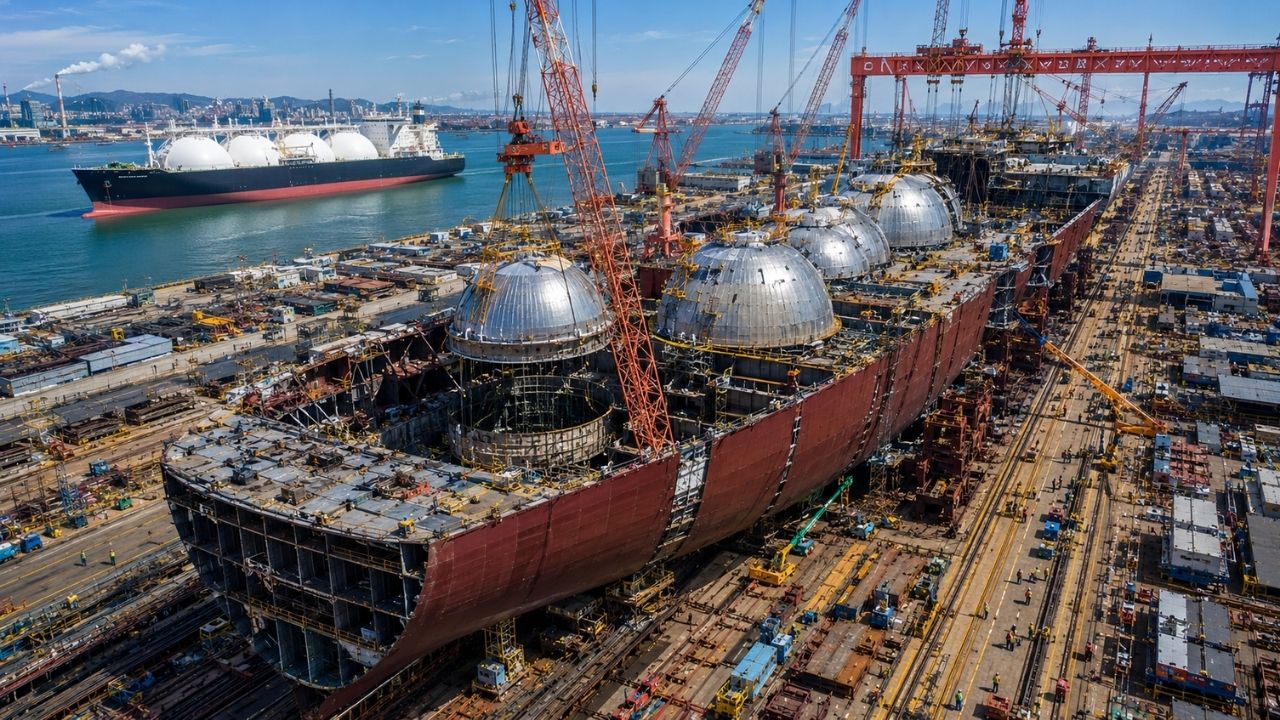
China begins construction of the world’s largest LNG ship, a 344-meter giant capable of supplying 4.7 million homes for a month, carrying 271,000 m³ of gas, and placing QatarEnergy in the largest naval order ever recorded in world history.
-
China is designing a container ship with a thorium nuclear reactor that will operate for 40 years without refueling, and the 25,000-container giant from Jiangnan Shipyard will cross oceans without emitting carbon in an industry that burns 300 million tons of fuel per year.



Furthermore, the location favors direct access to the pre-salt basins and the South Atlantic, connecting the new structure to international energy and general cargo flows. The project also includes a green area of over 230 hectares for environmental compensation actions, including the protection of culturally relevant sites, such as the historic Church of Our Lady of the Snow.
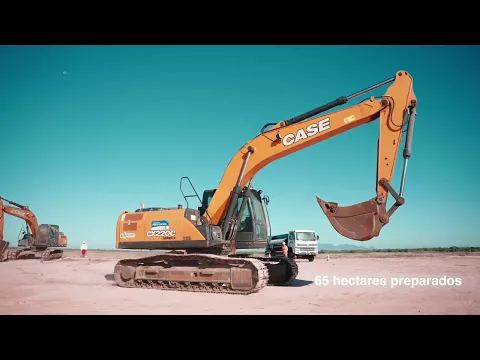
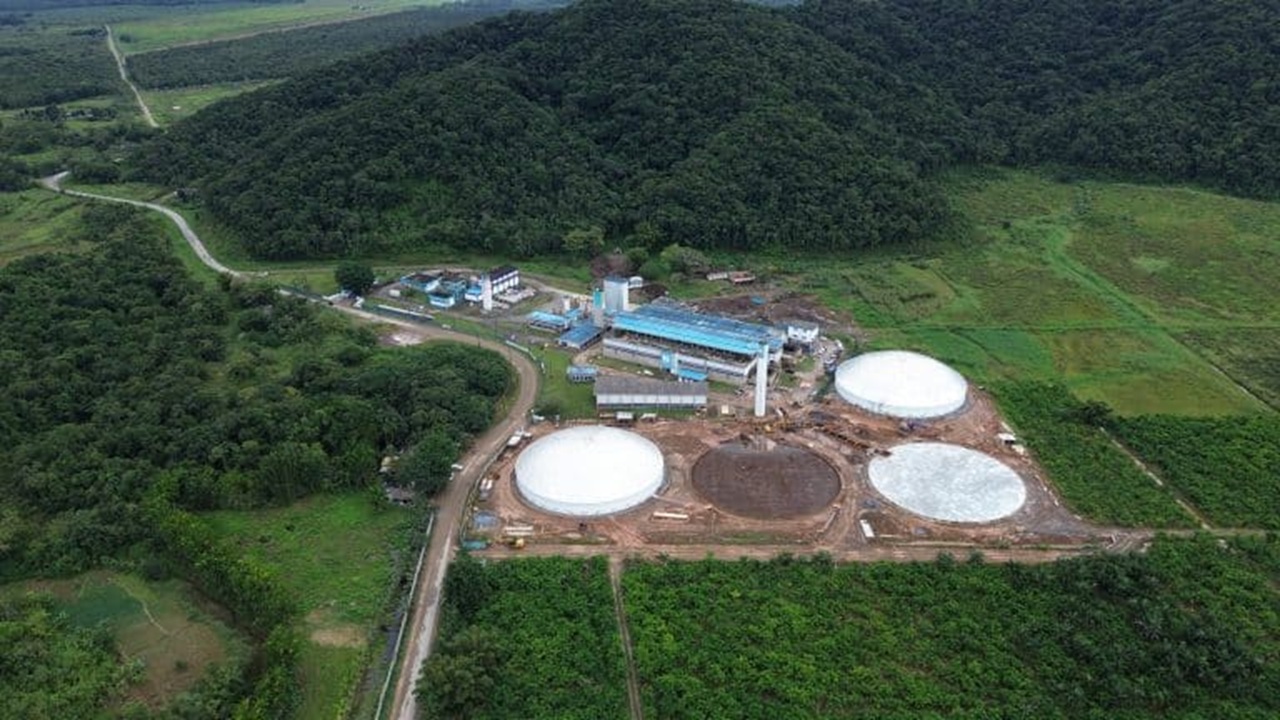
The first phase of the project is already underway, with 65.6 hectares of dry land under construction — equivalent to 92 football fields. But what truly differentiates this structure from other Brazilian ports is the maritime access channel: 25 meters of depth, sufficient to accommodate giant ships like VLCCs (Very Large Crude Carriers) and Valemax, vessels that are currently impossible to operate in national ports due to draft restrictions.
A Logistic Leap: The End of Dependency on Foreign Ports
Most of Brazil’s ports still operate with a maximum draft between 12 and 15 meters, limiting the entry of large ships and requiring the use of alternative solutions such as transshipment at sea or stops at ports in neighboring countries. This directly impacts freight costs and reduces the competitiveness of Brazilian products.
With the new port, strategic sectors such as oil, grains, minerals, and containers will have, for the first time, a direct export outlet on a large scale, without the need for stops, lines, or technical restrictions. A soybean producer in Mato Grosso, for example, will be able to send his cargo directly abroad, avoiding long and costly routes to the ports of Santos, Paranaguá, or Itaqui.
According to estimates, the investment in the port corresponds to almost one-third of the total budget of PAC 2023 for urban mobility. For comparison, it is almost the same value estimated for the complete construction of the Line 6–Orange of the São Paulo Metro, one of the largest urban works in the country.
Total Integration: Highways, Railways, Pipelines, and Cabotage in the Same Project
The infrastructure is not limited to the port itself. The plan includes an unprecedented multimodal integration in Brazil, with access via the main federal highways (BR-101, BR-262), state highways (ES-060, ES-162, ES-297), and, in the future, railway and pipeline connections.
Two strategic railroads are part of the project: the EF-118, which will connect the port to the Rio–Vitória axis, and the EF-352, which will cross Minas Gerais to reach Anápolis (GO), one of the main centers of Brazilian agribusiness. The construction of dedicated corridors for pipelines is also planned, including a possible connection with the future Route 6, a 332 km pipeline between Espírito Santo and Minas Gerais, aimed at natural gas and liquid bulk.
The initial dredging, already underway, will remove more than 64 million cubic meters of sediment, equivalent to 25 thousand Olympic-sized swimming pools. The operation will be conducted with real-time monitoring technology to ensure minimal environmental impact. A robust breakwater will also be built, designed to maintain navigability even in adverse weather conditions.

Already Visible Effects: Jobs, Industrialization, and New Perspectives for the Region
With the creation of a Free Trade Zone (ZPE), the project is expected to attract manufacturing and logistics industries to the region, stimulated by tax and operational incentives. Companies from different sectors will be able to settle around the port, exporting directly from the complex with reduced costs.
The creation of jobs has already started transforming the lives of the local population. Young people who previously left the city to seek work now find opportunities in areas such as construction, services, transportation, and port operations. Neighboring municipalities to Presidente Kennedy are also beginning to register increases in economic activity and real estate investments.
From an environmental perspective, the project is accompanied by more than 40 control and monitoring programs, with constant supervision from specialized agencies. The proposal is to reconcile development with preservation, adopting sustainable practices since the implementation phase.
Brazil Finally Enters the Route of Maritime Trade Giants
While countries such as China, United Arab Emirates, and the Netherlands have been operating with deep-water ports for decades, Brazil is now starting a new phase with the capacity to compete on equal terms. The construction of the port in Presidente Kennedy symbolizes not only a technical advance but a strategic repositioning of Brazil in international trade.
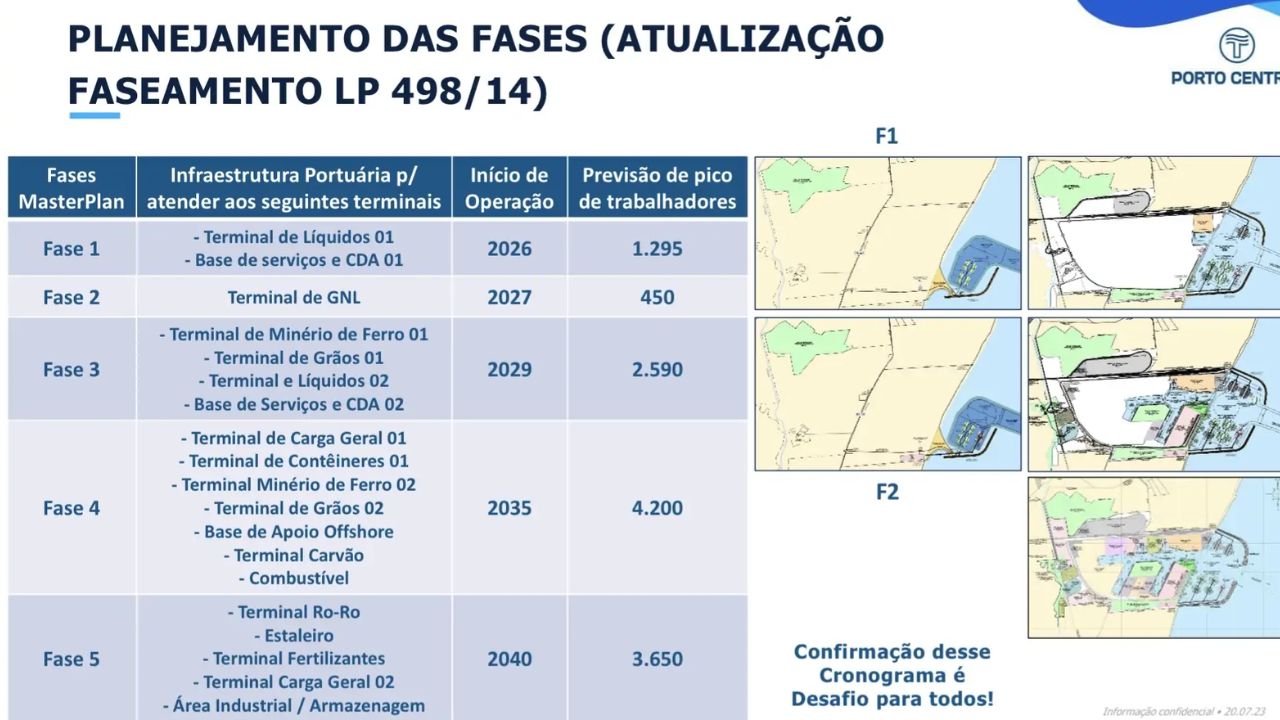
The expectation is that the complex will be fully completed by 2040, with five phases of progressive expansion. Each phase will represent a new window of opportunity for productive sectors, exporting companies, and, most importantly, for the modernization of national infrastructure.
If everything goes as planned, Espírito Santo — historically overshadowed by other states on the logistical map — could become one of the main commercial hubs in South America. And Presidente Kennedy, once forgotten, is expected to enter the global radar as a new reference in port logistics.






-

-

3 people reacted to this.