






 Portuguese
  Spanish


Brazil Leads Global Chicken Meat Exports with 5 Million Tons Per Year, Smart Farms, AI Traceability, and Operations Supplying Over 150 Countries.
While many countries still face challenges in modernizing their production chains, Brazil is already operating as a global agro-industrial powerhouse — and no sector illustrates this better than chicken meat. In 2024, the country consolidated its world leadership as the largest exporter of chicken meat, with over 5 million tons shipped and revenues exceeding US$ 10 billion, representing 35% of the entire global trade in the sector.
But what lies behind this dominance is not just the abundance of grains or favorable climate: Brazil is at the forefront with smart farms, artificial intelligence traceability systems, and technology applied to animal health and welfare. With this, it feeds not only the country itself but also billions of consumers in over 150 countries — from Asia to the Middle East, from Europe to Africa.
Chicken Meat Export: Brazil at the Top of the World
According to official data from 2023 and 2024, Brazil is the absolute leader in chicken meat exports. In 2024, there were around 5 million tons exported, generating US$ 9.8 to 10 billion in revenue and accounting for more than a third of the global market.
-
Producer receives news and had to cull almost the entire herd, bounced back with the help of compensation, and is now producing 450 liters of milk per day in SC.

-
Quail Eggs Reveal a “Secret Code” on Their Shells Explaining Unique Patterns and Colors

-
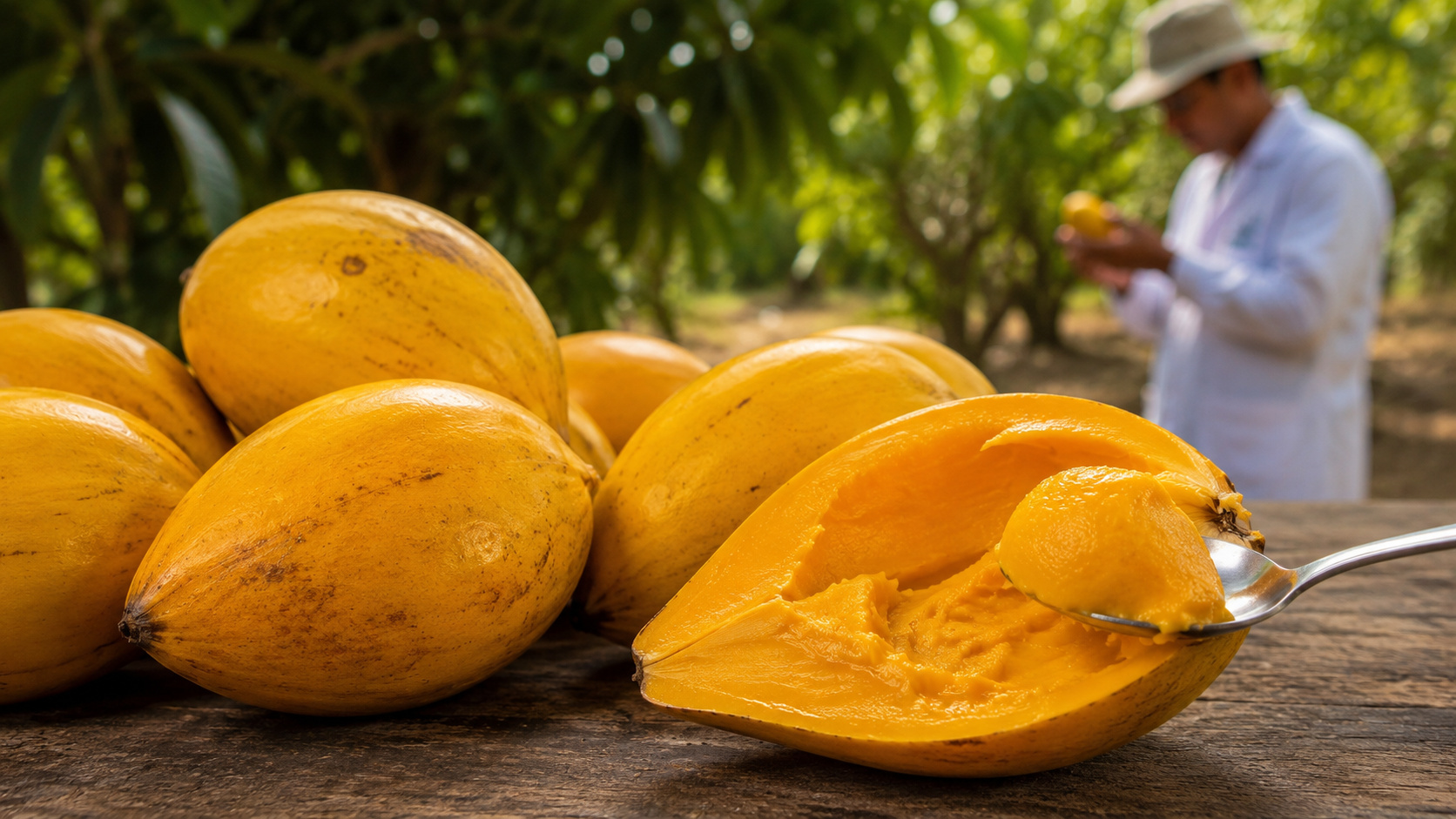
Rare Tropical Fruit Canistel, with Egg Yolk Color and Caramel Flavor, Gains Interest from Researchers and Small Producers in Brazil
-
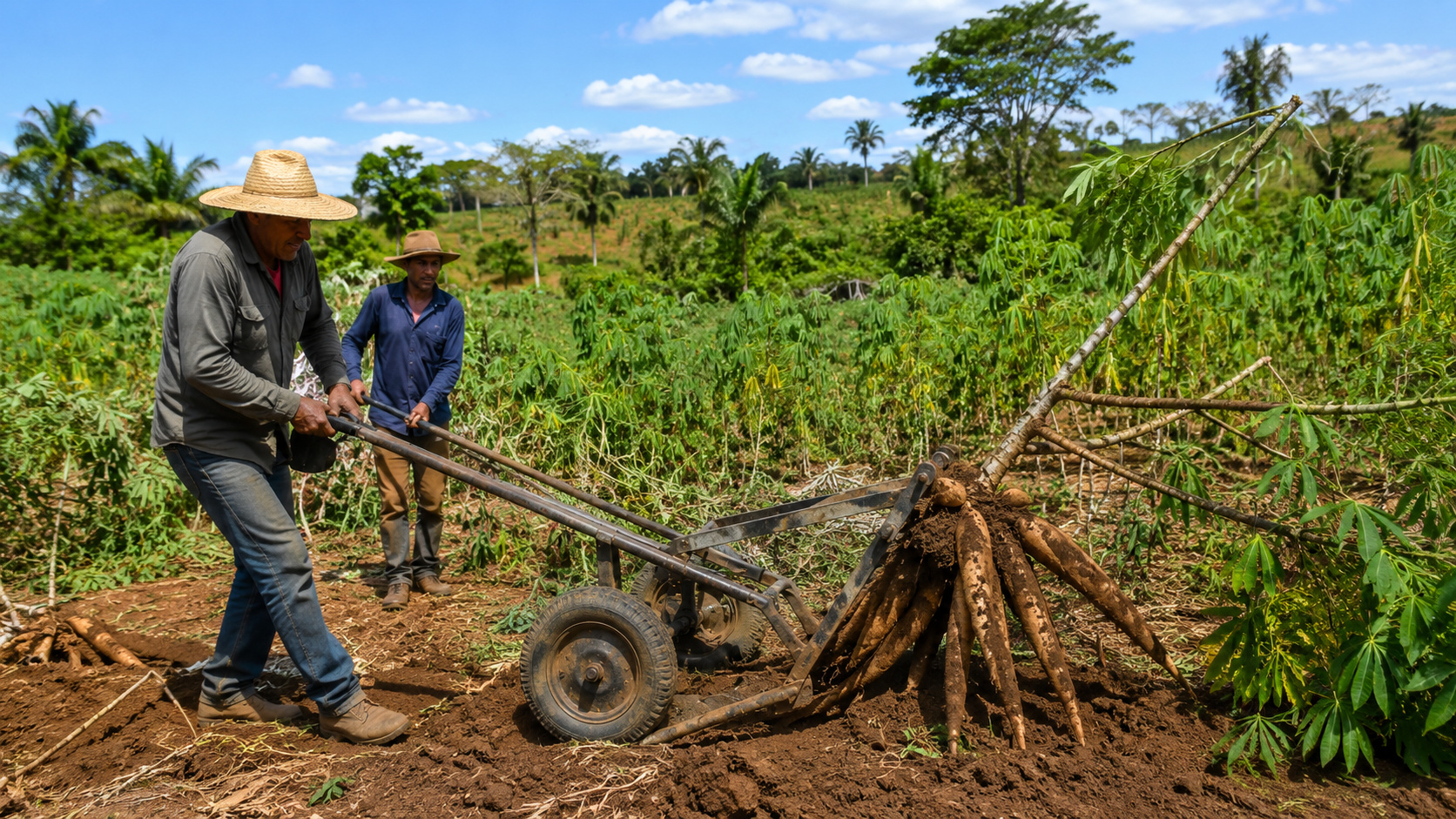
Brazilian Farmers Develop Wheeled Metal Lever to Ease Cassava Harvesting Without Heavy Machinery




In the first quarter of 2025, the country already exported 1.39 million tons, a growth of 13.7% in volume and 21% in value, compared to the same period the previous year. This confirms that international demand continues to rise, and that Brazil maintains its delivery capacity with sanitary excellence, competitive volume, and globally recognized quality.
The main destinations for Brazilian exports include:
- China (main buyer by value)
- Saudi Arabia and United Arab Emirates
- Japan and South Korea
- European Union
- South Africa, Egypt, Iraq, and Mexico
In total, Brazilian chicken meat reaches about 150 to 170 countries, demonstrating an impressive logistical and diplomatic reach.
Technological Farm and Animal Traceability: The New Agro of Brazil
The success of Brazil in the poultry sector is not limited to volume — it is supported by large-scale technological innovation, especially in large integrations and cooperatives.
Today, several Brazilian farms already operate with:
- Automated LED lighting, which regulates the growth cycle of birds based on chronobiology.
- Intelligent ventilation and climate control systems, which maintain ideal temperature and humidity with lower energy consumption.
- Presence and movement sensors, which identify animal behavior patterns and alert to possible outbreaks or stress.
- AI platforms for traceability, which connect data from the birth of the bird to international shipping, ensuring sanitary transparency and origin control.
- Real-time environmental monitoring, with data integrated to the cloud via IoT (Internet of Things), allowing for quick decision-making by technicians and veterinarians.
Although total adoption still varies by region, smart farms are already a reality in the south, southeast, and midwest of the country — especially among the largest groups, such as BRF, JBS, Aurora, Copacol, and Lar Cooperative.
A Highly Integrated System: From Seed to Container
The Brazilian differential is also in how the production system is vertically integrated. The largest companies control all stages of the chain:
- Grain production (corn and soy)
- Manufacture of balanced feeds
- Farm with strict sanitary control
- Slaughter with international certifications
- Refrigerated logistics to the port
This model guarantees cost efficiency, uniform quality standards, and international reliability — essential attributes for serving demanding markets such as Europe and Japan.
In addition, the country continuously invests in animal welfare certifications, halal, organic, and blockchain traceability, opening doors for high value-added niches.
Brazilian Chicken as a Global Strategic Asset
Brazil is not only an exporter — it is a diplomatic and sanitary reference in the global poultry protein trade. In various moments of crisis, such as avian flu outbreaks in other countries, it was Brazilian chicken that kept global supplies stable, without logistical or sanitary interruptions.
This reputation has been built over decades, with:
- Robust sanitary inspection (MAPA + internal systems of companies)
- Bi-lateral agreements with over 150 nations
- Adherence to international quality and food safety protocols
- Ability to adapt to cultural and religious preferences (such as halal cutting)
In times of food insecurity and geopolitical tensions, Brazilian chicken has become a strategic asset — accessible, safe, with reliable supply and in tune with new global standards of traceability and sustainability.
Sustainability: Less Carbon, More Efficiency
The chicken meat supply chain also features one of the smallest carbon footprints among animal proteins, which has become a global competitive differential. National production invests in:
- Reuse of organic waste
- Energy generation from biomass
- Rational water use
- Reduction of antibiotic use with biosecurity protocols
This allows Brazilian companies to achieve green certification, access ESG incentives, and enter premium markets with sustainable appeal.
Additionally, the short production cycle of birds (about 40 days), combined with efficient feed conversion, makes Brazilian chicken one of the most competitive and environmentally viable in the world.








Essa reportagem me deu vontade de assistir, mais uma vez, aquela ótima animação chamada “A Fuga das Galinhas”.