Portuguese
  Spanish


Survey by SOS Mata Atlântica identified herbicides, fungicides, insecticides, microplastics, and other substances in 14 points of the main river in São Paulo.
An environmental survey of great relevance identified 25 types of pesticides in the Tietê River, in São Paulo.
The substances were found at least once in water samples collected at 14 points of the river, during the Expedition Tietê 2025.
The action took place between June 9 and 14, 2025 and covered more than 1,100 kilometers, from the source in Salesópolis to the mouth in the Paraná River, in Itapura.
-
Young Entrepreneur Expands from 50 to 1,400 Chickens, Proving “Happy Hens” Can Be a Viable Business

-
Small Farm in Brazil’s Minas Gerais Produces 403 Liters of Milk Daily, Sets Benchmark for Rural Producers
-
Man Revives 1930s Abandoned Trout Farm, Learns from Scratch, and Earns $1.1 Million Annually Selling Fish to Michelin-Starred Restaurants

-
Bangladeshi Farmers Use Bamboo Levers to Pump Thousands of Liters of Water Daily Without Engines or Electricity



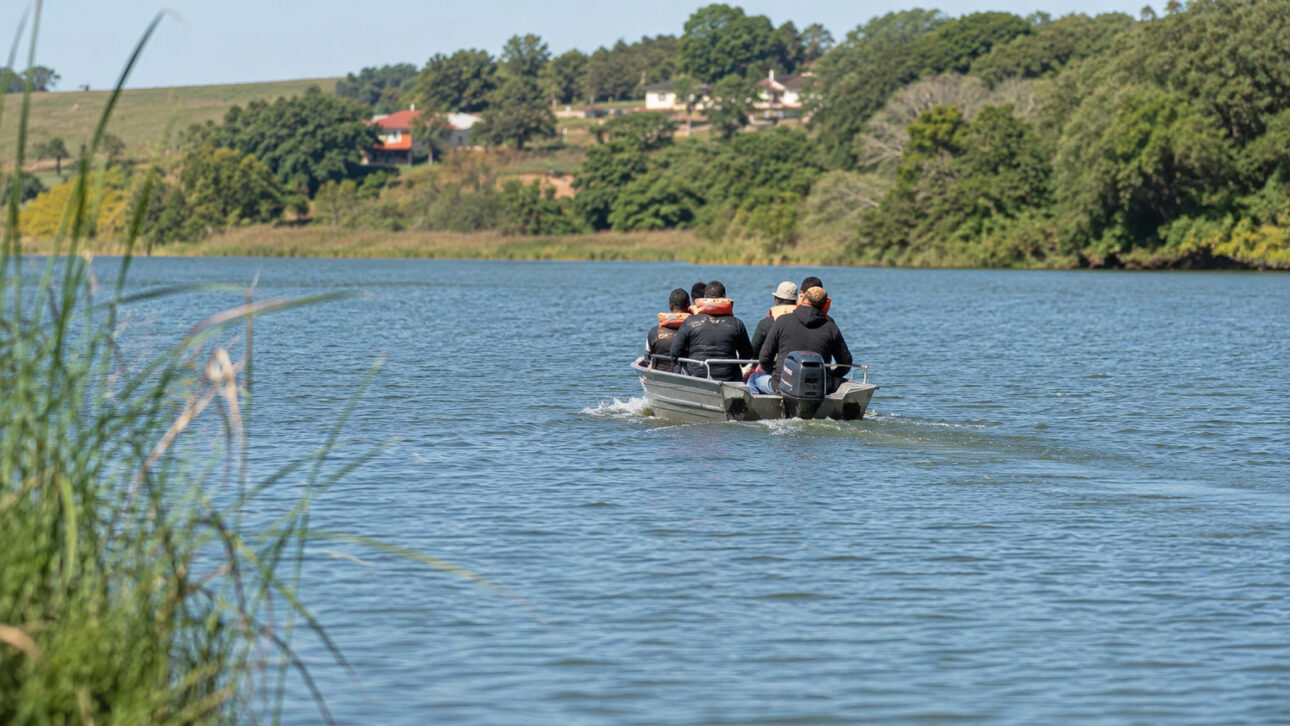
The study was conducted by the SOS Mata Atlântica Foundation, in partnership with universities, the Itaúsa Institute, and the Ecotoxicology Laboratory of CENA/USP.
Study reveals contamination by herbicides, fungicides, and insecticides
The analyses identified herbicides, fungicides, and insecticides used in common crops in the Tietê basin.
Among the crops associated with the region are sugarcane, soy, orange, and lemon.
Part of the pesticides applied to the plantations targets pests.
The rest can be carried by rain or infiltrate the soil, reaching rivers, streams, and other water sources.
Atrazine draws attention for health risks
Atrazine was one of the main alerts of the study.
The herbicide is used in Brazil to combat weeds.
The substance has been banned in the European Union since 2004, due to environmental and human health risks.
The World Health Organization, through its specialized agency, classified atrazine as a substance with potential carcinogenic effects.
In some sections of the Tietê, the concentration of atrazine exceeded the limit of Resolution Conama nº 357/2005.
This regulation defines water quality standards in Brazilian rivers.
Pesticides appear even at the source of the Tietê
The source region, in Salesópolis, is considered relatively preserved.
Even in this section, herbicides and insecticides were detected.
The highest concentrations appeared between Pirapora do Bom Jesus and Barra Bonita, an area marked by intense agricultural activity.
Two herbicides were found at all analyzed points:
- Tebutiurom: 100%
- Clomazona: 100%
Other compounds also had a high presence in the samples:
- Diurom: 92.86%
- Atrazine: 85.71%
- Hexazinone: 85.71%
- Cyproconazole: 85.71%
- Acetamiprid: 85.71%
- Azoxystrobin: 78.57%
- Ametryn: 78.57%
Environmental risks concern specialists
According to the study, fungicides and insecticides can harm fish and other aquatic organisms.
Possible impacts include changes in organism functioning, behavioral alterations, and imbalances in the food chain.
The risk can increase when multiple pesticides appear together.
The combination of these substances can enhance their effects in the aquatic environment.
The report also warns about the use of water from the Middle and Lower Tietê for public supply.
Conventional treatment systems do not always completely remove organic contaminants.
Expedition found microplastics and other substances
The Tietê Expedition also identified microplastics at all collection points.
The analyses also found 16 substances, including medications and illicit drugs, such as cocaine.
The study reinforces the importance of continuous monitoring of water quality in the Tietê River.
The research also highlights the need for attention to the impacts of agricultural activity, urban waste disposal, and chemical contamination in Brazilian rivers.
What does this alert reveal about the future of the Tietê?
The presence of pesticides, microplastics, and other substances shows that the recovery of the Tietê River still faces major challenges.
Although the river undergoes natural processes of dilution and self-purification, the detected contamination requires technical monitoring, transparency, and effective environmental policies.
Given this scenario, what should be the priority: increasing oversight of pesticide use or investing in more efficient water treatment technologies? Share your opinion!