Portuguese
  Spanish


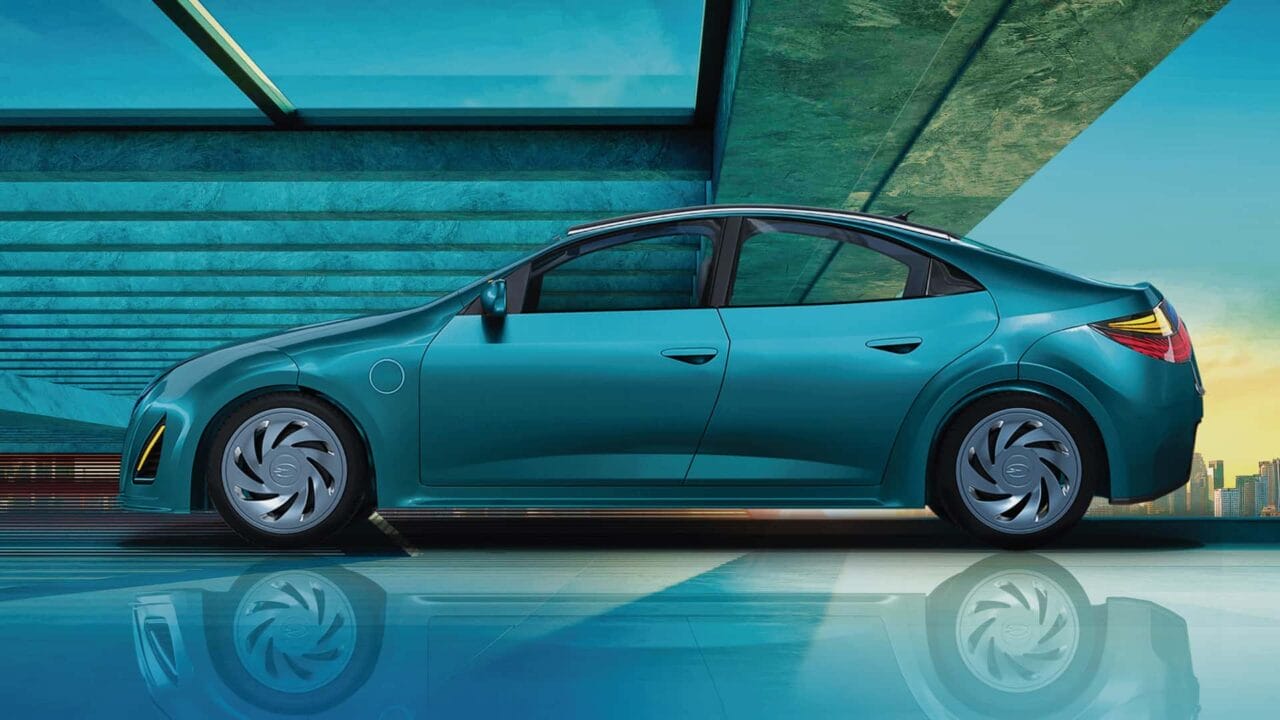

Lecar Plans to Develop the First Fully Brazilian Electric Vehicle, Following the Growing Global Trend of Electric Cars.
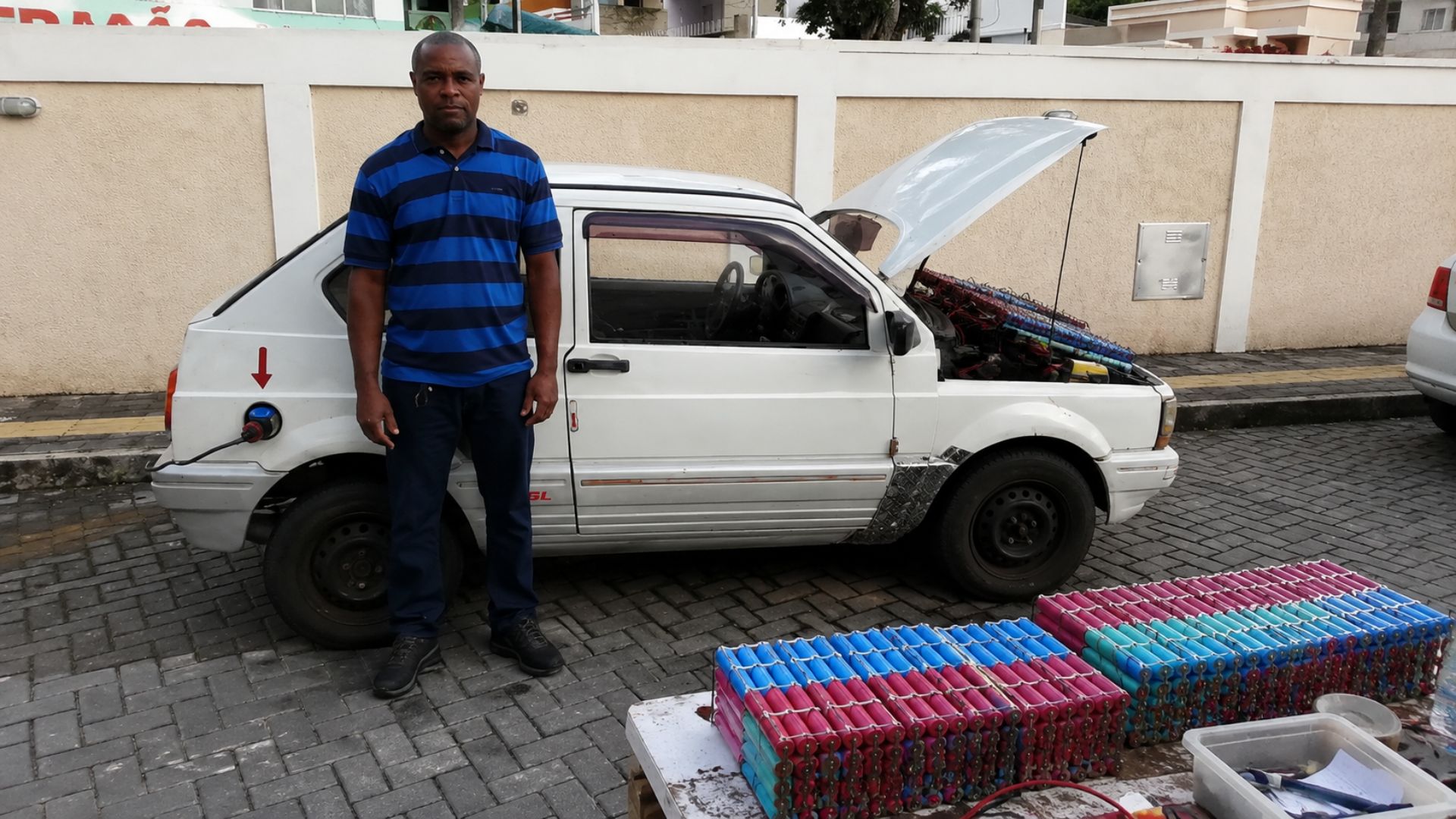
Brazil is about to witness a milestone in the automotive industry with the potential introduction of its first brand of electric car developed and produced nationally. At the forefront of this ambitious endeavor is Lecar, a company founded by entrepreneur Figueiredo Assis. Originally from the small town of Guaçuí, in the interior of Espírito Santo, and with a humble background, including studies at a public school, Figueiredo has always been confident that he would achieve a promising future. Lecar’s goal is to realize this dream by December of this year, bringing innovation and technology to the Brazilian automotive market.
The Story Behind Lecar’s Electric Vehicle
Flávio Figueiredo Assis promises to make history by launching the first electric car originally from Brazil. Going beyond contributing to the change of the energy matrix, positively impacting the environment, his goal is to change Brazil’s image to the world.
His inspiration is billionaire Elon Musk, who has a similar story to the Brazilian. Assis began his career as a banker and shortly thereafter ventured into entrepreneurship, founding Financial Contabilidade and becoming a reference in tax benefits, serving over 400 clients.
-
Honda and Nissan Form Alliance to Tackle Competition from Chinese Automakers After $9 Billion Loss

-
Hyundai Phases Out Powerful Engine in HB20, Reduces Turbo Version in Strategic Shift Affecting Creta and HB20S, Potentially Impacting Car Prices in Brazil.

-
Carflix Overcomes Setbacks to Achieve $250 Million in Used Car Sales with Backing from Mercado Livre and SMZTO, Aiming for 300 Locations and $650 Million Revenue

-
Brazil’s Cheapest Car Outperforms Onix, HB20, Polo, and More: Priced Under $15,000 with 1.0 Engine, 681 km Range, 75 HP, and Air Conditioning.




He then founded Lecard, a card administrator for the Worker’s Food Program (PAT) that saw an annual turnover of R$ 1 billion, serving over 600 municipalities and public agencies, and more than 3 thousand private companies.
In 2022, he sold Lecard with the aim of taking on an even greater mission: to create the first electric car manufacturer in Brazil. However, long before that, in 1993, he saw an opportunity with the law regulating the reduction of CO2 emissions from vehicles with a deadline of 2027, ending the use of combustion engines in automobiles produced starting in 2028. Focusing on this, he initiated Lecar, an industrial plant in Caxias do Sul, Rio Grande do Sul.
Meet the Lecar Model 459, First Brazilian Electric Car
Currently, the team consists of 30 professionals, many of whom have experience in important companies such as Gurgel, Troller, Toyota, Ford, JPX, Nissan, and Marcopolo. Assis states that Brazil is the eighth largest economy in the world and still does not have any Brazilian car manufacturers.
Lecar aims to change the course of history and the city of Caxias do Sul is the best location to set up the factory, given that several suppliers in the mobility ecosystem are located in the region.
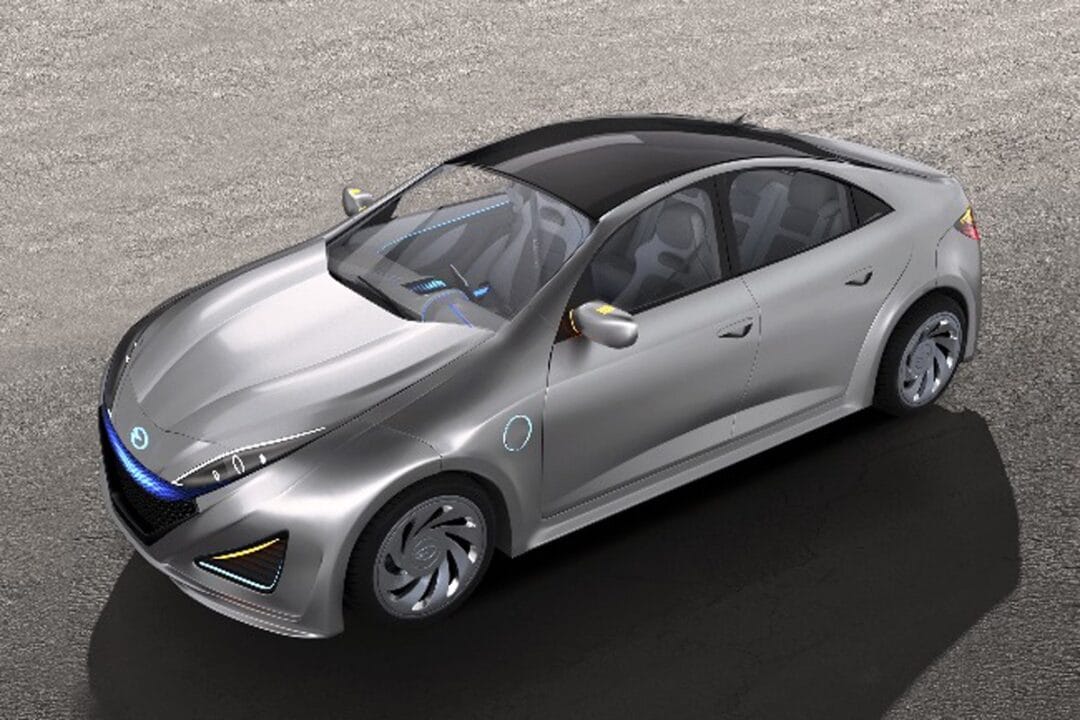
About 35% of the parts for the Lecar Model 459, the company’s first electric vehicle, will be imported from China. Motors and batteries will come from the Chinese manufacturer Winston, which also sells to other giants like Hyundai and Volkswagen.
The rest of the electric car will be produced in Brazil. According to Assis, Brazil is privileged, with suitable and abundant raw materials for the production of electric cars.
New Brazilian Electric Car Delivers Up to 400 km of Range
The electric vehicle, whose prototype is in development, will head next month to a series of homologations in London, England, where it will undergo evaluations of impact, aerodynamics, and safety simulators. This stage will last up to 9 months.
Subsequently, the product will enter production, expected to be available in the electric car market starting December 2024. The Lecar Model 459 will have a price of R$ 279,000 and a range of 400 km per charge.
Assis emphasizes that it is necessary for the government to recognize the importance of electric cars for Brazil and create an incentive policy aimed at achieving more competitive prices. The company also plans to create the Lecar POP, a budget version using batteries and electric motors manufactured in Brazil, which, with the same incentives for electric cars existing in various countries, would have an estimated cost of R$ 100,000 and a range of 200 km per charge.