






 Portuguese
  Spanish


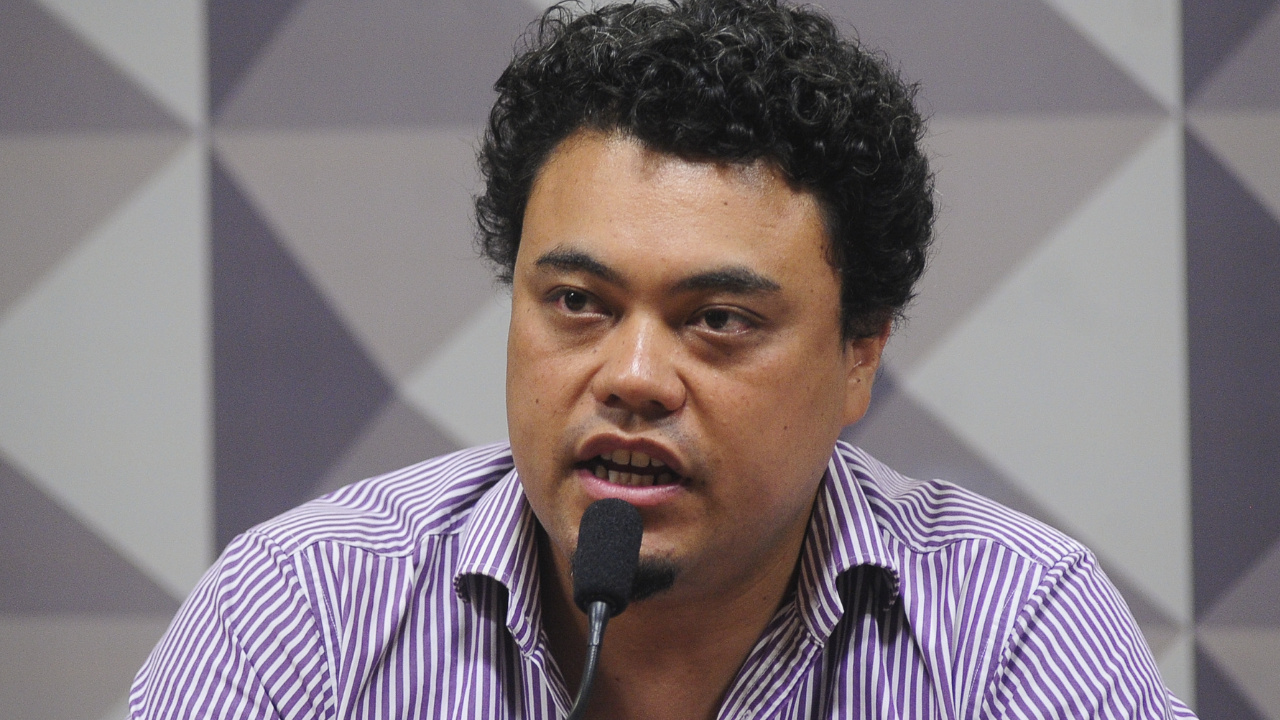

Leonardo Sakamoto criticized the decision of the Brazilian government to authorize oil research in the Amazon River mouth, comparing the country’s stance to that of Middle Eastern nations and demanding coherence between environmental discourse and political practice.
The debate about oil in Brazil has gained momentum after the federal government’s decision to authorize research in the Amazon River mouth. The measure has reignited the controversy between economic development and environmental preservation, especially on the eve of the COP30, which will be held in Belém.
For journalist and columnist Leonardo Sakamoto, the country is repeating a typical exploratory logic of the Middle East, prioritizing immediate gains and ignoring long-term environmental consequences. In an analysis on UOL News, he stated that Brazil is acting “as if there were no tomorrow.”
Contradictions of the Government and the Impasse in the Amazon River Mouth
The issue gained prominence after Ibama denied a license for Petrobras to conduct studies in the Amazon region. Still, the government maintained its pro-exploration rhetoric, which exposed internal contradictions between the environmentalist agenda championed by Lula in international forums and the internal economic pressures.
-
OPEC+ Boosts Oil Supply by 188,000 Barrels per Day in July 2026, Leading to Price Drop from $112 to $89 per Barrel in Under Two Months

-
TotalEnergies Signs 20-Year Deal to Purchase 2 Million Tons of LNG from Alaska, Boosting Project Viability
-
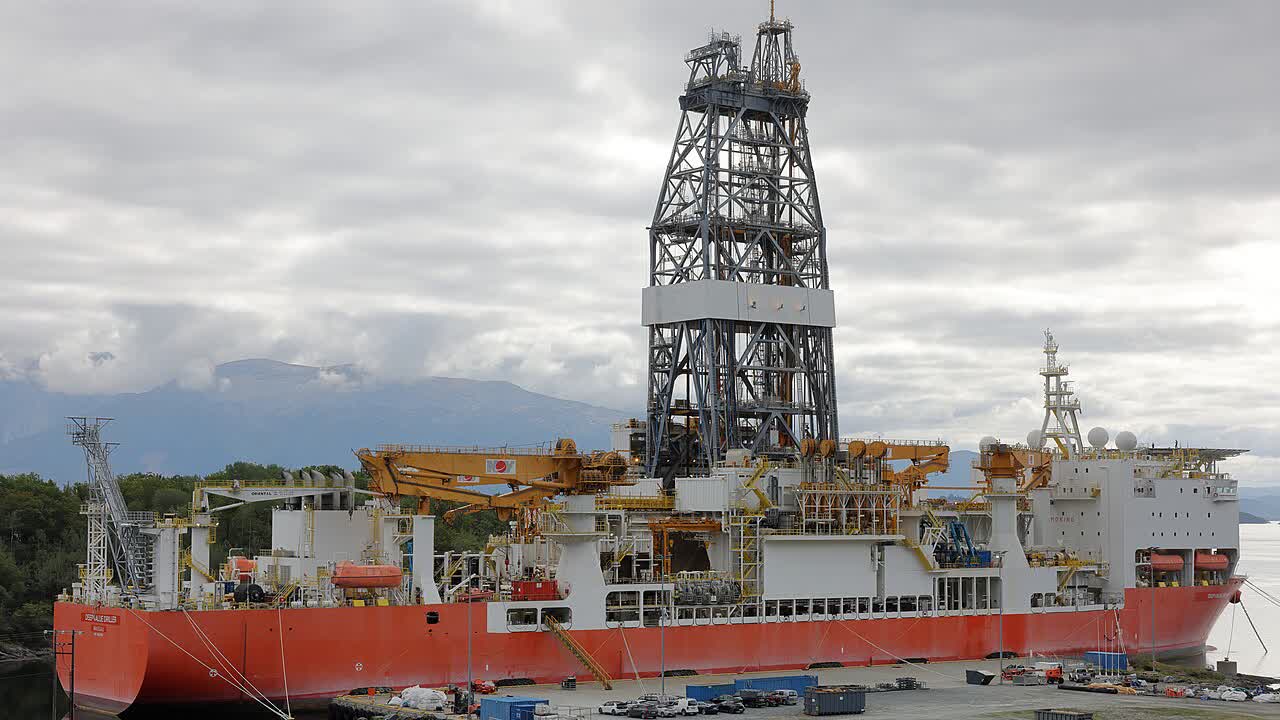
Turkey Deploys Çağrı Bey Drilling Ship to Explore New Oil Frontier Off Somalia’s Coast
-
Golden Pass LNG Ships First Liquefied Gas Cargo from the U.S., Completing $10 Billion QatarEnergy and ExxonMobil Investment



According to Sakamoto, the decision highlights a conflict between discourse and practice. “Instead of demanding money from the world to keep the oil where it is to avoid pollution, we’re going to prospect, helping to pump the atmosphere with extreme events that will later turn against us too. Brazil is one of the most vulnerable countries to extreme events. We’re not going to disappear in the waters of the Pacific, but we are going to sink,” the columnist stated.
With this blunt criticism, he puts into perspective the climatic impacts of the expansion of oil exploration, reminding that the country increasingly suffers from droughts, floods, and intense heatwaves.
Sakamoto Criticizes the Left for Repeating Old Exploration Models
For the journalist, the contradiction is not only in environmental policy but also in the development model adopted by sectors that claim to be progressive. He compares the current stance to that of military governments that, decades ago, relied on a logic of growth based on the exploitation of natural resources.
“There are many people who call themselves leftist and progressive and embrace the same policies and the same discourses as the generals did 50 years ago. And we have to remember one thing — and I emphasize this in my writings — that there’s a part of those who call themselves progressives, there’s a part of those who call themselves leftists, that embrace without any issue the same development model that was driven by those who tortured them 50 years ago.”
This statement highlights the paradox of a government that seeks to position itself as a global leader in sustainability, yet simultaneously advocates for an increase in the production and export of oil.
Brazil and the Mirror of the Middle East: A Short-Term Strategy
Sakamoto goes further and compares the current Brazilian policy to that of Middle Eastern countries, known for sustaining their economies through intensive oil exploration. For him, the country follows the same logic of immediate profit, without considering the climatic consequences.
“Yes, Brazil today is a major oil producer. Yes, it acts exactly like Middle Eastern countries, thinking about what? Thinking as if there were no tomorrow. Let’s explore oil and tomorrow we figure it out,” he asserted.
This critique reinforces concerns about Brazil’s energy future, which could benefit from a quicker transition to renewable sources, such as wind, solar, and biogas, instead of increasing its dependence on fossil fuels.
COP30 and the Risk of International Deterioration for Brazil
The proximity of the COP30, which will take place in Belém, makes the debate even more delicate. According to Sakamoto, the government is trying to balance its environmentalist image with economic and political interests, but this strategy may generate international criticism.
“The Lula government was extremely concerned about ensuring that those vetoes regarding the relaxation of the environmental licensing law were not overturned before COP30. The issue is that the Lula government gives up being criticized for something that Congress did and will be criticized at COP for something it did,” the journalist highlighted.
He also compared Brazil to the countries that hosted the last climate conferences — Azerbaijan and United Arab Emirates — both major oil producers. For Sakamoto, Brazil risks being seen in the same light: as a nation that talks about sustainability but acts contradictorily.
The Challenge of Finding a New Path for Development
In concluding his analysis, Sakamoto calls for Brazil to rethink its growth model. He acknowledges that there are external pressures on the country but emphasizes that part of the responsibility lies within.
“Unfortunately, Brazil will be questioned, will be criticized and many people will say: this happens because the great foreign nations are interested in creating problems for Brazilian development. Partly, yes. But partly, we also have to do our part to seek forms of development that do not involve the mistakes and the betrayals committed by the global center over the past 200 years. We are not doing that.”
With this warning, the journalist reinforces that the debate over oil transcends the economy and directly impacts the environmental, political, and ethical future of the country.


