Portuguese
  Spanish


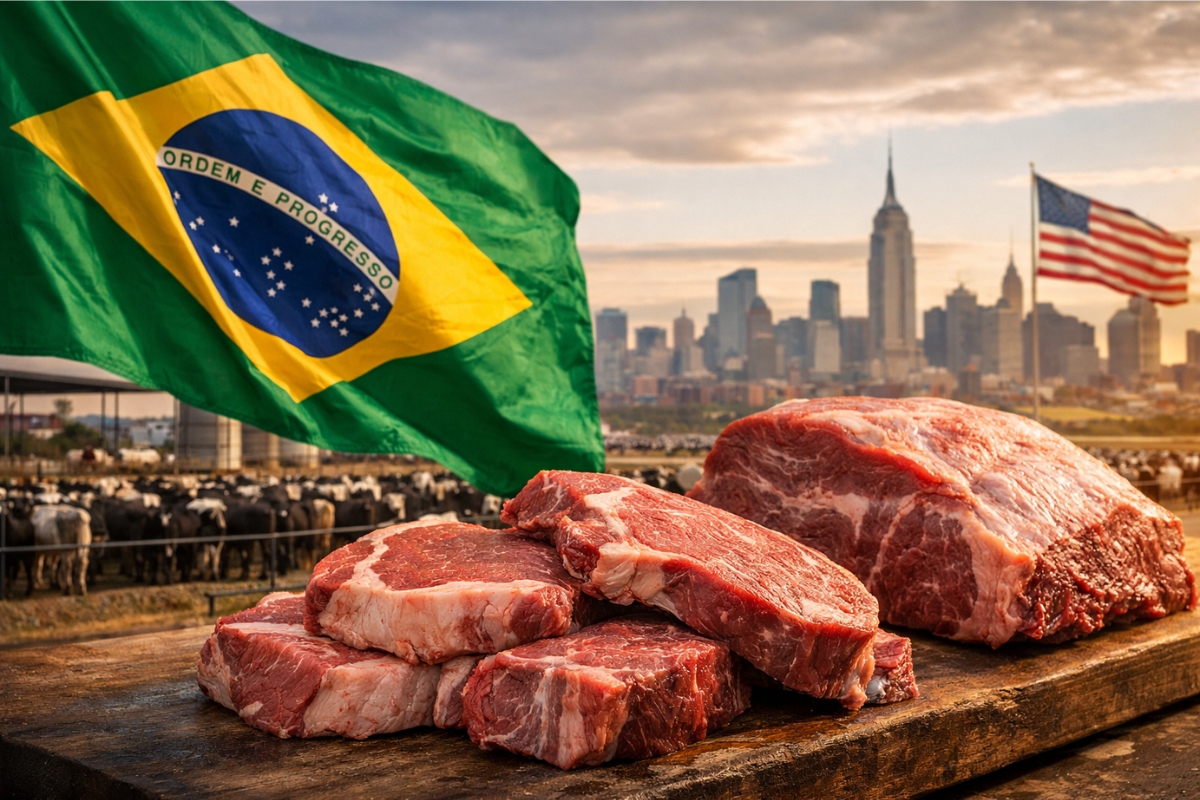


Brazil Surpasses The United States And Assumes 1st Place Worldwide In Beef In 2025, While 2026 Indicates A Tight Showdown
The Brazil takes the position of largest producer of beef in the world in 2025, surpassing the United States in total volume.
The estimate points to 12.35 million tons for Brazil and 11.81 million tons for the US, considering the weight of the animal carcass.
This advance reinforces the weight of the Brazilian livestock sector and alters the picture of the international market, with impacts on exports, prices, and competition for buyers.
-
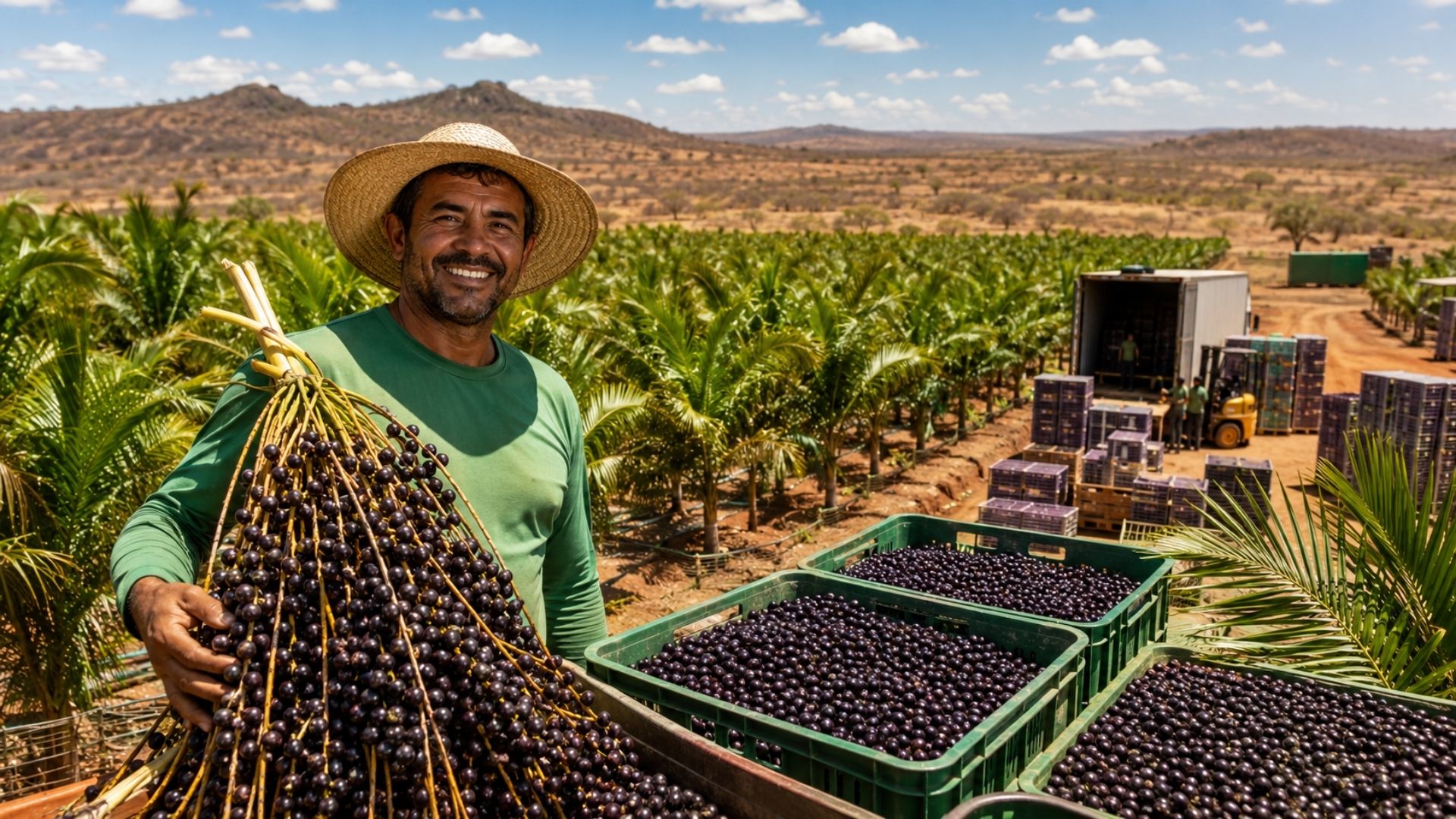
Without anyone betting that Amazonian açaí would catch on in Rio Grande do Norte, he brought the seedling from Pará, planted 80 hectares, and transformed the “unlikely land” into a business that harvests 280 tons of fruit and exports pulp to Italy, the Netherlands, and Kuwait, proving that the superfood from the North thrived in the semi-arid region.

-
A company from SC that moves R$ 125 billion in agribusiness is integrated into an international group, maintains its headquarters and jobs in Chapecó, and is preparing to expand software for cooperatives, grain companies, and industries while targeting new markets without leaving the western region of Santa Catarina.

-
Producer receives news and had to cull almost the entire herd, bounced back with the help of compensation, and is now producing 450 liters of milk per day in SC.

-
Quail Eggs Reveal a “Secret Code” on Their Shells Explaining Unique Patterns and Colors



What Happened And Why It Got Attention
For the first time, Brazil occupies the top of the USDA statistics, which began in the 1960s and kept the US in the lead.
The milestone highlights Brazilian livestock in a global indicator that usually guides supply projections and purchasing movements in foreign trade.
The report was published on last Tuesday (9), detailing volumes for 2025 and projections also for 2026.
Numbers For 2025 And The Difference To The Government’s Estimate

The estimate for 2025 indicates 12.35 million tons in Brazil, compared to 11.81 million tons in the United States.
There is a difference in relation to the most recent official projection made in the country, published by Conab.
In November, Conab estimated 11.38 million tons of beef in Brazil in 2025, indicating an increase compared to the previous year.
What Could Happen From Now On In 2026
The projection for 2026 indicates a decrease in Brazilian volume compared to 2025, with the market heading toward a balance between the two countries.
Brazil shows 11.7 million tons and the United States with 11.71 million tons in 2026.
This scenario reduces the distance between the two powers and may intensify competition for buyer markets throughout the next year.
Tariff, Inflation, And Pressure On The American Market
The year saw the impact of the tariff imposed by the US president, Donald Trump, on the import of various products, including beef.
At the same time, the United States faced a historic low in its cattle herd, which raised costs and helped drive inflation in meat prices.
In this context, Trump even mentioned the possibility of increasing the entry of Argentine beef to try to lower prices, generating a reaction among local ranchers.
Brazilian Exports, Tariff, And Record Sales
Brazil, the main supplier to the American industry, faced a 50% tariff on sales to the US, with a decline in volumes after a strong increase at the beginning of the year.
Even so, in September, the country set a record for international beef sales for a single month, surpassing the figure from July.
Shipments diversified, with the inclusion of destinations like Mexico, and sales to Argentina also advanced.
The tariff was lifted for beef and other foods from Brazil in November, easing pressure on this trade flow.
US With Fewer Cattle, Restrictions, And Plant Closures
The US cattle stocks in January fell to the lowest level in almost 75 years, after years of drought affected pastures and raised feed costs.
Supplies became even more restricted because the US suspended, since May, most imports of Mexican cattle due to concerns over the spread of New World screwworm, a carnivorous pest that infests cattle.
With lower supply, slaughterhouses began to pay more for cattle intended for hamburger and steak production, putting pressure on prices.
On last Friday (12), JBS announced that it will permanently close a plant near Los Angeles, dedicated to preparing beef for supermarkets.
Tyson Foods also announced the closure, in January, of an important slaughter plant in Nebraska, which employs about 3,200 people.
Brazil ends 2025 with 12.35 million tons and assumes the global leadership in beef production, ahead of the United States.
For 2026, the projection of 11.7 million tons in Brazil and 11.71 million tons in the US signals a tighter competitive scenario, with heightened attention to supply, prices, and trade decisions throughout the period.