






 Portuguese
  Spanish


In Authorized Operation By Ibama, A Management Team Registered The Largest Hog Slaughter In The History Of Brazil. The Action Draws Attention To The Numbers And Reinforces The Impact Of The Invasive Species On Agriculture And Native Fauna.
In the early morning of August 15, 2025, a management action in Campo Alegre de Goiás registered the largest hog slaughter in a single night in Brazil. 65 animals were removed at Fazenda JM8, owned by producer João Mesquita Junior.
The operation, conducted by the Limpa Palhada team from Ipameri (GO), took place with Ibama’s authorization and followed the protocols outlined in environmental legislation, with licensed controllers addressing the invasive species.
According to the Compre Rural portal, all stages were formalized before and after the management, from registration to the disposal of carcasses.
-
India’s Sugar Export Cuts and Ethanol Shift Amid El Niño Threat Could Impact Global Prices and Stocks

-
Quarantine Pest Threatening Palm Trees Puts Brazilian Authorities on Alert, Prompts Monitoring at University of Taubaté and Potential Control Measures Across São Paulo
-
Global Alert: Report Finds 159 Pesticides in Coffee Beans Sold in Europe, Posing Serious Risks to Millions of Farm Workers
-
Low-Demand Brazilian Beef Offal Gains Popularity Abroad: Indonesia Purchases $19.5 Million, Boosting Revenue and Reducing Waste

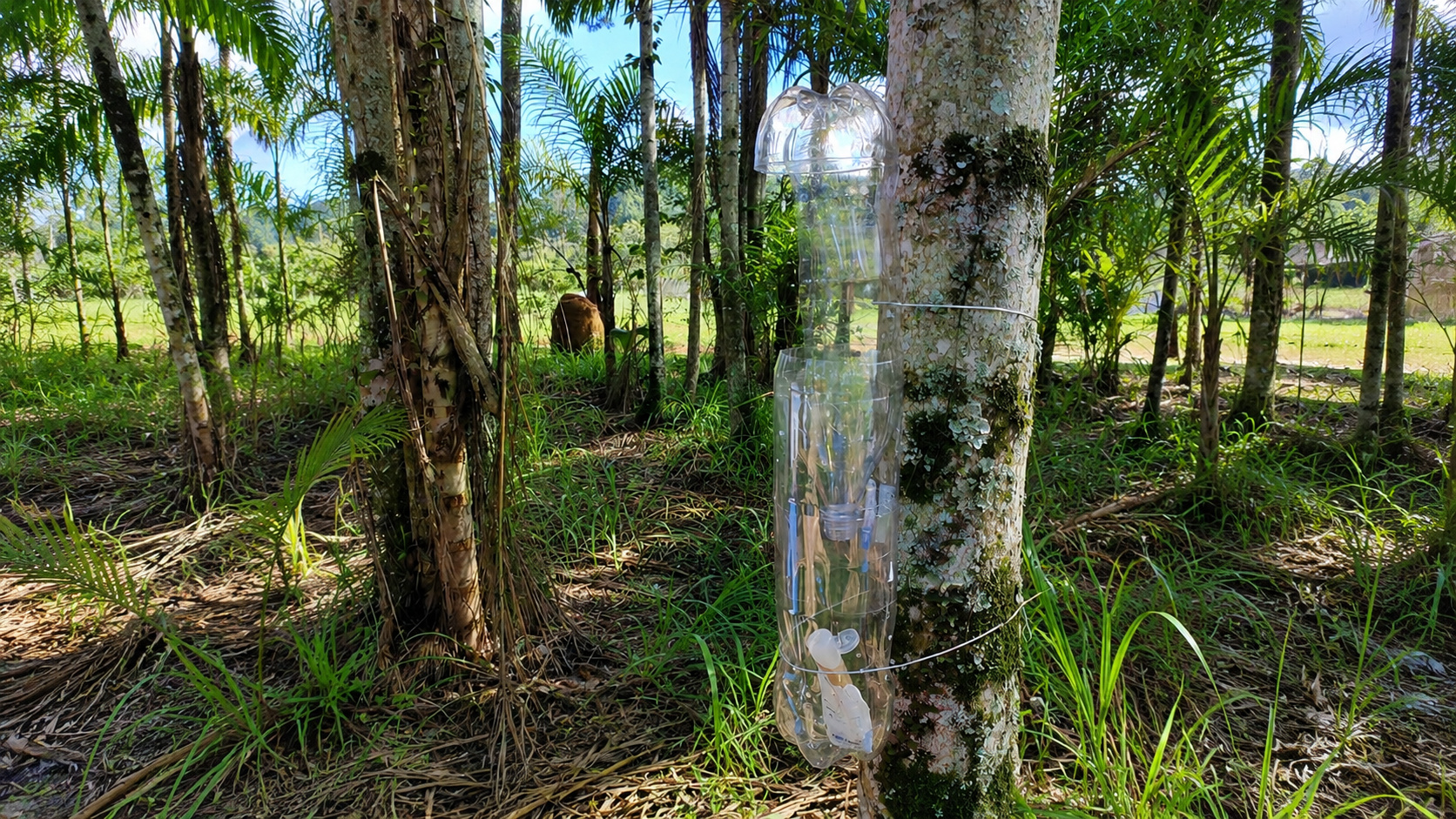


The group cites registration in the Cadastro Técnico Federal (CTF), issuance of authorization via SIMAF, and compliance with disposal rules.
“In addition to protecting the crops, we are preserving the environmental balance. Each action is planned to be safe and legal,” stated Danilo, one of the controllers involved.
Record In Goiás And Execution Strategy
The slaughter focused on areas with a higher incidence, targeting feeding points and the animal’s movement in the wild.
The team reported knowledge of the hogs’ routes and habits, which increased the efficiency of the nighttime action.
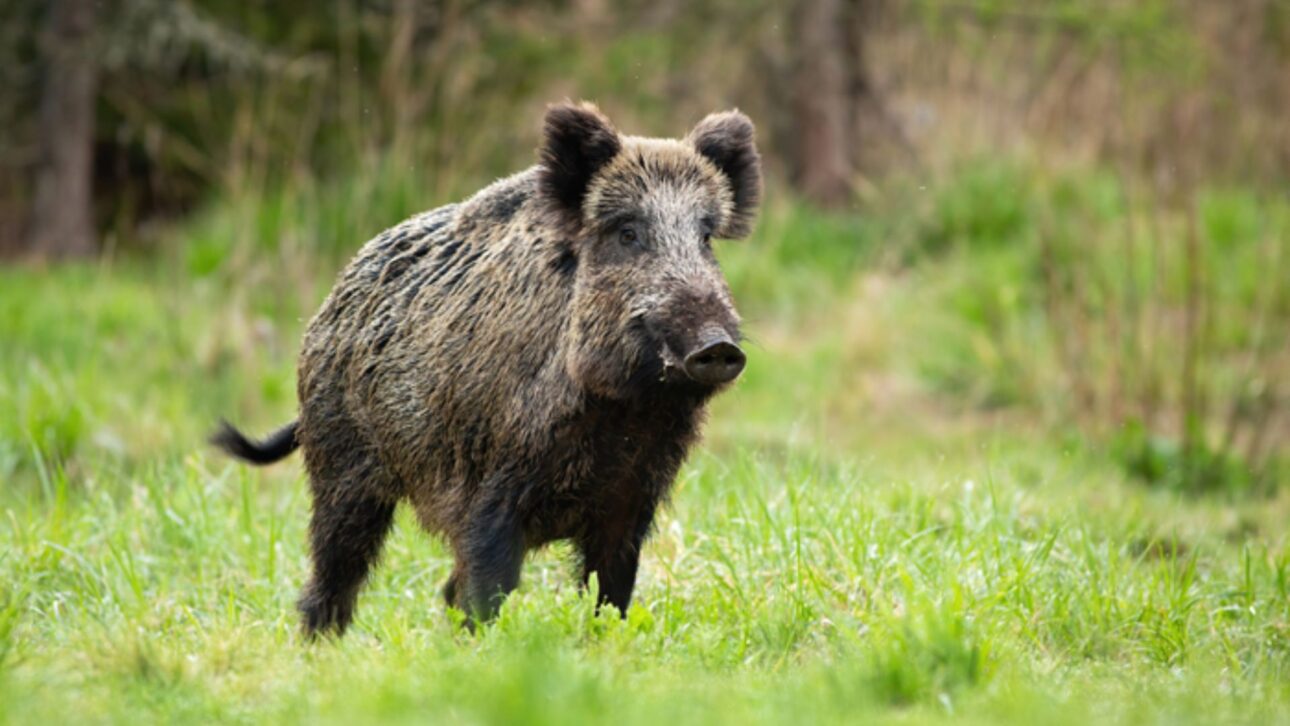
The management involved the controllers Danilo, Renan, Ricardo, and Alan, all with validated documentation and in compliance with requirements for managing the species.
According to Compre Rural, the goal was to mitigate damage to local agricultural production and reduce pressure on native environments.
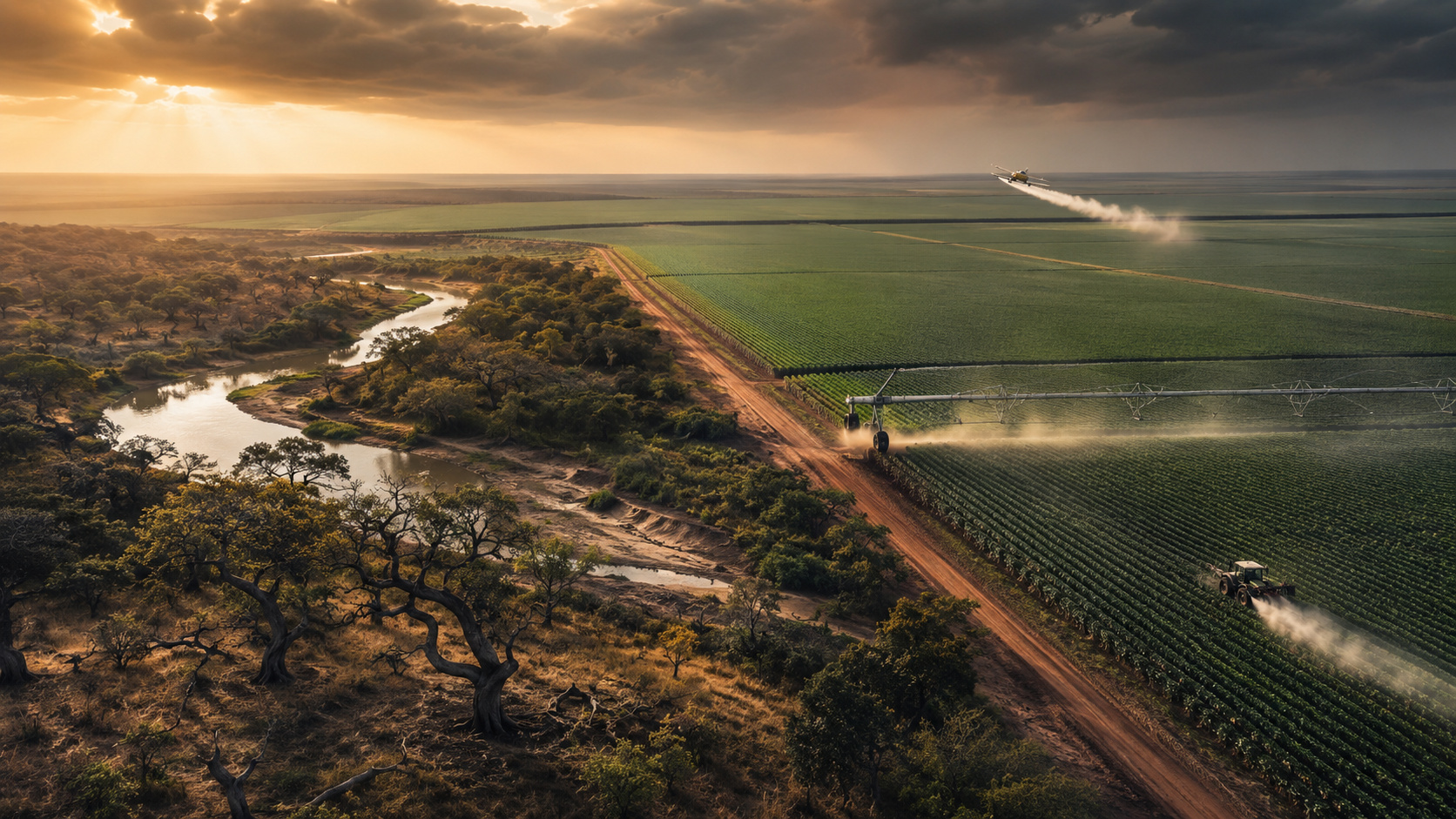
The intervention adds to initiatives that, in producing regions, seek to curb recurring losses in corn, soybeans, beans, sugarcane, and vegetables.
Impacts Of Hogs On Agriculture And Biodiversity
The presence of hogs and hybrids (javaporcos) has been associated with losses in agricultural areas and changes in ecosystems.
In properties with high infestation, producers report damage to crops, soil, and containment structures.
There are also reports of competition for food and disturbance of nests and shelters of native fauna, impacting threatened species.
Sector estimates cite losses that can reach 40% in critical scenarios, especially in susceptible crops like corn.
The magnitude of the problem varies according to population density, the stage of the crop, and the response capacity of producers and environmental agencies.
Sanitary Risks Associated With Hogs
From a sanitary point of view, the hog can act as a reservoir of diseases of livestock interest, particularly classical swine fever.
Authorities and agricultural defense entities maintain vigilance regarding risks and transmission routes, especially in regions with intensive pork production.
There are also alerts for mandatory reporting diseases and the need for continuous surveillance, integrating producers, official veterinary services, and authorized managers.
Technical guidance includes reinforcement of biosecurity measures on properties, limiting wild animal access to breeding areas, controlling food sources, and communication with responsible agencies in case of clinical suspicions.
Legislation And Rules For Hog Management
In Brazil, the control of wild hogs has been authorized since 2013, based on Normative Instruction No. 03/2013 From Ibama, which declares the harmfulness of the species Sus scrofa and allows management throughout the national territory.
The rules prohibit the commercialization of products and by-products from slaughter and require that captured animals be slaughtered on-site, banning the transport of live individuals.
The use of firearms and other instruments must comply with specific regulations, and methods that can harm non-target species are prohibited.
In 2019, IN No. 12 established the Integrated Wildlife Management System (SIMAF) for declarations, reports, and authorizations.
It details mandatory documents during operations, such as ID document, authorization issued by SIMAF, and CTF Regularity Certificate.
As of 2022, the validity of authorizations became up to six months, contingent on the submission of reports and compliance with other requirements.
In July 2023, Ibama temporarily suspended new authorizations for adjustments to Decree No. 11,615/2023.
The analyses were resumed in December of the same year, with adjustments to the procedures.
Numbers Of Hogs Slaughtered In Brazil
According to Compre Rural, data released by sector entities indicate a high volume of slaughters in 2022, reaching hundreds of thousands of animals.
This increase was driven by greater adherence from controllers and expanded areas of occurrence.
For 2025, leaders of management associations estimate the need to slaughter more than 1 million hogs to reduce economic and environmental impacts.
These figures reflect a continuous pressure from the species, expanding into new agricultural frontiers and conservation areas.
This situation requires coordination among Ibama, state secretaries, agricultural defense, and producers.
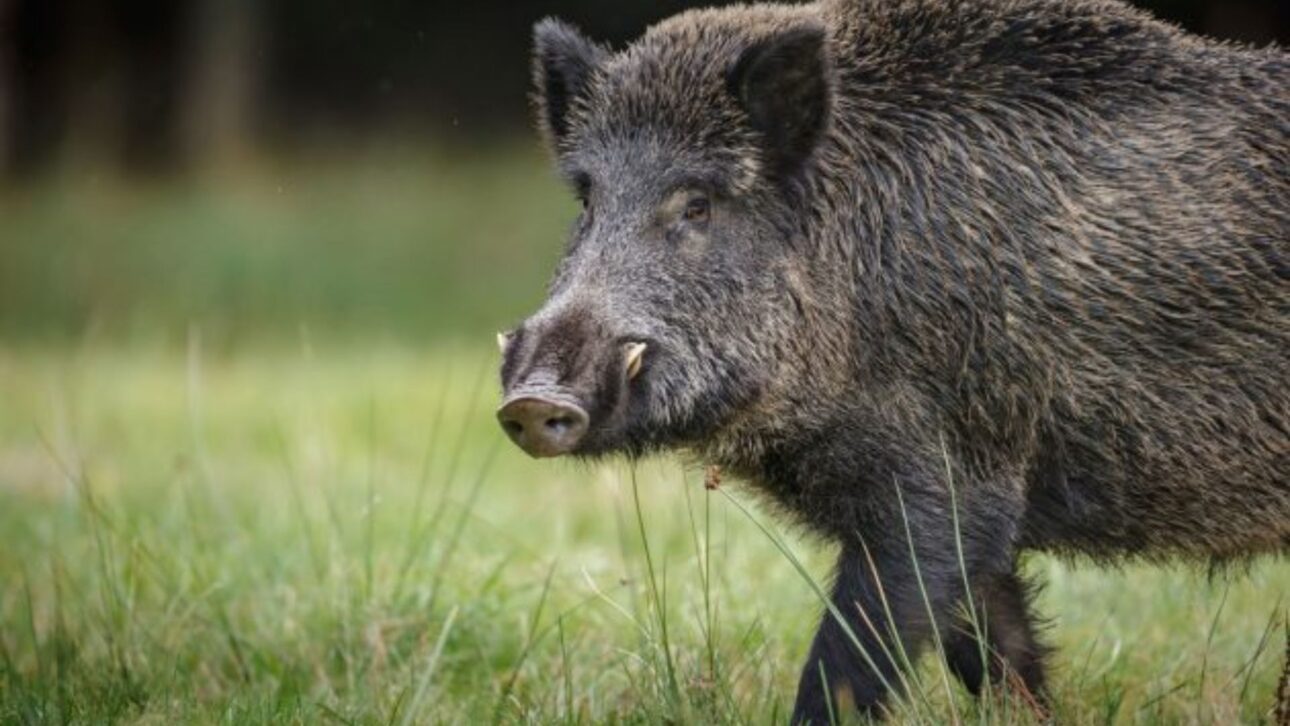
The operation in Goiás indicates that complete eradication of the species is not considered feasible. Damage reduction depends on systematic management, monitoring, and rapid response to hotspots.
Trained and regulated teams, along with good field practices, enhance control efficiency and reduce collateral risks to native fauna.
Importance Of Operations Authorized By Ibama
Legal compliance ensures traceability, standardizes methods, and facilitates the assessment of results.
Requirements such as management reports, proof of regularity in the CTF, and presentation of SIMAF authorization allow the government to monitor the intensity of control and adjust regional policies.
Practically, this also helps prevent irregularities that may compromise the sanitary status or affect non-target species.
Producers and technicians emphasize the importance of combining physical barriers, management techniques, and territorial intelligence.
With the support of occurrence maps, standardized reports, and cooperation between neighboring properties, it is possible to increase efficiency.
In areas with high hog density, coordinated operations yield more consistent results than isolated actions.
Perspectives For Controlling The Invasive Species
The continuity of regular authorizations, supervision, and technical support are identified as essential factors for maintaining control at an effective level.
Moreover, communication with the official veterinary service and reporting of occurrences contribute to surveillance of diseases and planning new actions.
The dissemination of good practices and training of managers also contribute to safer operations aligned with regulations.
What technical measure, combined with the current legal framework, can ensure greater effectiveness in controlling hogs and measurably reduce agricultural losses in Brazil?








Se matarem 65 por dia, com as porcas criando uns 10.000 leitões por dia… em 3 anos teremos uns 10.000.000 de javaporcos destruindo as lavouras…
Parece piada pronta…
Nooossa, o maior abate da história,kkkkk, parece uma chacina, aí 65 animais. Os caras forçam a amizade. Notícia exagerada pela quantidade. Isso tá muito longe de controlar, piorou erradicar …
A carne de javali é a mesma do queixada não pode perder é alimento ou levar pra alimentar animais no zoológico,sou filha de seringueiro cresci comendo carne de porco do mato de boa estraga não gente tem muitas pessoas com fome…