






 Portuguese
  Spanish
 3 min of reading
  0 comments


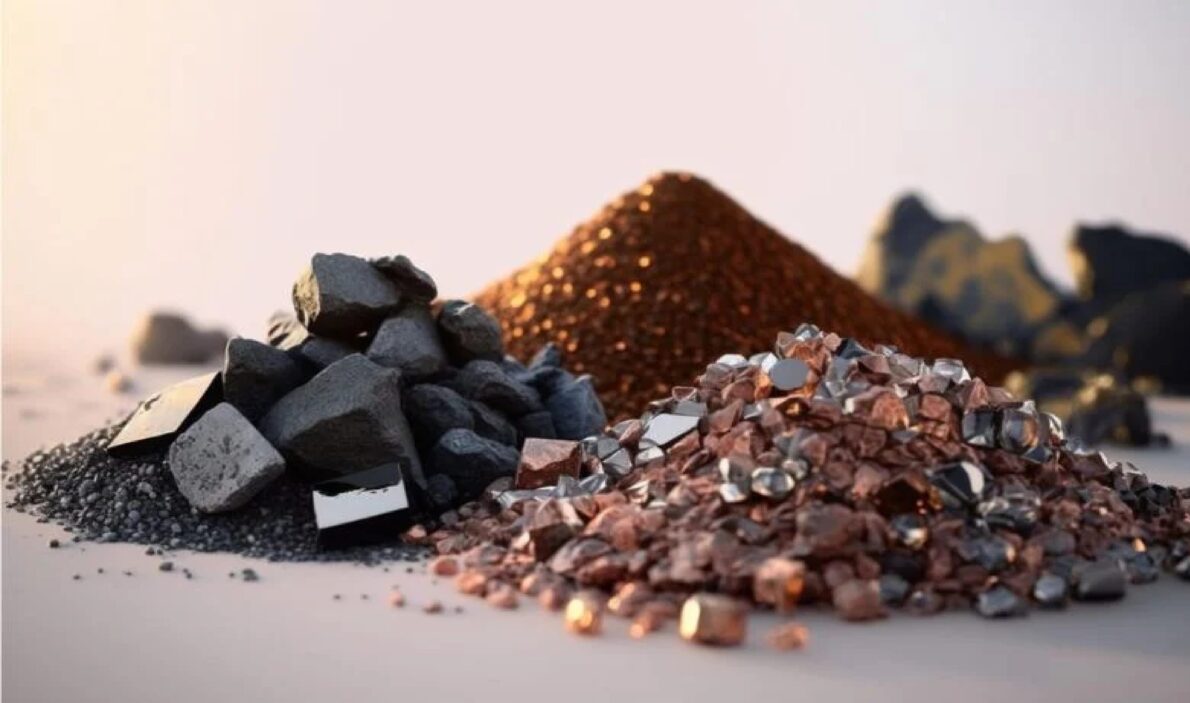
Discovery of Rare Elements Positions Verde Agritech as Strategic in Supporting Global Energy Transition
Verde Agritech, a company specialized in agricultural technology and producer of potassium fertilizers, announced an important discovery in its mineral concessions in Minas Gerais. The company found ionic adsorption clay with a high content of rare earth elements (REEs), while reanalyzing drillings for phosphate exploration in the Monte Nau de Guerra geological formation, located between the municipalities of São Gotardo and Matutina, in Alto Paranaíba, according to the Diário do Comércio website.
With this discovery of rare earth elements, Verde now controls an area of 4,708 hectares with mineralization potential and extraction for REEs such as Praseodymium (Pr), Neodymium (Nd), Dysprosium (Dy), and Terbium (Tb). These elements are essential in the production of technologies aimed at renewable energy generation, such as electric vehicles and wind turbines, and are considered critical in the global energy transition scenario.
Strategic Discovery of Rare Earths in Brazil
Cristiano Veloso, founder and CEO of Verde Agritech, highlighted the importance of the discovery of rare earth elements, stating that it positions the company as a “strategic player in supporting the global shift towards renewable energy solutions”. Veloso emphasized the commitment of the company to understand the full potential of the found elements and evaluate ways to add value to shareholders, without diverting focus from its core business: the production of fertilizers.
-
China could reduce iron ore imports from 80% to 50% of consumption by 2030, while its share in global steel production falls from 52% to 46%, in a shift that could reshape the global market, says CMRG.

-
Brazil is sitting on one of the largest lithium reserves in the world, in the Jequitinhonha Valley, but national mining has almost become an appendage of China: 97% of the metal’s export goes to a single country, which also dominates refining.
-
Iron ore falls to 762 yuan in China as real estate sales decline and steel production hits lowest level since 2018
-
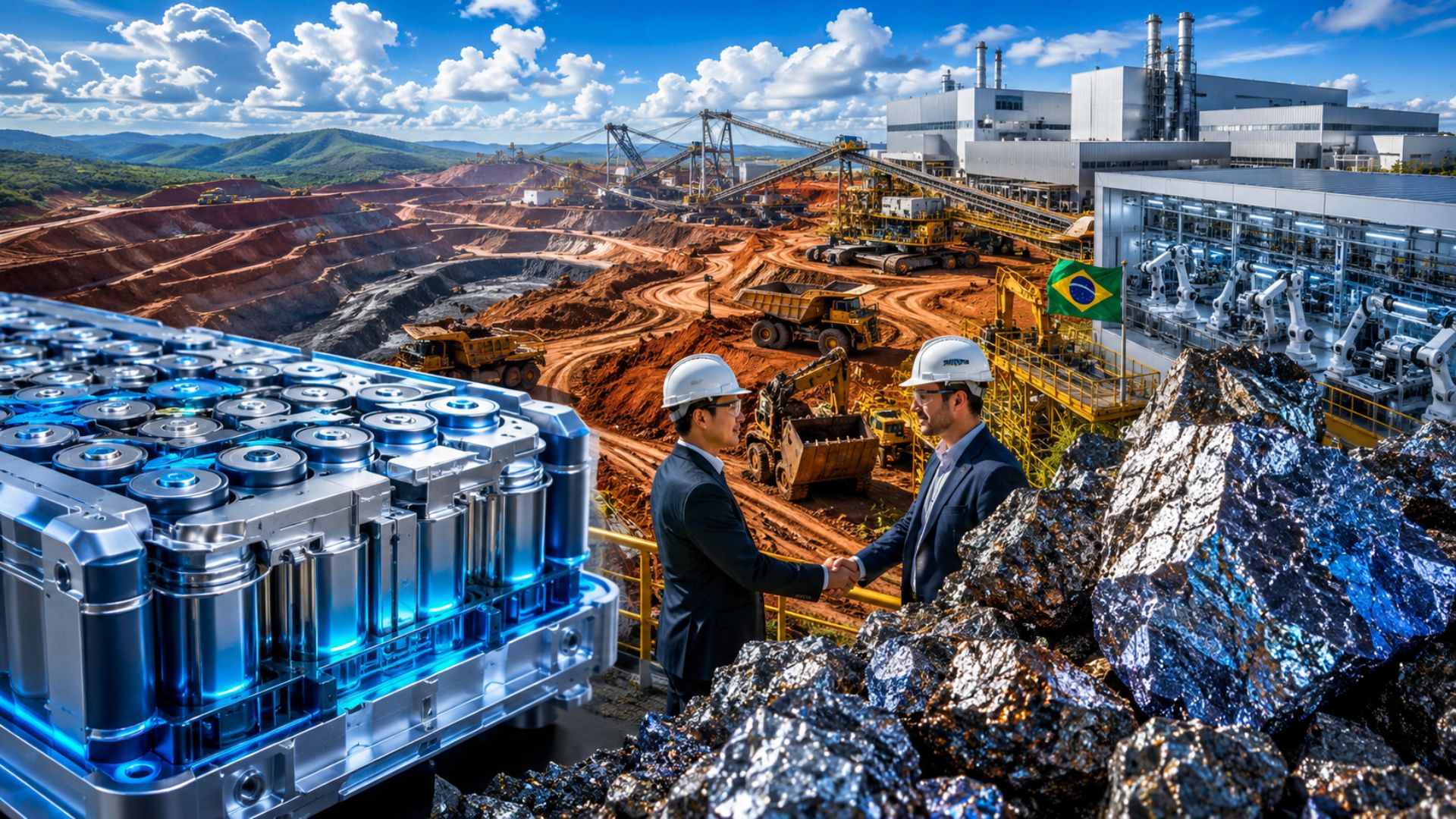
Brazil has minerals, clean energy, and a waiting market, but it could miss a billion-dollar opportunity if it doesn’t speed up the race for green minerals, while the steel industry seeks to reduce emissions.


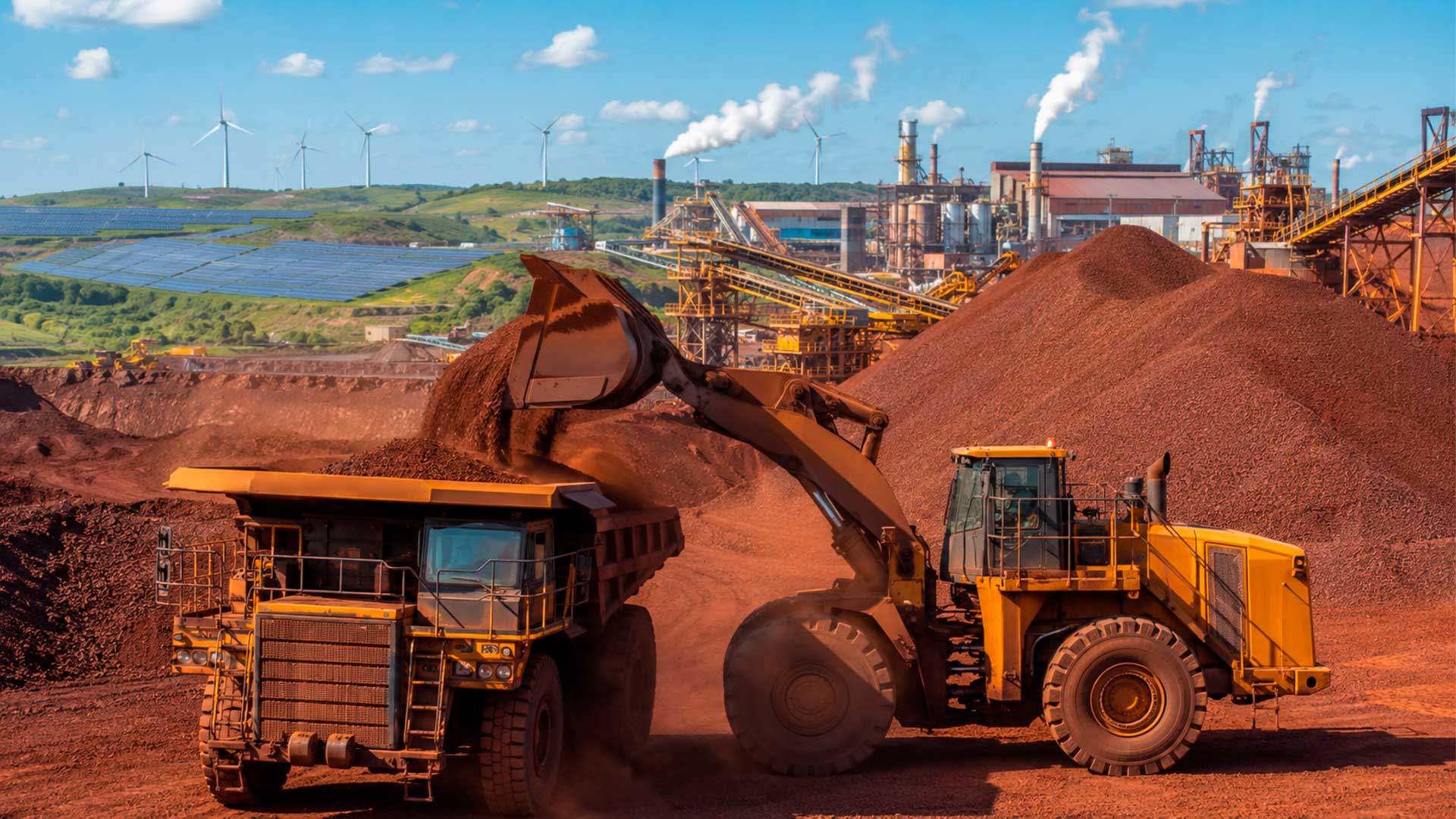
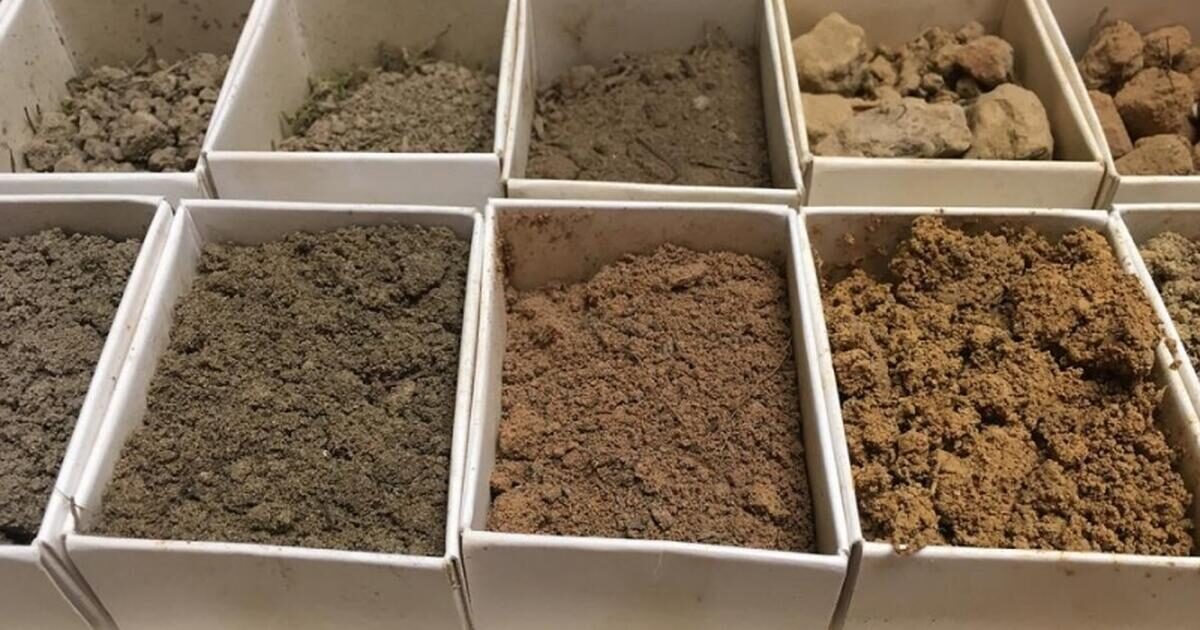
The reanalysis conducted by Verde Agritech involved 15 drill holes in a mineralized zone in Nau de Guerra, originally intended for phosphate exploration. The preliminary results of the rare earth elements indicated the presence of ionic clay, which led the company to send samples to the SGS laboratory, which confirmed the mineralization, although recovery has not yet been optimized.
Rare Earths: Extraction and Recovery Processes
The extraction of rare earth elements was assessed through ammonium sulfate leaching tests, a process that involves leaching at low temperature and atmospheric pressure, followed by selective precipitation of REEs. According to Verde Agritech, this technique ensures efficient extraction with minimal impurities. The tests were conducted with a 0.5 M ammonium sulfate solution and pH 4 for 30 minutes, under environmental conditions, demonstrating the efficacy of the method.
The extraction company also emphasized that the results of the leaching contaminant analyses were promising, with low impurity concentrations, which could contribute to the economic viability of the rare earths exploration project.
Opportunity in the Renewable Energy Market
Attentive to the growth of global demand for extracted rare earth elements, driven by energy transition policies, Verde Agritech intends to deepen its investigations into the presence of these elements in its concessions. The company already has 3,640 meters of area designated for diamond drilling in the same geological formation where the REEs were discovered and plans to disclose study results soon.
Even with this exciting discovery, Veloso assures that Verde Agritech’s focus remains on the production of sustainable, low-carbon fertilizers. According to him, the assessment work of the REEs is being conducted economically and without diverting the team’s attention from its main objectives.






Be the first to react!