Portuguese
  Spanish


Market reacts to new signs of weakness in China, as real estate, steel, and iron ore return to the center of attention for investors monitoring the demand for raw materials and the effects of the slowdown in the construction sector.
The futures contracts for iron ore closed lower this Tuesday (16), pressured by signs of weakening Chinese demand for steel, in a scenario marked by the prolonged real estate crisis and the slower pace of steel production in the country.
On the Dalian Commodity Exchange, the most active contract for September 2026 fell 6.5 yuan and ended the session at 762 yuan per ton, a movement that reinforced caution among raw material market operators.
As China remains at the center of global iron ore consumption, any loss of strength in civil construction and steelmaking tends to alter expectations about prices, stocks, and future purchases of the commodity.
-
While modern cities rely on pumps and electricity, in Iran, ancient tunnels carried water through the desert using only slope and gravity.
-
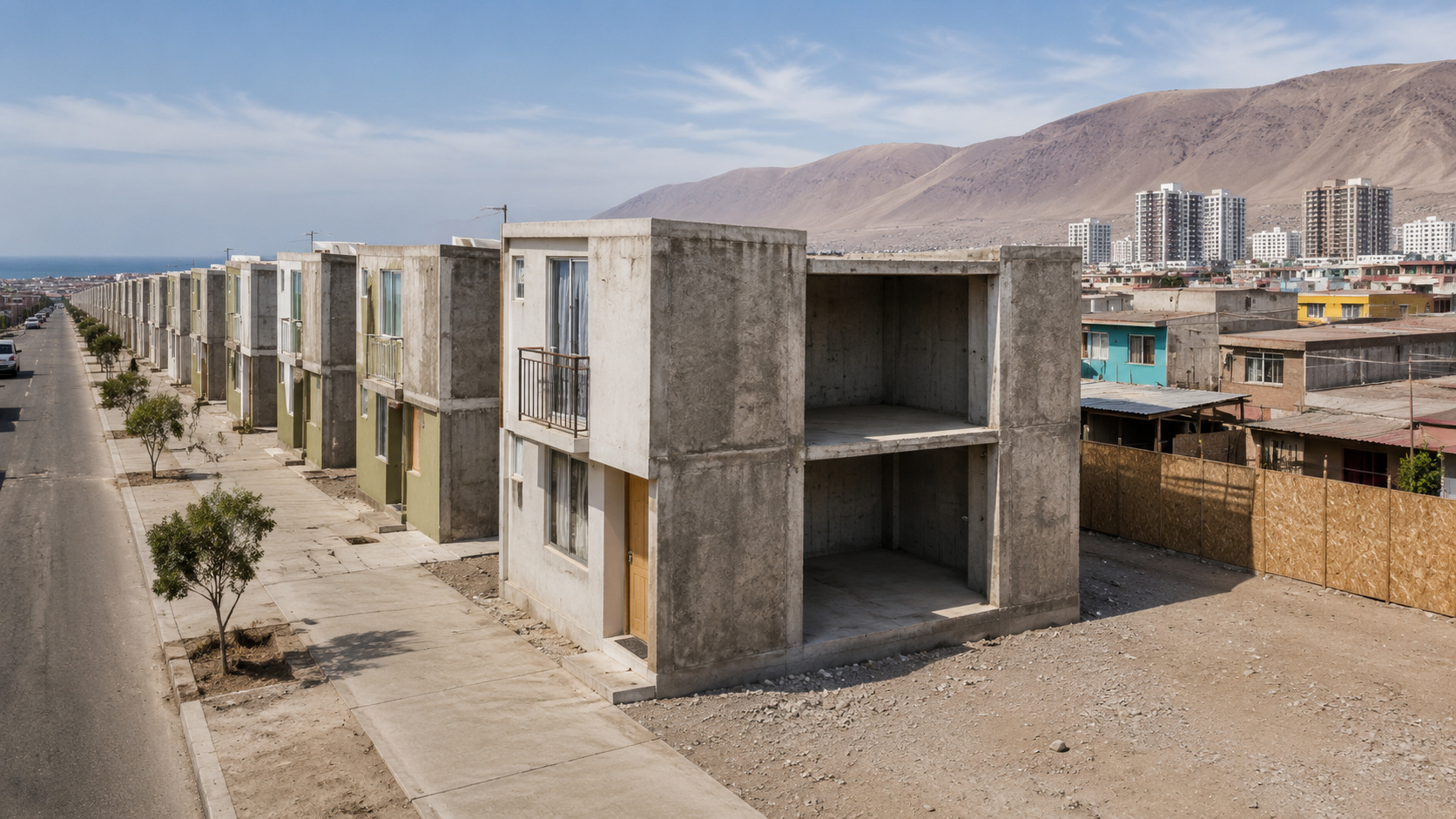
Instead of sending families far from the city, a project in Chile intentionally created incomplete houses on expensive urban land and left technical space for each to grow.

-
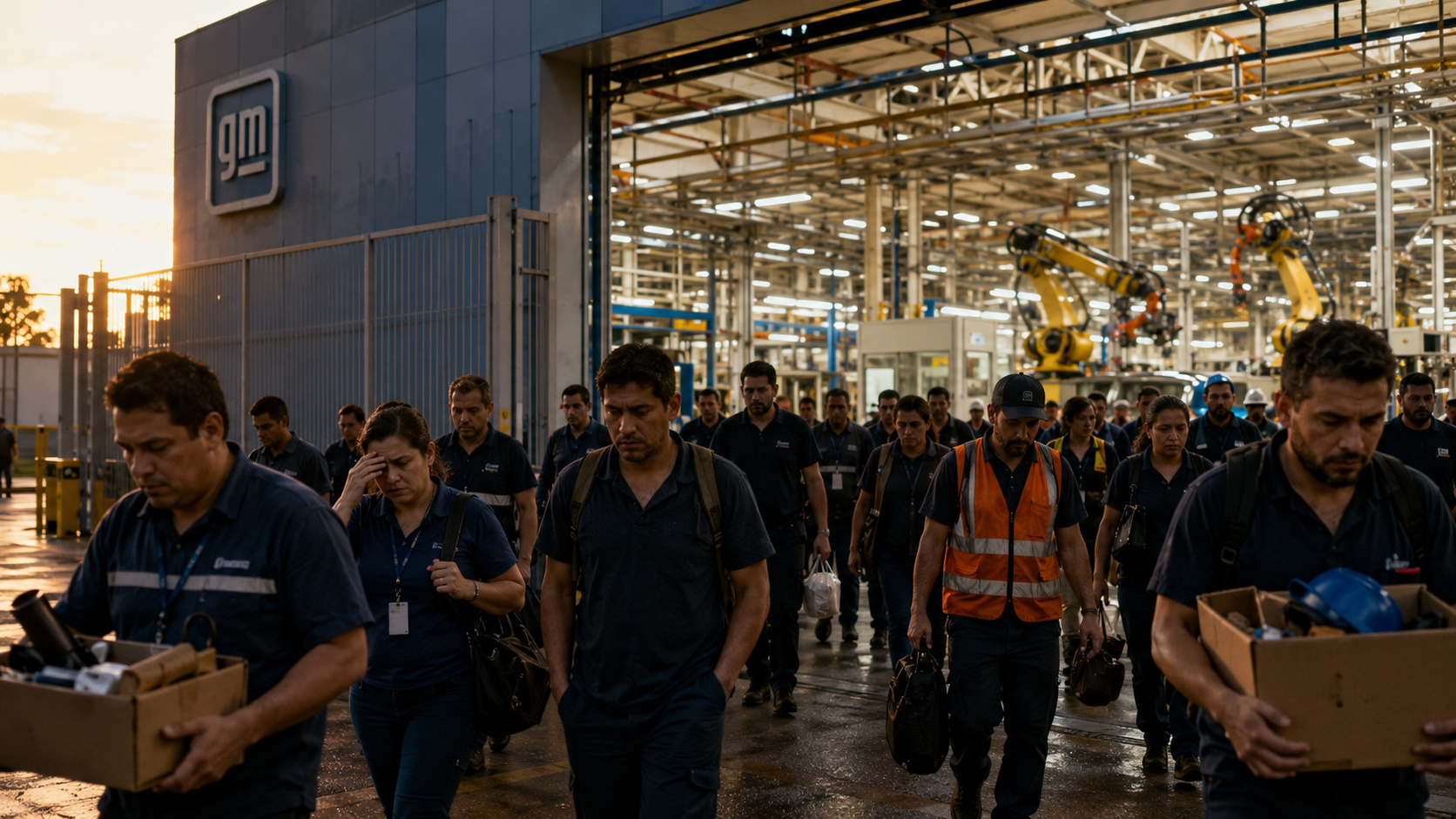
General Motors Replaces Over a Thousand Workers with 50 Cobots at Electric Vehicle Plant, UAW Union Criticizes Move Amid Industry’s Automation Push
-
Havaianas: From Humble Beginnings to a $900 Million Global Fashion Icon

Even though the headline indicates a sharp turn in the iron ore cycle, the available data shows a combination of weak demand, adjustment in the real estate sector, and Beijing’s attempt to contain excess capacity in steel.
The indicators released in May 2026 amplified this perception, showing new difficulties in the housing market and a still limited recovery in segments that depend directly on the confidence of buyers and developers.
Compared to April, new home prices in China fell 0.2%, slightly accelerating from the 0.1% decline observed in the previous month, according to Reuters calculations based on official data.
In annual terms, the drop reached 3.5%, the same rate recorded in April, indicating persistent pressure on the real estate sector despite occasional signs of stabilization in large urban centers.
Chinese real estate sector pressures demand for steel
For years, Chinese construction sustained a significant part of the demand for steel and, consequently, for iron ore, an essential input for supplying the country’s steel mills.
With the real estate market’s contraction, part of the consumption previously concentrated on residential projects has come to depend more on the manufacturing industry, exports, and sectors less linked to heavy construction.
Although cities like Shanghai, Shenzhen, and Guangzhou have shown occasional signs of stabilization, the overall picture remains fragile, especially in smaller municipalities, where the excess of properties hinders a broader recovery.
Reuters reported that limited household confidence continues to weigh on the market, while high inventories and weaker sales slow the pace of new projects and demand for building materials.
This environment directly affects the steel chain, as developers reduce launches, projects progress more slowly, and buyers delay decisions, decreasing the consumption of rebar, sheets, and other steel products.
In this context, iron ore ends up reflecting the change in expectations, as the commodity depends on the pace of the mills and the perception of the Chinese economy’s ability to absorb steel.
China’s crude steel production in May rose 0.9% compared to the previous month, favored by improved margins and export performance, but still fell short of periods of greater expansion.
Even with the monthly advance, the volume reached the lowest level for a month of May since 2018, according to Reuters, at a time when Beijing is trying to manage excess capacity in the steel sector.
Iron ore price in Dalian becomes a global thermometer
The closing at 762 yuan per ton on the Dalian Commodity Exchange represented a daily drop of 0.85% in the most traded contract, according to data cited by Reuters and confirmed by the state agency Xinhua for the most active September 2026 maturity.
More than an immediate reaction to real estate sector numbers, the decline also incorporated doubts about China’s ability to maintain high levels of steel production without a more robust recovery in construction.
For some investors, exports help some Chinese mills preserve margins, but do not fully compensate for domestic weakness in segments traditionally intensive in steel consumption.
On the other hand, production control policies may limit steel supply and reduce the need for more aggressive iron ore purchases, especially when stocks and imports already meet part of the mills’ needs.
May’s economic indicators reinforced this mixed picture, with industrial production growing 4.5% compared to the previous year, above April’s 4.1%, while other data showed a loss of traction.
In the same period, retail sales fell 0.6% and investment in fixed assets dropped 4.1% in the first five months of 2026, according to Reuters, signaling caution from consumers and companies.
Real estate, steel, and weak consumption increase uncertainties
The relationship between iron ore, steel, and real estate remains central to explaining price reactions, as construction still influences the perception of the strength of Chinese demand for raw materials.
Without a consistent improvement in housing sales and the pace of construction, the market tends to question whether China will be able to sustain a lasting recovery of the commodity in the coming months.
At the same time, Beijing’s attempt to curb excess capacity in the steel industry adds another pressure factor, as lower steel production reduces the need for ore in some plants.
The scenario, however, does not by itself confirm a formal end of the cycle determined by an official decision from the Chinese government, but it shows a weakening in the pillars that supported demand for several years.
Among these pillars are accelerated real estate expansion, high steel production, and a strong appetite for new construction projects, factors that have lost strength as the housing sector entered a crisis.
In the short term, operators should monitor upcoming data on property sales, steel production, and industrial activity, as these indicators will help measure whether the drop in Dalian was temporary or part of a broader adjustment in the global iron ore market.