Portuguese
  Spanish


With record production in 2024, almost four times that of the previous year, Brazilian lithium has become a symbol of wealth and dependency. Most of the reserves are in the Jequitinhonha Valley, but 97% of the export goes to China, which processes the ore and returns the value in batteries.
Brazil has awakened to a fortune and is still discovering what to do with it. The country hosts one of the largest lithium reserves in the world, the metal that powers cell phone batteries, electric cars, and the much-discussed energy transition, and the numbers from 2024, reinforced by recent reports in 2026, show that extraction has finally taken off. However, along with the good news, came a thorny detail: almost everything that comes out of Brazilian soil ends up in the same place.
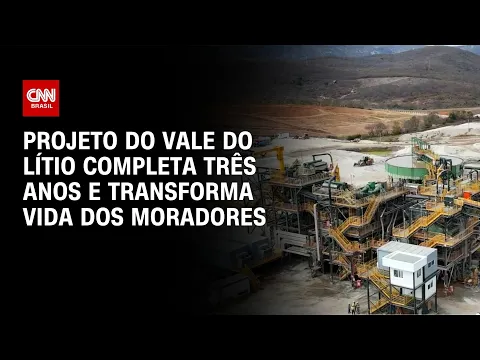
The calculation is straightforward and uncomfortable. In 2024, about 97% of the value of Brazilian lithium exports had a single destination, China. Meanwhile, the production hit a record and reached more than 944 thousand tons, almost four times the volume of the previous year, according to data from the government of Minas Gerais. The Jequitinhonha Valley, in northeastern Minas, has become the heart of this new mineral rush, but the dependency on a single buyer raises an alert about sovereignty and who really profits from this wealth.
One of the largest lithium reserves in the world, almost untouched
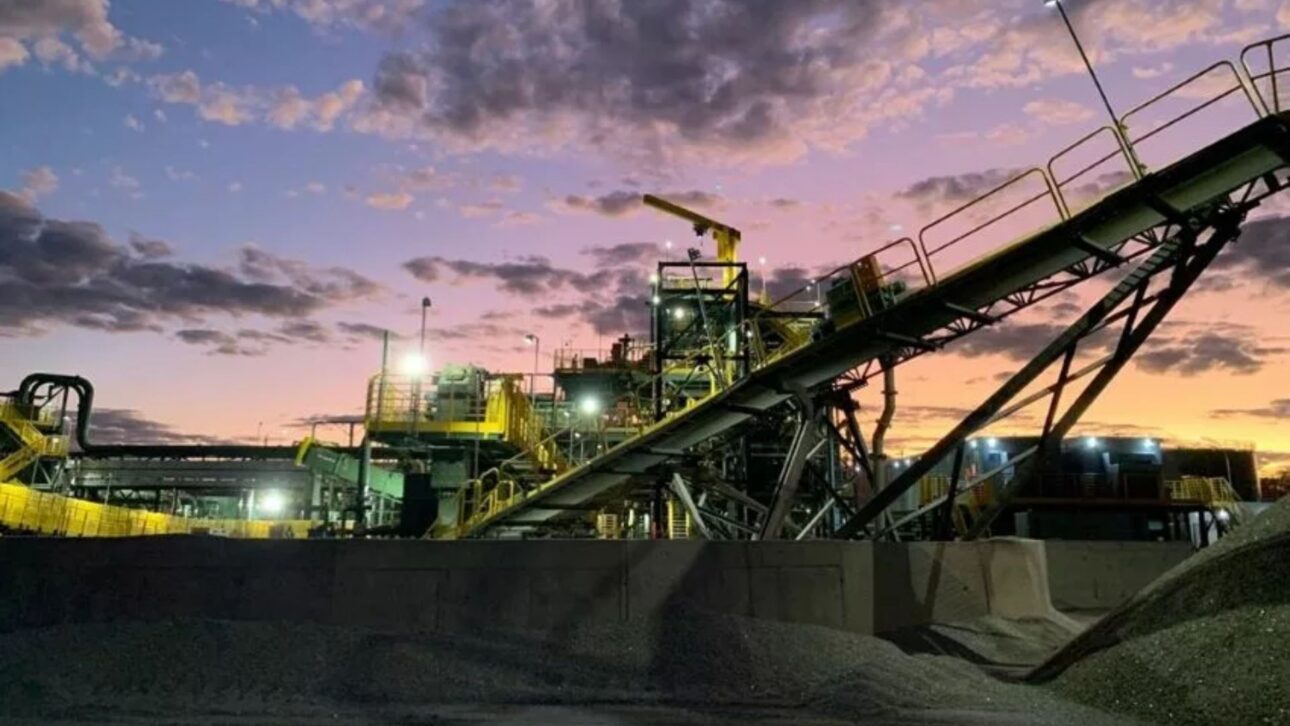
The foundation of everything lies beneath the soil of Minas Gerais. It is estimated that about 85% of Brazil’s lithium reserves are concentrated in the Jequitinhonha Valley, one of the historically poorest regions in the country, which is now emerging as a protagonist in a strategic sector. Municipalities like Itinga and Araçuaí have entered the global map of the metal, and the nickname of new gold is no exaggeration given the size of the potential.
-
U.S. Invests $75 Million in Projects to Extract Rare Earths, Gallium, Germanium, and Aluminum from Coal Waste

-
Eni Acquires 25% Stake in Chilean Lithium Project, Plans to Invest Up to $225 Million in Eco-Friendly Extraction Method
-
Mexico’s Giant Crystal Cave: A Deadly 58°C Underground Palace with 11-Meter Crystals Formed Over Nearly a Million Years

-
China Dominates Over 90% of Rare Earth Refining, Prompting Global Concerns: Canada and Japan Launch Billion-Dollar Plan to Reduce Dependency and Safeguard Batteries, Semiconductors, and Defense

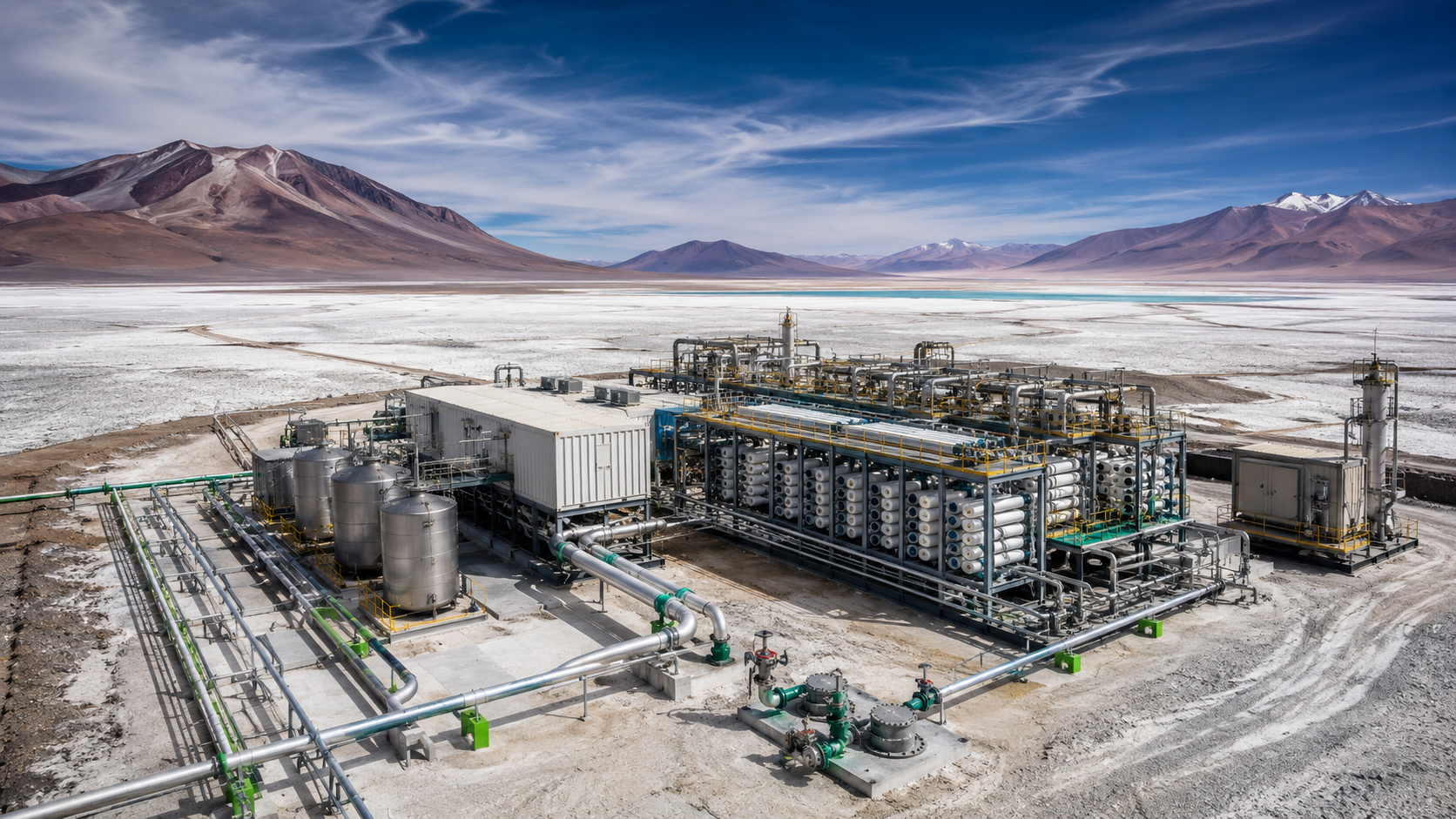

The contrast is striking. While other countries chase after every gram of lithium, Brazil spent years sitting on one of the largest reserves in the world, practically without exploiting it. The mining of the metal only started to gain real scale in recent years, with the arrival of companies like Sigma Mineração, AMG Brasil, and CBL, all operating in Minas Gerais. It’s a lot of potential for little time on the road, which helps explain why the export structure is still so concentrated and not very diversified.
Record production, 944 thousand tons and almost four times in one year
The production leap impresses even those who follow the sector. According to the Economic Development Secretariat of Minas Gerais, lithium extraction in the state exceeded 944 thousand tons in 2024, a volume that represents almost four times the amount recorded in 2023. In practical terms, it was like hitting the accelerator of an industry that had barely left the garage.
This growth came with money and expectations. The state program focused on the sector, known as the Lithium Valley, has already attracted billions of reais in investments and projects thousands of direct jobs in the Jequitinhonha region. Local mining, once seen as a distant promise, has become a concrete economic reality, with trucks, processing plants, and export contracts moving an area that always depended on little. The problem, as we will see, is not in the quantity that Brazil produces, but rather where almost all of it goes.
The knot of 97%, almost everything goes to China
Here lies the geopolitical twist of the story. Of all the lithium that Brazil sold abroad in 2024, around 97% of the value had China as its destination. It’s not about an important client among many, but rather practically the only relevant buyer. This concentration turns Brazil into a raw material supplier for a market controlled by another country, which sets prices, pace, and rules of the game.
The detail that tightens the knot even further is refining. China dominates the lithium processing stage in the world, that is, the part of the chain where raw ore turns into high-value material for batteries. In practice, Brazil exports the cheapest part and imports back, more expensively, the transformed product. The very entry of Chinese giants into the Jequitinhonha Valley, like the automaker BYD, which acquired exploration rights in the region, shows the extent of China’s interest in ensuring direct access to the metal source.
Why this affects sovereignty, wallet, and future

It is not just a technical discussion about foreign trade. When a country concentrates 97% of the export of a strategic resource to a single buyer, it becomes exposed to any mood changes of that partner, whether in demand or in price. Lithium is a central piece of the energy transition and the electric car industry, and having control only over extraction, without mastering refining and manufacturing, leaves Brazil in the less profitable part of the chain.
The good news is that there is still time to change the course. Experts argue that the country should invest in processing and industrialization within the territory, adding value to lithium before exporting, instead of repeating the old cycle of selling raw materials cheaply and buying back the final product at a high price. The Jequitinhonha Valley has the chance to be not just another supplier to China, but a complete hub of mining and technology. What Brazil does in the coming years will decide if this reserve turns into real development or just another chapter of wealth slipping through its fingers.
Wealth in the ground, future uncertain
In the end, the story of Brazilian lithium is one of a huge opportunity at risk of becoming dependency. Brazil has one of the largest reserves on the planet, broke production records, and attracted billion-dollar investments, but exports almost everything to China and still buys back what it transforms. The Jequitinhonha Valley sums up this dilemma: rich ground, uncertain future, and the usual question of who gets the best slice.
And you, do you think Brazil should hold more lithium here to refine and industrialize, even if it delays exports a bit, or is it better to sell the ore to China while the price is high? Share in the comments how you see this future of Brazilian mining.