






 Portuguese
  Spanish


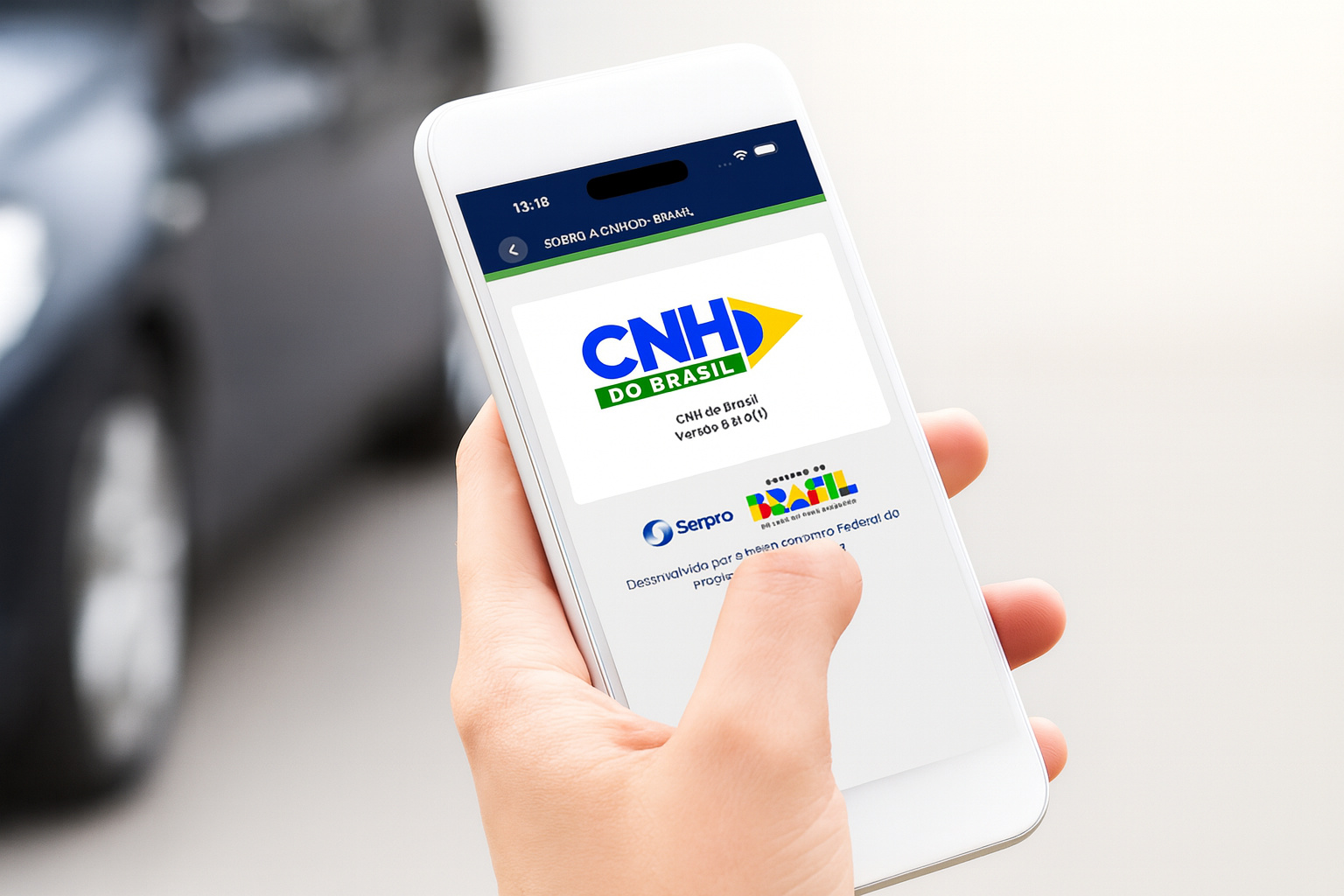

The New CNH App Reorganizes Functions, Centralizes Steps, and Redefines How Drivers Access the Digital Document
A relevant update for millions of drivers has been announced by the federal government, which attracted national attention. The new CNH do Brasil app, officially launched on December 9, replaces the old Digital Driving License and, therefore, changes how drivers access their license. This update accompanies the launch of the new CNH and reflects structural changes in the process of obtaining the document, altering steps, redefining procedures, and reorganizing the driver’s experience. This move demonstrates that the government sought to simplify the system and facilitate access to the digital document, reshaping expectations regarding the daily use of the CNH.
Technical Reformulation Reveals Direct Impact on Access to the Digital CNH
The change arises from the official launch of the CNH do Brasil and therefore immediately affects those using the digital license. After all, the updated app requires login through Gov.br, which maintains already established identification standards. Additionally, as a cascading effect, users must accept the terms of responsibility and the privacy policy, ensuring continuity of use. The government believes that the reformulation modernizes the platform and, thus, the update has received approval among drivers who depend on the digital document. However, the practical impact remains centered on the need to install or update the app, which redefines access to the document.
Practical and Structural Impacts of the Update
The app reorganizes how to download the digital CNH and, despite this, maintains simple procedures for the user. Many drivers use the digital document daily and, consequently, the update requires attention to the new format. Furthermore, the app requests the registration of a four-digit password, which addresses security vulnerabilities while facilitating future access. This scenario highlights how the reformulation directly impacts the daily lives of drivers who already use digital services.
-
Why can the crane operator only obey the correct signalman on the construction site: among dozens of workers, a hand raised by the wrong person can confuse the maneuver and turn a load of tons into an immediate risk.

-
What changes with the new public transportation rules that can reduce pressure on fares and pave the way for zero fare in Brazil?
-
Argentina confirms Belgian giant to lead strategic Paraná River waterway and promises to reduce logistical costs on one of South America’s most important routes
-
MBRF surprises the logistics sector by demonstrating how Artificial Intelligence can directly influence deliveries throughout Brazil by reorganizing distribution routes in seconds, optimizing fleet usage, reducing logistics costs, and speeding up product arrivals even in the face of unforeseen road incidents.


Changes in the Licensing Process Generate Doubts Among Candidates
Although the changes follow technical parameters, the shift creates a sense of uncertainty among candidates for licensing, especially after the announcement of the end of mandatory theoretical classes. Many observe that, even with the reduction of practical training from 20 hours to just two, the process still requires attention to the new rules. This sentiment grows because practical classes may be conducted outside of driving schools, which reorganizes the traditional dynamics of the training process for drivers.
Adapting to the New CNH Requirements
Currently, candidates are trying to reorganize steps in light of the announced changes. The reformulation influences those seeking the document and, therefore, requires that future licenses follow the new operational model. Thus, the adjusted process meets basic requirements but still does not eliminate the need for qualified guidance from authorized instructors. This dynamic demonstrates how the changes, although relevant, directly impact the routine of those starting the process to obtain the CNH.
The Update in a Broader Context
The reformulation of the app follows a trend of digitization that seeks to facilitate access to the document while maintaining control over user identification. This behavior reinforces the importance of understanding how each adjustment influences not only the app but also the entire licensing process. Therefore, the update to CNH do Brasil becomes part of a series of changes that reshape expectations and shape the future of the driving experience.
The Future of the Driver’s Experience
Drivers, instructors, and users evaluate that the moderate update may represent a continuous challenge for those who rely entirely on the digital CNH. The need to use the new app generates doubts, although the reformulation is essential to simplify the process. Meanwhile, adapting to the changes reinforces the concern about the real impact of the new rules.








