






 Portuguese
  Spanish


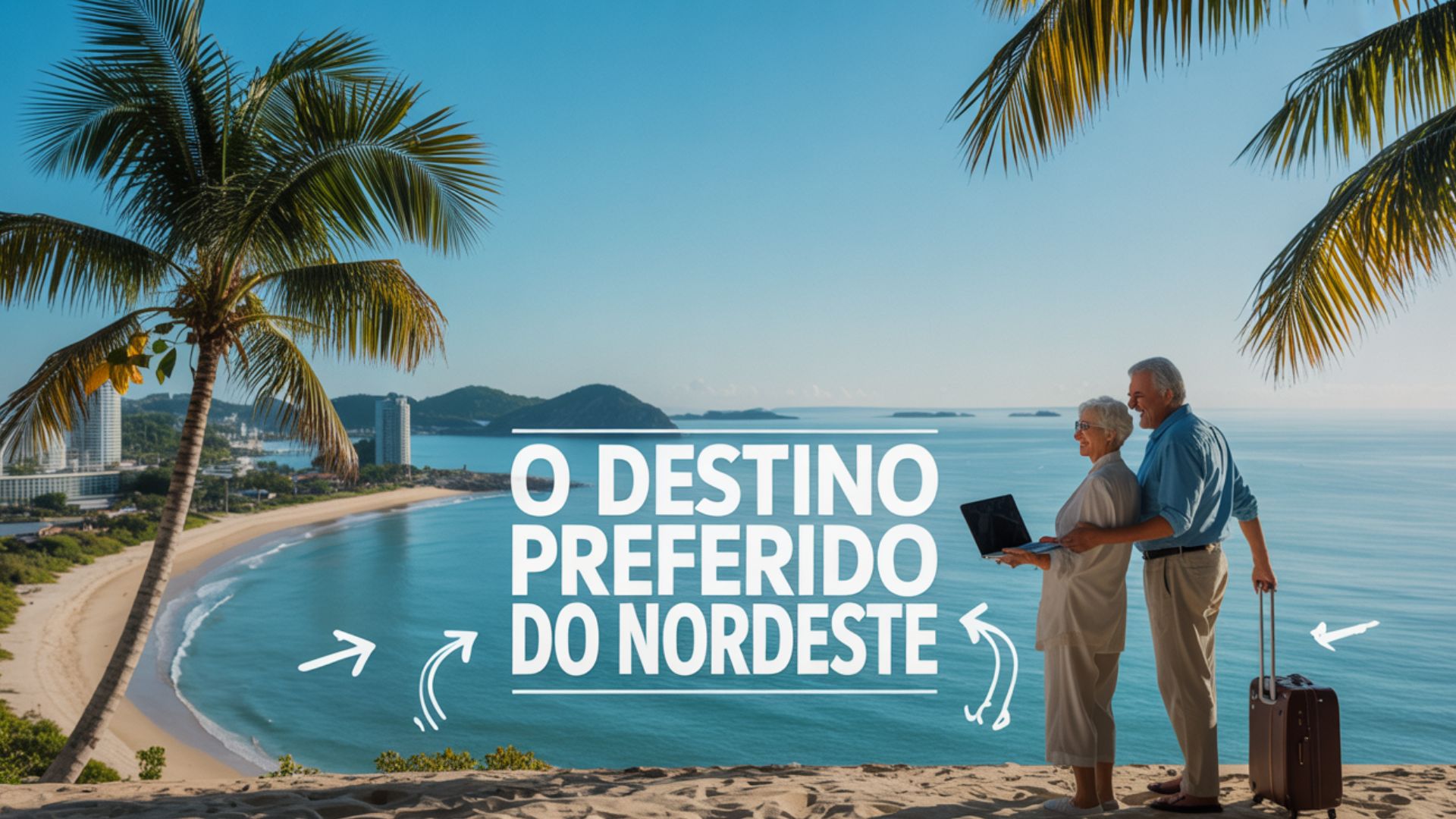


Internal Migration Changes the Northeast: State Gains Prominence by Receiving New Residents, Driven by Climate, Quality of Life, and Economic Attractions.
Paraíba, traditionally recognized as one of the main regions from which northeastern migrants headed to other states in Brazil, is undergoing an unprecedented demographic transformation.
Official data from the Census of the Brazilian Institute of Geography and Statistics (IBGE), released this Friday (27), indicates that the state has become the largest hub for attracting new residents in the entire Northeast Region, countering historical migration trends.
Among the nine states that make up the Brazilian Northeast, Paraíba was the only one to record a positive migratory balance in the period between 2017 and 2022, with a net influx of 31,000 new inhabitants.
-
Teen Transforms Brazilian Dump Site into Playground, Wins $12.5K to Expand Project

-
Elderly Man Who Experienced Water Shortages in Childhood Dedicates Sundays to Free Plumbing Repairs, Highlighting Hidden Household Waste

-
AI is Transforming the Job Market, but Expert Highlights 5 Human Skills That Will Become More Valuable Over the Next Decade

-
Microgreens Gain Popularity in Healthy Diets, Showcasing How Small Indoor Gardens Can Transform Home Routines



In other words, more people chose to settle in Paraíba than to migrate out of the state during this period, according to the latest statistics from IBGE.
Paraíba: Destination for Retirees and Digital Nomads
Several factors contribute to this new migratory profile. According to an article published this Saturday (28) by the newspaper Estadão, experts and authorities point out that the combination of paradisiacal beaches, tropical climate, and low cost of living is transforming cities like João Pessoa into true havens for retirees, digital nomads, and professionals who work remotely.
Besides the return of Paraíba natives who had left their homeland in previous decades, there is an increasing flow of Brazilians from other states seeking quality of life, tranquility, and adequate infrastructure to live and work.
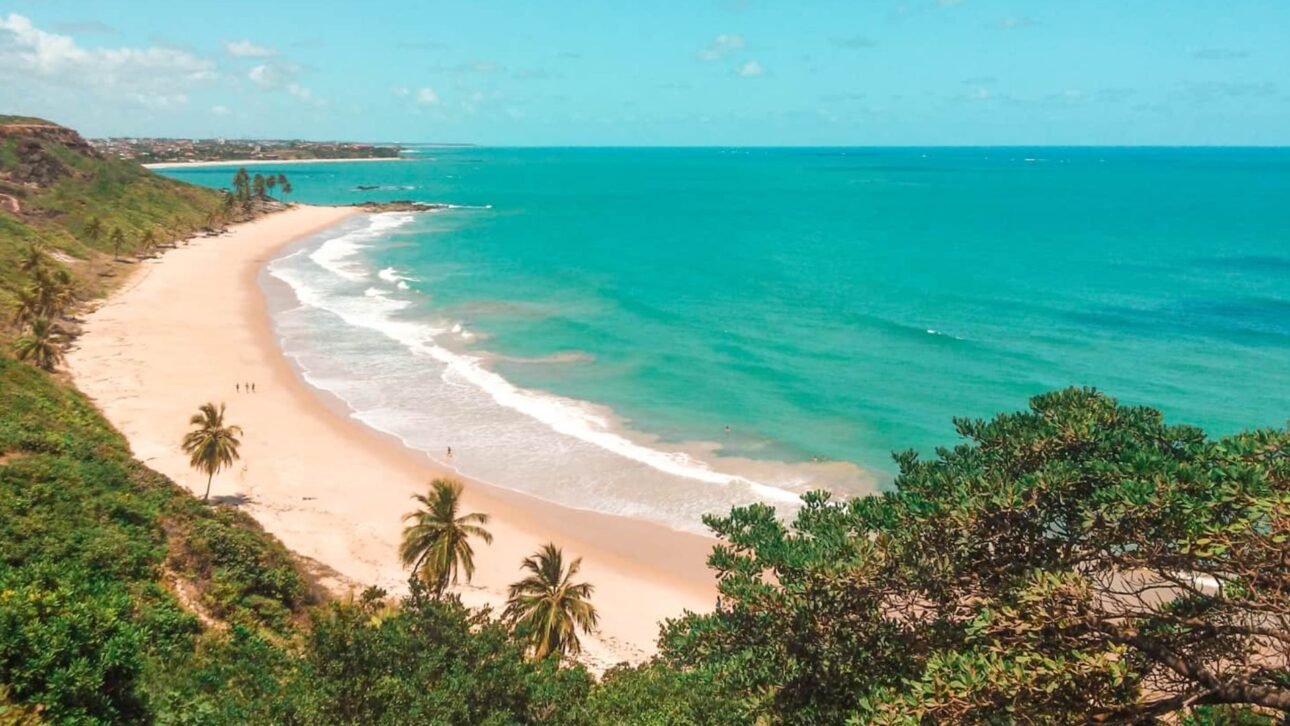
Growth of João Pessoa and Profile of New Residents
João Pessoa, the capital of Paraíba, has established itself as the main destination for migrants seeking to start anew in the state.
The 2022 Census reveals that the city experienced the highest proportional population growth among the 20 largest cities in Brazil, recording a 15.3% increase compared to 2010.
This significant increase surpassed capitals that have traditionally been more sought after by migrants, highlighting the new role of the Paraíba capital on the national stage.
Attracted by the tropical climate, local hospitality, and expanding infrastructure, new residents are bringing visible changes to the urban profile of the city.
Among them is the couple Ana Paula Barbosa Cereja, 55, and José Francisco do Nascimento Viana, 67, who decided to exchange Manaus in Amazonas for the Paraíba capital in June 2023.
Both retired after long years in public service, reported that the decision was primarily motivated by the search for quality of life and the desire to live close to the sea.
According to Ana Paula, the move to João Pessoa fulfilled an old dream: to live in a place where the beach and sun are part of everyday life.
“The city is welcoming, has beautiful beaches, ease of transportation to neighboring cities, and the cost of living is low compared to other Brazilian capitals,” she stated.
She also highlighted the opportunity to explore regions with milder climates, such as nearby mountain towns.
National Migration: Where Do the New Paraibans Come From?
IBGE data indicates that the new residents of Paraíba primarily come from the states of São Paulo (22.3%), Pernambuco (20.4%), and Rio de Janeiro (20%).
This migratory flow reveals a movement of internal migration, which aligns with the national trend of seeking medium-sized cities and smaller capitals with better infrastructure, safety, and quality of life.
According to Rosália Lucas, Secretary of Tourism and Economic Development of Paraíba, the state is continuously investing in infrastructure and security improvements to meet the increasing demand for housing and public services.
She emphasizes that, in addition to retirees, the state has attracted digital nomads and remote professionals looking for a balance between work and leisure, as well as Paraibans who decided to return to their homeland after years living in other regions of Brazil.
Urban Impacts: Challenges and Investments in Infrastructure
The accelerated population growth in João Pessoa has brought urban and environmental challenges.
Studies conducted by researchers such as Fernando de Oliveira Moraes and Doralice Satyro Maia point to intense verticalization along the coastline, with a multiplication of multifamily residential buildings.
The concentration of constructions near the coastline has contributed to the increase in rental and real estate prices, putting pressure on the cost of living in valuable areas.
According to Secretary Rosália Lucas, the state government recognizes the need to balance development with environmental preservation and the quality of life of the population.
Investments in urban mobility, sanitation, and housing have been made to mitigate impacts such as traffic congestion and population density, especially in the metropolitan region of João Pessoa.
Who is Choosing Paraíba as a New Home?
Three main profiles stand out among the new residents of Paraíba: retirees seeking tranquility and structure, digital nomads looking for flexibility and a balance between leisure and work, in addition to families returning to their home state.
The current scenario also reflects the state’s capacity to offer more accessible economic alternatives compared to other Brazilian capitals.
Moreover, the availability of health, leisure, education, and transportation services contributes to Paraíba remaining an attractive destination, maintaining a positive migratory balance while other northeastern states face population outflows.
Recent data confirms that, despite the challenges of growth, João Pessoa and other Paraíba cities continue to receive public and private investments to keep up with the evolving demand.
With such a favorable context, Paraíba consolidates as the preferred destination for those who wish to live with quality, safety, and access to natural beauty, while keeping the cost of living at competitive levels.
The future of the state promises new opportunities and challenges as the interest of Brazilians and foreigners in settling in Paraíba increases.
In light of this transformative scenario, what would be the main factor that would lead you to choose Paraíba as a new destination to live: quality of life, climate, cost, or proximity to nature?


