






 Portuguese
  Spanish


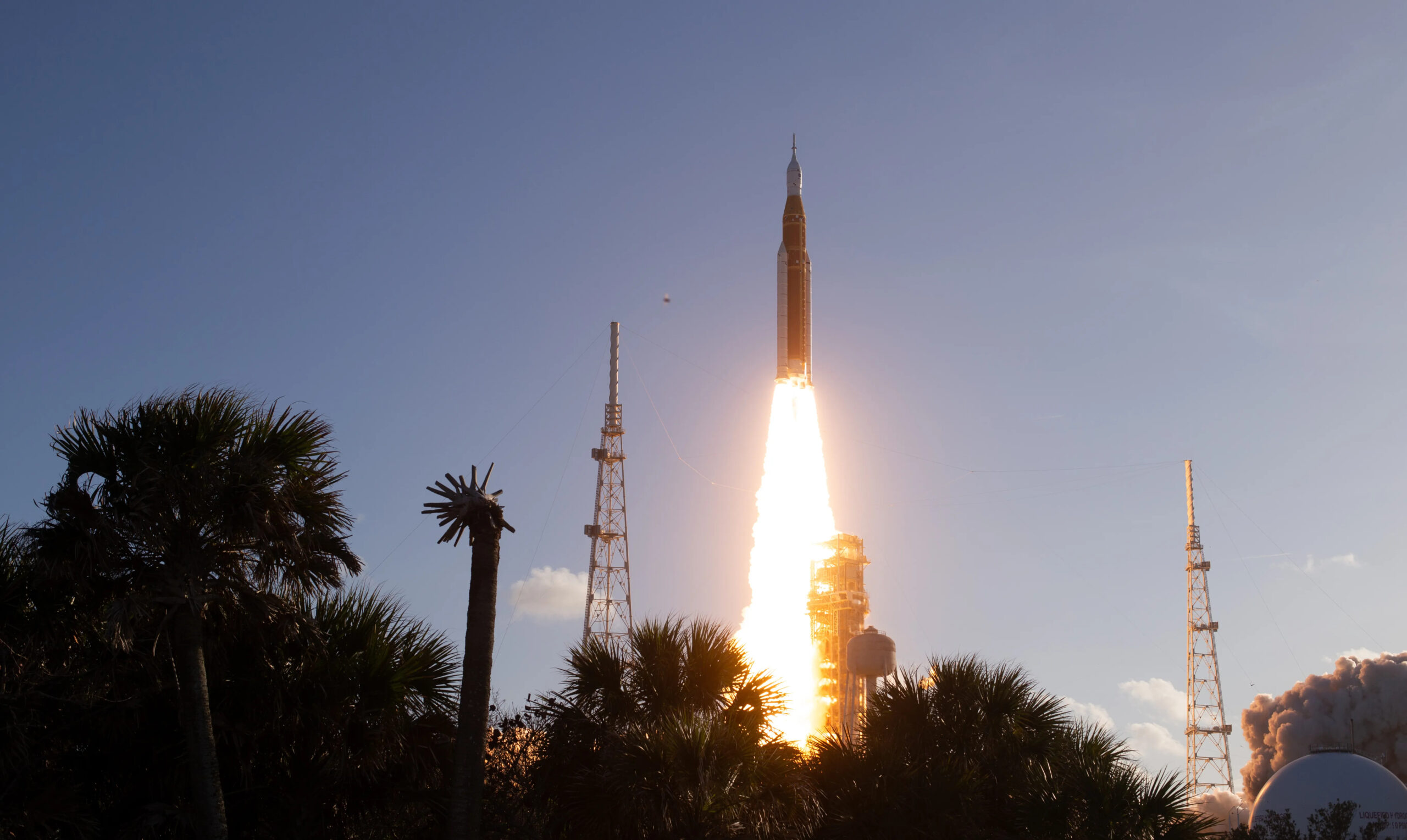
After Artemis II, Brazil strengthens partnership with NASA and bets on food production for the new era of crewed lunar travel
Artemis II has already returned to Earth, but the impact of NASA’s mission continues to open space for Brazil in the next stage of crewed lunar travel. The country did not participate with astronauts in the flight that orbited the satellite between April 1 and 10, but has been part of the Artemis Accords since 2021, an international framework that supports the civil cooperation of the program, and is trying to turn this position into a concrete contribution with food production, lunar science, and technological development.


Artemis II has passed, and Brazil wants to enter what comes next
The Artemis II mission marked the first crewed flight around the Moon in over 50 years, lasting 9 days, 1 hour, and 32 minutes, and served as a decisive test for the next phases of the Artemis program.
In the midst of this new lunar race, Brazil appears as a signatory of the Artemis Accords, which already bring together 61 countries and define principles of cooperation for peaceful, transparent, and sustainable exploration of the Moon, Mars, and other space destinations.
-
In Somaliland’s Desert, Greenhouse Uses Sun and Seawater to Grow Lettuce, Cucumbers, and Tomatoes Without Rain: 1-Hectare Project Cools Crops, Desalinates Water, and Converts Brine into Commercial Salt

-
Trump Unveils $400 Million Boeing 747 Donated by Qatar as Temporary Air Force One Amid Boeing Delays, Sparking Debate on National Security, Costs, and Foreign Influence
-
Chinese Company Unveils Robotic Toilet That Comes to You, Featuring Lidar Sensors, Voice Command, Bidet, Hot Air Drying, UV Light, and Self-Cleaning Waste Disposal
-
Rotterdam Develops Floodable Square to Absorb Nearly 2 Million Liters of Rainwater, Doubling as Sports, Theater, and Leisure Space When Dry to Combat Urban Flooding



The central point for Brasília now is to move beyond diplomatic roles and gain a real function in the international effort.
In a text published on April 17, the Ministry of Science, Technology, and Innovation itself stated that Brazilian participation in Artemis is advancing through two ongoing fronts: Space Farming, led by Embrapa with support from the Brazilian Space Agency, and the SelenITA nanosatellite, developed at ITA for future lunar research missions.
Food production has become Brazil’s strongest card
It is in food production that Brazil tries to establish a stronger presence within NASA’s universe and future crewed lunar travel.
Embrapa describes space agriculture as a Brazilian opportunity within the Artemis Accords, focusing on creating production systems capable of functioning in conditions of high radiation, low gravity, and lack of soil.
The proposal is to tackle one of the most challenging bottlenecks of human presence outside Earth: how to feed astronauts in a stable, safe, and continuous manner away from the planet.
This movement is significant because the Artemis mission was not designed for an isolated flight. NASA treats the program as a bridge to long-term human presence on the Moon and then on Mars.
In this scenario, producing food in space ceases to be a laboratory curiosity and becomes a key element to sustain bases, reduce logistical dependence on Earth, and extend the duration of crew stays.
SelenITA takes Brazil to the heart of lunar research
The other front that brings Brazil closer to NASA and Artemis II in the post-mission phase is SelenITA. Led by ITA in partnership with AEB, Finep, and international institutions, the project envisions a small scientific satellite in orbit around the Moon to study magnetic fields, lunar dust, and phenomena related to the south pole region, which is precisely one of the areas most targeted by future human operations. In June 2025, the project underwent an international review and was approved to move forward.
This focus is not casual. The lunar south pole concentrates much of the strategic attention of the Artemis program due to the interest in resources, science, and sustained human presence.
By targeting this region with SelenITA and, at the same time, betting on food production with Space Farming, Brazil is trying to occupy two areas that could gain significant weight as crewed trips to the Moon cease to be an exception and become part of a more ambitious space routine.
The Brazilian challenge now is to turn signature into capability
The signing of the Artemis Agreements placed Brazil at the right table, but the real leap depends on its own capability. The country still sees the Alcântara Launch Center as a strategic asset, with a privileged position at 2°18′ south of the Equator, while seeking to strengthen its industrial and scientific base to avoid being just a lateral supporter of the new space economy.
In parallel, AEB has already signed a contract worth R$ 189 million with a business consortium for the development of launch vehicles, in an attempt to push for national autonomy in access to space.
Artemis II has already made history at NASA. For Brazil, it served as a clear warning that the new lunar race is no longer a distant promise.
Those who want space in this cycle will need to deliver technology, science, and useful solutions. Today, Brazil’s bet involves food production, lunar research, and an attempt to mature its own space sector before the next phase of crewed trips to the Moon accelerates.
Do you think Brazil can achieve a more relevant role alongside NASA in the upcoming crewed trips to the Moon? Share this article with those who follow space, science, and Brazilian technology.




Be the first to react!