Portuguese
  Spanish


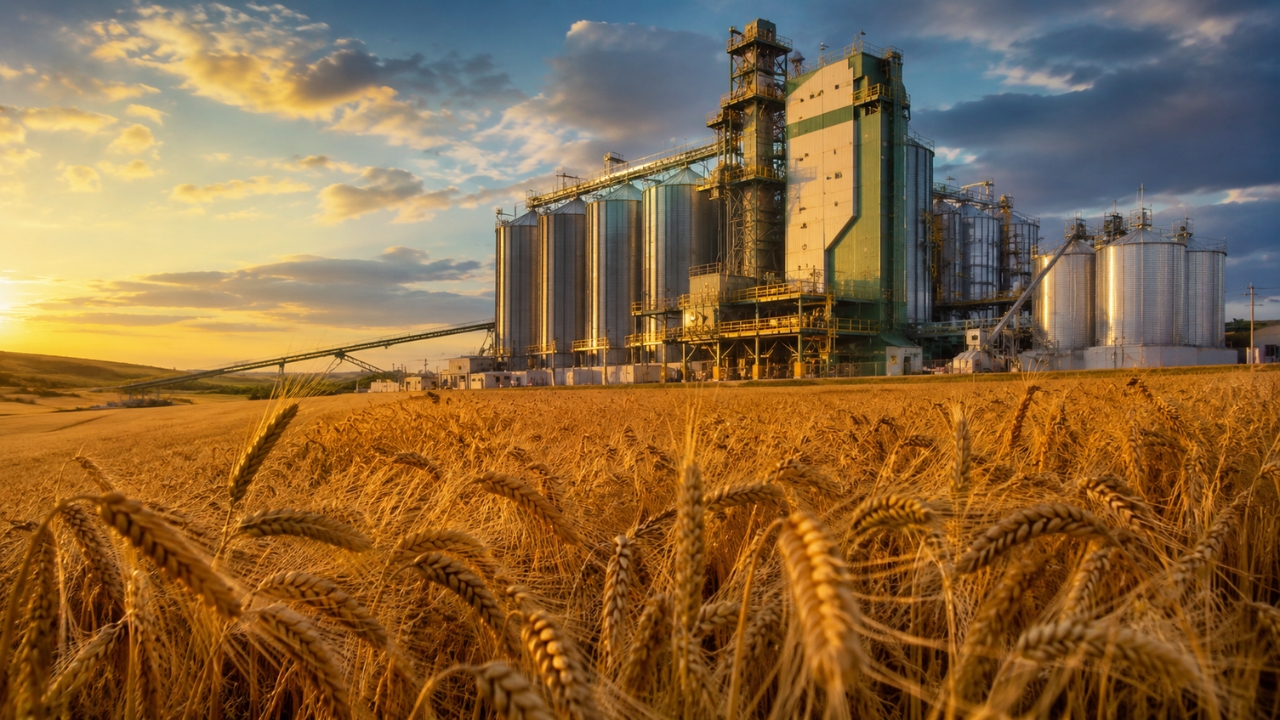

The Cooperativa Agrária Agroindustrial, one of the giants of Paraná’s agribusiness, has just entered a new phase of expansion that could directly impact the barley, malt, and Brazilian brewing industry chain.
According to information released by BNDES, the cooperative will receive R$ 49.8 million in financing to expand malt production in Paraná, a state that is already a national reference in this sector.
The move draws attention due to a powerful number: the malting plant’s capacity is expected to grow by 25%, with the installation of a new structure capable of producing 80 thousand tons of malt per year. In other words, the interior of Paraná could gain even more weight in a market dominated by large breweries, cooperatives, and highly competitive industrial chains.
-
India’s Sugar Export Cuts and Ethanol Shift Amid El Niño Threat Could Impact Global Prices and Stocks

-
Quarantine Pest Threatening Palm Trees Puts Brazilian Authorities on Alert, Prompts Monitoring at University of Taubaté and Potential Control Measures Across São Paulo
-
Global Alert: Report Finds 159 Pesticides in Coffee Beans Sold in Europe, Posing Serious Risks to Millions of Farm Workers
-
Low-Demand Brazilian Beef Offal Gains Popularity Abroad: Indonesia Purchases $19.5 Million, Boosting Revenue and Reducing Waste

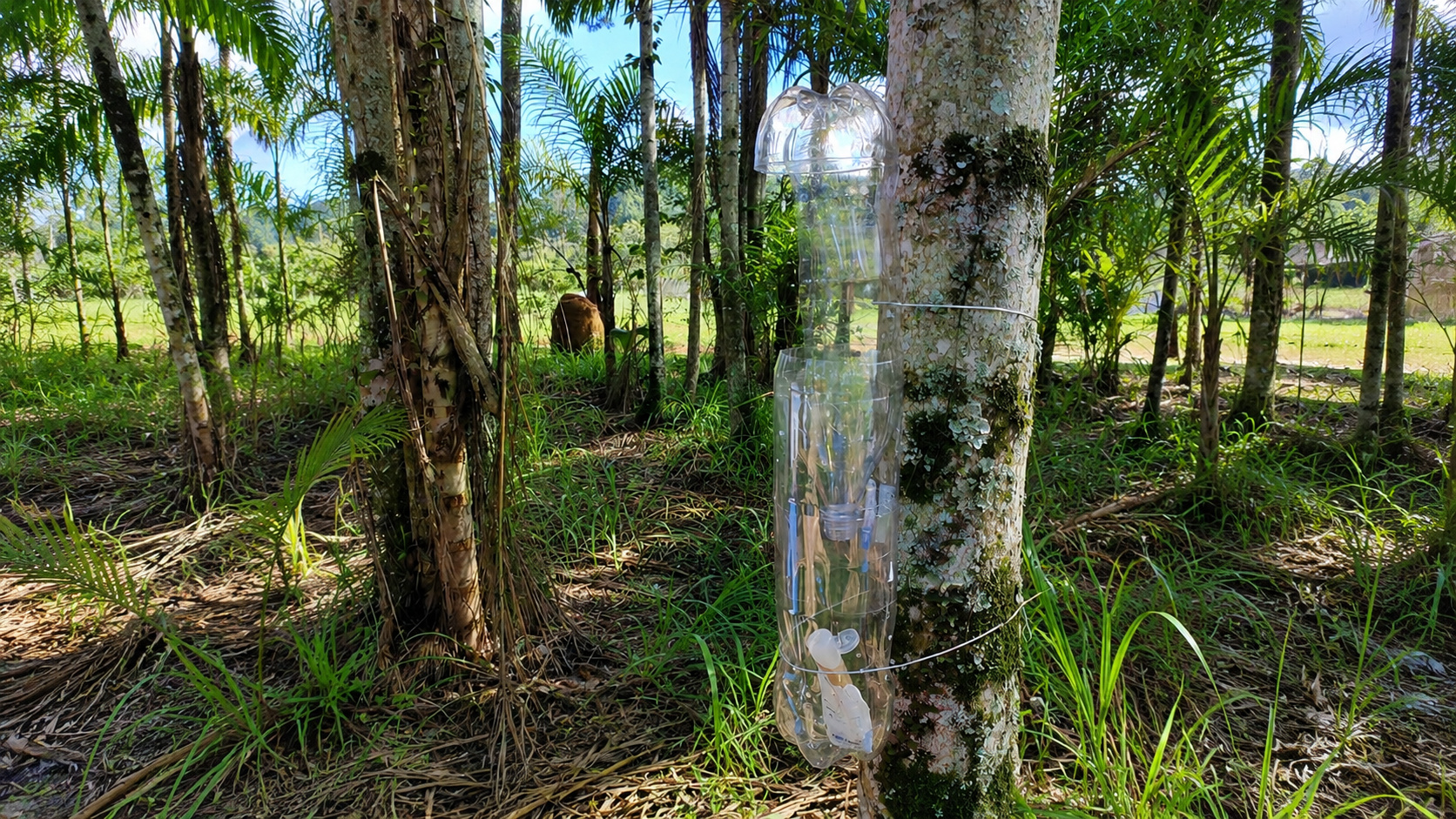


New malt tower could change the game in Paraná
The project foresees the construction of a new malt tower within Agrária’s industrial structure, in the Entre Rios district, Guarapuava. The region is already known for the strong presence of cooperatives, organized agricultural production, and integration between field and industry.
With the expansion, the unit is expected to reinforce Agrária’s position as one of the main forces in the country’s malt sector. The cooperative already operates in a strategic chain that begins with barley planting and ends with the supply of inputs for the beverage industry.
The detail that makes this project even more striking is its scale. An expansion of 80 thousand tons annually is not just an operational improvement. It is practically a new industrial layer being added to a sector that depends on volume, quality, logistics, and predictability.

Brazil wants to depend less on imports
Malt is an essential ingredient for beer production, but Brazil still relies on imports to meet part of the demand. Therefore, each national expansion in this sector has a direct impact on industrial security, the competitiveness of breweries, and the income of barley producers.
Agrária’s new structure emerges precisely at a time when the country is trying to add more value to agricultural production. Instead of just selling grains, the chain now transforms raw material into industrialized products, with higher added value.
This type of investment strengthens a model that has been gaining ground in Brazil: that of agro-industrial cooperatives capable of acting as true industrial giants, connecting rural producers, factories, distribution centers, and consumer markets.
Guarapuava reinforces industrial vocation
Guarapuava and the Entre Rios district already play an important role in Paraná’s agro-industrial production. Agrária’s presence has transformed the region into a hub linked to barley, malt, flour, grains, and other agribusiness segments.
With the new investment, the city gains another argument to consolidate itself as one of the most relevant centers for the food and beverage industry in Southern Brazil.
In addition to production expansion, projects of this scale usually mobilize suppliers of machinery, engineering services, transport, maintenance, automation, and logistics. Even when the main announcement speaks of a malt tower, the practical effect can spread across various economic activities in the region.
Financing targets productivity and scale
BNDES support is directed towards a type of investment that combines industrial modernization, capacity increase, and the strengthening of a national production chain.
In practice, the financing allows the cooperative to expand its structure without relying solely on its own resources, accelerating an expansion that can bring economies of scale and greater competitiveness.
This point is important because malt production requires rigorous technical control. It’s not enough to produce more. It’s necessary to maintain quality standards, supply stability, and energy efficiency to compete in a cost-sensitive market.
Brazilian malt gains strength in the brewing market
The growth of national malt production directly interests the brewing industry. Big brands, regional breweries, and craft manufacturers depend on this input to maintain their operations.
When Brazil expands its internal capacity, it reduces vulnerability to external fluctuations, exchange rates, international freight, and logistical bottlenecks. This can make the supply chain more predictable and less exposed to global shocks.
The expansion also reinforces the importance of Brazilian barley. For cooperative producers, more industrial capacity can mean more demand, better crop planning, and new income opportunities.
Paraná consolidates itself as a malt powerhouse
Paraná already has a strong presence in barley production and malt processing. Now, with this additional investment, the state takes another step to establish itself as one of the major national hubs of the brewing chain.
The combination of favorable climate, cooperative tradition, industrial structure, and proximity to large consumer markets creates a strategic environment for this type of expansion.
The Agrária case shows how Brazilian agribusiness is moving beyond being just a raw material producer to advance towards industrialization. And when a malthouse grows by 25% with the support of nearly R$ 50 million, the message is clear: the Brazilian countryside is increasingly resembling a large open-air factory, connected to modern industrial plants and billion-dollar markets.
A silent expansion, but with a giant impact
Unlike a car manufacturer or an electronics factory, a malthouse doesn’t usually generate explosive headlines day-to-day. But the economic impact can be enormous.
After all, behind every beer sold in the country, there is a chain that starts in the field, passes through cooperatives, industries, transporters, and reaches bars, supermarkets, and consumers.
With the new tower of 80 thousand tons per year, Agrária is not just expanding a factory. It is strengthening an entire chain. And Paraná, once again, appears at the center of this industrial transformation that mixes agribusiness, technology, beer, and billions in economic potential.