Portuguese
  Spanish


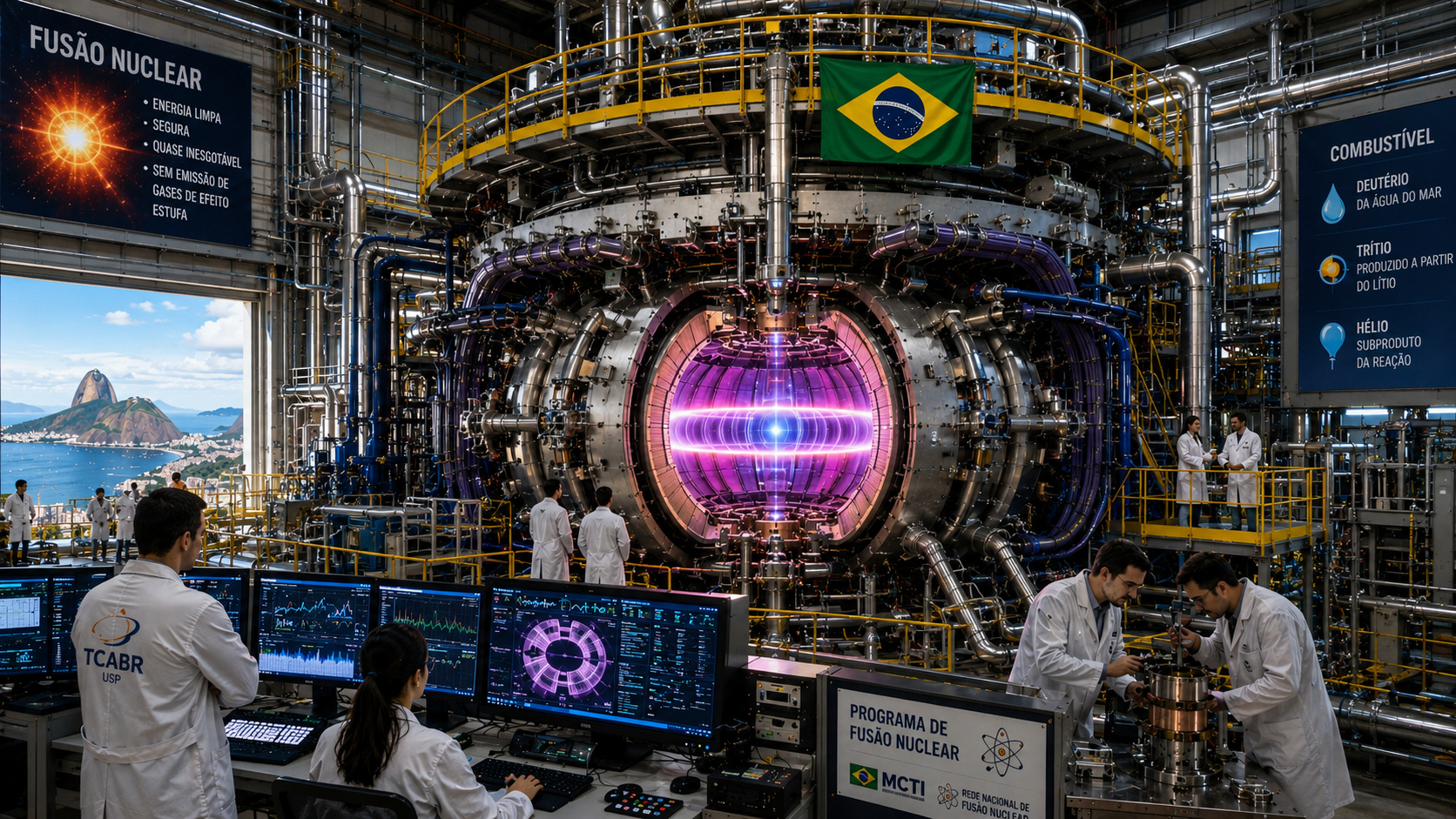

Nuclear fusion advances as a promise of clean, safe, and virtually inexhaustible energy, mobilizes billions in investments, challenges scientists with temperatures exceeding 100 million degrees Celsius, and places Brazil in the global race for technologies capable of creating an “artificial sun” to power humanity’s energy future
Nuclear fusion has become one of the biggest bets for the future of energy and has placed governments, universities, and private companies in a global technological race.
Known as an attempt to create an “artificial sun” on Earth, this technology seeks to reproduce the same phenomenon that powers the Sun and stars.
Instead of splitting heavy atoms, as occurs in nuclear fission used in current power plants, fusion unites light nuclei, such as hydrogen, to release a gigantic amount of energy.
-
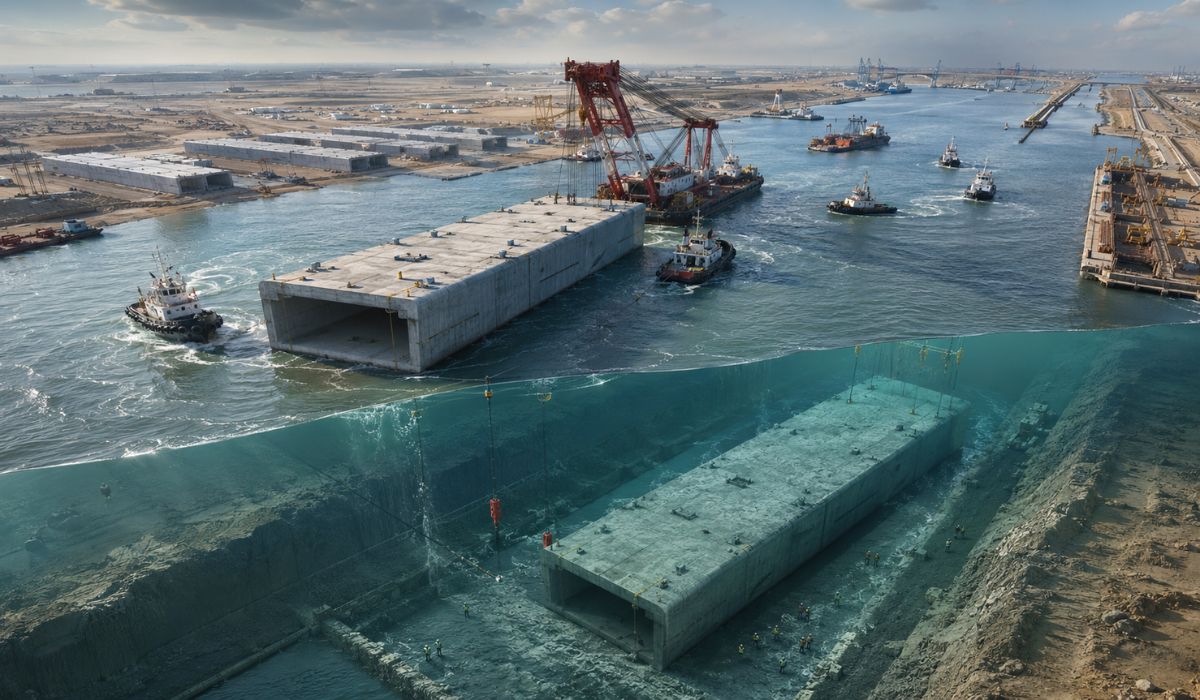
Iraq floats and sinks under an arm of the Euphrates 10 giant concrete boxes of 46,000 tons and 125 meters each to assemble a 2.4 km submerged tunnel and open a new land route between Asia and Europe.

-
Scientists use more than 20,000 artificial birds and solar speakers to “trick” seabirds, reactivate nesting routes, and revive a colony on an island that seemed abandoned.

-
She spent 73 years breathing inside an iron lung, survived the aftereffects of polio, and became the last woman in the United States dependent on the equipment before dying at 78 years old.
-
Brazilian students created a $1 filter using pine bark, cotton, and 3D-printed parts to clean cassava wastewater, reduce the toxicity of a hazardous waste, and transform contaminated water into biofertilizer.



According to physicist Gustavo Canal, a USP professor, in an interview with Olhar Digital, this process can generate 3 to 4 times more energy per kilogram of fuel than fission and millions of times more than fossil fuels.
How nuclear fusion tries to recreate the sun on Earth
For fusion to occur, scientists need to overcome the natural repulsion between positive atomic nuclei.
In the Sun, this process occurs due to extreme gravitational force. On Earth, however, this condition needs to be created artificially at temperatures exceeding 100 million degrees Celsius.
Under these conditions, matter turns into plasma, an extremely hot and electrically charged gas.
Therefore, the great challenge is to keep this plasma stable, without touching any solid wall of the reactor.
As Canal explained, very strong magnetic fields are used in vacuum chambers to contain the plasma.
Thus, the superheated material remains suspended and does not touch the internal structures of the equipment.


Scientific challenges still hinder the energy of the future
Despite its potential, nuclear fusion still faces complex obstacles.
Firstly, plasma control remains one of the biggest difficulties. Small instabilities can compromise the entire reaction.
At the same time, when the temperature rises, the pressure also increases. According to Gustavo Canal, a massive ejection of this gas can damage the reactor walls.
Another decisive point is the so-called net energy gain. That is, the system needs to produce more energy than it consumes to initiate and maintain the reaction.
In December 2022, the National Ignition Facility, in the United States, achieved this milestone in an inertial confinement fusion experiment.
Since then, the result has been repeated and refined. However, continuous and commercial operation still remains distant.
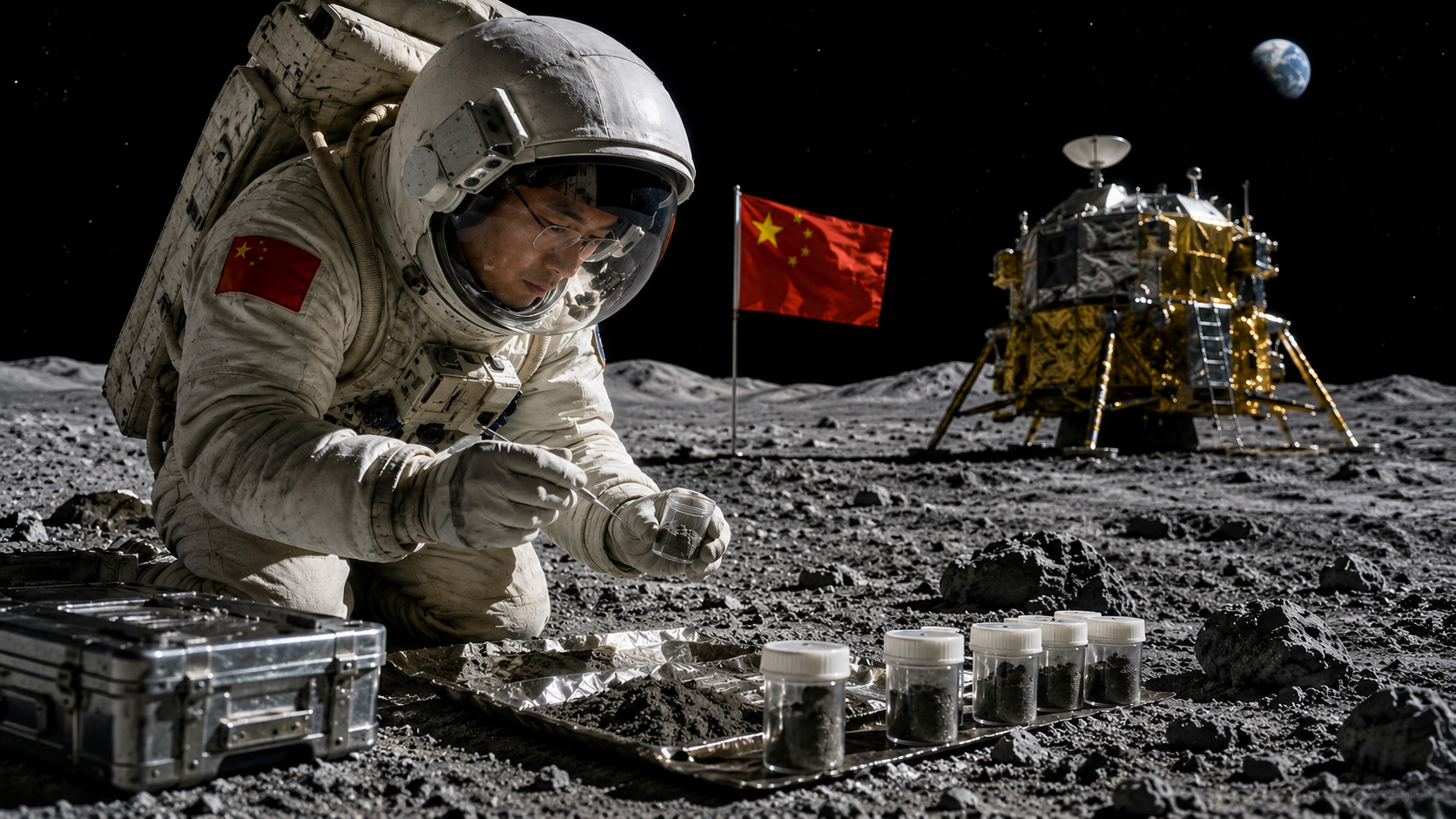
Global race already mobilizes governments and billion-dollar companies
Currently, more than 50 countries invest in nuclear fusion.
In France, the ITER project remains under construction and seeks to demonstrate the viability of the technology on a large scale in the 2030s.
Meanwhile, the private sector is accelerating the race. Fusion startups have already received over US$ 7 billion, and more than 50 companies are competing for the first commercial reactor.
Among them, Commonwealth Fusion Systems, linked to MIT, is betting on compact reactors with high-temperature superconducting magnets.
Meanwhile, TAE Technologies develops linear reactors with artificial intelligence, while Helion Energy works with modular models for energy supply.
Brazil tries to gain ground with tokamaks and public research
In Brazil, however, the race is still more restricted and concentrated in the public sector.
According to Gustavo Canal, the country still does not have private companies directly investing in nuclear fusion.
Even so, Brazil has three tokamaks, equipment used to study plasmas.
The main highlight is the TCABR, from USP, considered the only tokamak in operation in the Southern Hemisphere.
Also in this scenario, the Nuclear Fusion Program, linked to MCTI and the National Nuclear Fusion Network, seeks to train specialists, expand infrastructure, and stimulate new initiatives in the sector.
Clean, safe, and virtually inexhaustible energy
Nuclear fusion draws attention because it does not generate an out-of-control chain reaction.
According to Canal, in a fusion plant, the worst-case scenario would be the plasma extinguishing.
In addition to this safety factor, the technology does not emit greenhouse gases during the reaction and has helium as its main direct byproduct.
Although some reactor materials may require management due to neutrons, fusion does not produce long-lived radioactive waste like fission.
Another strategic point is the fuel. Deuterium can be extracted from seawater, while tritium can be produced from lithium.
Therefore, fusion is seen as an almost inexhaustible source of energy.
A technology under construction
Despite advances, nuclear fusion is still one of the greatest engineering challenges of the 21st century.
The general expectation points to the first commercial plants between 2040 and 2050, although companies like CFS and Helion are trying to anticipate this deadline.
Meanwhile, research is already driving superconductors, new materials, and advanced energy systems.
In Brazil, this advance could represent more than a new energy source.
After all, the country can transform public research into strategic participation in a global high-tech industry.
If the “artificial sun” leaves laboratories and reaches electricity grids, will Brazil be able to keep up with this race or will it merely observe the next global energy revolution?