






 Portuguese
  Spanish
  5 min of reading
  0 comments


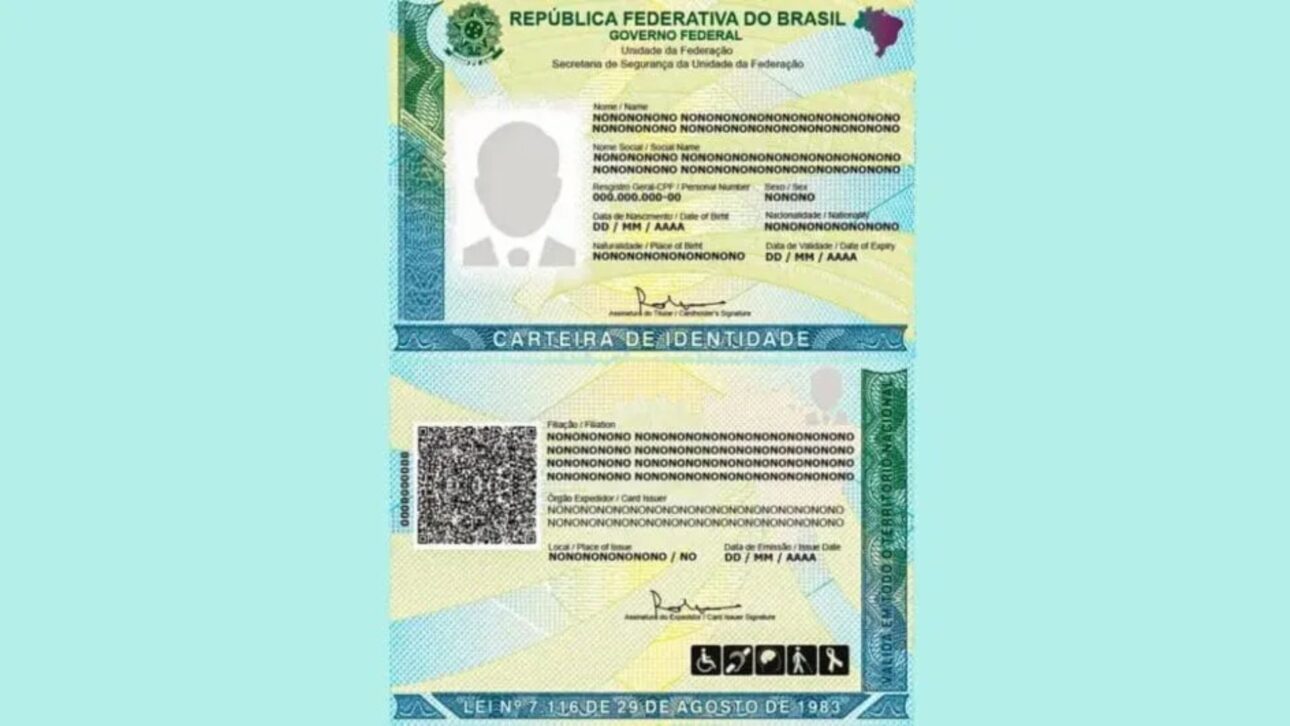
The Brazilian Consulate in Asunción has started issuing the National Identity Card, the second phase of a project that debuted in Lisbon. In addition to waiving the passport requirement in eight neighboring countries, the new identity elevates the user to the Gold level of GOV.BR and requires scheduling through the e-Consular system.
Brazil launched the new identity for Brazilians living abroad starting from Paraguay: the Brazilian Consulate in Asunción has begun issuing the National Identity Card (CIN), a document that waives the passport requirement in eight South American countries and provides access to 5,000 digital government services. The choice of the neighboring country was not by chance, as it hosts one of the largest communities of Brazilians outside Brazil.
The initiative is part of a program that began in Europe and now reaches South America. The project, still in the testing phase, debuted in April 2026 in Lisbon, Portugal, and aims to bring citizens closer to digital services and shorten geographical distances. According to information released by the NSC Total portal, the new identity uses the CPF number as a unique national registration, reducing the risk of fraud that occurred with the traditional RG, and according to the Ministry of Management and Innovation in Public Services (MGI), the project in Lisbon has already issued more than 400 cards, with expectations to serve thousands of residents in Asunción.
Why Paraguay was chosen for the new identity
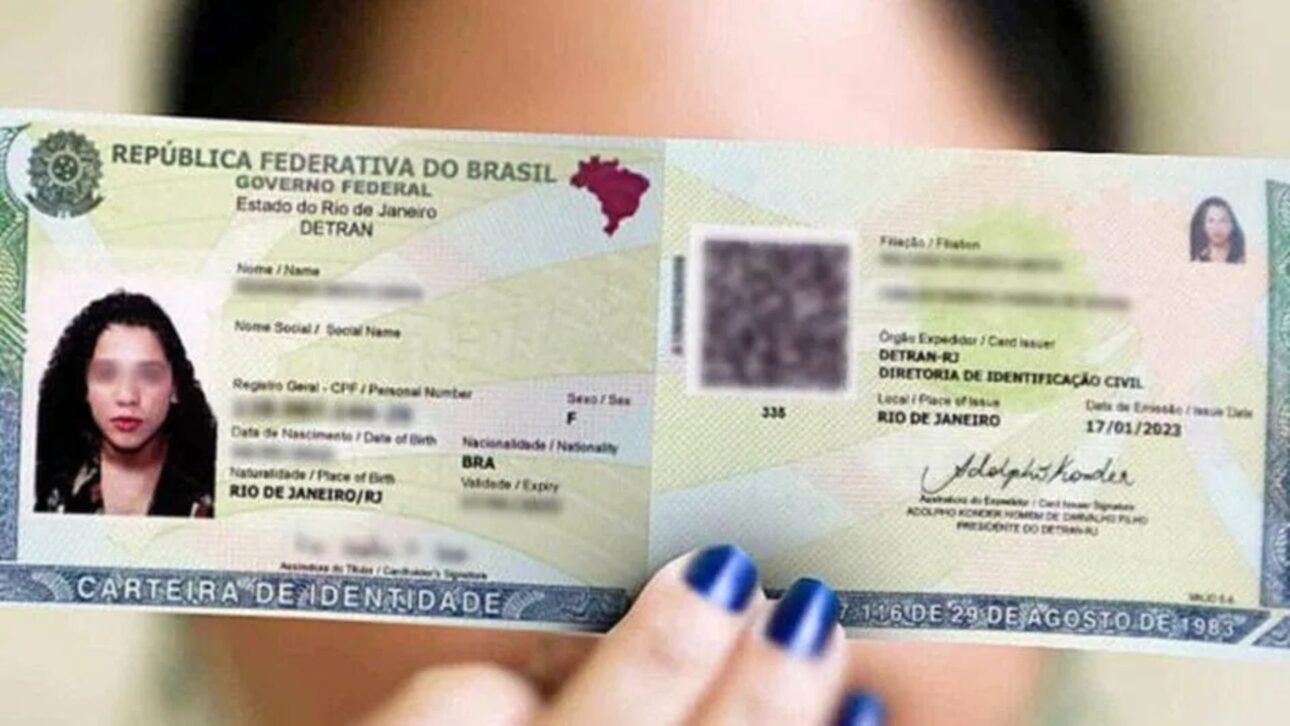
The choice of Paraguay as the second stage of the new identity had a clear reason. The neighboring country currently hosts the third largest community of Brazilians outside Brazil, behind only the United States and Portugal, and estimates indicate that more than 250,000 Brazilians live in Paraguayan territory.
-
17-year-old balances manual labor on the farm, up to 10 hours of study per day, and gets into Medicine at UFT through Sisu.

-
Hidden beneath icy waters between Alaska and Siberia, a 160 km underwater canyon plunges 2,600 meters and transforms the Bering Sea into a corridor of life.

-
A hospital janitor who also washed cars to make a living has just impressed Brazil by achieving the impossible dream of becoming a doctor at 26 years old and shouting to the world that the janitor has won.
-
Two billionaires spend $67 million just to avoid having a neighbor and block a $285 million mega mansion, with 4,645 m², bowling alley, car museum, and waterfront area in Florida.



This migratory flow is driven by studies, business, and economic opportunities. A large part is linked to the agricultural sector, strong at the border between the two countries. The project, which began in Lisbon in April 2026, now arrives in South America to try to bring citizens closer to digital services, and the Brazilian Consulate in Asunción has started issuing the document.
Travel without a passport in 8 countries
One of the greatest advantages of the new identity is at the border. The new document is officially accepted for travel in eight South American countries, eliminating the need to present a passport in Argentina, Paraguay, Uruguay, Bolivia, Chile, Colombia, Ecuador, and Peru.
For those living at the border or traveling through the region, this means less bureaucracy in daily life. In addition to free movement, the CIN unifies citizen data by using the CPF number as a unique national registry, drastically reducing the risk of fraud that occurred during the time of the traditional RG, when the same person could have different documents in each state.
Access to 5,000 digital services and the Gold level of GOV.BR
Besides travel, the new identity unlocks the government’s digital side. Those who issue the document reach the Gold level on the GOV.BR platform, a validation that provides secure access to more than 5,000 digital services of the federal government.
Among these services are portals used daily. The list includes Meu INSS, Meu SUS Digital, and the Digital Work Card, saving citizens from having to travel to Brazil just to resolve basic bureaucratic issues. According to the MGI, the project in Lisbon has already issued more than 400 cards, and in Asunción, the expectation is to serve thousands of residents in the coming months.
How to schedule through e-Consular and what else consulates issue
Even though the new identity is still restricted to tests in Portugal and Paraguay, the Brazilian consular network offers several services for those abroad. It is possible to request documents such as the Brazilian passport and CPF, civil records of birth, marriage, and death, powers of attorney, residence certificates, and authorization to return to Brazil.
To obtain the CIN or any other document, the process requires planning. The government emphasizes that citizens should not go to the consulate without an appointment: the first step is digital and mandatory, accessing the e-Consular system of the Ministry of Foreign Affairs (MRE), and completing the preliminary registration by attaching the birth or marriage certificate.
After the team validates the documents, the in-person appointment is released, and on the day, the citizen uses an electronic kiosk to take a photo and collect fingerprints via teleattendance, under the supervision of a fingerprint expert from the Civil Police of the Federal District (PCDF). The physical document is printed in Brazil and sent to the consulate by diplomatic pouch.
The arrival of the new identity at the Consulate of Brazil in Asunción marks the second phase of a program that aims to bring digital services closer to Brazilians abroad, in a document that eliminates the need for a passport in eight South American countries and grants access to more than 5,000 services on GOV.BR.
Still in the testing phase, limited to Portugal and Paraguay, the new National Identity Card has already issued more than 400 cards in Lisbon, according to the MGI, and requires planning through the e-Consular system, with no service without an appointment. For a community estimated at more than 250,000 Brazilians in Paraguay, it is a change that promises to reduce the bureaucracy of living far from home.
And you, what do you think about the new identity for Brazilians living abroad? Do you know someone outside Brazil who could benefit from the document? Share your opinion and exchange ideas with other readers about public services and citizenship.





Be the first to react!