






 Portuguese
  Spanish
  6 min of reading
  0 comments


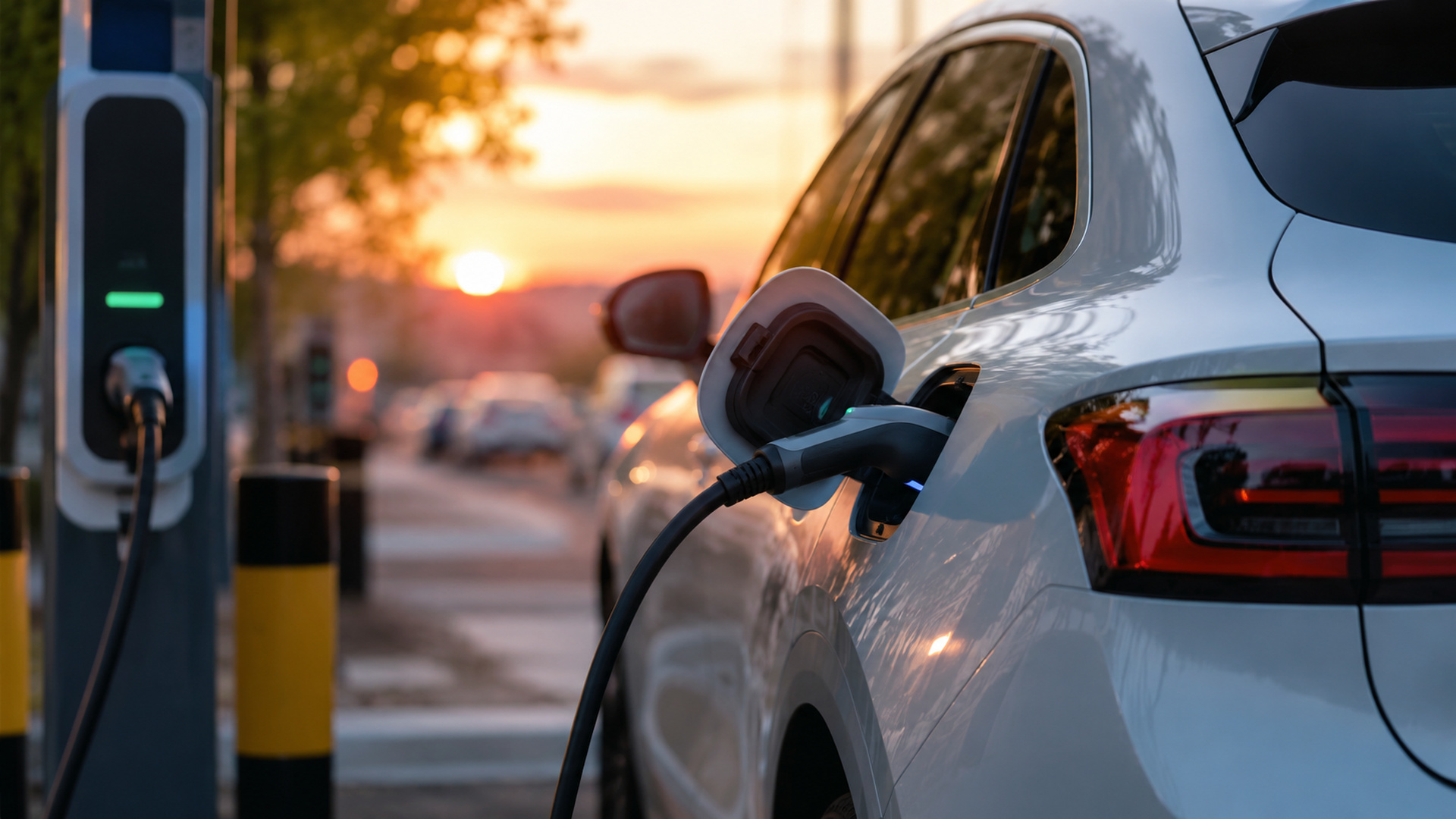
Electric cars reach 17.7% of sales in April in Brazil, while Chinese brands expand presence in the Brazilian automotive sector in 2026.
The national automotive market started 2026 at an accelerated pace, and the latest figures show that electrification is no longer just a future trend but has become a reality in the country. In April, electrified vehicles achieved a historic 17.7% share of total light vehicle sales in Brazil, consolidating an important transformation within the Brazilian automotive sector.
Data released by Bright Consulting on May 1st reveals that the market closed April with 235,942 light vehicle registrations, a result representing a 19.5% growth compared to the same month in 2025. The absolute highlight was electric and hybrid cars, which totaled 41,791 units sold during the period, more than double the figure recorded in the previous year.
In the accumulated sales for 2026, the segment has already reached 133,784 electrified vehicles sold, an advance of nearly 95%. The numbers make it clear that Brazilian consumers are changing habits and showing greater interest in technologies related to energy efficiency, fuel economy, and lower pollutant emissions.
-
BYD Dolphin Mini: The Electric Car That Defies Depreciation, Losing Only 3.58% in a Year and Becoming the Best-Selling Retail Model Under $22,000

-
Electric Car JAC E-JS4 Loses $19,000 in Value in One Year, Leading Record Depreciation of Used Cars in Brazil Due to Expensive Battery and New Models
-
Used Civic and Corolla have been stuck in stock for months. “People are preferring Chinese cars,” says the car dealership owner.

-
Toyota Sienna becomes a “VIP lounge on wheels” in Brazil after receiving a Chinese luxury kit, seats with massage, Starlink, refrigerator, and a 245 hp hybrid engine, targeting high-income families, artists, and executive transport in an almost million-dollar van.


At the same time, Chinese brands continue to expand their participation in the country and already represent 17% of the entire national market, up from 14.7% recorded in March. Companies like BYD and Omoda-Jaecoo emerge as protagonists in this new phase of the Brazilian automotive sector.
Electric cars accelerate growth and reach historic sales mark in April
Electric cars are experiencing the most important moment in the recent history of the Brazilian market. The sales growth recorded in April confirms that electrification has consistently gained ground and is no longer confined to specific industry niches.
According to Bright Consulting, electrified models are already approaching one-fifth of all light vehicle sales in Brazil. The result is noteworthy because the advance is not concentrated in just one technology but distributed across different categories.
The main growing segments include:
- Battery electric (BEV)
- Plug-in hybrids (PHEV)
- Conventional hybrids (HEV)
- Flex-fuel electrified models
- Range-extended vehicles
Pure electric vehicles continue to lead the expansion. They currently represent 41.2% of all electrified vehicles sold in the country. In this scenario, BYD emerges as the main force in the segment, driven primarily by the commercial performance of the Dolphin Mini, one of the best-selling vehicles in the category in 2026.
The increase in sales in April also reflects a change in Brazilian consumer behavior. Many buyers have started to consider factors such as fuel economy, lower maintenance costs, and technological advancements before making a purchase.
Furthermore, the expansion of supply directly contributes to this growth. A few years ago, consumers found few options for electric cars in Brazil. Now, the scenario has completely changed, with models in different price ranges and categories.


Chinese brands change the balance of the Brazilian automotive sector
The advance of Chinese brands is another decisive factor in explaining the transformation of the national market. Asian manufacturers have quickly gained ground and are now directly competing with traditional automakers that have been operating in Brazil for decades.
In April, Chinese companies achieved a 17% share of the total light vehicle market. The growth was significant compared to the 14.7% recorded just a month earlier, indicating consistent acceleration within the Brazilian automotive sector.
In addition to BYD, brands linked to the Chery group are also expanding their presence in the country. Omoda-Jaecoo, for example, is intensifying its expansion strategy with new electrified products and greater coverage in segments considered strategic.
The movement of these companies is not by chance. During the Beijing Auto Show, one of the most important automotive events in the world, it became evident that Chinese manufacturers intend to go beyond simply importing vehicles into Brazil.
Among the main objectives of these automakers are:
- Expansion of local production
- Creation of new factories
- Development of vehicles adapted to the Brazilian market
- Expansion of the dealership network
- Strengthening of national after-sales service
This strategy increases the competitiveness of electric cars and pressures traditional automakers to accelerate their own electrification projects.

Sales in April show consumers more open to electrification
Sales in April reveal an important shift in the profile of the Brazilian consumer. Interest in electric and hybrid cars is growing at an accelerated pace, especially among buyers seeking economy and technological innovation.
Even with an 8.7% reduction in total sales compared to March, a consequence of fewer business days in the month, the daily average of registrations remained practically stable. This demonstrates that the market remains heated and that electrification maintains a solid growth trajectory.
Another important point is that Brazilian consumers no longer see electrified vehicles merely as sustainable alternatives. Today, many models offer competitive performance, advanced technology, and lower operating costs.
Chinese brands have managed to take advantage of this scenario by offering modern products with more competitive prices compared to traditional competitors. This differential has helped accelerate the participation of these companies within the Brazilian automotive sector.
Furthermore, investments in design, connectivity, and autonomy have also contributed to increasing the acceptance of electrified models among Brazilians.
Electric cars gain strength with new technologies adapted to Brazil
The growth of electric cars in Brazil is also related to the development of solutions better suited to the national reality. Manufacturers quickly realized that Brazilian consumers have different needs from other global markets.
Therefore, technologies such as plug-in hybrids, electrified flex systems, and range-extended vehicles have gained prominence. These alternatives help reduce concerns related to charging infrastructure, which is still advancing gradually in the country.
At the same time, the increase in the charging network contributes to strengthening the segment. Although Brazil still faces structural challenges, the number of charging stations is continuously growing in major cities and on highways.
Another relevant factor is the gradual reduction in prices. Increased competitiveness among automakers, especially after the advancement of Chinese brands, has helped make electrified vehicles more accessible to part of the population.
This scenario creates a favorable environment for the continuous expansion of sales in April and in the coming months, especially given the increase in national production planned by Asian manufacturers.

Industrial expansion expected to increase the presence of Chinese brands in the country
Chinese brands are currently working on a long-term strategy to consolidate their presence in Brazil. The objective of these companies goes beyond increasing imports.
Ongoing industrial projects indicate that national production of electrified vehicles is expected to grow significantly in the coming years. This includes local assembly, component manufacturing, and expansion of operational structure.
Brazilian production tends to bring important advantages to the market:
- Greater model offering
- Reduction of logistics costs
- More competitive prices
- Faster deliveries
- Expansion of after-sales service
This process can further accelerate the growth of electric cars in the country and expand the participation of electrified vehicles within the Brazilian automotive sector.
Market specialists believe that the combination of local production, technological expansion, and increased competition should directly benefit the final consumer.
The new scenario of the Brazilian automotive sector points to sustained growth
The numbers released by Bright Consulting make it clear that electrification has definitively entered a new phase in Brazil. With a historic 17.7% share of sales in April, electrified vehicles demonstrate growing strength within the Brazilian automotive sector.
The advance of Chinese brands also reinforces this transformation. Companies like BYD and Omoda-Jaecoo are expanding investments, strengthening local operations, and accelerating a dispute that promises to completely reshape the national market in the coming years.
The trend is for electric cars to continue expanding their space as infrastructure evolves, prices become more competitive, and new technologies reach Brazilian consumers. The current scenario indicates that the country is experiencing a significant structural change, marked by accelerated electrification, the entry of new competitors, and the strengthening of an increasingly technological and competitive market.






-

1 person reacted to this.