






 Portuguese
  Spanish


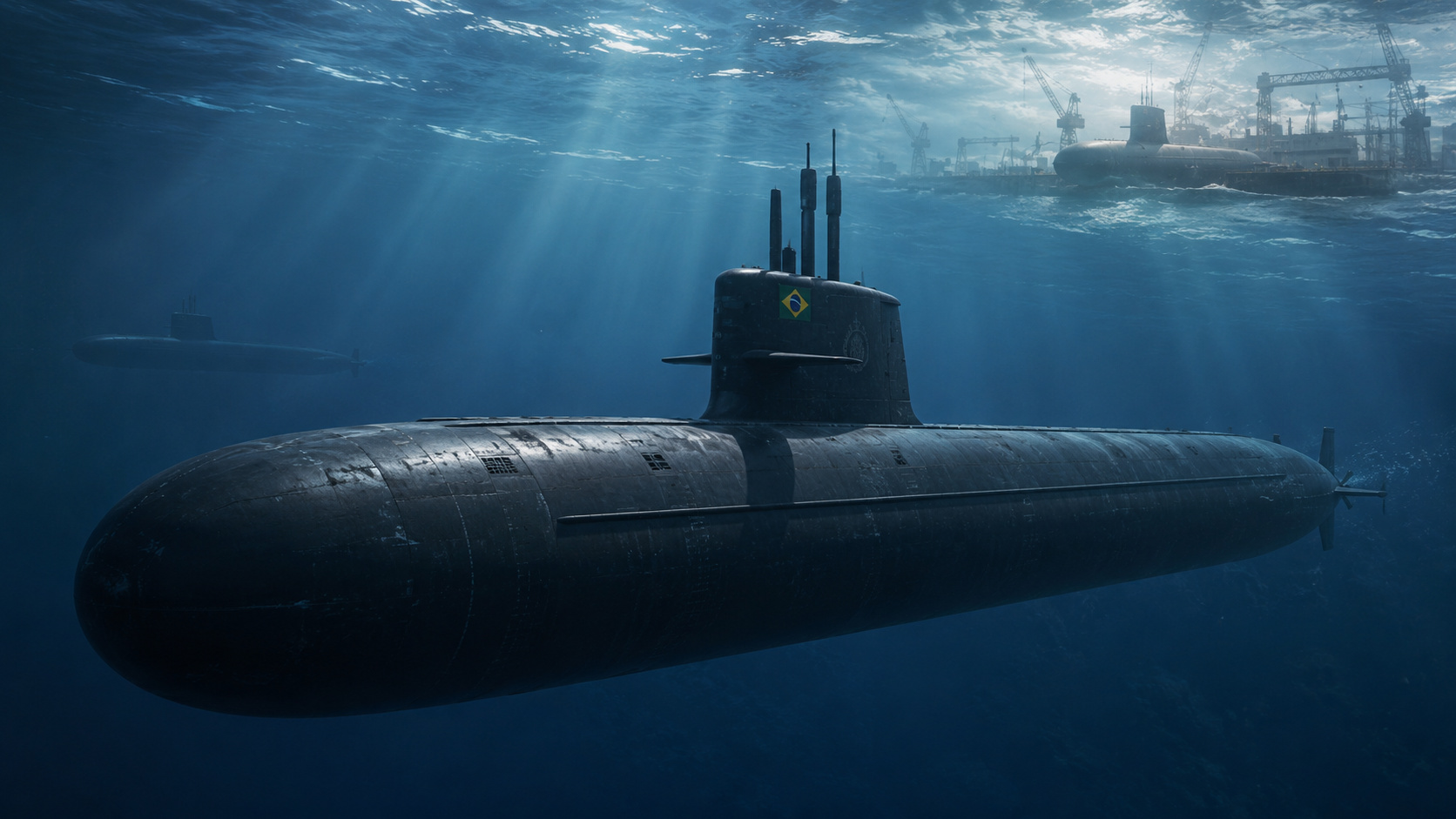

PROSUB advances with the Riachuelo, defense of the Blue Amazon, and the Álvaro Alberto, the axis of the most strategic naval program of the Brazilian Navy.
According to the Brazilian Navy, the Submarine Development Program, PROSUB, was conceived in 2008 and opened a new phase for the country’s naval force. The first major milestone of this stage was the incorporation of the submarine Riachuelo into the fleet, in September 2022, consolidating the operation of the new generation of Brazilian submarine means.
More than a fleet modernization, the program brings together industrial construction, technological mastery, and maritime defense strategy. It is in this context that Brazil links the Riachuelo class to the protection of the Blue Amazon and prepares the transition to the Álvaro Alberto, the conventionally armed submarine with nuclear propulsion that represents the most complex stage of the project.
PROSUB and Riachuelo class submarines reinforce the defense of the Blue Amazon and expand the naval strategy of the Brazilian Navy
PROSUB gained strategic weight because it connects defense, industry, and maritime sovereignty in a single agenda.
-
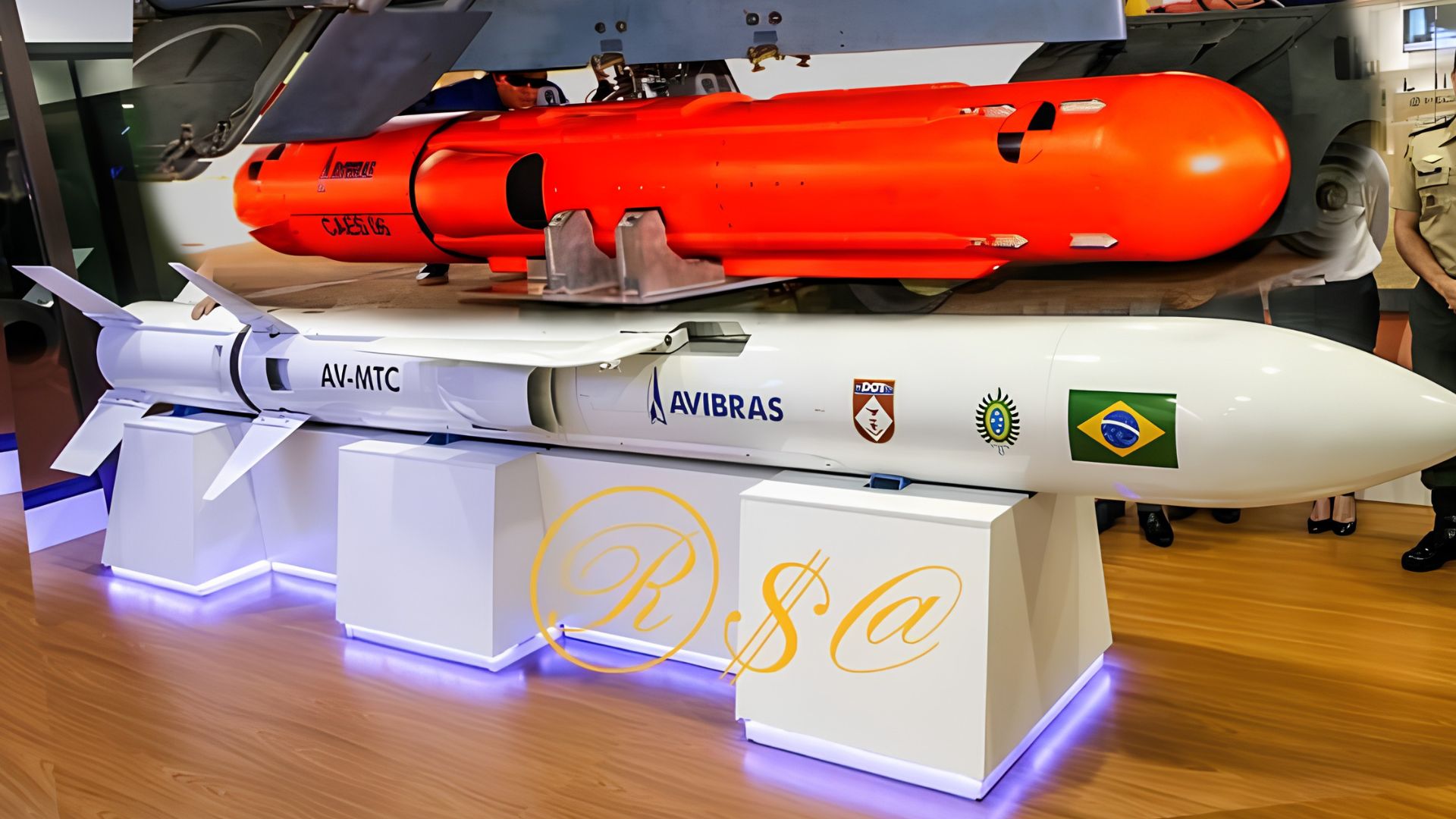
Brazil’s AV-TM 300 Tactical Cruise Missile, Known as “Matador,” Offers a Cost-Effective Alternative to the American Tomahawk with a 200 kg Warhead and 300 km Range.

-
New Brazilian Frigate Equipped with Advanced Missiles and Radars to Safeguard Strategic Maritime Areas

-
New Brazilian Frigate Equipped with Advanced Missiles and Radars to Protect Strategic Maritime Areas, Including the Blue Amazon and Pre-Salt Reserves
-
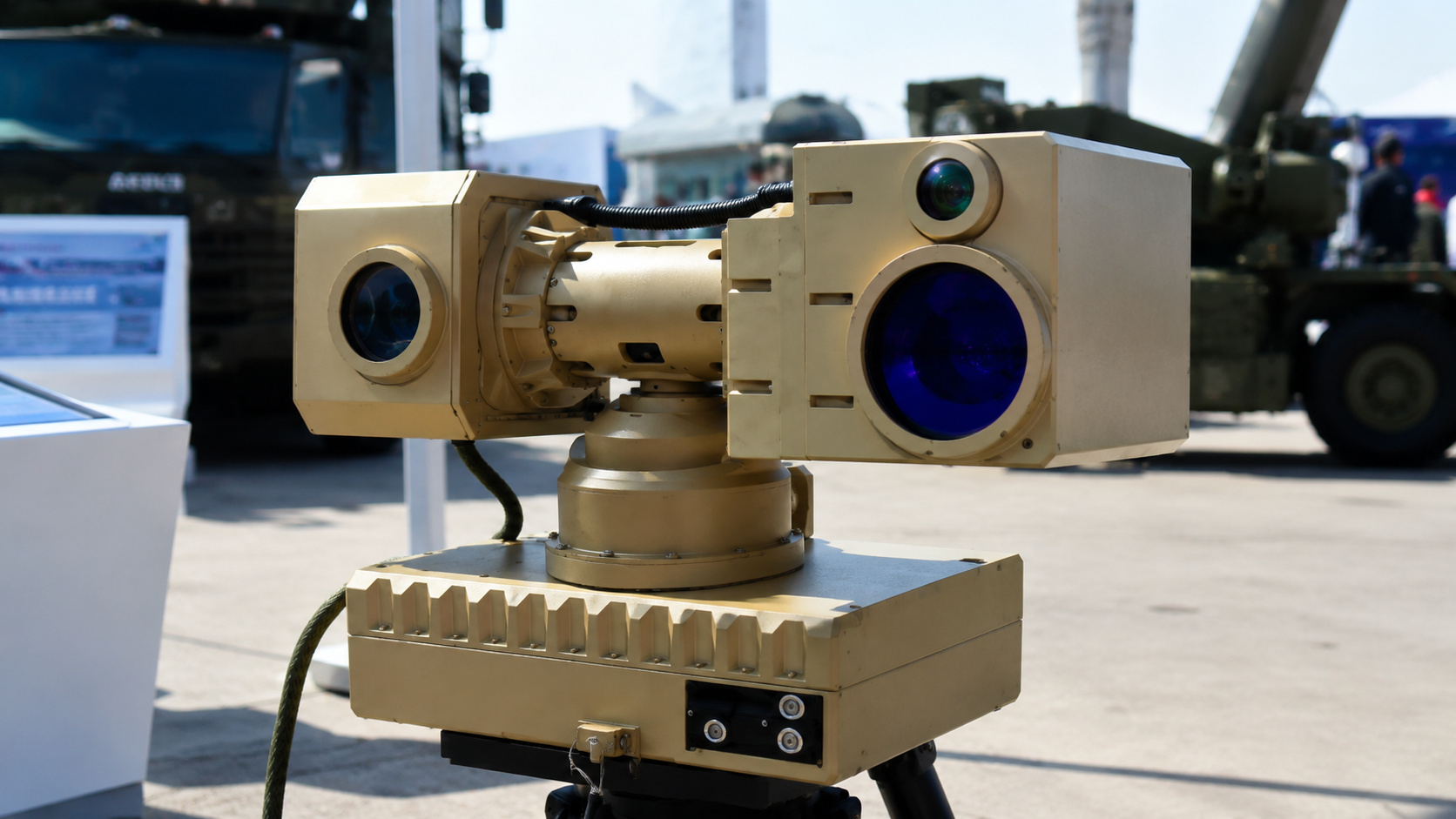
China Unveils Laser Weapon Capable of Instantly Neutralizing Military Drones, Marking a Significant Advancement in Air Defense Technology


Instead of limiting itself to purchasing equipment, the program was structured to sustain a national base of construction and technological development around submarines, something rare even among countries with large navies.


This logic becomes clearer when observing the dimension of the maritime area under Brazilian interest. The Blue Amazon comprises approximately 3.6 million km² of exclusive economic zone and about 900 thousand km² additionally claimed at the UN, totaling around 4.5 million km².
It is a maritime space comparable, in strategic value, to the territorial importance of the continental Amazon. This is precisely why the submarine appears as a central piece of Brazilian naval policy: it enhances surveillance, reinforces deterrence, and increases the country’s ability to protect sensitive areas in the Atlantic.
Submarine Riachuelo enhances Brazilian naval capacity with larger size, more autonomy, and official incorporation into the fleet
The Riachuelo was the first submarine delivered within this new cycle. According to the Navy, the vessel is 70.62 meters long, 6.2 meters in hull diameter, with a displacement of 1,740 tons on the surface and 1,900 tons submerged, figures that show the size of the project incorporated into the operational sector.
The autonomy also helps explain the leap in capacity. According to the Navy itself, the submarine is capable of maintaining an autonomy of 70 days, an essential feature for a country with an extensive coastline and growing responsibilities over strategic maritime areas.

In practice, the Riachuelo does not just symbolize the arrival of a new naval means. It represents the materialization of a program that took years to come off the drawing board and has repositioned Brazil in a sector of high industrial and technological complexity.
Blue Amazon explains why Brazil treats submarines as a cornerstone of maritime sovereignty and the protection of strategic resources
The discussion about submarines in Brazil only makes sense when linked to the Blue Amazon. According to the Navy, this maritime area corresponds to about 52% of the Brazilian continental area, which gives the dimension of the challenge of presence, monitoring, and protection in waters of national interest.
The importance is not just territorial. The Navy treats this maritime strip as a strategic asset because of its resources, its economic relevance, and the need for continuous protection of structures and routes linked to the country. This helps explain why programs like PROSUB have been elevated to the status of a state priority.
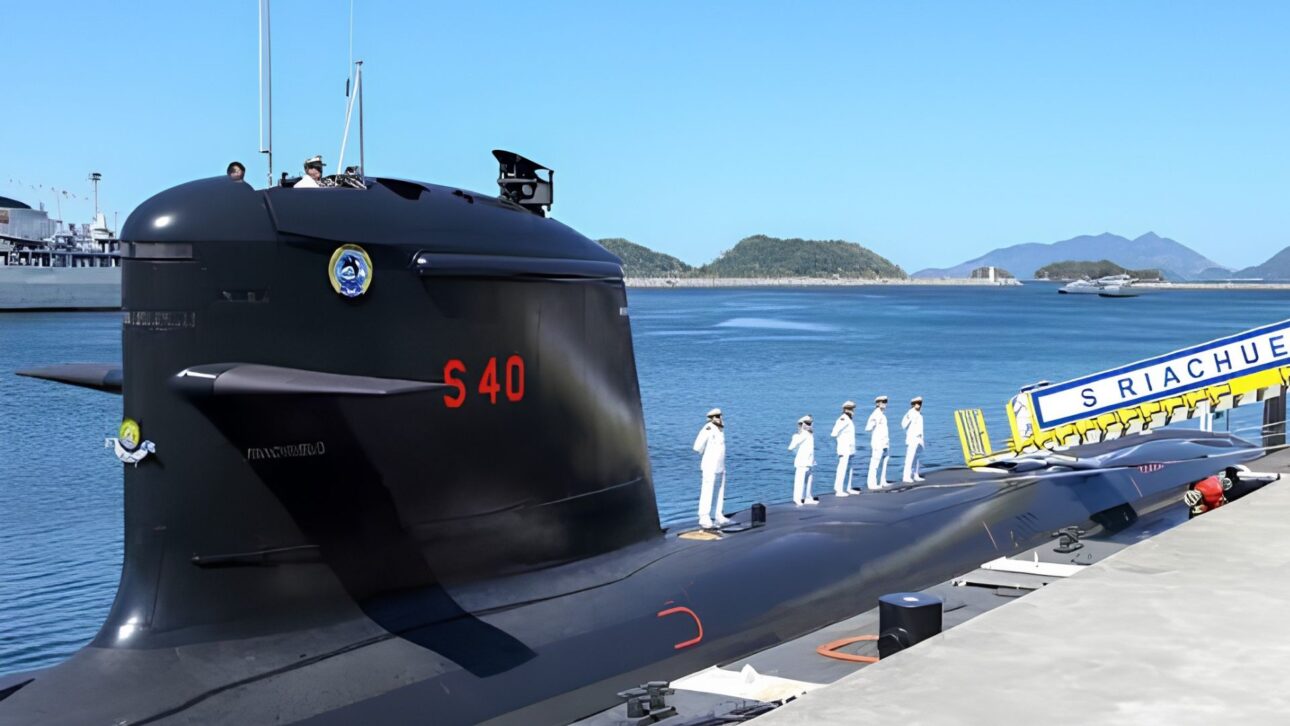
Within this logic, the Riachuelo class functions as an instrument of silent presence and deterrence capability. The goal is not just to expand the fleet, but to sustain a defense posture compatible with the size of the Brazilian maritime space and the sensitivity of its strategic assets.
Nuclear submarine Álvaro Alberto takes PROSUB to the most complex stage of Brazilian naval and technological engineering
The most ambitious stage of the program is the Álvaro Alberto. In June 2024, the Navy reported that it had carried out the first plate cut of the preliminary section of the submarine’s pressure hull, classifying the project as the central object of the entire PROSUB and pointing out the start of construction as planned, at the time, for 2025.
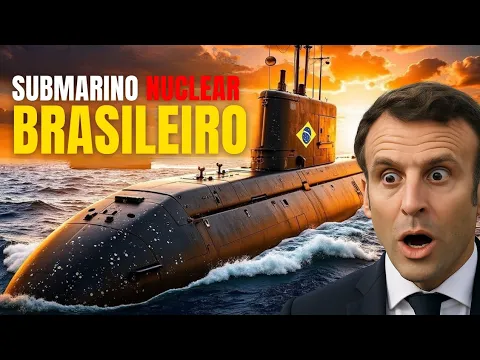
This move marked the transition of the program to its most delicate phase. The Navy describes the submarine as a highly complex undertaking, which simultaneously requires mastery of submarine design and the advancement of nuclear technology necessary for the reactor and the onboard nuclear plant.
Therefore, the Álvaro Alberto is seen as much more than a new military ship. It concentrates the stage where naval engineering, sensitive technology, certification, and industrial capability begin to operate together at a level that few national programs have attempted to reach.
LABGENE, Brazilian nuclear technology and naval industry show why PROSUB goes far beyond military defense
One of the pillars of this phase is LABGENE, installed in Iperó, São Paulo. According to the Navy, the laboratory consists of a model of the nuclear plant that will be used in the propulsion of the Álvaro Alberto submarine and will play a decisive role in testing and certifying the system before final installation on board.
The Navy itself defines the project as unique and unprecedented in the country, highlighting the intensive use of research, innovation, and development conducted by Brazilians.
In the end, the history of the program makes it clear that Brazil is trying to consolidate, at sea, something that goes beyond the incorporation of submarines. The goal is to transform industrial infrastructure, technical training, and technological mastery into a long-term policy to protect the Blue Amazon and reduce dependencies in one of the most sophisticated areas of contemporary engineering.


