






 Portuguese
  Spanish
  6 min of reading
  0 comments


Renault compact gains strength in the Brazilian market with zeroed IPI, consumption above 15 km/l, and reduced financing, expanding the dispute among popular cars amid consumers’ search for economical, cheap-to-maintain, and more accessible models for entry into the zero-kilometer segment.
The Renault Kwid is back at the center of the dispute among popular cars in Brazil after Renault expanded commercial campaigns for the 2026 line, highlighting zeroed IPI and financing conditions that announce installments starting from R$ 755 monthly.
The strategy targets consumers looking for a new vehicle with a lower entry cost in a scenario marked by the accumulated increase in car prices in recent years.
Renault Kwid gains space among popular cars
With a 1.0 flex engine of up to 71 hp and highway consumption exceeding 15 km/l with gasoline, the compact hatch tries to consolidate its space against traditional entry-segment competitors, such as Fiat Mobi and Citroën C3.
-
New Honda HooRide 125 scooter debuts in China with ADV styling, 17-inch wheels, TFT panel, Smart Key, and fuel consumption of up to 47.17 km/l, aiming to resemble an urban X-ADV with a 125 engine, CVT transmission, and an economical proposal for cities.

-
Volkswagen focuses on ethanol and tests a Saveiro 100% alcohol-powered with a recalibrated engine; the project may ensure tax reduction, targets corporate fleets, and revives technology that lost ground since the arrival of flex-fuel vehicles in 2003.

-
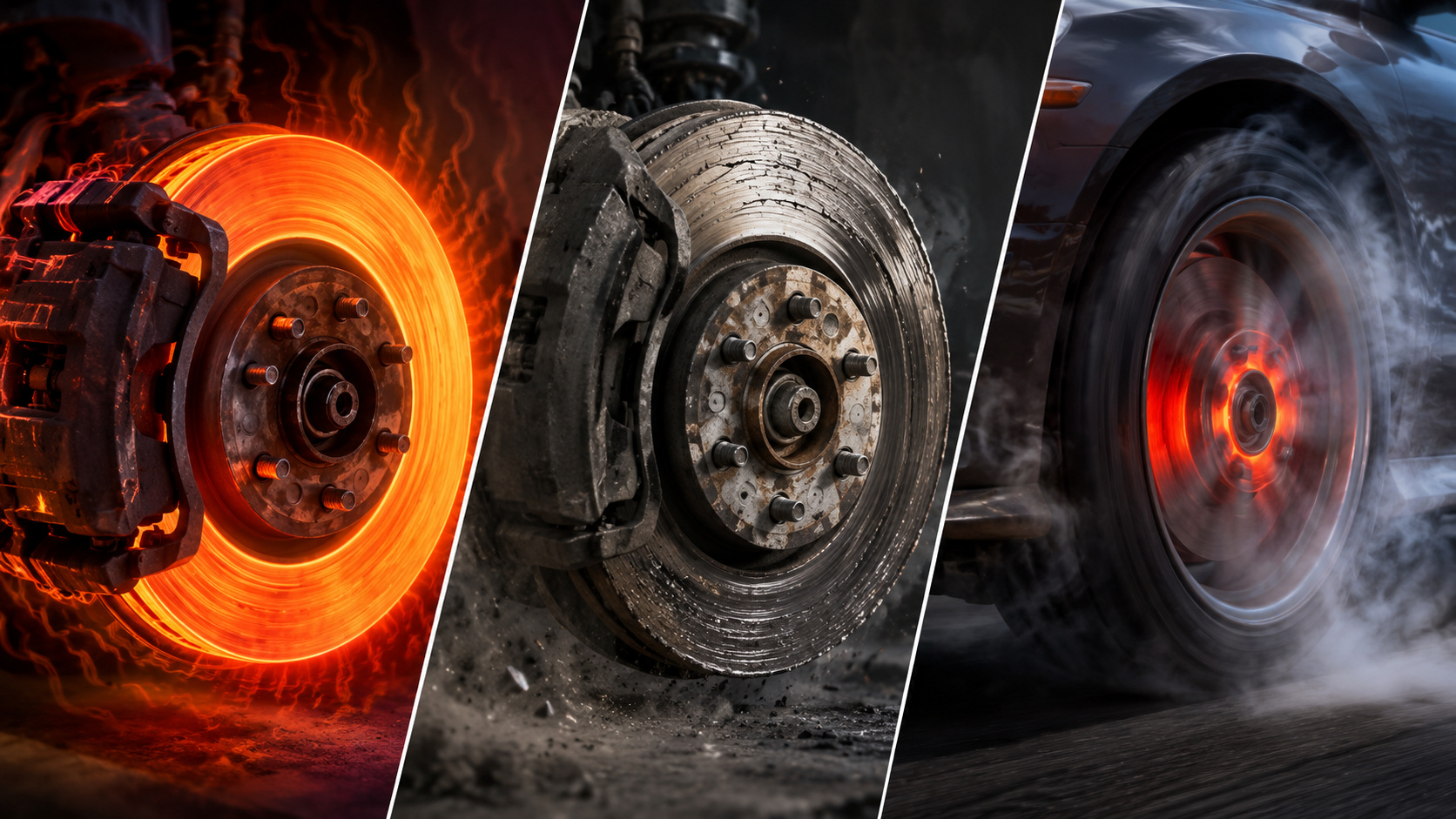
Keeping your foot lightly on the brake pedal while driving may seem harmless, but mechanics warn: this habit generates constant heat, wears out the pads too quickly, and can warp the discs, making braking expensive and dangerous.

-
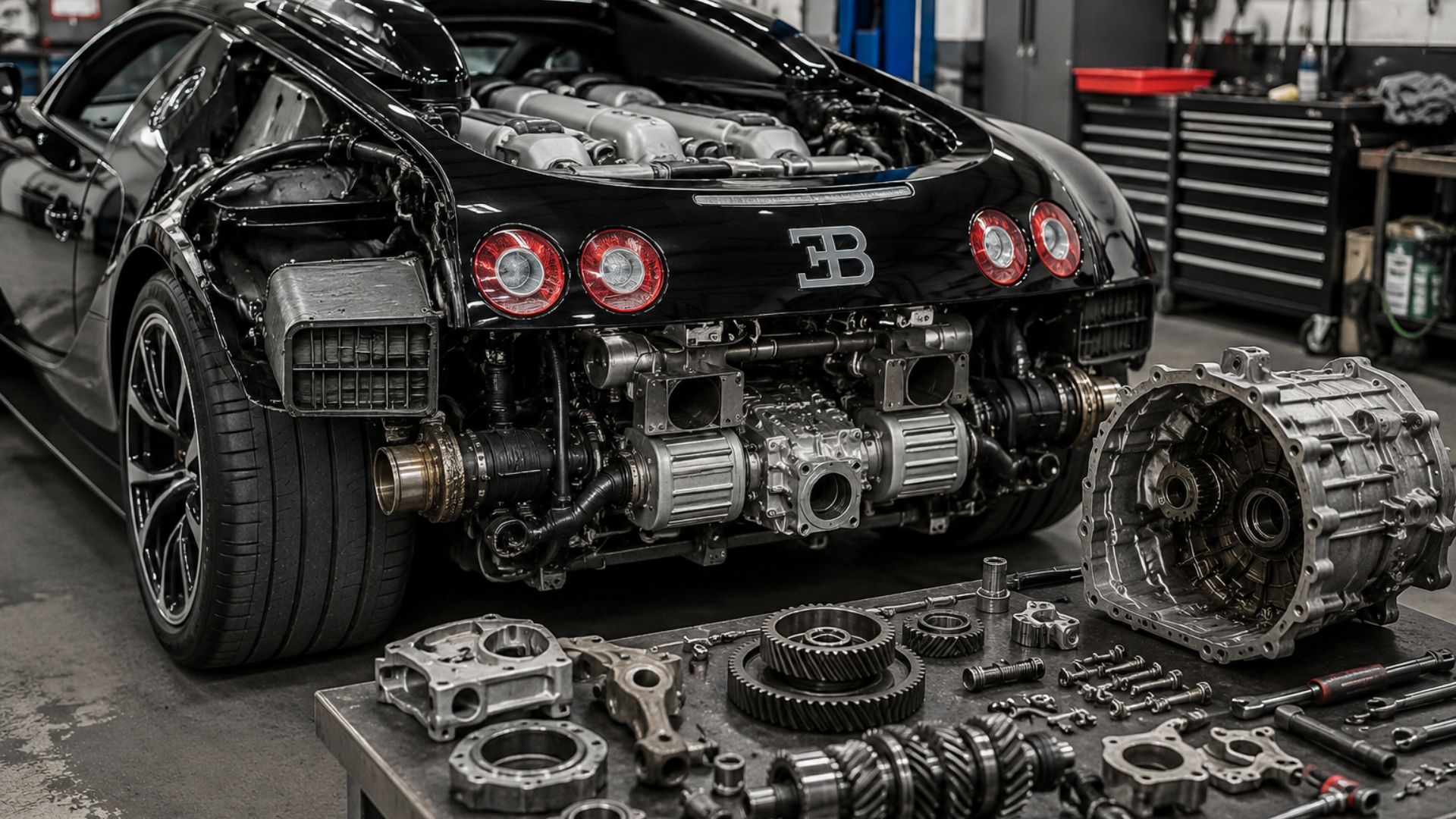
The YouTuber Mark McCann bought a Bugatti Veyron for almost $1.2 million, but discovered that the supercar’s gearbox is so damaged that even Bugatti itself won’t accept to repair it, and the repair could cost a fortune.


In addition to the reduced price, Renault bets on low daily running costs, compact size for urban circulation, and safety equipment that has become increasingly important for Brazilian consumers.
The conditions announced by the manufacturer vary according to down payment, credit approval, buyer profile, and participating dealership.
Even so, the promotional value has once again placed the Kwid among the most discussed vehicles in the entry-level segment of the national market.
Zeroed IPI boosts Renault’s strategy
The reduction of the Industrialized Products Tax has become Renault’s main selling point for the Kwid in 2026. The tax benefit reduces the final price of the vehicle and allows for more aggressive financing campaigns, especially for versions aimed at buyers looking for their first zero-kilometer car.
This move comes at a time of gradual recovery for the compact segment in Brazil. In recent years, successive adjustments have caused popular models to lose space in family budgets. As a result, manufacturers have intensified promotions, bonuses, and special conditions to try to maintain competitiveness.
In the case of the Kwid, the French brand tries to reinforce the image of an accessible vehicle without abandoning attributes related to fuel economy and practicality in urban traffic. The 2026 line also received discreet visual updates and punctual changes in finish.
Key figures for the Renault Kwid 2026
| Key figures for the Renault Kwid 2026 |
|---|
| Engine: 1.0 flex 3-cylinder |
| Maximum power: up to 71 hp |
| Transmission: 5-speed manual |
| Highway consumption: up to 15.5 km/l with gasoline |
| Trunk: 290 liters |
| Advertised installments: starting from R$ 755 |
Renault Kwid’s consumption remains among the highlights
Reduced consumption continues to be one of the Renault Kwid’s strongest points. Data released by the automaker itself and by Inmetro place the hatch among the most economical vehicles currently sold in the country.
In the city, the compact averages close to 14.6 km/l with gasoline, while on highway stretches it can reach 15.5 km/l. The numbers vary according to the fuel used, traffic conditions, tire calibration, and driving style.
The mechanical proposal remains focused on simplicity. The 1.0 SCe flex three-cylinder engine delivers sufficient performance for urban commutes and short trips, prioritizing lower consumption and relatively accessible maintenance.
Another point frequently highlighted by consumers is the vehicle’s reduced weight, a characteristic that directly aids energy efficiency. The Kwid also maintains light steering and compact dimensions, factors considered important for circulation in cities with intense traffic.
Equipment and interior space enter the dispute
Even being a subcompact, the Renault Kwid tries to compensate for its reduced size with internal space utilization solutions. The 290-liter trunk is among the largest in its category, surpassing some direct competitors.
The current line also includes mandatory safety items and equipment that have become more valued by consumers in recent years. Depending on the version, the model can feature a multimedia center, rearview camera, electronic stability controls, and hill start assist.
Equipment present in the Kwid
| Equipment present in the Kwid |
|---|
| Four airbags as standard |
| Electronic stability control |
| Hill start assist |
| Multimedia system with Android Auto and Apple CarPlay |
| Rearview camera in higher versions |
| LED daytime running lights |
Although the finish remains simple compared to higher-category models, Renault tries to reinforce the cost-benefit by including items previously rare in entry-level cars.
Fiat Mobi remains the main competitor
The Fiat Mobi remains one of the Kwid’s biggest competitors in the Brazilian entry-level segment. Fiat’s model consolidated its presence precisely by combining simple mechanics, relatively cheap maintenance, and urban dimensions.
In recent months, both manufacturers have intensified promotional campaigns to attract consumers who can still finance a zero-kilometer vehicle even in a high-interest rate scenario.
The Mobi also bets on reduced consumption and urban practicality, but the Kwid tries to gain an advantage with a larger trunk, updated look, and more aggressive commercial conditions after the announcement of the zeroed IPI.
Quick comparison: Kwid x Mobi
| Quick comparison: Kwid x Mobi |
|---|
| Kwid: 290-liter trunk |
| Mobi: compact dimensions for urban use |
| Kwid: up to 15.5 km/l on the highway with gasoline |
| Mobi: simple maintenance and extensive Fiat network |
| Kwid: four airbags as standard |
| Mobi: strong presence in the popular market |
Still, the dispute remains balanced because consumers in this segment usually compare final price, monthly installment, insurance value, maintenance, and consumption before closing a deal.
Citroën C3 bets on space and modern design
The Citroën C3 appears in a slightly different position within the compact car dispute. Although also considered an entry-level car, the French hatchback bets on greater interior space and a more modern look to attract buyers.
Citroën’s model typically operates in a higher price range than the Kwid and Mobi, but tries to justify the difference with a wider cabin and the feel of a larger car.
Even so, the advancement of Kwid promotions can pressure the entire segment. When a manufacturer reduces prices or increases tax incentives, competitors usually respond with bonuses, discounts, or financing campaigns.
How each model tries to win buyers
| How each model tries to win buyers |
|---|
| Renault Kwid: lower price and economy |
| Fiat Mobi: tradition in the popular segment |
| Citroën C3: interior space and modern design |
Financing requires analysis of the final cost
Automotive industry experts recommend caution when analyzing offers that highlight reduced installments. In many cases, the lower monthly value depends on a high down payment or long payment terms.
Furthermore, the total effective cost can vary significantly depending on the bank, interest rate, and the buyer’s credit profile. This means that the amount paid at the end of the contract can be significantly higher than the vehicle’s cash price.
The recommendation is to evaluate all involved costs, including insurance, IPVA (vehicle property tax), revisions, fuel, and preventive maintenance. Even a car considered economical can strain the budget when financing is not properly planned.
Entry-level segment returns to automakers’ focus
The growth in car prices in recent years has made the entry-level segment regain strategic importance for manufacturers established in Brazil. With fewer consumers able to buy mid-range models or SUVs, automakers began to reinforce campaigns aimed at compact cars.
In this scenario, the Renault Kwid gained prominence precisely by operating in a range considered decisive for consumers who are still trying to acquire a new car without fully compromising the family budget.
Renault also seeks to expand its presence among app drivers, first-time vehicle buyers, and families who prioritize fuel economy. The compact hatchback has become one of the French brand’s main commercial bets in the Brazilian market.
At the same time, Fiat and Citroën continue monitoring the movements of the competition to maintain market share in a segment that remains extremely sensitive to the final price.






Be the first to react!