Portuguese
  Spanish


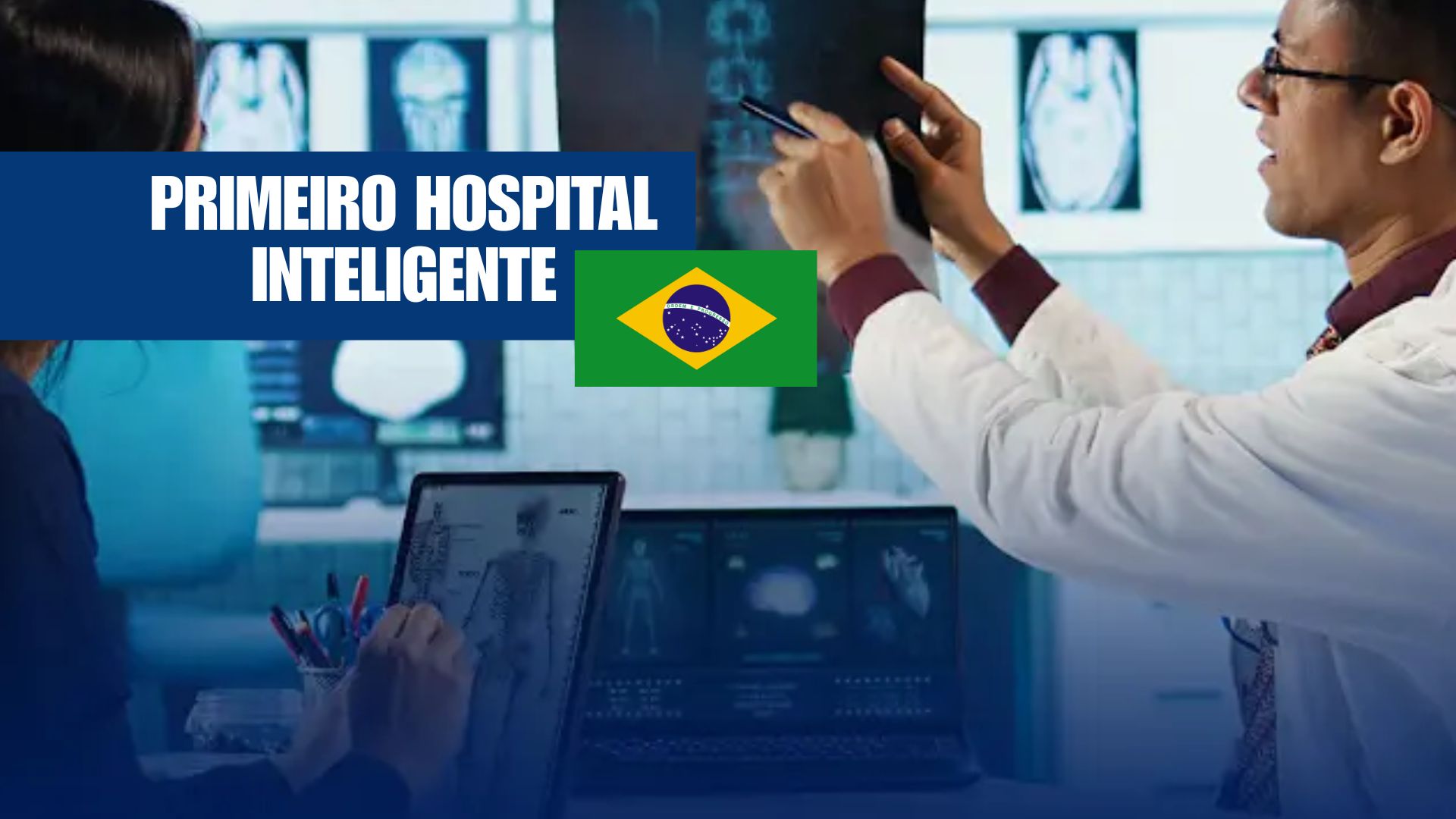


First Intelligent Public Hospital in Brazil Promises to Integrate Artificial Intelligence, 5G, and Telehealth, Drastically Reducing Emergency Response Time and Creating a National Network of ICUs Connected to SUS.
Brazil has begun the implementation of the Intelligent Medicine Technology Institute (ITMI-Brasil), a high-complexity emergency unit that will operate within the Hospital das Clínicas of the Medical School of USP in São Paulo.
The project combines artificial intelligence, 5G-connected ambulances, and telehealth to shorten response times in severe cases from 17 to about 2 hours, with activities expected to start in late 2027.
The proposal includes funding of US$ 320 million from the New Development Bank (NDB, the Brics bank), a value that will be requested from the institution.
-
Pizza Day highlights a curious contrast in Brazil: while 13 new pizzerias open every day, the price of mozzarella skyrockets, and the country’s most beloved dish weighs increasingly on family budgets.

-
It’s official: Petrobras takes 75% of block 3 in São Tomé and Príncipe and debuts as an offshore operator outside South America.

-
US$ 1.5 billion dam project on the Rio Indio promises water for the Panama Canal for 50 years, but it could flood rural areas and displace 2,000 residents from 38 farming communities.

-
At 14 years old, she worked in a factory in Hong Kong, studied economics abroad, and then entered the Chinese real estate market, which helped change the landscape of Beijing.




First Intelligent Public Unit in the Country
Located at HCFMUSP, ITMI-Brasil will be a 100% SUS service for emergency care for adults and children in the fields of neurology, neurosurgery, cardiology, and intensive therapy.
The plan includes 800 beds dedicated to emergency care, with operations centered on data and digital clinical protocols to expedite triage, diagnosis, and outcomes.
The team will use algorithms to support decision-making, continuous monitoring, and intelligent bed regulation.
Brics Financing and Project Stages
The federal government formalized the proposal to NDB/Brics this September.
The estimated amount is US$ 320 million, and the funding documentation will still undergo bank review.
While the process is ongoing, the Ministry of Health, USP, and the Government of São Paulo are structuring the executive schedule, maintaining the expected opening by the end of 2027.

What Changes in Emergency Care
With the centralization of clinical data and integration with regulation, the official goal is to reduce the treatment cycle for time-dependent conditions like stroke, heart attack, and polytrauma to up to 2 hours.
The care architecture includes 5G ambulances with real-time transmission of vital signs and images, in addition to telehealth for remote pre-assessment and guidance to field teams.
The aim is to expedite every stage—from entry to intervention—and, thereby, reduce waiting times and improve prognoses.
Network of Intelligent ICUs in Ten Capitals
In addition to the unit in São Paulo, the investment includes a national network of intelligent ICUs in ten capitals:
- Belém
- Brasília
- Belo Horizonte
- Fortaleza
- Porto Alegre
- Rio de Janeiro
- Recife
- São Paulo
- Salvador
- Teresina
These centers will be connected to HCFMUSP, with real-time monitoring and the use of AI to assist with regulation and decision-making, adhering to standardized SUS protocols.
The expansion will be gradual following the initial implementation.
Research, Training, and Cybersecurity
ITMI-Brasil will also function as a hub for research and innovation, with training programs in digital health, clinical engineering, telehealth, artificial intelligence, and cybersecurity.
The architectural plan includes a building of 150,000 m², with international standards for sustainability and security, advanced logistics solutions, and humanized environments for patients and teams.
The proposal includes designs for more efficient care flows, infection mitigation, and preparation for critical events.
Technology in Service of SUS
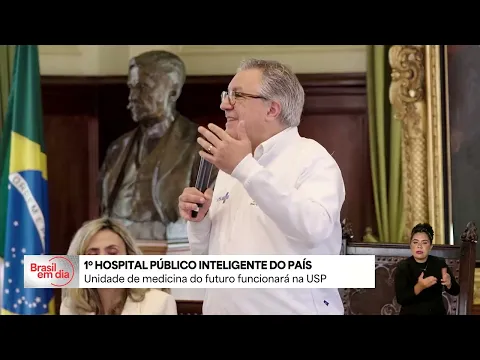
When announcing the initiative, Health Minister Alexandre Padilha stated that the unit “will allow integration with the care network at all levels—from primary care to urgent and emergency services—ensuring faster, more effective, and humanized care.”
The statement reinforces the guideline to use technology to expand access and quality at no cost to SUS users.
Role of the Hospital das Clínicas of USP
For HCFMUSP, the arrival of the institute consolidates the complex as a hub for assistance and innovation.
According to Professor Paulo Pêgo, vice president of the hospital’s Board of Directors, “these are the first steps toward a future where health care will be more agile, precise, and human, thanks to the power of science and public responsibility.”
The link with the university enables clinical studies, testing of new technologies, and training of professionals.
Integration into the Economic-Industrial Health Complex
The Ministry of Health has created a working group to coordinate the implementation, in collaboration with other ministries and partners.
ITMI-Brasil integrates the strategy of the New Brazil Industry (NIB) to strengthen the Economic-Industrial Health Complex and the digital transformation by 2033, with a total of R$ 4.4 billion already mobilized in innovation, research, and productive autonomy.
The expectation is that the institute will accelerate the diffusion of digital solutions throughout the system, enhancing the efficiency of state and municipal networks.
International Convergence and Cooperation
The initiative is based on international cooperation with development banks and academic institutions, aligned with the global movement for health digitalization.
The arrangement aims for resource mobilization, knowledge transfer, and data governance in accordance with privacy and cybersecurity requirements, elements considered critical for the operation of connected ICUs and automated emergency services.
With the implementation of ITMI-Brasil and the network of intelligent ICUs, SUS creates an infrastructure for rapid response, interoperability, and evidence-based management; in your assessment, which other public services should receive this type of technology first to generate immediate impact in care?