






 Portuguese
  Spanish
  4 min of reading
  0 comments


Paul Powlesland and the River Roding Trust removed 200 bags of trash from a 250-meter stretch of the Alders Brook stream in London. After years of ignored appeals, the cleaning of the polluted river revived the wildlife but led the Environmental Agency to investigate the group for unlicensed works.
A British lawyer asked for years for the government to clean a polluted river in East London, received no response, organized volunteers to remove 200 bags of trash in 10 days, and now faces up to two years in prison. The case highlights the clash between civic action and environmental regulations.
According to The Guardian, Paul Powlesland, a 40-year-old environmental activist, spent 10 days at the end of February organizing a community action at the Alders Brook stream, a tributary of the River Roding, in Barking, East London. Together with the River Roding Trust organization, the volunteers removed about 200 bags of trash, sludge, weeds, and branches from a 250-meter stretch. Powlesland claims to have spent years asking the Environmental Agency to act against pollution, without response, and a week after the cleanup, the agency began investigating the group for unauthorized works, with a maximum penalty of up to two years in prison.
Years of appeals before cleaning the polluted river
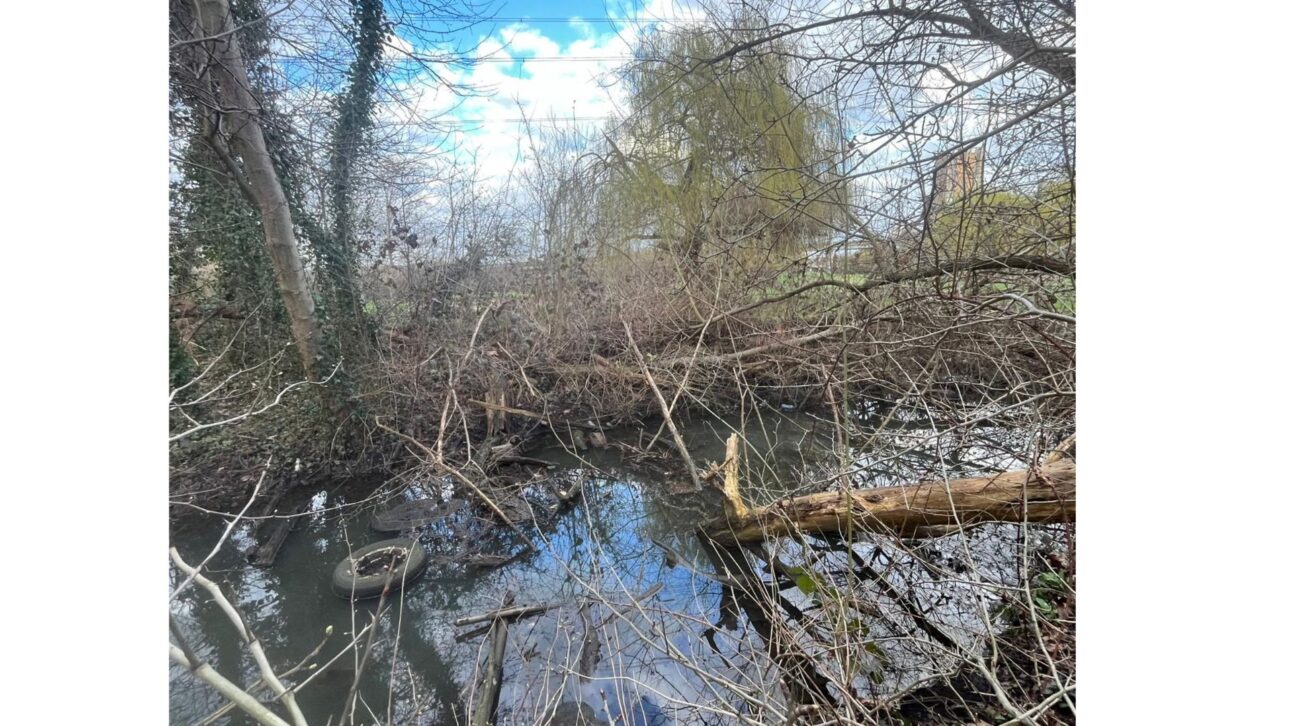
The British Paul Powlesland, 40, claimed to have spent years asking the Environmental Agency to take action regarding pollution and illegal waste disposal in the Roding, but received no response. Faced with inaction, his group decided to take matters into their own hands to restore the polluted river.
-
Unable to Afford a Traditional Home, Brazilian Woman Builds a Compact Mobile House Using Recycled Materials

-
Women in a Brazilian Community Empowered to Renovate Homes Independently Through Design and Planning Skills
-
Man Builds Solar-Powered Tiny Home to Escape Rent, Faces Demolition Order in Expensive Australian Region
-
Facing a Shortfall of 83,900 Homes, Curitiba Considers Social Housing with Public Units, Reduced or Free Rent, Prioritizing Seniors, Victims of Violence, and the Homeless





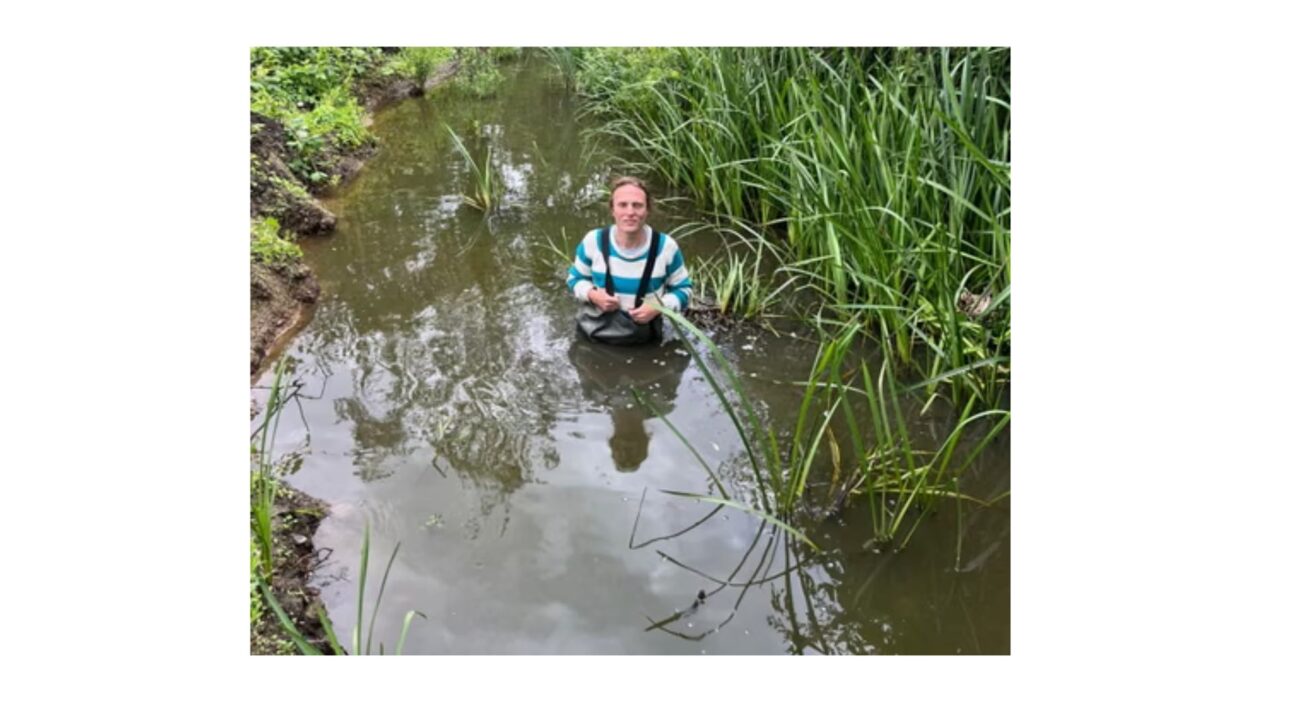
At the end of February, the lawyer spent 10 days organizing a community action at Alders Brook stream, a tributary of the River Roding, in Barking. Together with the River Roding Trust organization, the volunteers set out to clean a stretch that was reportedly obstructed and stagnant.
200 bags of trash and the wildlife returns
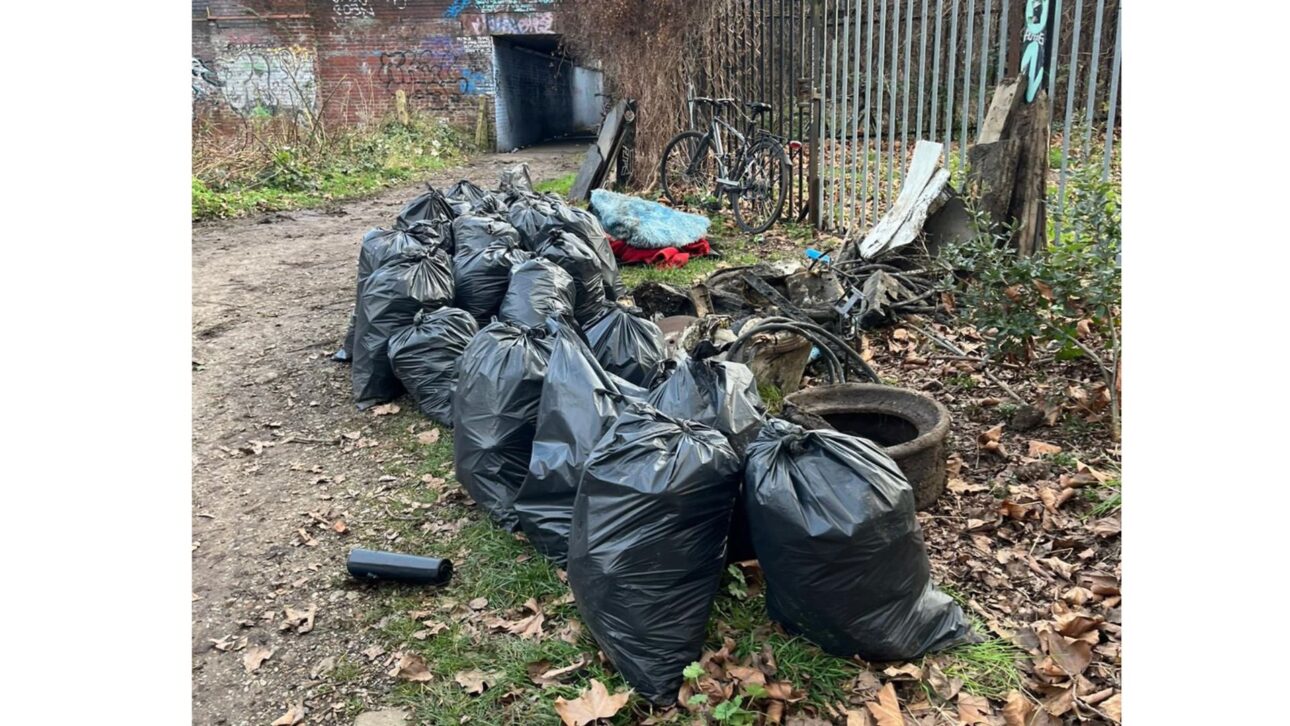
From a 250-meter stretch of the polluted river, volunteers removed about 200 bags of trash, sludge, weeds, and branches. The action transformed a section of the stream that was previously stagnant and lifeless.
According to The Guardian, the cleanup worked: within days, local residents reported the return of fish, dragonflies, herons, and reeds to the revitalized area. The quick response from nature became one of the most striking points of the case and reinforced the argument of those who support the initiative.
The Environmental Agency’s investigation
The problems began a week after the cleanup, when investigators from the Environmental Agency visited the site and sent a letter to Powlesland informing that the group was being investigated for unauthorized works on the polluted river, in violation of the Environmental Permitting Regulations 2016, of England and Wales. The agency maintains that there were infractions to investigate.
“The site is currently under investigation for infractions related to permits and waste,” said the letter, seen by The Guardian.
The agency argues that dredging may pose a flood risk and alleges environmental crimes related to waste. The maximum penalty for this type of crime is up to two years in prison, which has placed the recovery of the polluted river at the center of a legal dispute.
Powlesland’s outrage and the online reaction
In response, Powlesland told The Guardian that, after decades of ignoring serious environmental violations in the River Roding, the Environmental Agency finally decided to act, targeting the volunteers and not the sewage discharges from Thames Water or the illegal dumping of waste. For him, the enforcement chose the wrong target in the recovery of the polluted river.
“All they do is go after easy targets,” said Powlesland.
According to the activist, the agency does not process what it should and targets easy marks, even with the restored section thriving and wildlife returning. The case generated negative reactions on the internet, with many questioning why a voluntary cleanup action is being investigated while major polluters face less immediate measures.
The case of Paul Powlesland exposes a tension between civic action and environmental regulation: after years of asking the Environmental Agency to act on the polluted river in London, the British lawyer organized volunteers, removed 200 bags of trash in 10 days, and saw wildlife return, but now faces up to two years in prison for having done the cleanup without authorization.
The agency cites the risk of flooding due to dredging and infractions related to licenses and waste, while Powlesland accuses it of targeting easy marks instead of major polluters. Between the two sides, the case raised an uncomfortable question about who should really be held accountable for the state of the rivers.
And you, what did you think of the case of the lawyer who cleaned a polluted river and might go to prison? Do you believe the rules should be applied this way? With respect to different views, share your opinion and exchange ideas with other readers about the environment and citizenship.





Be the first to react!