






 Portuguese
  Spanish


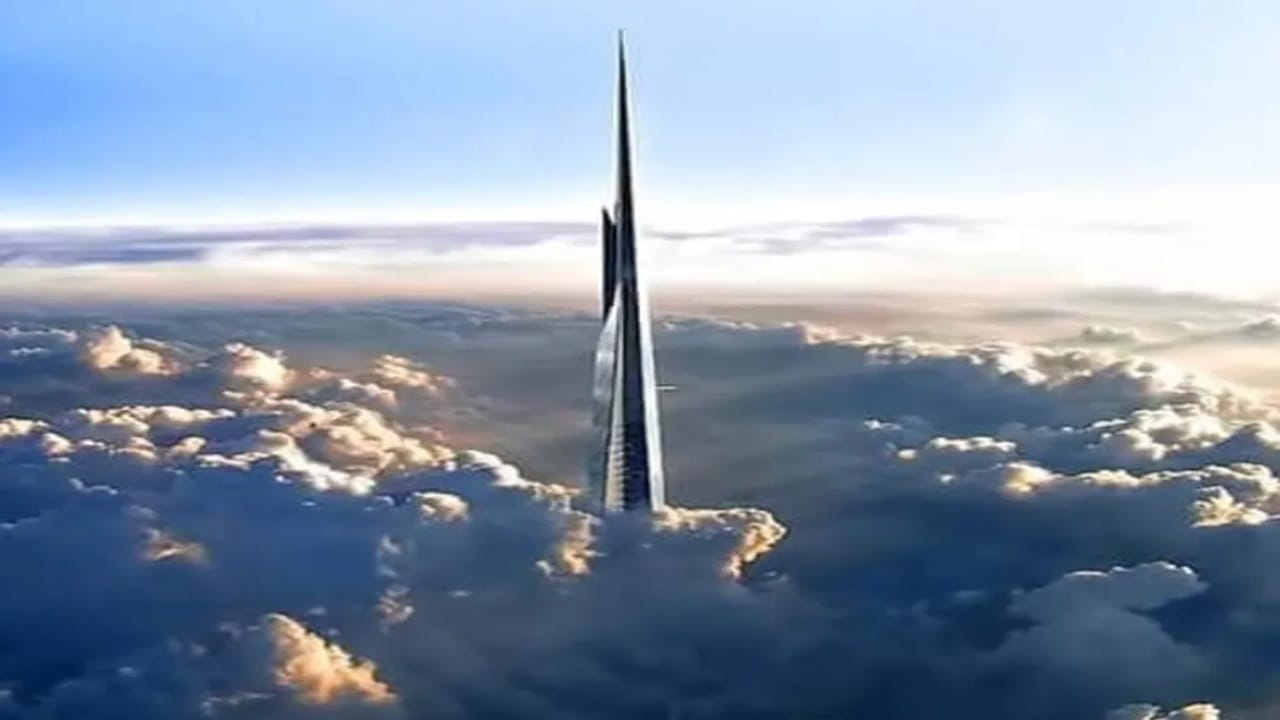

Historical Mark: Burj Khalifa Completes 14 Years as the Tallest Building, but the Reign is Threatened
According to Uol, the Burj Khalifa in Dubai has recently celebrated 14 years as the tallest building in the world, standing at an impressive 828 meters. However, a significant challenge is arising in Saudi Arabia, with the construction of the “Jeddah Tower”, which promises to surpass the Burj Khalifa’s height and redefine the limits of architecture and engineering.
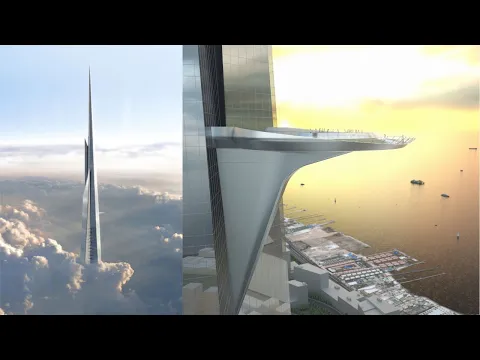

Jeddah Tower: A Blend of Luxury and Altitude in the New Architectural Wonder
The “Jeddah Tower”, part of the ambitious “Vision 2030” project of Saudi Arabia, is underway, led by the renowned architect Adrian Smith, who is also responsible for the design of the Burj Khalifa. With a projected height of 1 kilometer, the tower will be a fusion of luxury apartments, office spaces, and condominiums, as well as house the highest observatory in the world.
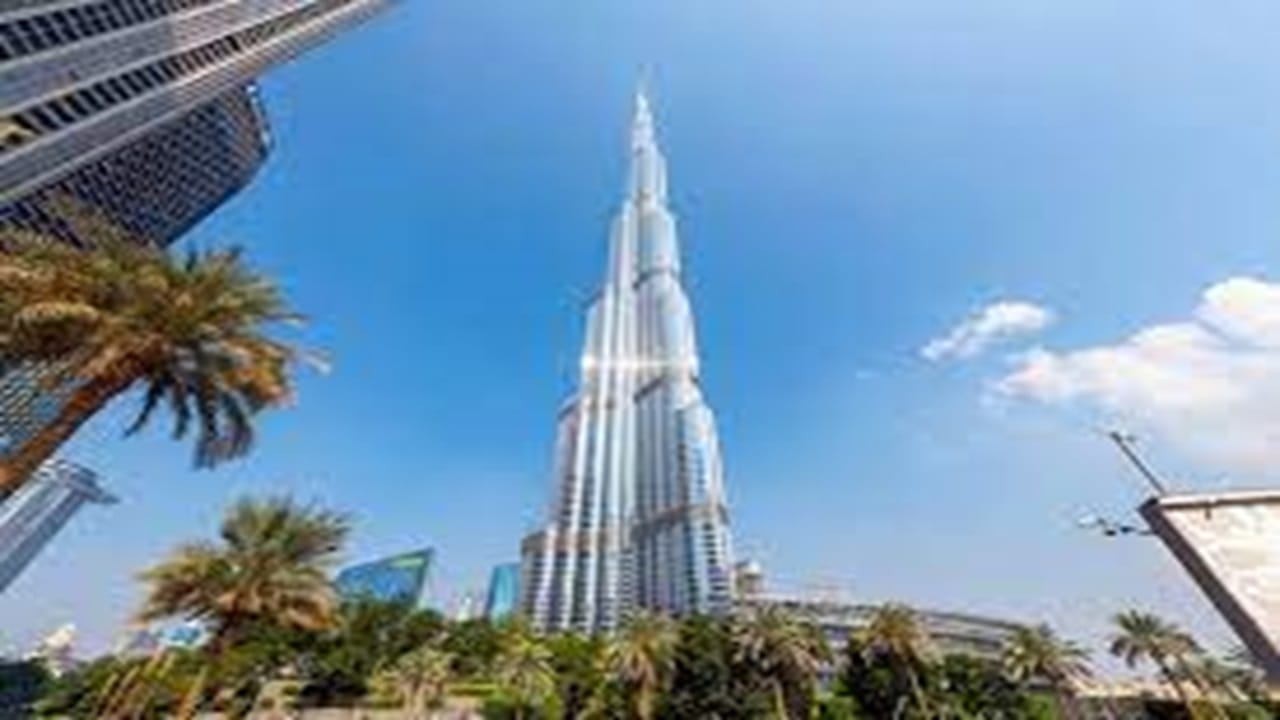
Saudi Vision 2030: Expansion Beyond Oil and the Rapid Rise of the Jeddah Tower
While the Burj Khalifa is a remarkable symbol of the United Arab Emirates, Saudi Arabia seeks to solidify its position in global architecture with the Jeddah Tower. An integral part of the “Vision 2030” plan, which aims to diversify the country’s economy, the tower reflects Saudi ambition to become an economic and cultural. Additionally, projects such as Expo 2030 and a planned 2,000-meter tower in Riyadh showcase the rapid evolution of the skyscraper landscape in the country.
-
Scientists Discover Simple Fluids Can Shatter Like Solids Under Extreme Force, Challenging Our Understanding of Matter

-
Xiaomi to Launch Robot Vacuum 6 Max Globally: Features 85°C Mop Cleaning, 35,000 Pa Suction, Extendable Arms, AI with 3 Cameras, and 6 cm Obstacle Clearance
-
Engineers Develop Jacket That Converts Air Humidity Into Drinkable Water, Producing Up to 900 ml Daily for Hikers, Campers, Rescuers, Rural Workers, and Military in Remote Areas

-
NASA Plans to Repurpose Mars Rover for Lunar Mission, Sending a 1-Ton Nuclear-Powered Vehicle to Explore the Moon’s South Pole Without Solar Dependence


