Portuguese
  Spanish



Historical Mark: Burj Khalifa Completes 14 Years as the Tallest Building, but the Reign is Threatened
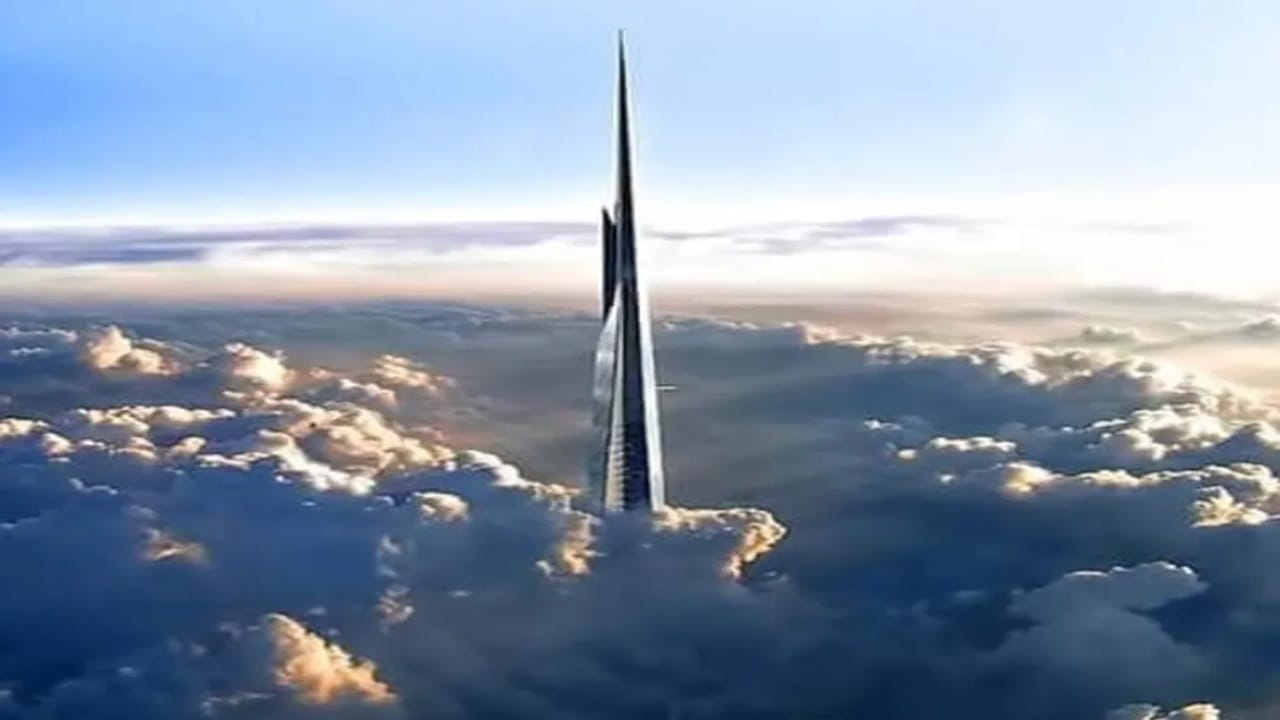
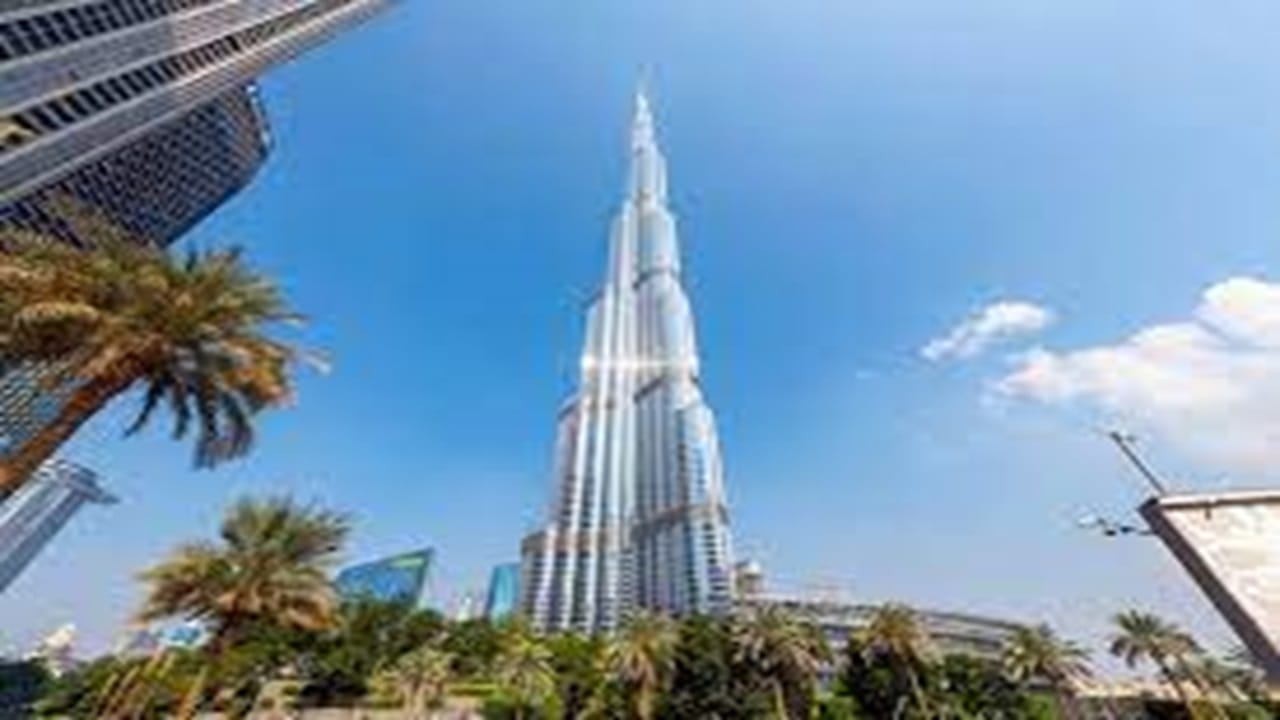
According to Uol, the Burj Khalifa in Dubai has recently celebrated 14 years as the tallest building in the world, standing at an impressive 828 meters. However, a significant challenge is arising in Saudi Arabia, with the construction of the “Jeddah Tower”, which promises to surpass the Burj Khalifa’s height and redefine the limits of architecture and engineering.
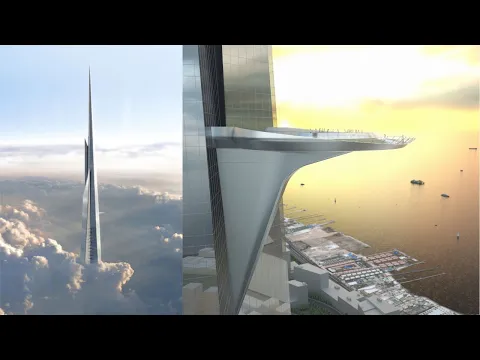

Jeddah Tower: A Blend of Luxury and Altitude in the New Architectural Wonder
The “Jeddah Tower”, part of the ambitious “Vision 2030” project of Saudi Arabia, is underway, led by the renowned architect Adrian Smith, who is also responsible for the design of the Burj Khalifa. With a projected height of 1 kilometer, the tower will be a fusion of luxury apartments, office spaces, and condominiums, as well as house the highest observatory in the world.
Saudi Vision 2030: Expansion Beyond Oil and the Rapid Rise of the Jeddah Tower
While the Burj Khalifa is a remarkable symbol of the United Arab Emirates, Saudi Arabia seeks to solidify its position in global architecture with the Jeddah Tower. An integral part of the “Vision 2030” plan, which aims to diversify the country’s economy, the tower reflects Saudi ambition to become an economic and cultural. Additionally, projects such as Expo 2030 and a planned 2,000-meter tower in Riyadh showcase the rapid evolution of the skyscraper landscape in the country.
-
Pennsylvania Mine Creates Ice in Summer Heat and Melts in Winter, Turning a Mountain Crevice into a Reverse Natural Refrigerator

-
China Accelerates Global Expansion of Robotics: From Smart Vacuums to Industrial and Humanoid Machines, Millions Exported to Over 150 Markets
-
Two-Bedroom Home Built in a 40-Foot Shipping Container Delivered and Ready for Same-Day Living in São Paulo Countryside

-
Polar Air Mass to Hit Brazil: Temperatures to Plummet in Nine States, Near Freezing in the South with Frost Risk Until Monday