





 Portuguese
  English
  Spanish
  5 min of reading
  0 comments


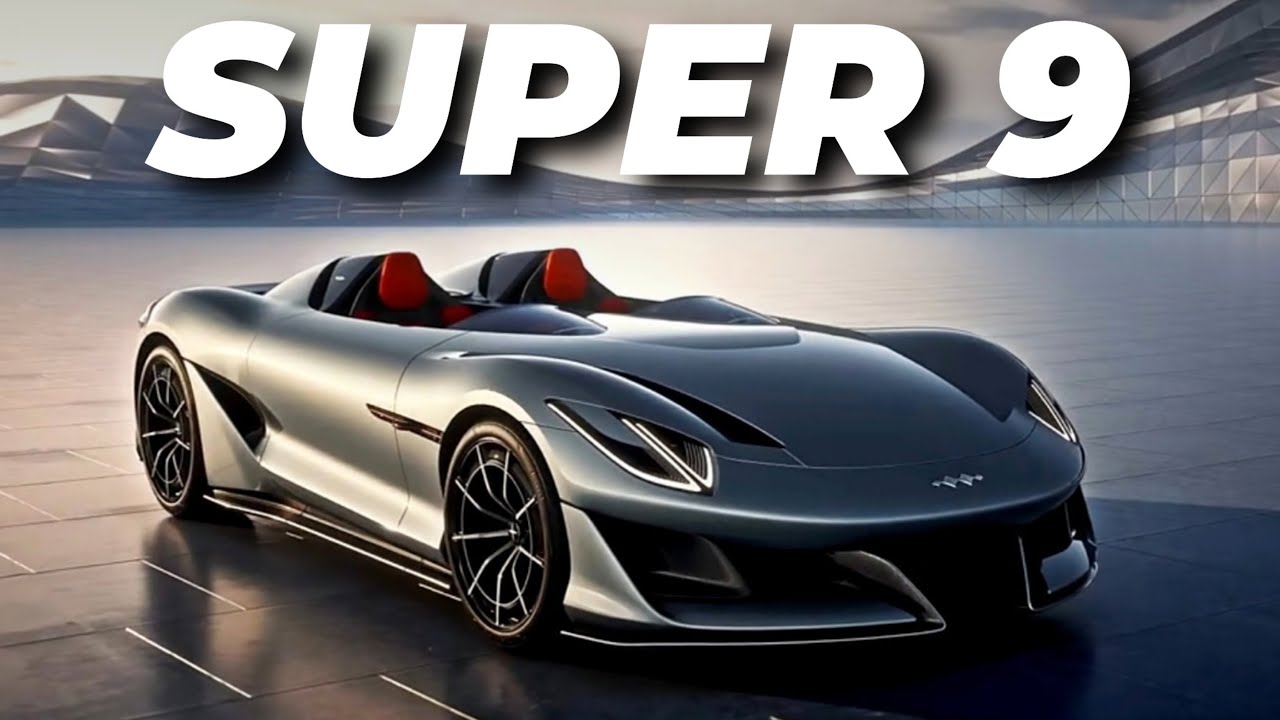
BYD Registers In Brazil The Futuristic Electric Supercar Fang Cheng Bao Super 9, With No Roof And No Windshield, Designed By Former Lamborghini. Discover The Radical Concept Of The Chinese Brand.
The BYD has once again surprised the Brazilian automotive market by registering the concept Fang Cheng Bao Super 9 with the National Institute of Industrial Property (INPI), a futuristic electric supercar that forgoes a roof and windshield, challenging traditional design and engineering standards. The model, created by the luxury division Fang Cheng Bao, was developed to celebrate the 30th anniversary of the Chinese automaker and features the signature of renowned designer Wolfgang Egger, former Lamborghini and Audi.
The arrival of the registration in Brazil, even without any forecast for commercialization, marks a new stage in BYD’s ambition to position its luxury brands and advanced concepts in the national market — not just with popular electric vehicles but also with technological supercars that challenge the status quo.
Fang Cheng Bao Super 9: The Electric Supercar With No Roof From BYD
The Super 9 is a radical prototype that grabs attention from the very first glance. Developed by Fang Cheng Bao, a division of BYD positioned between the ultra-luxurious Yangwang and the mid-range Denza, the car follows the line of the boldest speedsters in the world, such as the Aston Martin V12 Speedster and the McLaren Elva.
-
With a new 2.2 turbo diesel engine of 200 hp, 45.9 kgfm torque, eight-speed automatic transmission, and fully recalibrated suspension, the Fiat Titano Ranch 2026 reduces the 0 to 100 km/h time to 9.9 seconds, addresses the main criticisms of the model, and establishes itself among the most competitive mid-size pickups in Brazil.

-
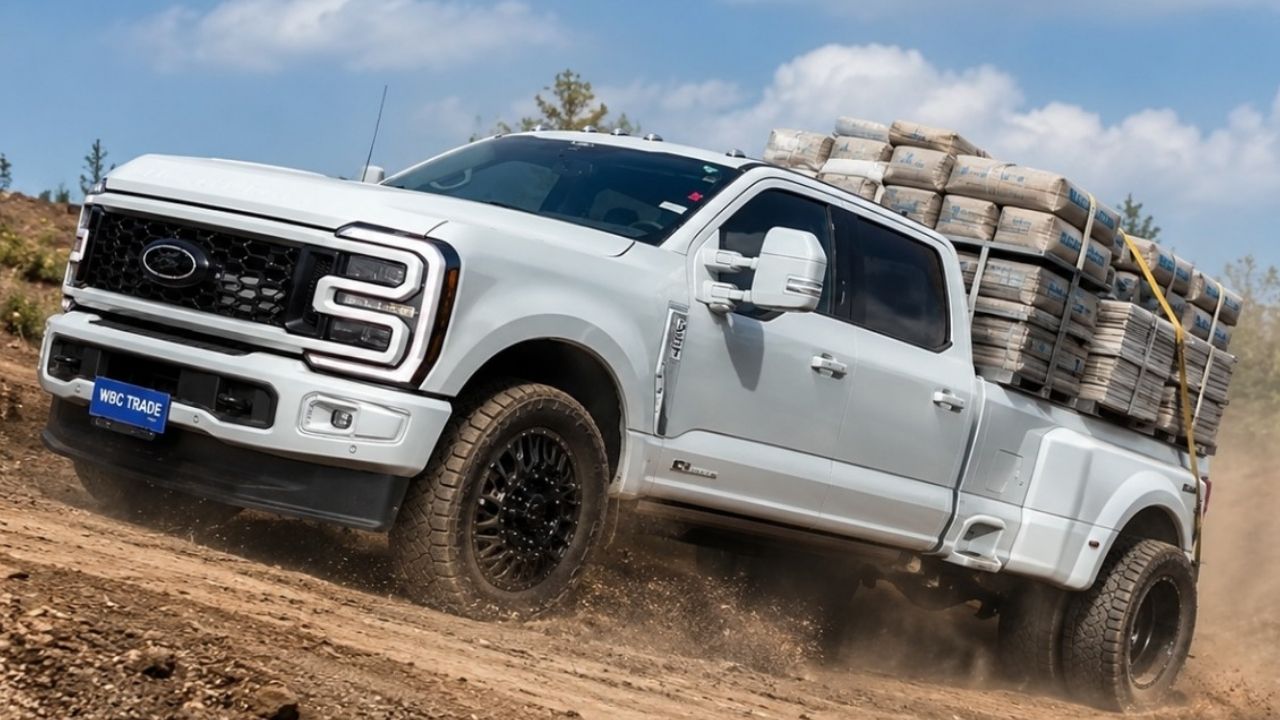
Rare pickup truck in Brazil is startling due to its size and price: Ford F-350 Platinum imported from the USA features a V8 Power Stroke, 24-inch tires, luxury seats, and the power to carry 3 tons in the bed or tow 18 tons as if it were a toy.

-
Larger than a Corolla Cross, Ford’s SUV with a 2.0 engine of 240 hp, 4×4 traction, and a premium equipment package costs practically the same as a brand new Volkswagen Tera and draws attention in the used car market; meet the 2021 Ford Bronco Sport Wildtrak.
-
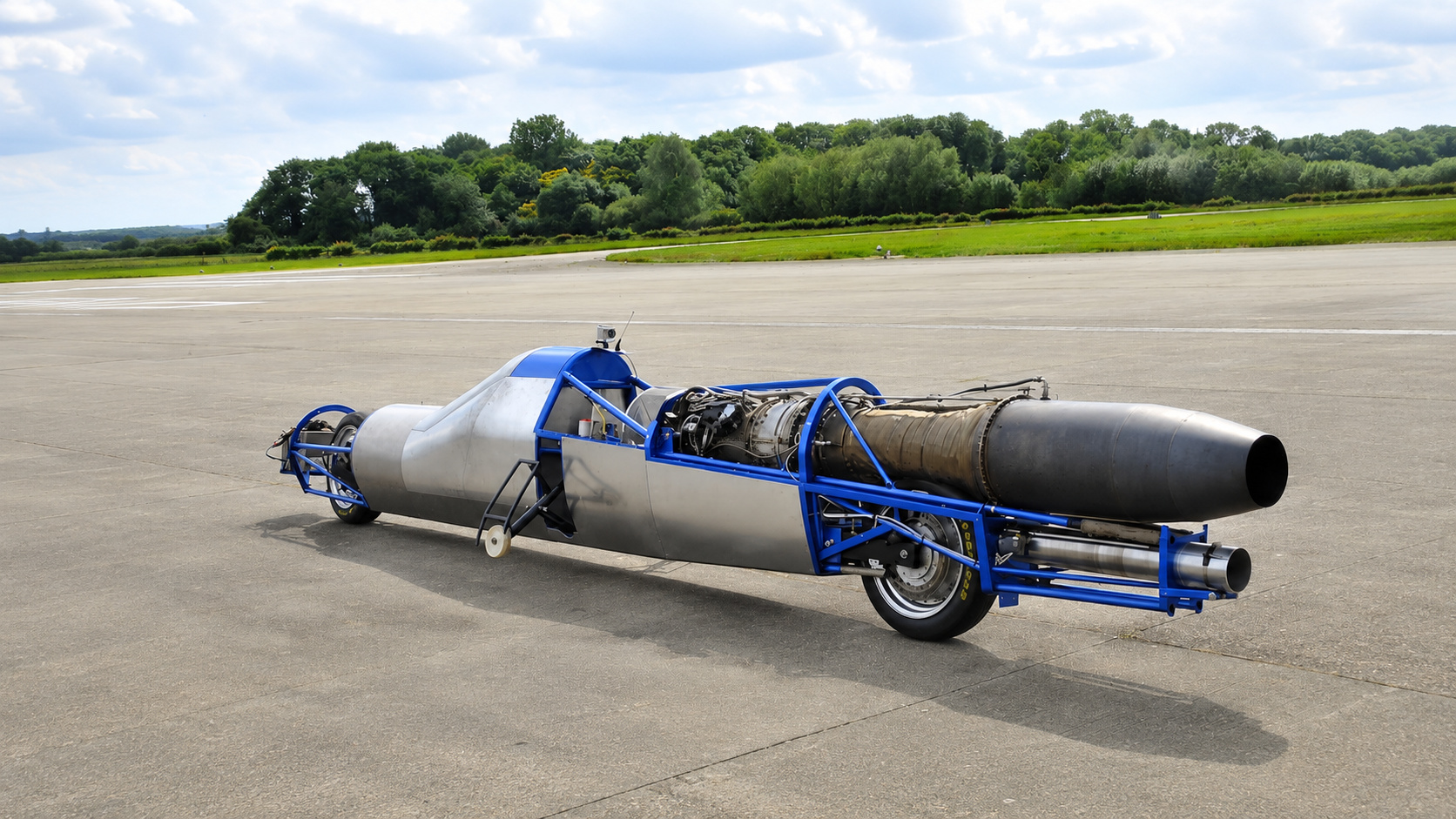
British man creates a “jet monster” on two wheels with 1,250 horsepower aiming for 724 km/h, featuring an aircraft turbine and handcrafted workshop construction to transform an extreme motorcycle into a functional machine.



The standout feature of the Super 9 is its bold and absolutely futuristic appearance. It completely forgoes the roof and windshield, relying on a sculpted structure with aggressive lines, cut headlights, scissor-style doors, and bumpers with large air intakes.

The rear is marked by taillights that resemble the brand’s own logo, reinforcing the visual identity of Fang Cheng Bao.
Futuristic Electric Supercar With Video Game And Formula 1 DNA
The project, according to BYD itself, was designed to showcase the technological and creative capabilities of the brand.
The Super 9 draws inspiration from the world of video games, featuring elements that seem to come straight out of a futuristic racing game. Inside, the interior is an attraction in itself: the cabin accommodates only two occupants, with the seats separated by a carbon fiber partition, creating two individual cockpits.
The steering wheel is directly inspired by Formula 1 cars, featuring multifunction buttons and performance-oriented adjustments. The minimalist dashboard and the absence of conventional glass convey a raw sense of speed, demanding a more visceral driving experience from the driver.
Registration In Brazil: Protection Strategy Or Possible Launch?
Although there is no official confirmation about the mass production or importation of the model, the fact that BYD is registering the Super 9 in Brazil raises the alert that the automaker wants to secure rights over the design in the country. This practice is common among manufacturers, especially regarding concepts or products that may inspire future vehicle lines.
The company frequently adopts this strategy: with each update from INPI, new registrations of models that have yet to be launched in Brazil emerge.
Therefore, the Super 9 may not be in immediate sales plans here, but it represents a clear message of positioning and ambition: BYD does not want to be seen merely as a manufacturer of accessible electric vehicles, but also as a force in design, luxury, and innovation.
Wolfgang Egger: The Genius Of Design Behind The Super 9
The mastermind behind the visual boldness of the Super 9 is Wolfgang Egger, a German designer with experience at legendary brands such as Lamborghini, Audi, Alfa Romeo, and now at the helm of the design department at BYD.
Egger has been a key player in the visual transformation of the Chinese manufacturer, which has moved away from the generic aesthetics of its early models and now bets on striking lines, strong visual identity, and a luxury signature.
The Super 9 is, without a doubt, a showcase of his genius — a style and engineering exercise that positions BYD among the boldest global brands in the field of electric mobility.
Electric Supercar From BYD And The New Phase Of Luxury Mobility
Although still a concept, the Super 9 represents a shift in narrative in the Chinese automotive industry. If the country was once seen as an exporter of simple models, the new generation of electric vehicles — such as the Yangwang U9 and the Super 9 — shows that China also wants to be a reference in innovation, luxury, and performance.
The electrification of supercars is gaining momentum globally, with models like the Rimac Nevera and the Lotus Evija paving the way for a new generation of ultra-high-performance battery-powered vehicles. BYD, with the Super 9, enters this game with a unique proposition: a radical concept car, without a roof, no front glass, and with a visual language inspired by digital culture.
Is An Electric Rival To Ferrari And McLaren Coming?
Although the Super 9 is just a design study, its existence is symbolic. It shows that BYD wants to compete in the realm of supercars, something that until recently would have been unimaginable for a company focused on affordable cars and electric buses.
The registration in Brazil reinforces that the Chinese brand is attentive to the Latin American market, not only as a sales channel but also as a territory for image consolidation. Even if the Super 9 is never sold here, it already plays an important role: associating BYD with desire, luxury, and boldness.
The Fang Cheng Bao Super 9 does not need to be sold to make an impact. The registration of the model in Brazil reinforces BYD’s intention to protect its boldest creations and solidify its image as a cutting-edge manufacturer capable of challenging European giants.
With design signed by a former Lamborghini, a look inspired by video games, and cutting-edge technology, the Super 9 is a symbol of the brand’s new era, aiming far beyond urban electric vehicles and venturing into the realm of futuristic supercars.





Be the first to react!