






 Portuguese
  Spanish
  6 min of reading
  0 comments


Volkswagen Tera dropped to 6,231 registrations in April 2026, lost positions among best-selling SUVs, but remains strong with competitive pricing, five stars in Latin NCAP, and efficient 1.0 TSI engine.
When Volkswagen unveiled the Tera at the Marquês de Sapucaí Sambadrome in February 2025, the promise was direct: a compact SUV produced in Taubaté, with an entry price below R$ 100,000 and enough technology to compete with segment leaders. Six months later, the model won September with 7,610 registrations and dethroned the T-Cross itself. In March 2026, the Volkswagen Tera once again led among the best-selling SUVs in Brazil, with almost 8,000 units registered. April, however, brought a significant change in the national ranking of compact SUVs.
According to Fenabrave data, the Tera registered 6,231 registrations in April, a drop of almost 1,750 units compared to March. The model finished the month in third place, behind the T-Cross, with 7,810 units, and the Hyundai Creta, with 7,649.
Volkswagen Tera lost positions in April after months among Brazil’s best-selling SUVs
The April drop marked the first time, since its launch, that the Volkswagen Tera finished a full month outside the top two positions among Brazil’s best-selling SUVs. The decline does not signify a sales collapse, but it shows that the competition in the segment has become tighter.
-
Uber Faces Shareholder Scrutiny as Board Accused of Ignoring Safety, Compliance, and Harassment Warnings Amid Over 3,500 U.S. Lawsuits

-
Ferrari’s First Electric Car Divides Fans, Priced at $630,000, Amid Concerns Over Limited Editions; Brand Clarifies It’s Not Just for Future Perks
-
BYD Dolphin Mini: The Electric Car That Defies Depreciation, Losing Only 3.58% in a Year and Becoming the Best-Selling Retail Model Under $22,000

-
Electric Car JAC E-JS4 Loses $19,000 in Value in One Year, Leading Record Depreciation of Used Cars in Brazil Due to Expensive Battery and New Models


The Brazilian market usually experiences strong seasonality between March and April. March concentrates quarter closings, commercial campaigns, and fleet registrations, which can inflate the numbers of some models.
Even so, the proportional drop of the Tera drew attention. The SUV retreated almost 22% compared to the previous month, while T-Cross and Creta maintained volumes close to 7,800 and 7,600 units.
Volkswagen Tera arrived breaking records with 12,000 units pre-sold
The Tera was presented to the public in March 2025 and deliveries began in June of the same year. In the pre-sale, 12,000 units were reserved in less than 50 minutes, one of Volkswagen’s strongest moves in the compact SUV segment.


The initial batch of 999 units, sold for R$ 99,990, quickly sold out. Even before the end of the month, the price of the entry-level version rose to R$ 103,990.
The Taubaté factory, which shares a production line with the Polo, had to rebalance shifts to meet demand. In October 2025, Volkswagen reported that the Tera had surpassed 60,000 units produced since its launch.
MQB platform, 350-liter trunk, and dimensions position the Tera as an entry-level compact SUV
The Volkswagen Tera is built on the MQB platform, the same one used by Polo, Virtus, and T-Cross. The SUV measures 4,147 mm in length, 1,777 mm in width, 1,478 mm in height, and has a wheelbase of 2,566 mm.
The trunk holds 350 liters, a smaller volume than the T-Cross, with 420 liters, and the Creta, with 422 liters. Still, the number is aligned with the Tera’s positioning as Volkswagen’s entry-level compact SUV.
The model’s proposal is to occupy the segment below the T-Cross, offering an SUV look, a strong safety package, and a more accessible price. It is this positioning that explains the Tera’s initial impact on the Brazilian market.
1.0 MPI and 1.0 TSI engines define the 2026 Volkswagen Tera versions
The Volkswagen Tera line offers two engine options. The entry-level MPI version uses the 1.0 naturally aspirated flex engine, with up to 84 hp with ethanol and 10.3 kgfm of torque, always paired with a five-speed manual transmission.

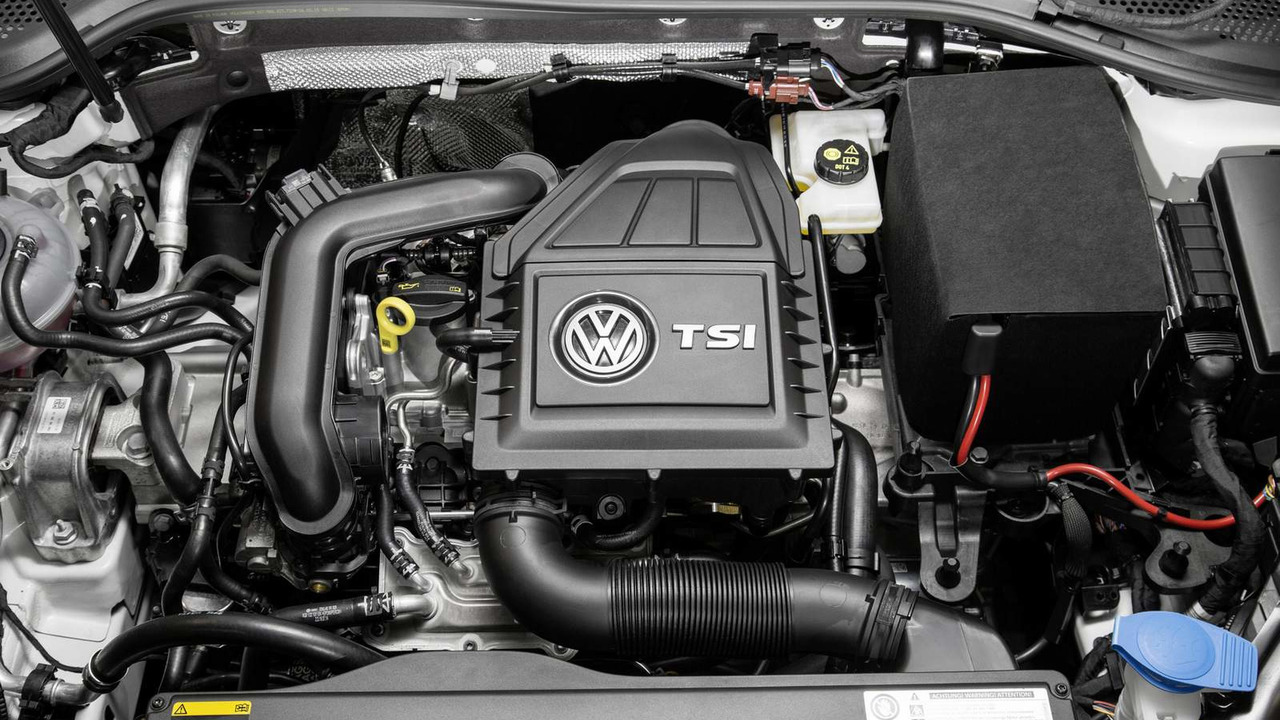
The TSI versions, Comfort and High, use the 1.0 TSI turbo flex engine, with 116 hp with ethanol and 16.8 kgfm of torque. In the Comfort and High versions, the transmission is a six-speed automatic.
The automatic Tera TSI is the best-selling configuration in the lineup. According to data from the Brazilian Vehicle Labeling Program, the model records 12.2 km/l in the city and 14.5 km/l on the highway with gasoline.
Volkswagen Tera features VW Play multimedia, digital dashboard, and ADAS package
The 10.1-inch VW Play multimedia center with App-Connect is present starting from the MPI version. In the Comfort and High versions, the system becomes VW Play Connect, with expanded connectivity and integration with the My VW app.
The High version adds a 10.25-inch digital dashboard, inductive cell phone charger, and ADAS package. Features include blind spot detection, active lane keeping assist, and a multifunctional camera.
For safety, all versions come with six airbags, stability control, traction control, electronic differential lock, autonomous emergency braking with pedestrian detection, and hill start assist.
Five stars in Latin NCAP remain a trump card for the Volkswagen Tera
The Volkswagen Tera achieved five stars in Latin NCAP, a result used by the brand to position the SUV as a safety benchmark among entry-level models. The rating strengthened the launch communication and helped differentiate the car from its rivals.
The protocol evaluated adult, child, and pedestrian protection. The model performed well in frontal impact, offset frontal impact, and side collision, important scenarios for real safety in Brazilian traffic.
The strongest point is that Volkswagen did not restrict the main safety items to the more expensive versions. AEB, six airbags, ESC, and ASR are standard from the MPI version, the cheapest in the lineup.
April showed a drop for Tera, an advance for Creta, and a tight dispute among compact SUVs
Tera’s decline in April needs to be read within the general movement of the segment. The T-Cross led with 7,810 units, the Creta came in second with 7,649, and the Tera appeared in third with 6,231 registrations.

The Nivus remained stable in fifth position, with 5,346 units, while the Tracker fell to sixth, with 5,305. The Creta, on the other hand, grew and was only 161 units behind the T-Cross, signaling a tighter dispute for the leadership.
What stands out about the Tera is the gap opened to the second-place finisher. In March, the model was in the lead; in April, it was almost 1,600 units behind the Creta.
Volkswagen competes with itself with T-Cross, Tera, and Nivus in the top 5 SUVs
Part of April’s dynamic reflects a rare phenomenon in the Brazilian market: three SUVs from the same brand among the country’s top five best-sellers. T-Cross, Tera, and Nivus are all Volkswagens.
The three models have different profiles. The T-Cross operates as a consolidated compact SUV, the Nivus bets on the coupe style, and the Tera functions as the brand’s entry point into the SUV segment.
This strategy allows capturing customers across various price ranges but also creates internal competition. In the R$ 120,000 to R$ 135,000 range, intermediate versions of Tera, Nivus, and T-Cross may compete for the same buyer.
Compact SUVs continue to be the growth engine of the Brazilian automotive market
April 2026 confirmed the strength of compact SUVs in Brazil. The ten best-selling models in the segment totaled over 55,000 registrations, a volume higher than many traditional segments.
In addition to T-Cross, Creta, Tera, BYD Song, and Nivus, the top 10 included Tracker, Fiat Pulse, Fastback, Jeep Compass, and Honda HR-V. All registered significant volumes in a market increasingly concentrated on SUVs.
For the Tera, the challenge is to maintain 6,000 registrations as a floor and try to regain contention for the top positions. Pressure will come from combustion, hybrid, and electric rivals.
Volkswagen Tera TSI consumption became a sales argument against larger rivals
The fuel consumption of the automatic Tera TSI is one of the most used commercial arguments by Volkswagen. With 12.2 km/l in the city and 14.5 km/l on the highway with gasoline, the SUV approaches the compact hatchbacks and sedans of the brand itself.

For those who drive between 1,500 and 2,000 km per month, the difference compared to SUVs with larger engines can represent significant savings over the first few years. The low-displacement turbo engine also delivers better torque in urban accelerations.
This balance between consumption, performance, and price helps sustain the Tera’s attractiveness even after the initial novelty phase ends. Energy efficiency remains one of the model’s pillars in the compact SUV segment.
Tera surpassed 60,000 units produced and enters a phase of stabilized demand
In October 2025, four months after deliveries began, Volkswagen reported that the Tera had surpassed 60,000 units produced. The initial pace was strong and helped reduce waiting lists that reached 90 days.
With inventory more normalized in 2026, registrations began to reflect less repressed demand and more actual market demand. The numbers for March and April show this transition.
This adjustment is common in high-volume launches. Volkswagen’s challenge will be to keep the Tera above 5,500 units monthly to ensure a constant presence on the podium of best-selling SUVs.





Be the first to react!