






 Portuguese
  Spanish
 3 min of reading


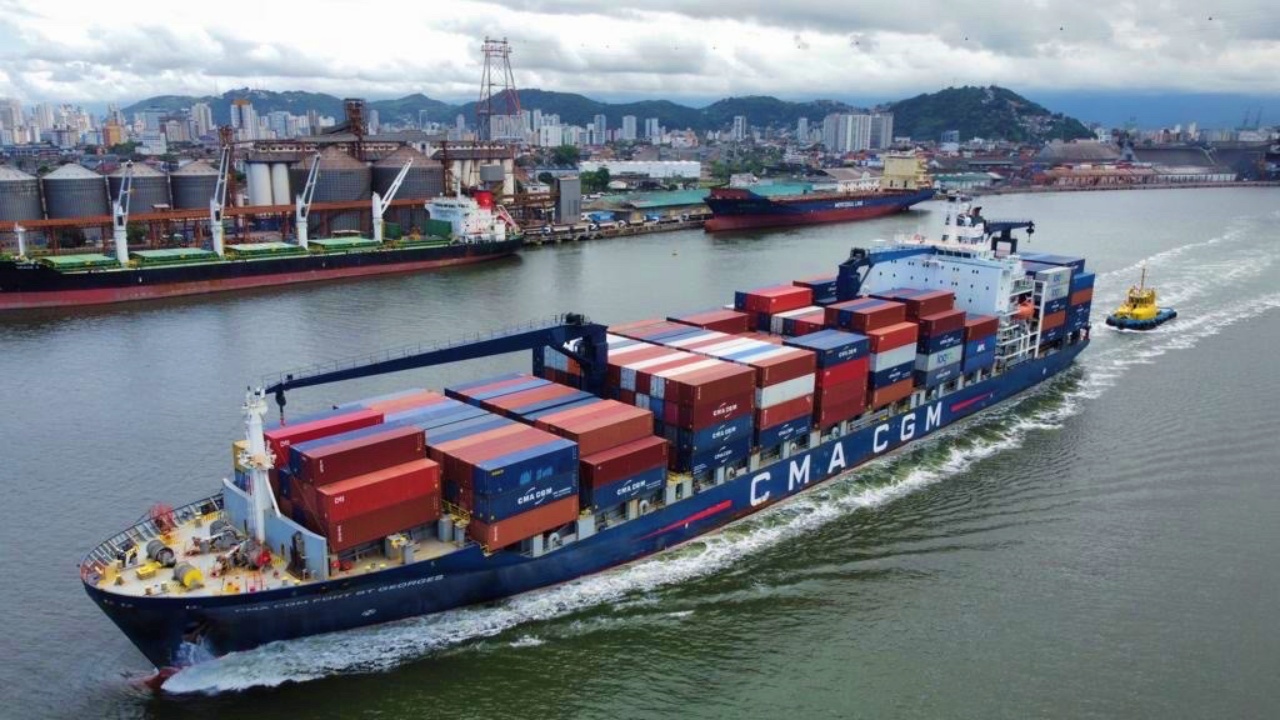
Cabotage Transport Reduces Distances, Provides Greater Security, Fewer Damages, and Lower Costs.
It is a challenging task to connect a country with an expressive territorial proportion like Brazil! Unfortunately, there are still several regions that are hard to access by road or rail in the country, and therefore, Mercosul Line, a Brazilian shipping company that is part of the CMA CGM Group, a global player in maritime, land, air, and logistics solutions, operates multimodal logistics, using cabotage as the main operational modal to provide uninterrupted service to its customers.
Currently, even with technological advances, there are still populations that, due to living far from large centers, suffer negative impacts on the supply of essential items for their daily lives. According to data from the Riversides Peoples Project, an initiative of the General Secretariat of Missions (SGM) aimed at supporting actions that benefit the quality of life of Brazilian riverside communities, 37,000 people live in isolation, along the banks of the rivers that cut through the largest Brazilian state, Amazonas, whose access is only viable by boat. In this scenario, cabotage plays a fundamental role in meeting the needs of the most remote places in the country.
Value of Products Transported by Ship Can Be Reduced by Up to 20% Compared to Road Transport
“Brazil has nearly 8,000 kilometers of coastline, facilitating the choice of cabotage as the main modal for the country’s connection. With this, the costs of products transported by ship can be reduced by 15% to 20% compared to road transport. This can positively impact the cost of living in an entire region,” says Valter Branco, Multimodal Transport Manager at Mercosul Line.
-
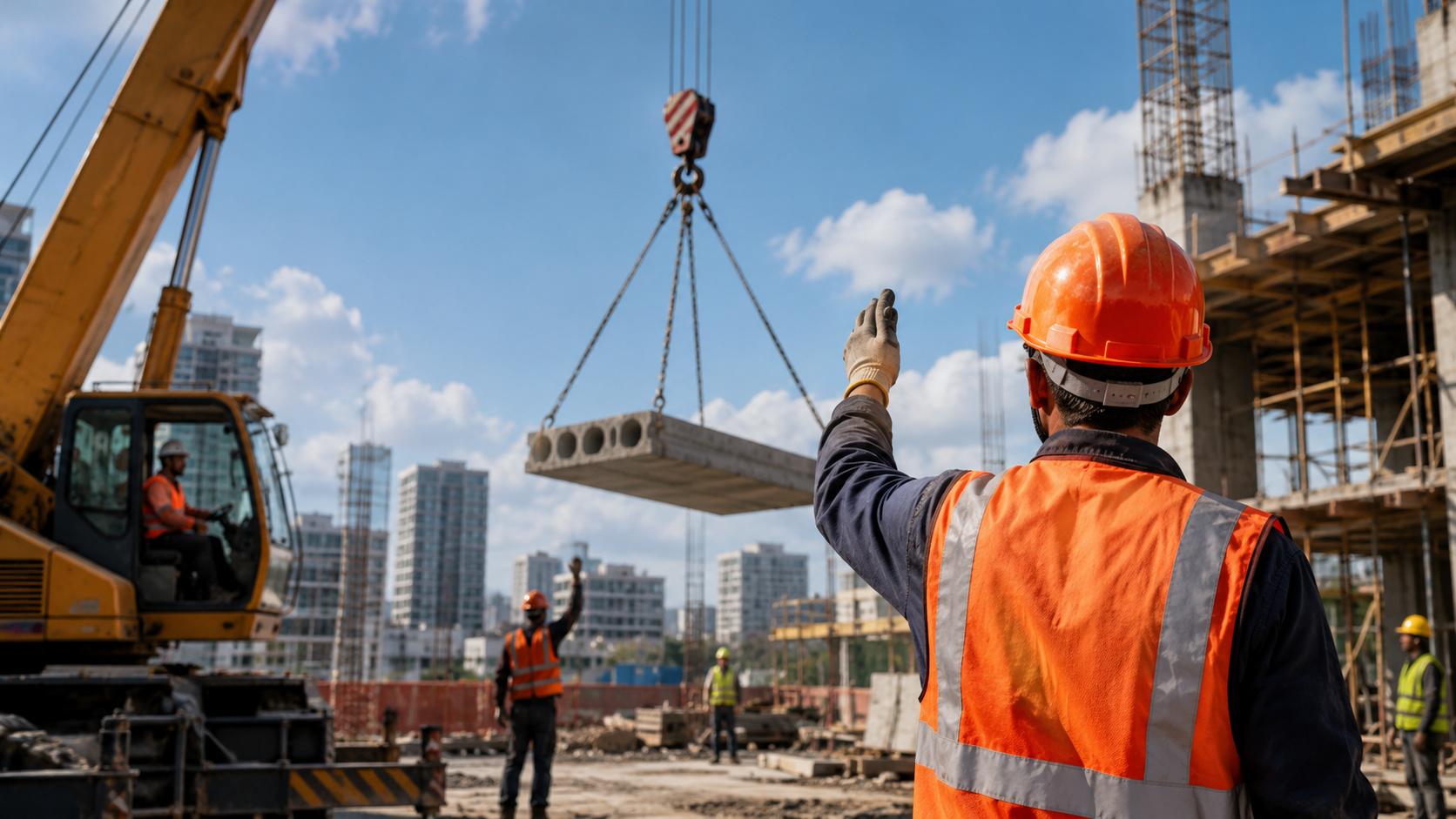
Why can the crane operator only obey the correct signalman on the construction site: among dozens of workers, a hand raised by the wrong person can confuse the maneuver and turn a load of tons into an immediate risk.

-
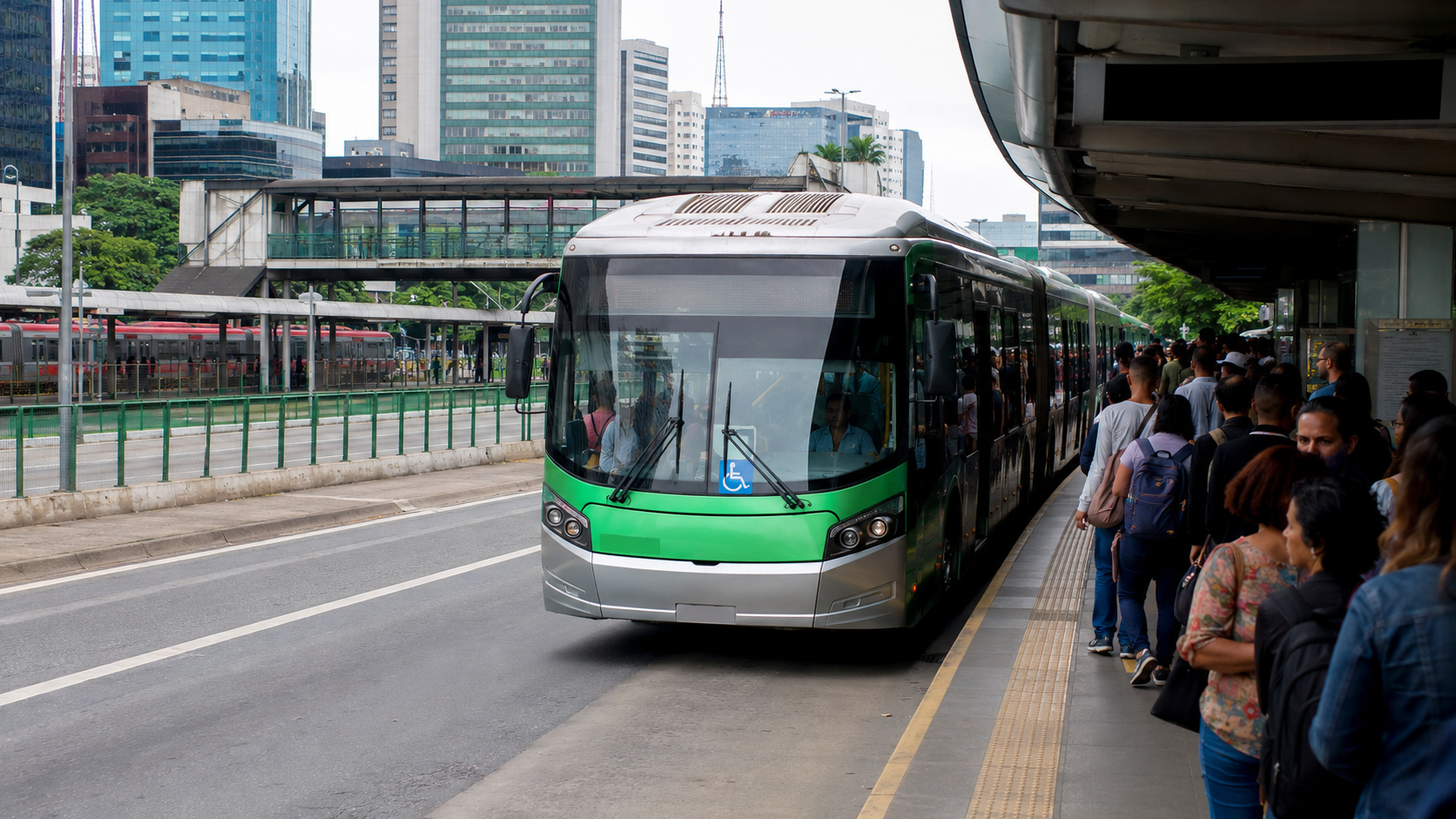
What changes with the new public transportation rules that can reduce pressure on fares and pave the way for zero fare in Brazil?
-
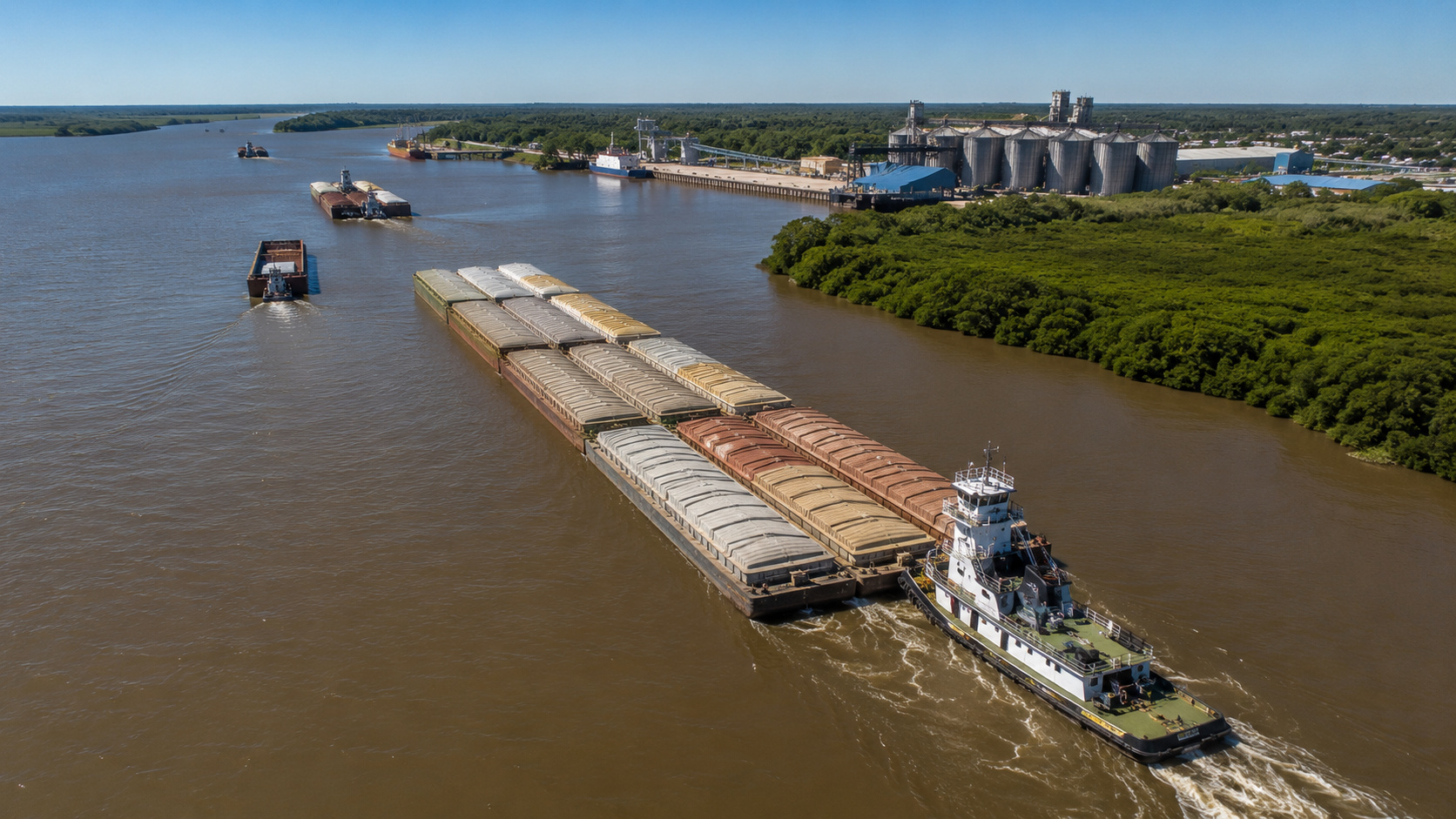
Argentina confirms Belgian giant to lead strategic Paraná River waterway and promises to reduce logistical costs on one of South America’s most important routes
-
MBRF surprises the logistics sector by demonstrating how Artificial Intelligence can directly influence deliveries throughout Brazil by reorganizing distribution routes in seconds, optimizing fleet usage, reducing logistics costs, and speeding up product arrivals even in the face of unforeseen road incidents.
Access in much of Amazonas is unviable by land modalities, and thus, integrated logistics is essential for easy access to the Amazon River. Additionally, cabotage has additional benefits of lower costs and greater sustainability, as it emits at least five times less CO2 compared to road transport.
“Our ships transport large batches of containers from a variety of segments, serving the main ports in Brazil. The advancement of stock for distribution centers allows customer orders from remote areas to be fulfilled more swiftly and efficiently; therefore, cabotage transportation plays a fundamental role in the logistics and distribution strategy to serve regions that are distant from urban centers and have difficult access,” explains Alexandre Souza, Commercial Director of Mercosul Line.
The current highlight is the NEXCO (Northeast Express Connection) service that links Santos and Suape quickly, stimulating the growth of cabotage between these ports and driving the company to significant growth, above the market. “Growing above the market is the response we seek! This just shows us that we are navigating in the right waters! We thank all of our customers for their support and trust,” says José Roberto Duque, CCO of Mercosul Line.





Be the first to react!