






 Portuguese
  Spanish
  3 min of reading
  0 comments


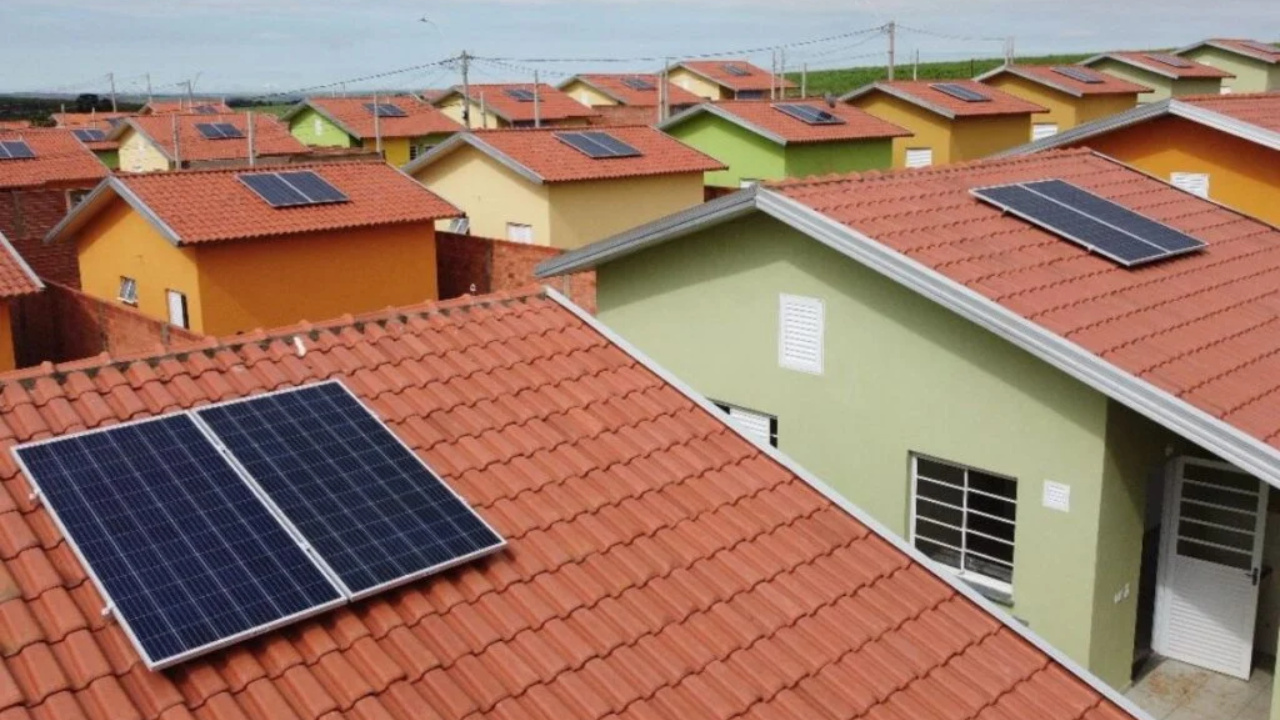
Caixa Econômica Federal Launches Credit Line for Solar Energy in the Casa Brasil Reform Program, Allowing Low-Income Families to Reduce Costs and Improve Housing.
Solar energy has taken on a strategic role in the social policies of Caixa Econômica Federal. Since November, the public bank has included financing for photovoltaic systems in the Casa Brasil Reform Program, an initiative aimed at improving housing for low-income families living in urban areas.
The measure expands access to clean energy generation and simultaneously contributes to reducing monthly electricity expenses.
The program integrates credit lines directed at residential renovations and, now, allows part of the contracted value to be used specifically for the installation of solar energy panels.
-
Solar energy can increase property value by up to 10% and become a selling point.

-
Solar and wind energy surpass natural gas for the first time in the world and accelerate energy revolution

-
Africa has about 500,000 cell towers and most still burn diesel to operate, while companies rush to cover antennas with solar energy and avoid signal blackouts.
-
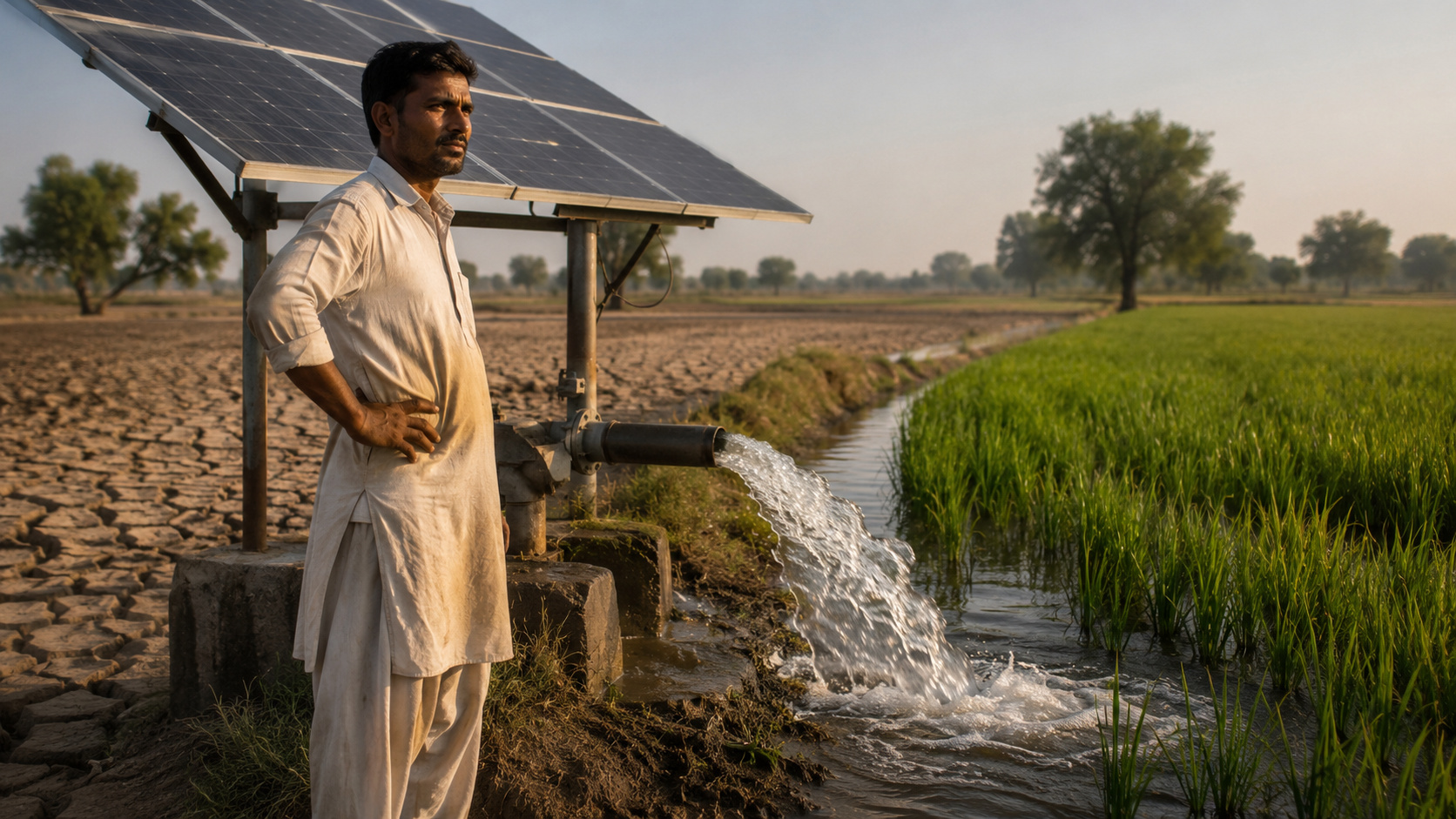
Farmers swapped diesel for solar panels in Pakistan, powered irrigation pumps almost cost-free, expanded rice fields, and now groundwater has become a red alert in the countryside.
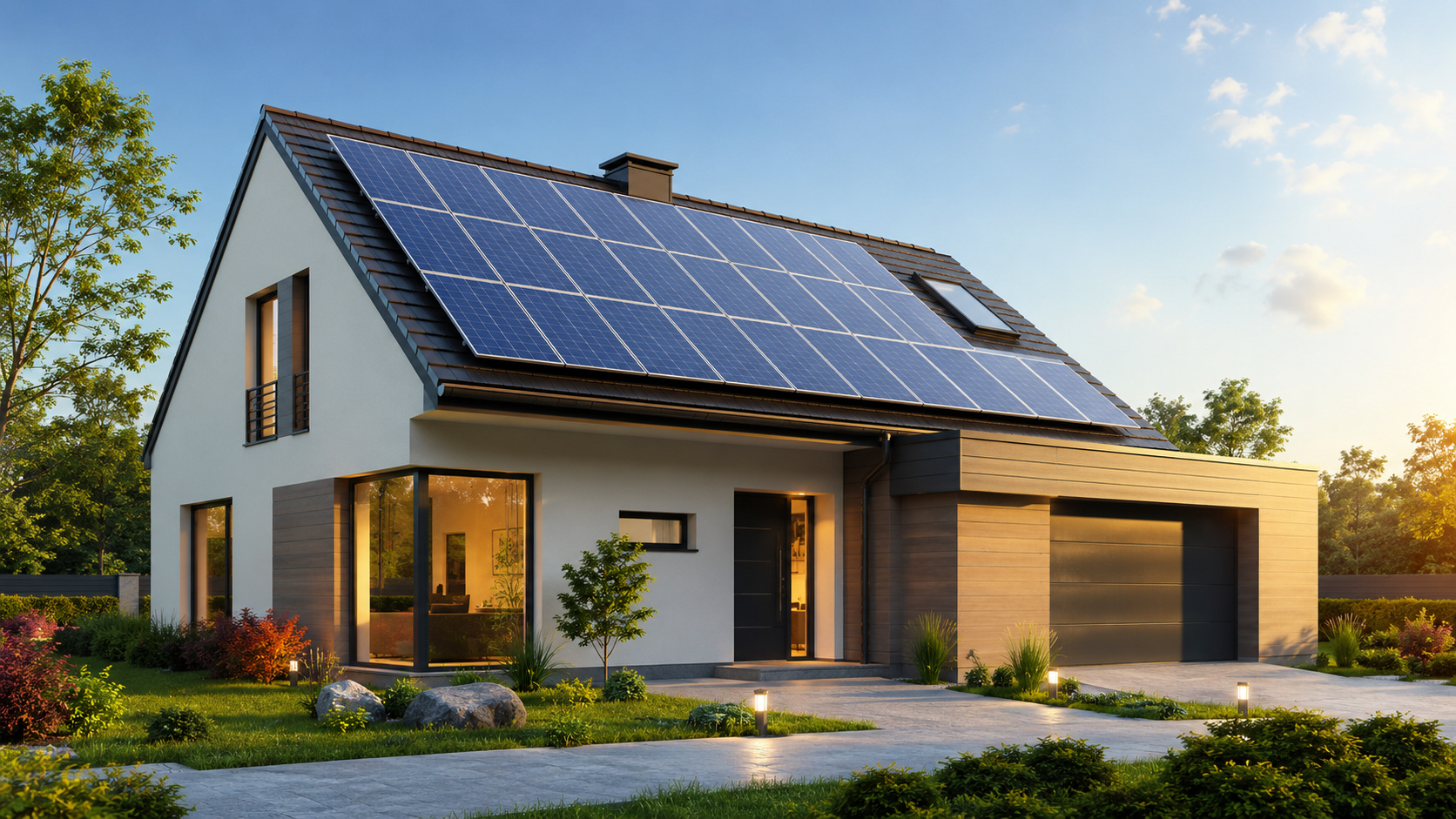


The proposal is in addition to other actions aimed at energy efficiency and the comfort of affordable housing across the country.
Financing Combines Solar Energy and Structural Improvements
In addition to the implementation of the solar energy system, the financing offered by Caixa can be used for a range of interventions in the property. Among them are structural repairs, expansion of rooms, electrical and plumbing adjustments, roof replacements, and other essential improvements for the safety and habitability of the residence.
This way, the Casa Brasil Reform Program seeks to unite sustainability and housing dignity. The logic is simple: while modernizing the infrastructure of homes, the financing helps to reduce the impact of the electricity bill on the families’ budgets.
Access to solar energy financing is available for families with a gross monthly income of up to R$ 9,600. The loan amount ranges from R$ 5,000 to R$ 30,000, depending on the beneficiary’s profile and the type of work to be carried out.
The repayment period ranges from 24 to 60 months, allowing greater flexibility in financial planning.
Interest rates also follow income criteria. Families with a monthly income of up to R$ 3,200 pay interest of 1.17% per month. Those with an income between R$ 3,201 and R$ 9,600 have a rate of 1.95% per month. The differentiation seeks to ensure greater financial inclusion for the most vulnerable groups.
Requirements and Flexibility of Property Conditions
To apply for the credit, it is necessary to reside in an urban area, prove income within the established limit, and have credit assessment approved by Caixa. However, the program presents more flexible rules regarding the property.
The residence can participate even without formal ownership, even if it is rented or ceded, and it does not necessarily need to be part of the Minha Casa, Minha Vida program. This flexibility broadens the reach of public policy and allows more families to access solar energy.



Be the first to react!