






 Portuguese
  Spanish


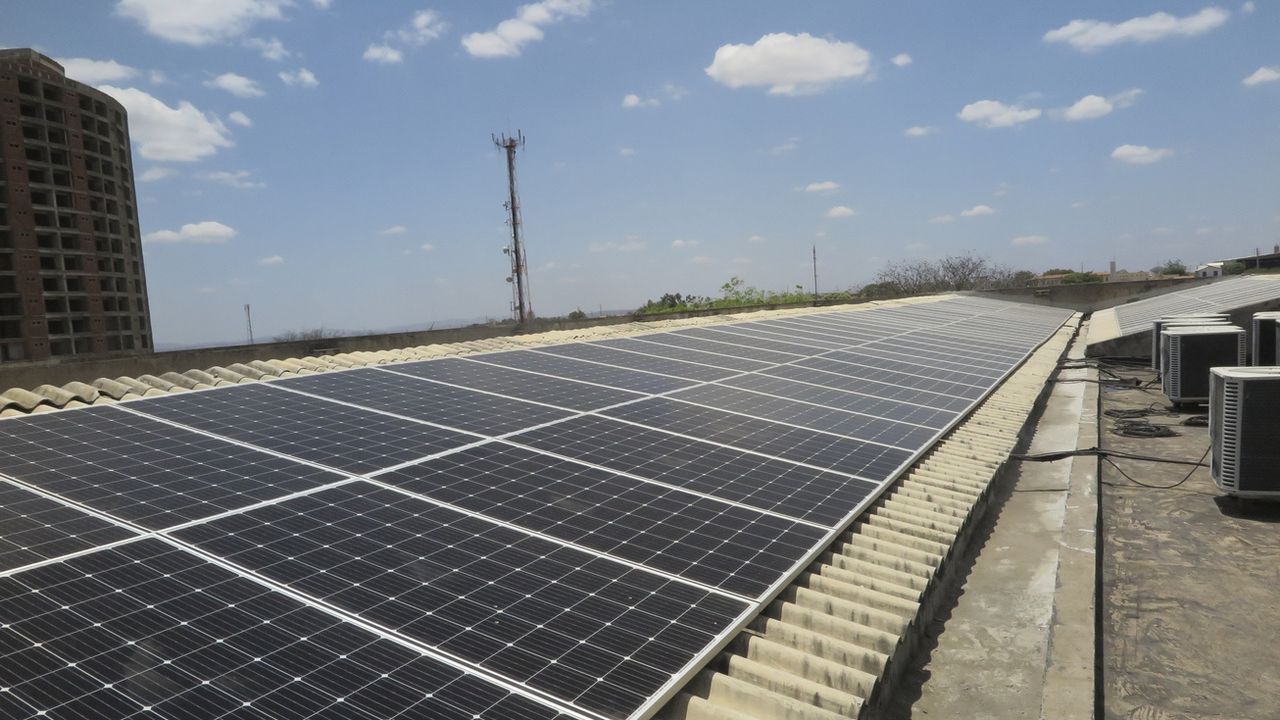

Such Law Approved by the Chamber Boosts Growth of Own Power Generation Projects, Which Have a 4-Year Return on Investment
Yesterday, Wednesday (08/18), after two years of much turmoil, solar energy sector agents in Brazil have something to celebrate, the Chamber of Deputies approved the text of Bill 5829/19 which establishes the new legal framework for decentralized clean energy generation. This approval brings more legal security to the sector and should accelerate investments in new photovoltaic projects in homes and businesses in the country. Also see this news: AXS Energy Will Invest R$ 1 Billion in 60 Photovoltaic Solar Power Plants in Minas Gerais
- Aneel Claims That Brazilians’ Electricity Bill May Have a New Adjustment Due to Dry Periods
- ANP Discovers That Petrobras Exploited a Gas Well for 10 Years Without Paying Special Contributions, and Public Losses May Reach R$ 26 Billion
- Construction of Brazil’s First Airport Hub in the Midwest Has Begun and Promises to Generate Many Jobs
- Nearly 300 Job Openings Are Open Through Sine Manaus
- Scania, Global Leader in Production of Heavy Trucks, Buses, and Engines, Calls for Candidates with High School, Technical, and Higher Education for Job Openings at Its São Paulo Plant
Solar Energy Sector Could Bring More Investments
The document approved by the Chamber now goes to the Senate, but this first victory is extremely relevant, as it indicates an increase in legal security for national and international investors who see Brazil as a great opportunity to invest capital for the production and commercialization of green fuel. With more investments in solar energy, more production, and with the increase in supply, electricity prices for the final consumer will drop.
Under the current governance model, companies owning decentralized solar power plants used the regional distribution network to deliver energy to customers without paying for the service. For every 1 megawatt of energy generated, 1 credit was deducted from the user’s electricity bill. In other words, despite providing a service, distributors spent the last few years without seeing the money, which created significant friction in the market and impacted the availability of solar energy to citizens. Now with the approval in the Chamber, this will change. The remuneration value is still under discussion, but it will happen.
-
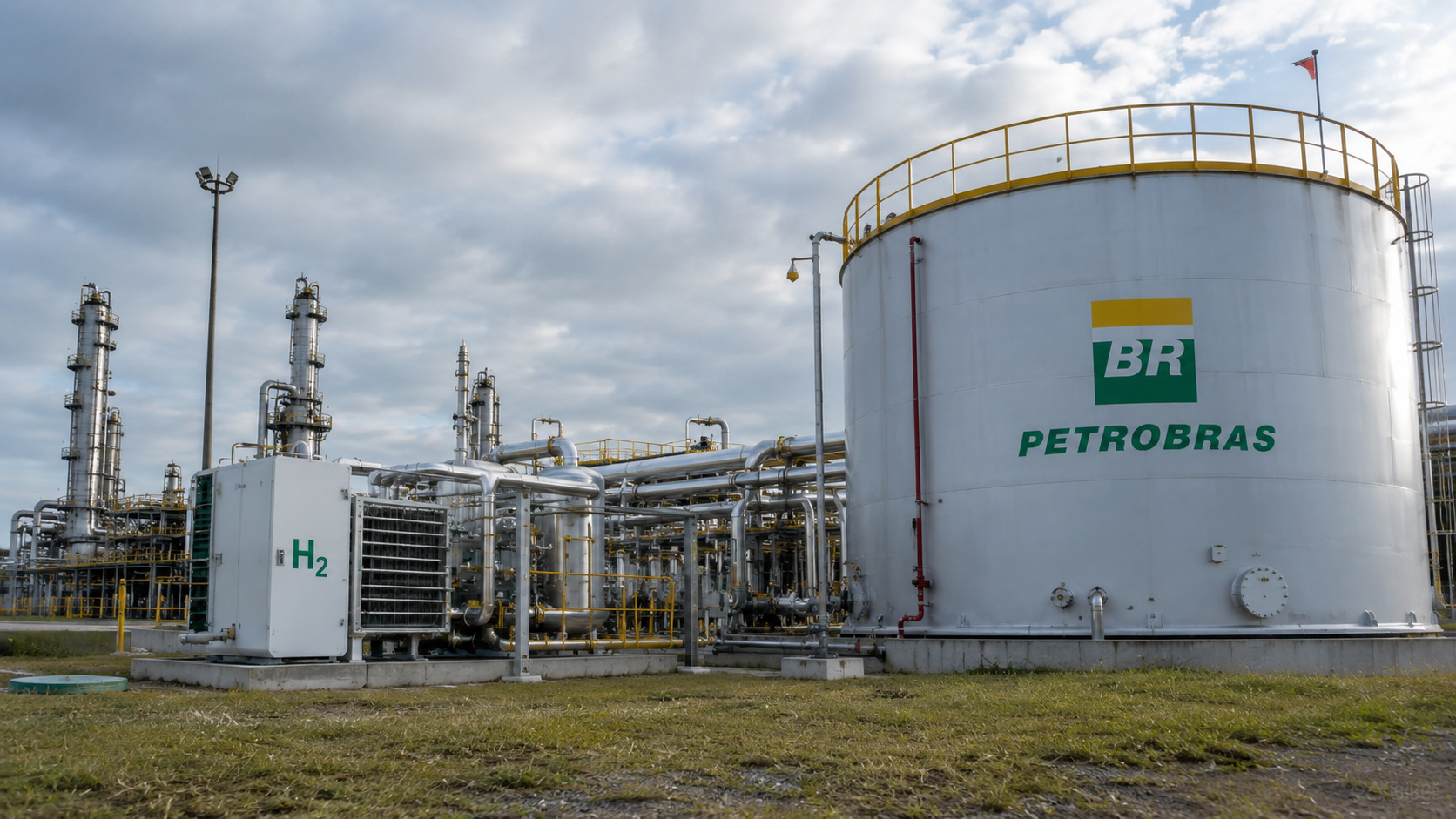
Brazilian scientists are simultaneously advancing two research projects on clean hydrogen and driving solutions that could transform the energy matrix, enhance industrial competitiveness, and accelerate large-scale emission reduction targets.

-
Advancement in renewable energy: A R$ 150 million project launched by Petrobras and Finep aims to create state-of-the-art electrolyzers for green hydrogen, strengthening national research and preparing Brazil to compete in a billion-dollar energy market.
-
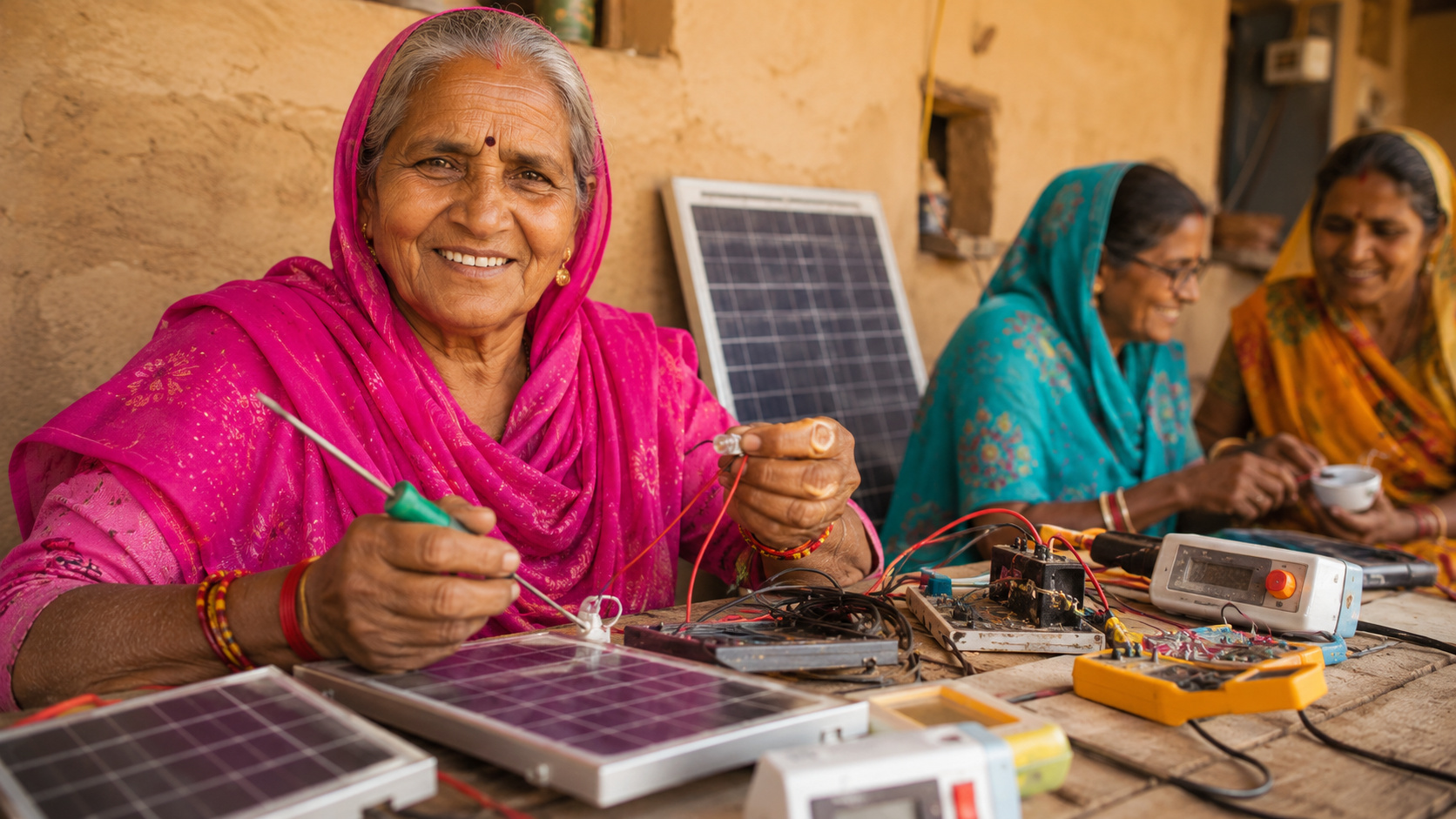
Illiterate or semi-literate grandmothers were trained to repair solar systems, open rural workshops, and light up homes that still depended on kerosene.
-
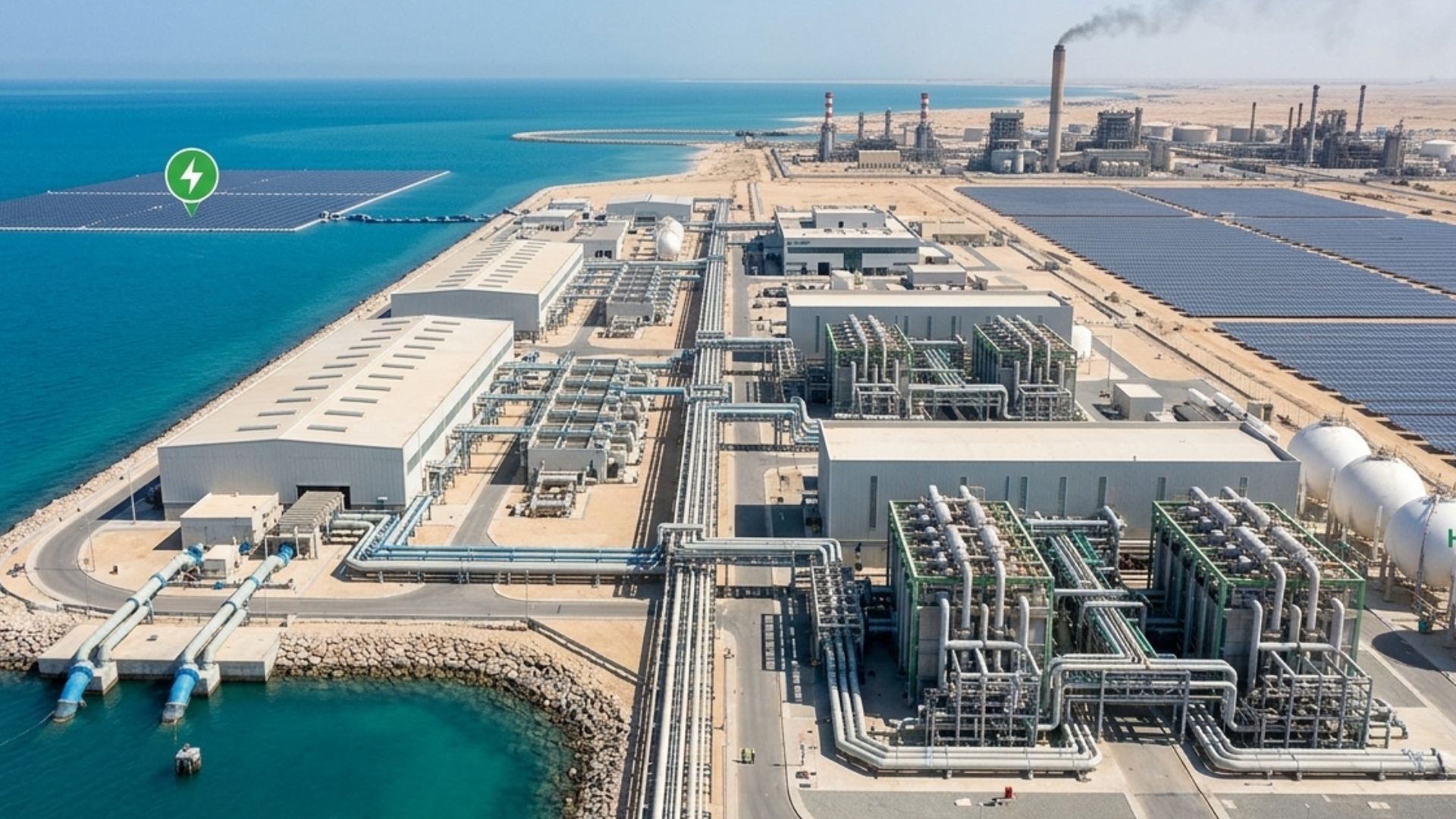
The world has bet on green hydrogen as the fuel of the future, but now faces the side effect: producing 1 kilogram requires about 9 liters of ultrapure water, and the largest projects on the planet are precisely in the driest regions of the Earth, where water is already scarce for people.


The Approval of the Solar Energy Bill Will Mitigate Electricity Bill Prices Amid Water Crisis
In a year filled with economic difficulties due to political and health issues, the water crisis worries citizens who are paying red flags on their electricity bills, and entrepreneurs. In a recent survey, the National Confederation of Industry (CNI) found that 90% of executives are concerned about the agenda. Among the main fears are the increase in energy costs (83%), the possibility of rationing (63%), and instability or interruptions in supply (61%). All with a significant impact on the already weakened Brazilian economy.
With clearer rules, the expectation of the solar energy sector is that the volume of investment will grow substantially. “The approval of the PL will attract robust private investments that will help the Country get out of the energy deficit situation it is in,” said the president of Órigo Energia, Surya Mendonça, to DINHEIRO. According to the executive, to generate 1 MW of solar capacity, it requires about US$ 1 million in investment. “That’s why having clear and secure rules was essential to attract capital. The risk is considerable,” he stated.
The Diversity and Security of Brazil’s Electric Supply
Bárbara Rubim, Vice President of Distributed Generation at Absolar, says that the legal framework strengthens the diversity and security of Brazil’s electric supply, helping to alleviate the effects of the water crisis on the electric sector, which contributes to reducing electricity bills for all consumers.
Bárbara emphasizes that “In addition to being clean and competitive, solar energy is quick to deploy: a new self-generation system with photovoltaic panels can be installed in a house or small business in just a few days, bringing a reduction of up to 90% in electricity bill expenses.”








