






 Portuguese
  Spanish
  3 min of reading


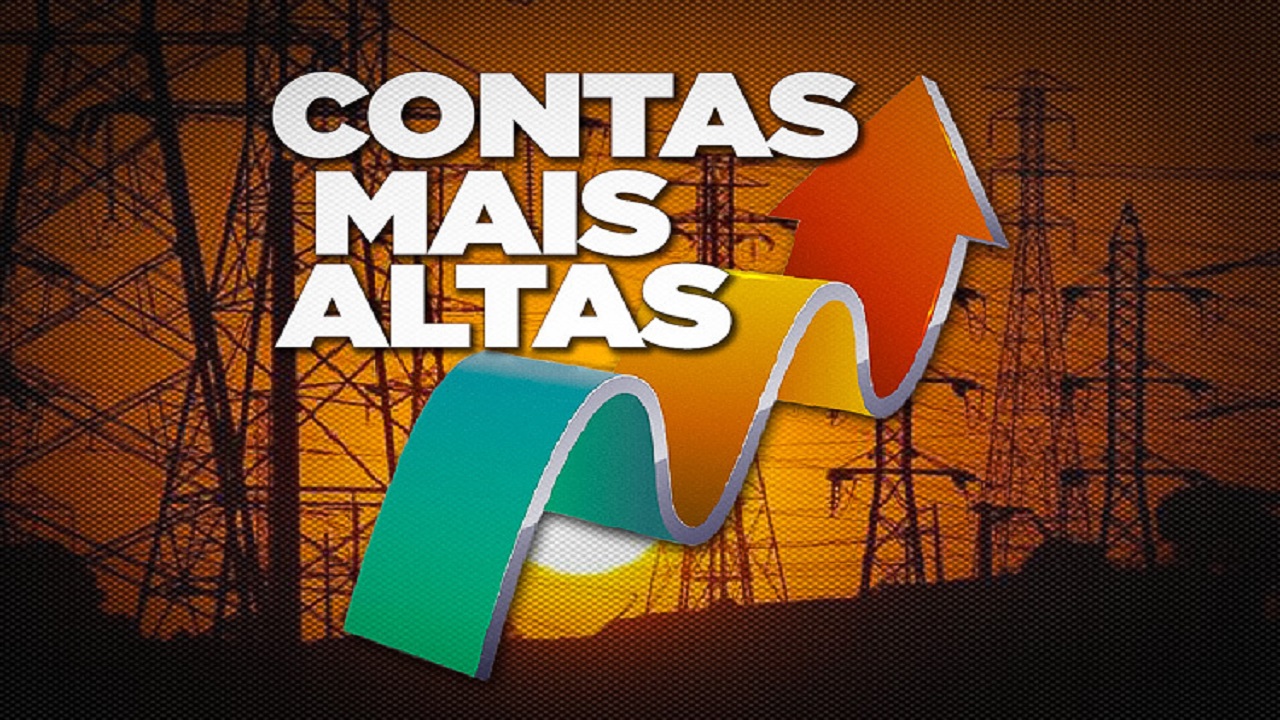
According to Aneel, the electricity bill may suffer a new adjustment of 16% next year due to the water crisis caused by the drought in the country. According to the agency’s studies, the attitude of Brazilians will be the main weapon to combat the country in 2022
Aneel reported that next year, the electricity bill will increase by up to 16.68% due to the dry period. This estimate was made by Davi Antunes Lima, superintendent of Tariff Management at the agency, during a public hearing of the Committee on Participatory Legislation of the Chamber of Deputies.
Read Also
Brazil Faces the Worst Drought in 91 Years
The increase in the electricity bill announced by Aneel will be driven by the current water crisis faced by the country’s hydropower plants, due to the worst drought in the last 91 years. Therefore, it is necessary to activate thermoelectric plants, which produce more expensive energy and further pollute the environment.
Additionally, it should be noted that the pandemic is ending and vaccines are advancing, thus the consumption of electricity with the resumption of economic activities is contributing to the crisis.
-
High Interest Rates and Record Defaults Lead to Surge in Vehicle Repossessions and Crowded Car Auctions in Brazil by 2026

-
São Paulo Offers Over 13,000 Job Openings: Opportunities in Industry, Logistics, and More Across the State

-
Brazil’s BNDES Allocates $65 Million to Fund 85,000 E-Bikes for App-Based Delivery Workers, Offering Purchase Discounts and Leasing Options to Boost Income and Improve Delivery Operations
-
JBS Invests Nearly $160 Million in Texas Megaproject to Expand Beef Production and Operations Through 2027


According to data from the Energy Research Company (EPE), in June, energy consumption in Brazil grew by about 12.5% compared to the same period in 2020. In light of the current scenario and the projected negative increase in the electricity bill, Aneel is studying some solutions so that measures can be taken to mitigate the financial impacts on consumers.
According to the entity, if it is possible to implement the studied actions, the increase in the electricity bill due to the drought will be only 10% in 2022, which is already a significant help.
Aneel States That Brazilian Awareness Is the Only Way to Change the Course of the Water Crisis
Currently, the red flag 2 costs R$ 9.49 for every 100 kWh consumed. This value is the result of the adjustment made by Aneel, of 52%. According to Elisa Bastos, director of Aneel, the adjustment serves to cover the measures taken to generate energy. A good example of this would be the generation of energy through thermoelectric plants and the importation of gas from neighboring countries such as Argentina and Uruguay.
It is expected that the adjustment will lead consumers to adopt economic measures in their homes, as well as in commercial establishments and companies. Thus, according to Aneel, the hope for the energy crisis caused by the drought to end lies in the change and awareness of the actions of the Brazilian people and the arrival of the rainy season.
The increase in the electricity bill last month contributed to the 0.96% rise in the Broad National Consumer Price Index (IPCA). The agency responsible for calculating this index is the Brazilian Institute of Geography and Statistics (IBGE). The electricity bill alone accounted for 0.35% of last month’s rate, being the largest individual impact on the IPCA.
Government Encourages the Use of Solar Energy in Homes
Another solution to reduce the electricity bill amid the water crisis is the use of renewable sources, such as solar energy. The government announced a bill on May 5 that mandates the installation of solar panels in new developments.
In addition, the MT government also plans to launch a special credit line for low-income families to use solar energy, which is cleaner and cheaper.




Be the first to react!