






 Portuguese
  Spanish


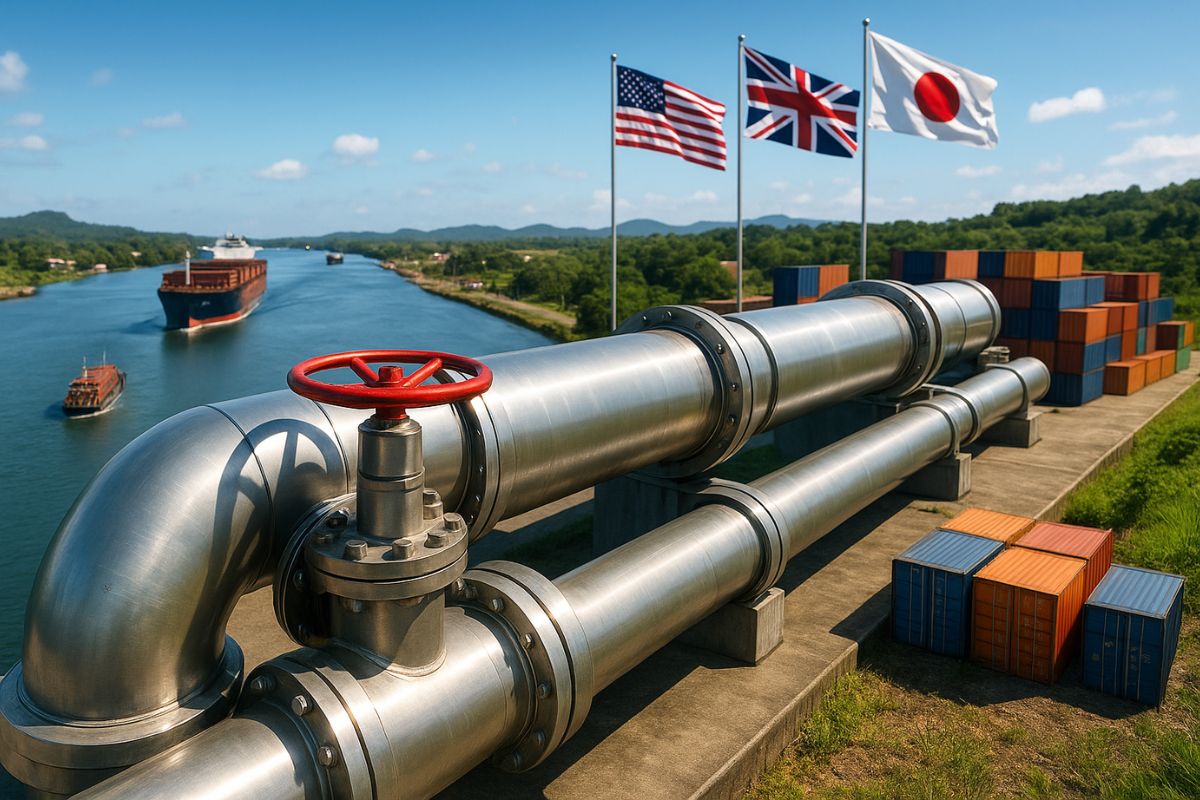


With projected investments between US$ 4 billion and US$ 8 billion, the Panama Canal opened a process to select the company that will build a strategic LPG pipeline, a project that could generate up to US$ 1.2 billion per year and is already mobilizing giants such as Exxon, Shell, Mitsubishi, and Vitol, according to reports from UOL.
The Panama Canal has initiated one of the largest corporate disputes of the last decade, involving multinationals such as Exxon Mobil, Shell, Mitsubishi, Vitol, and others, all interested in building and operating a pipeline for the transportation of liquefied petroleum gas (LPG). The billion-dollar project promises to reshape the energy logistics between the United States and Asia.
According to the canal’s director, Ricaurte Vásquez, the construction will require between US$ 4 billion and US$ 8 billion in investments and could contribute up to US$ 1.2 billion annually in additional revenue. The pipeline will have the capacity to transport up to 2 million barrels per day and is part of the strategy to expand the waterway following a court authorization granted last year.
The New Business Frontier of the Panama Canal
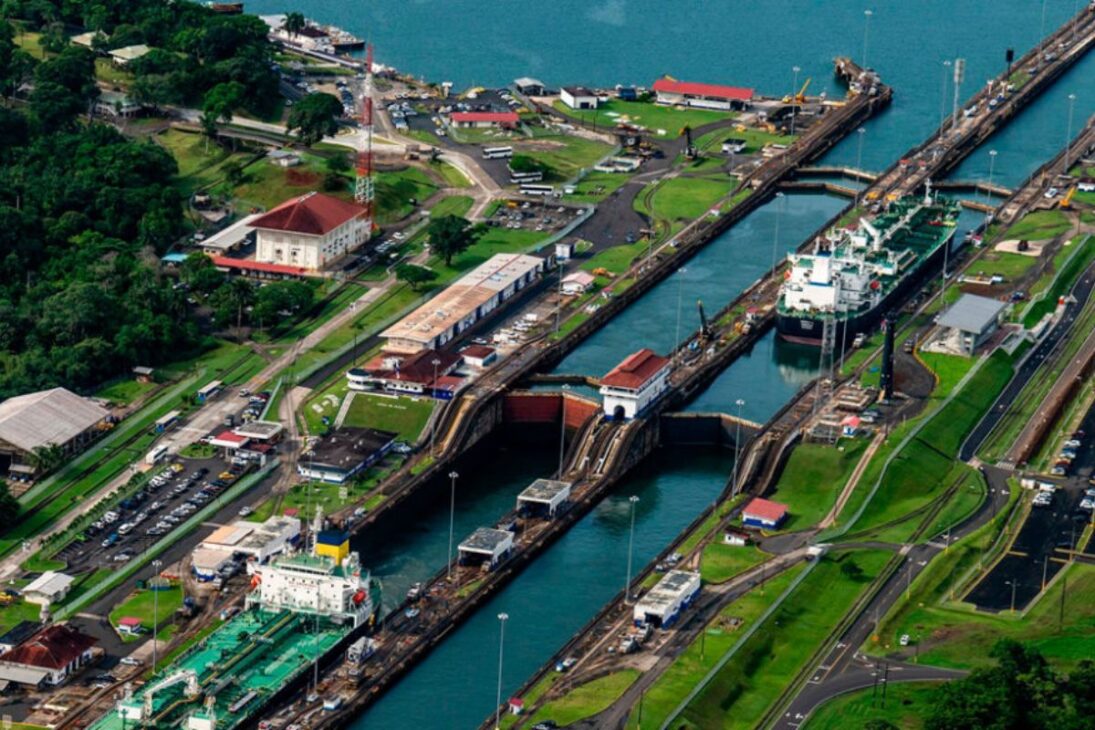
The LPG pipeline is the most ambitious among them, aiming to ensure revenue diversification in a scenario of fluctuating maritime traffic.
-
Brazil’s 2026 Tax Refund: Record 9.58 Million Filers in Largest Payout Ever, But a Key Detail on Priority Recipients Draws Nationwide Attention

-
Itaú Alters Hybrid Work Model, Increasing Office Days from 2028, Prompting Employees to Adjust to New Routine
-
Facing Labor Shortage, Japan Plans to Invest $34 Million to Attract Foreign Workers in Construction, Healthcare, Industry, and Commerce

-
Brazilian City Makes Remarkable Leap, Becomes 4th Wealthiest in the Country with GDP of R$ 134.1 Billion



According to UOL, the plan also includes the construction of an energy transmission line and may be followed in the coming years by new ports designated for integrated logistics operations.
The expectation is that the pre-qualification process for companies will advance until 2026.
The Strategic Weight of the Pipeline
The pipeline will allow for quicker and more economical transportation of liquefied gas from the United States to Asia, reducing freight costs and increasing the competitiveness of American exports.
Experts consulted by UOL believe the project could strengthen Panama’s position as a global energy hub, expanding its role beyond its historical function as a maritime route.
Another point of discussion is the Asian dependence on stable energy sources.
The growing demand for LPG, amid the energy transition and the search for supply security, makes the canal an even more strategic axis.
The Dispute Among Giants
The list of interested parties is impressive: in addition to Exxon Mobil, Shell, and Mitsubishi, companies such as Phillips 66, Energy Transfer, Puma Energy, SK Energy, Vitol, Itochu, and Sumitomo are in the running.
The presence of these names indicates the scale of the project and its relevance in the geopolitical balance of the energy sector.
According to the schedule, the winner is expected to be defined only in the last quarter of 2026.
Until then, the Panama Canal Authority will conduct negotiation rounds, technical pre-qualifications, and the establishment of exploration conditions.
Economic and Geopolitical Impacts
The Panama Canal is already projecting a profit of US$ 3.5 billion in the current fiscal year but is betting on the pipeline as a way to offset traffic seasonality and ensure new sources of revenue.
For the country, it is also about attracting foreign direct investments and consolidating itself as a logistical and energy center of the Americas.
On the geopolitical front, the project has the potential to alter supply routes between the United States, Asia, and Latin America.
The dispute over the gas pipeline can be seen as a reflection of the global search for critical infrastructures in energy and logistics, at a time of trade tensions and redefinition of global supply chains.
The decision of the Panama Canal to open competition for the LPG pipeline places the country at the center of global energy disputes.
The interest of multinationals like Exxon, Shell, and Mitsubishi shows that the project could reshape trade flows and reinforce the strategic position of the waterway in the 21st century.
And you? Do you believe that the pipeline in the Panama Canal strengthens the energy independence of the region or creates new geopolitical vulnerabilities? Share your opinion in the comments — your perspective could enrich this debate.








Tradução o Brasil vai continuar comprando da Rússia